Red-Eared Slider Care Guide: Build an Adult-Ready Habitat
Plan red-eared slider care around adult swimming space, clean water, dry basking, measured heat and UVB, with practical checks for a lasting, healthy home.
Read article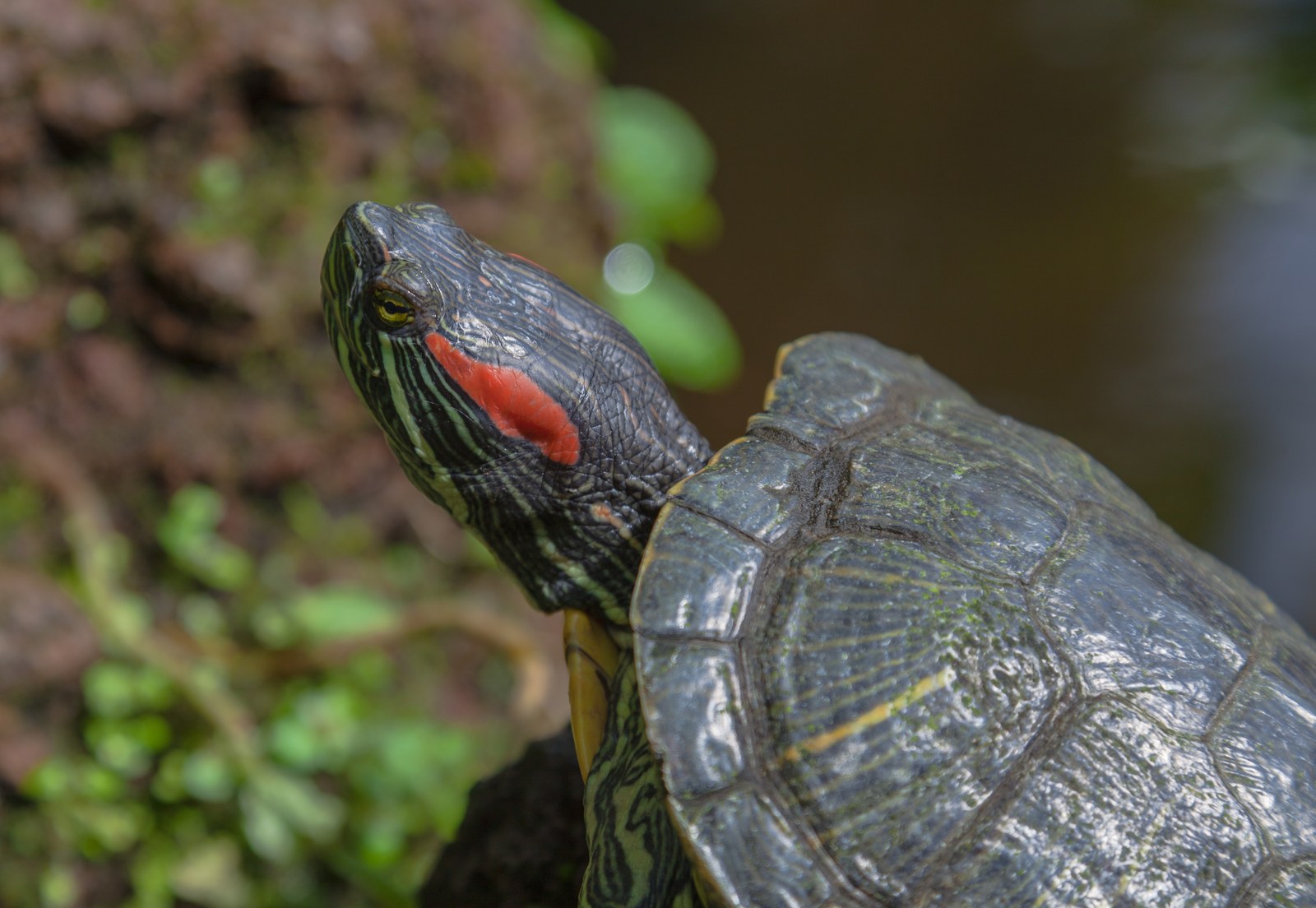
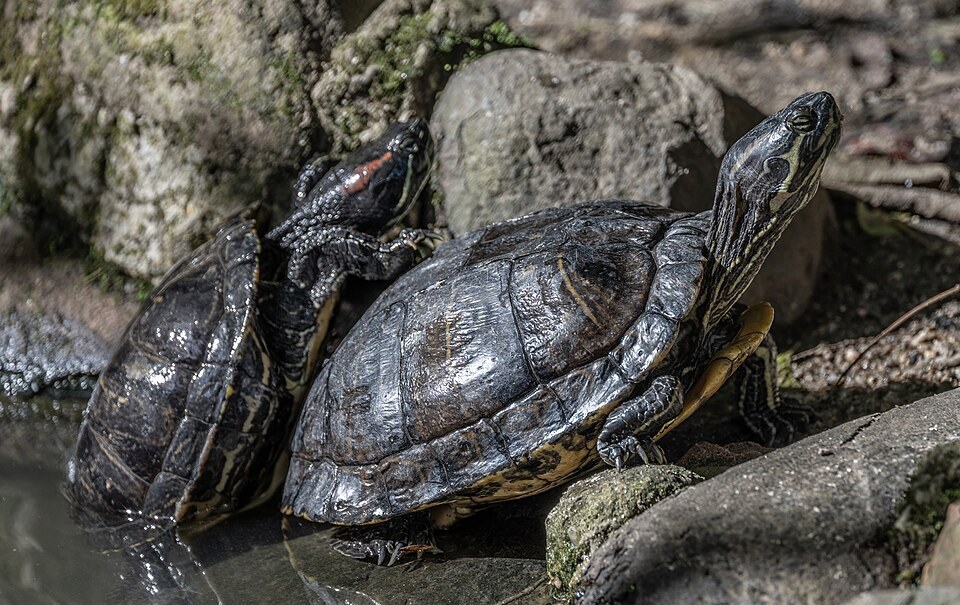
Trachemys scripta elegans
An observant freshwater turtle whose lifelong home needs room to swim and a truly dry place to bask.
Deep Dive
History
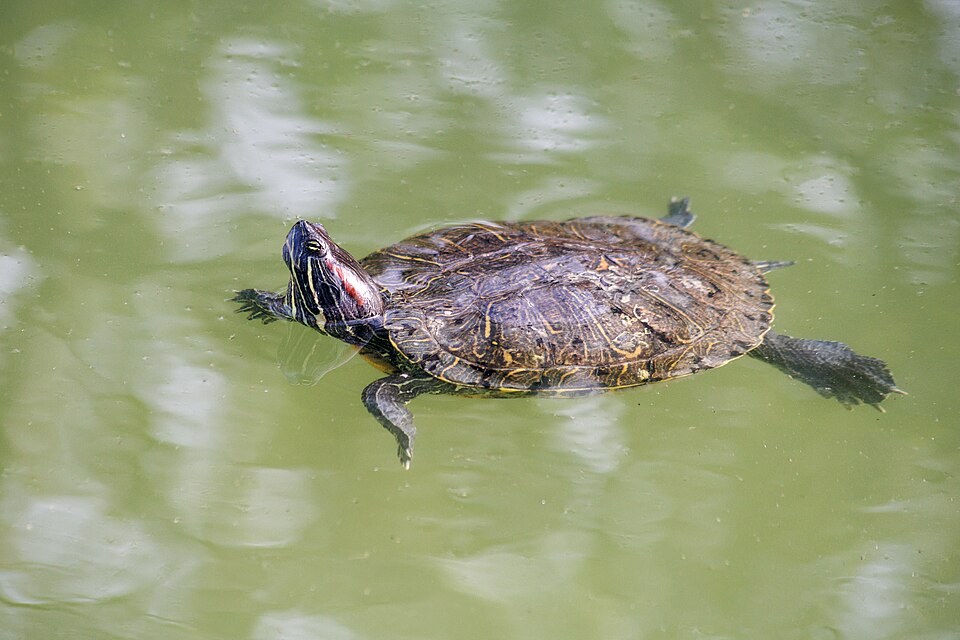
The red-eared slider is a freshwater turtle, not a miniature tortoise or a domesticated breed. Its scientific name, Trachemys scripta elegans, identifies a subspecies of pond slider associated with freshwater habitats in the central and southern United States. Swimming areas, aquatic food, and exposed basking places shape its everyday behavior. The familiar dash into water when startled is a practical escape response, not evidence that a pet has forgotten its keeper. Understanding that natural division between water and land is more useful than trying to recreate a decorative desert terrarium with a small water bowl.
International pet trading carried sliders far beyond their native range. Small juveniles were especially easy to underestimate: an animal that once fitted in a palm could eventually require substantial water volume and decades of maintenance. The USGS identifies pet releases and escapes as major introduction pathways. A slider seen in a local pond may therefore represent an introduced population rather than evidence that releasing another turtle is harmless. Never release a pet into outdoor waters, even where other sliders already live. Contact an established rescue or the relevant wildlife authority when lawful rehoming becomes necessary.
Their history also explains why acquiring one involves more than choosing a tank. In the United States, the federal four-inch rule restricts specified sales and distribution of small turtles; it is not a blanket possession ban. Other jurisdictions may restrict this invasive species more broadly. Check current local rules before purchase, adoption, transport, or transfer, and build secure containment before bringing a turtle home.
Personality
A settled red-eared slider can be an engaging animal to watch. It may follow movement outside the enclosure, approach when feeding equipment appears, investigate edible leaves, and choose different resting positions through the day. Those responses do not make it a cuddly pet. Food anticipation, curiosity, and escape behavior can look surprisingly similar through aquarium glass. Learn your turtle's normal patterns from a distance before deciding that every rush toward you means hunger or every retreat means illness. Some individuals remain cautious even with quiet, consistent care, and that is not a failure of socialization.
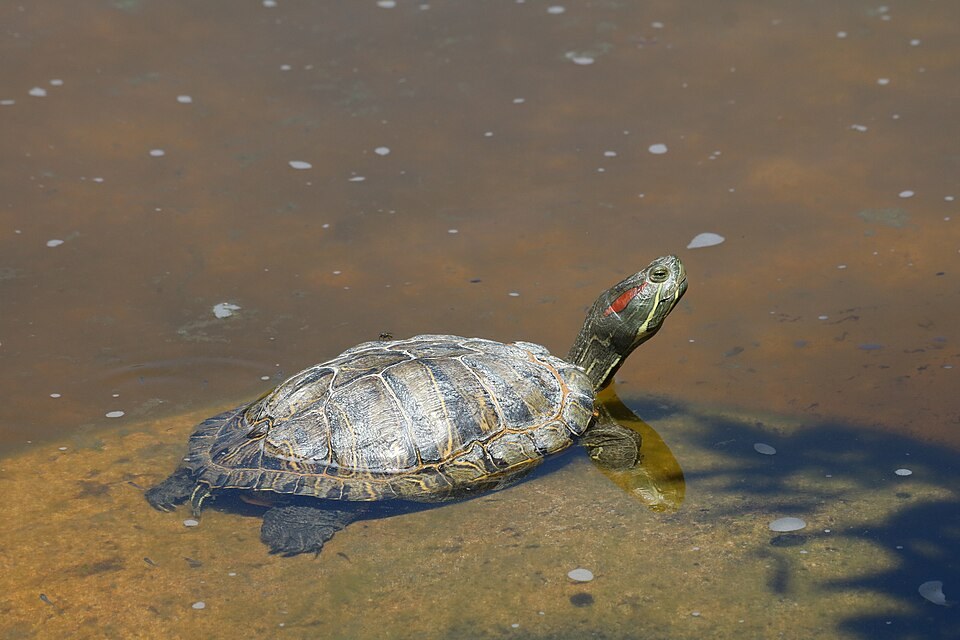
Basking is purposeful rather than lazy. A slider needs opportunities to leave the water completely, warm itself, and receive suitable UVB while retaining an easy route back to safety. Repeatedly reaching into the enclosure during basking can interrupt that routine. Predictable approaches and maintenance times are usually more useful than repeated handling sessions intended to build affection. Handling should serve a practical purpose, such as an examination or necessary transfer, with the shell supported and fingers kept away from the mouth. Never punish biting, struggling, or withdrawal; change the situation that is frightening the animal.
Solitary housing is the conservative household choice. Shared basking in nature does not promise peaceful sharing of a confined dock, food supply, or escape route. Another slider can introduce competition, injuries, and reproductive complications, while fish may become food. The trait scores below are editorial care-planning comparisons, not scientific personality tests. A strong swimming score signals the need for usable habitat, and low handling tolerance is a reason to respect boundaries rather than to train harder.
Appearance
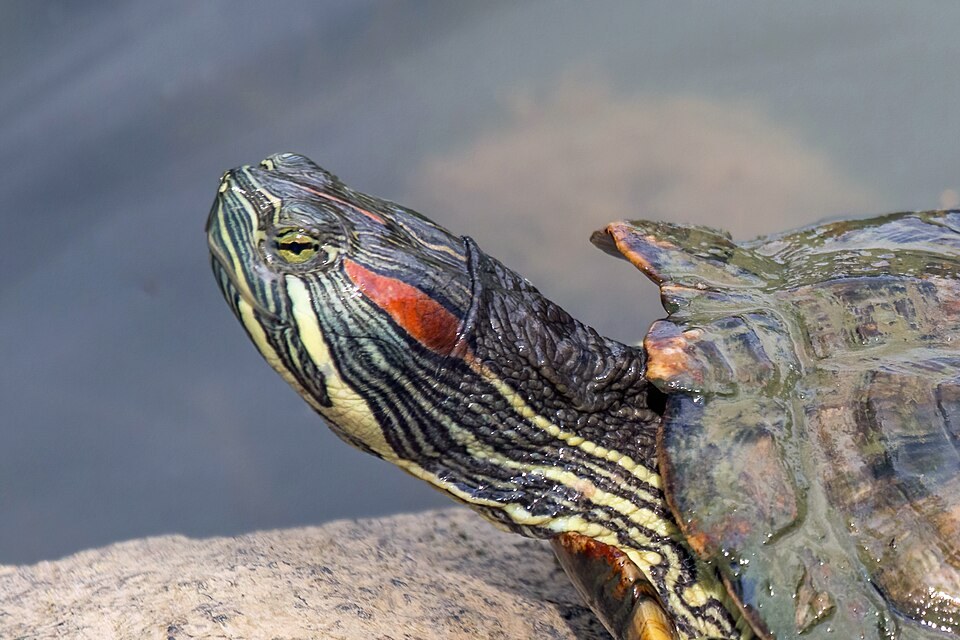
The familiar red marking behind each eye gives the red-eared slider its common name, although color intensity varies and markings can become less obvious with age. A streamlined upper shell, striped head and limbs, and webbed feet suit life in water. The upper shell is the carapace; the underside is the plastron. These are living structures associated with the skeleton, not a removable coat or a container that the turtle eventually outgrows. Observe them during ordinary care without squeezing, tapping, or turning the animal upside down to test its reactions.
Females generally become larger than males. RSPCA gives approximate adult shell lengths of 25 cm for females and 21 cm for males, while other references describe larger adults. Treat those figures as planning benchmarks rather than growth limits. Measure shell length consistently, not the distance from an extended nose to the tail tip. Mature males often have conspicuously long front claws and a longer tail, but age and individual variation can make casual identification unreliable. Ask a reptile veterinarian to confirm sex when reproductive care or housing decisions depend on it; do not trim healthy long claws simply because they look unusual.
As a slider grows, thin outer shell plates called scutes may loosen and come away naturally. A detached translucent plate is different from a deep defect in the shell beneath it. Skin can also shed in small pieces, especially noticeable underwater. Do not pull, oil, polish, or scrub away attached material. New pits, unpleasant odor, discharge, bleeding, soft patches, or persistent abnormal shedding need veterinary assessment. A clear photograph can document changes, but neither a photograph nor a color change alone can establish a diagnosis.
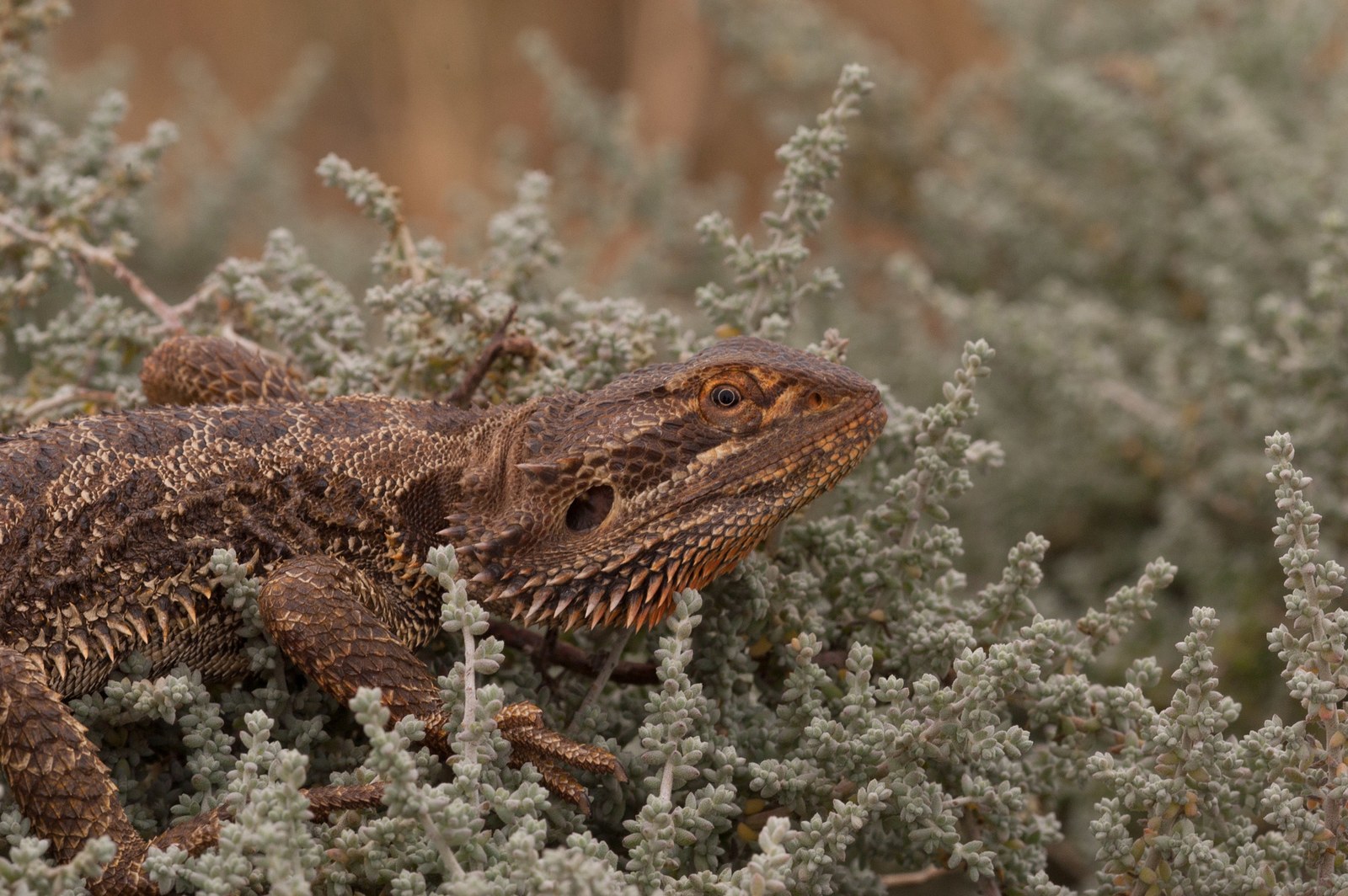
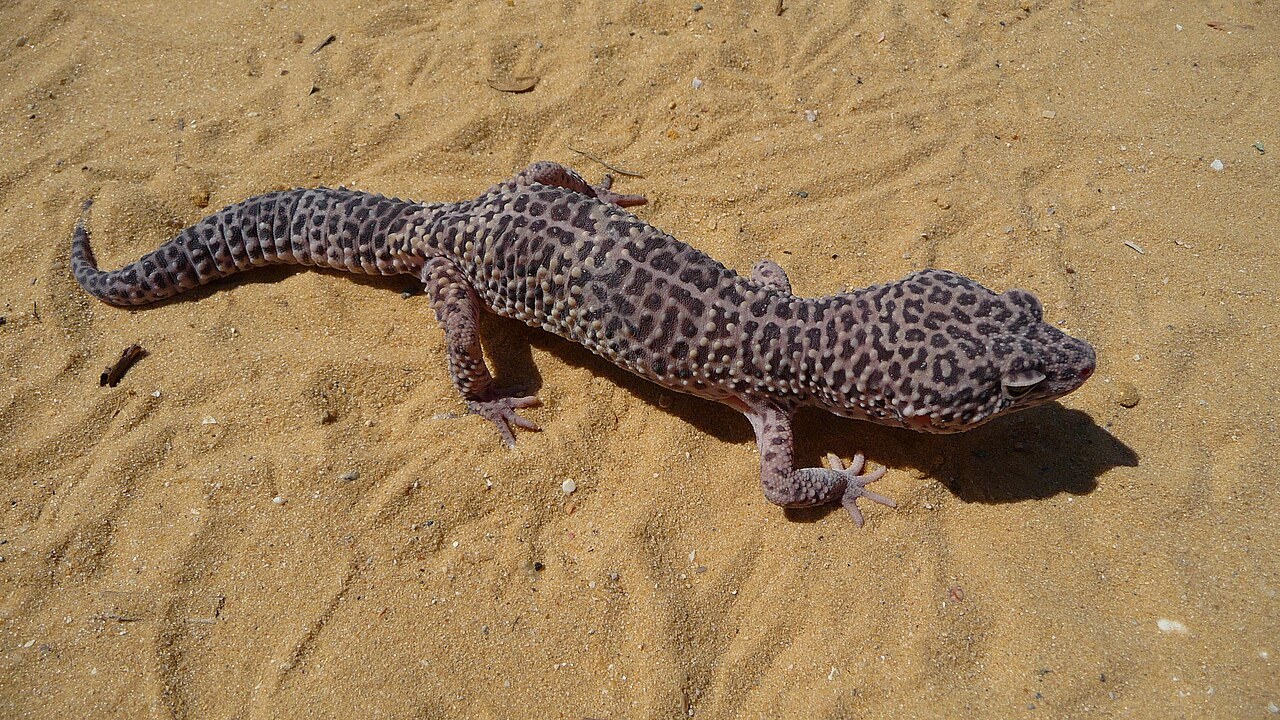
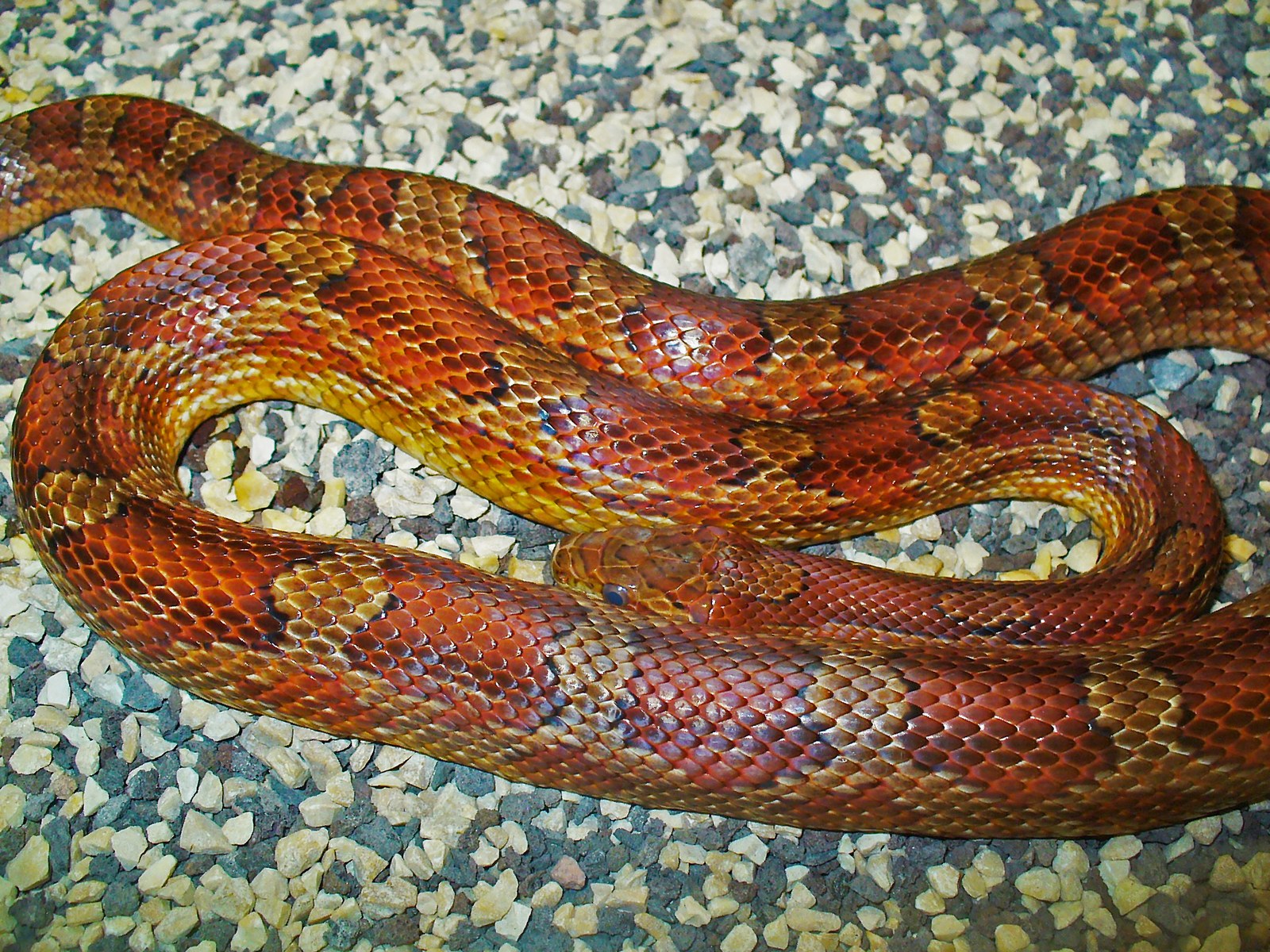
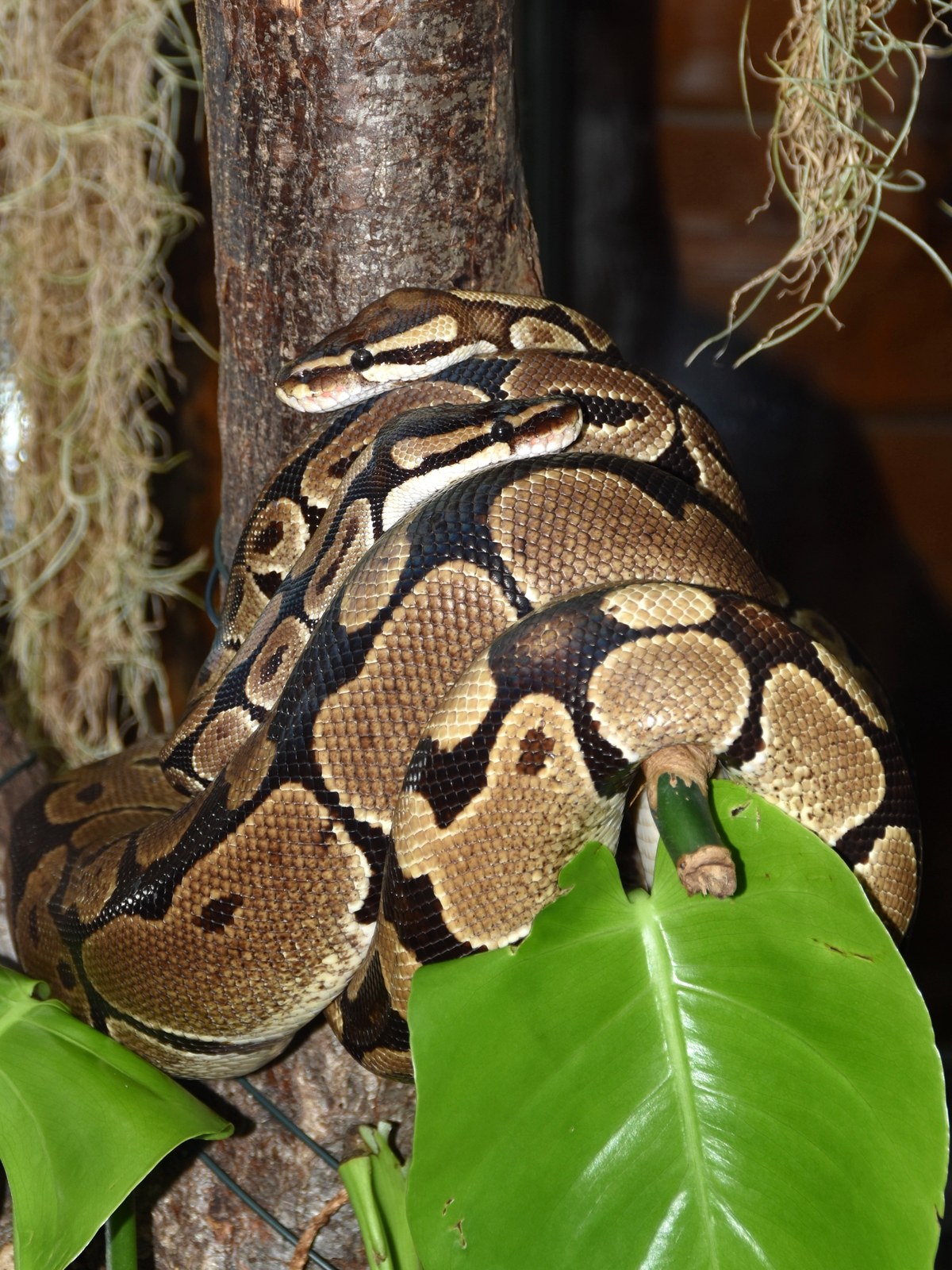
Photo credits: Diego Delso (CC BY-SA 3.0), Charles J. Sharp (CC BY-SA 4.0), Grendelkhan (CC BY-SA 4.0), Godwin Borg (CC BY-SA 4.0), Wilfredor (CC0). Images resized and compressed for web display. Each image retains its linked license. Zoo-pond scene according to the source. Multiple animals in a photograph are not a recommendation for group housing.
Living With
Living with a red-eared slider means maintaining a small aquatic system, not simply feeding an animal in a glass box. Plan for one adult with substantial swimming space, a secure dry dock, strong filtration, controlled heating, and measured UVB. This profile selects 175 US gallons of actual water as an adult planning floor from the upper end of one published adult recommendation, with larger housing where the turtle's size or layout requires it. That is not the same as buying a tank with a 175-gallon label and filling it halfway. The stand, floor, drainage route, and access for maintenance all matter.
Daily care includes observing breathing, swimming, appetite, and basking, checking equipment and temperatures, and removing food waste. Water testing and partial changes remain necessary even when the water looks clear. Keep turtle buckets, siphons, and cleaning supplies separate from household food equipment. CDC guidance treats both reptiles and their environments as potential Salmonella sources. Children younger than five should not handle either; older adults and people with weakened immune systems also need particular caution. A responsible adult should manage care, with handwashing after contact and no cleaning in kitchen sinks or other food-preparation areas.
The commitment may span major changes in your own life. RSPCA reports captive lifespans as long as 30–40 years, while other care references describe shorter typical ranges; neither promises a fixed lifespan. Budget for electricity, water, equipment replacement, and reptile veterinary care, and arrange a trained backup keeper. Check ownership and transfer rules wherever you live. If circumstances change, pursue lawful rehoming rather than outdoor release, and never assume that a future move or larger pond will solve an undersized setup today.
Adult habitat planning: These are species-specific care recommendations, not legal minima or universal settings. Measure the listed locations, provide a gradient and shaded retreat, and adapt with a reptile veterinarian.
Use a suitable thermostat and separate measurement devices. A basking surface reading is not an air or water temperature. Housing recommendations are for one animal, not a mixed-species enclosure.
At a Glance
Scores describe general care tendencies only, not temperature or humidity requirements or guarantees of compatibility.
Ownership Guide
Plan a broad adult swimming enclosure with at least 175 US gallons of actual water as the editorial starting point described in Habitat Setup, increasing space where needed. Provide a stable full-body dry dock, easy surface access, secure containment, and safe exploration without trapping gaps; house one turtle rather than adding companions.
Measure water, basking air, platform surface, and UVI separately; none substitutes for another. The Bio Dude specifies basking air 29.4–32.2°C and surface 35–40°C, while RSPCA recommends basking UVI 3–5 with shade; follow the full measurement notes and an age-appropriate water plan.
Use ventilated airspace and a dock that lets the entire turtle dry, not a lizard-style moist hide or misting routine. Thin outer scutes may shed naturally; never peel them, and seek veterinary assessment for sores, pits, odor, soft patches, or persistent abnormal shedding.
Offer an age-appropriate aquatic-turtle diet with suitable complete pellets, safe leafy foods, and appropriate animal foods; adults need greater plant emphasis than growing sliders. Feed in water, remove leftovers, and coordinate calcium and vitamins with a reptile veterinarian rather than stacking supplements or feeding whenever the turtle begs.
Make observation the main interaction and reserve handling for necessary care. Support the shell securely with both hands close to a safe surface, avoid the head and tail, and reduce disturbance when the turtle repeatedly retreats or struggles.
Wash hands after turtle, food, water, or equipment contact, and keep cleaning out of food-preparation areas. Children under five should not handle the turtle or habitat; arrange reptile veterinary care and respond promptly to breathing difficulty, weakness, injuries, or shell lesions.
Wellness
Open-mouth breathing at rest, nasal discharge, marked weakness, or new difficulty swimming warrants prompt veterinary contact. Persistent listing or inability to submerge is an observation to report, not a home diagnosis of pneumonia.
Pitting, unpleasant odor, discharge, bleeding, or soft damaged areas are not normal scute shedding. Do not peel the shell or start antiseptic baths, salt treatments, or prolonged dry confinement without veterinary direction.
Weakness, abnormal shell development, or difficulty supporting the body can accompany serious nutritional disease. Diet, calcium, and measured UVB work together; correcting a lamp does not replace examination of an already unwell turtle.
Persistently closed or swollen eyes and declining appetite have several possible causes, including husbandry and disease. Record water conditions and food intake for the veterinarian rather than assuming vitamin deficiency or administering concentrated vitamins.
A mature female can develop eggs without sharing an enclosure with a male. Repeated straining, profound lethargy, or tissue protruding from the vent needs urgent veterinary advice; do not press the abdomen or try to extract eggs.
Thin outer scutes may loosen naturally while the underlying shell remains intact, and small skin fragments can be visible underwater. Leave attached material alone and support normal care with clean water, dry basking, appropriate nutrition, and measured lighting.
Regular observations of swimming, basking, appetite, shell appearance, and body condition help you notice changes early. Normal activity is reassuring but does not rule out illness or Salmonella carriage, so preventive care and hygiene remain necessary.
Further Reading
Plan red-eared slider care around adult swimming space, clean water, dry basking, measured heat and UVB, with practical checks for a lasting, healthy home.
Read articleBuild a red-eared slider diet with age-appropriate pellets, leafy foods and calcium planning, while managing portions, picky eating and messy feeding habits.
Read articleRecognize red-eared slider health warning signs, from shell damage to breathing changes, and learn what to record, when to call a vet and how to reduce risk.
Read articleDecode red-eared slider behavior, from sudden dives to eager begging, and learn safer handling, low-stress routines and enrichment suited to a swimming turtle.
Read articleUnderstand red-eared slider scute and skin shedding, support clean water and dry basking, and spot shell changes that need a reptile vet rather than peeling.
Read articleDecide whether a red-eared slider fits your home by planning adult space, lifelong costs, hygiene, backup care and lawful options when circumstances change.
Read articleYou May Also Like
These links are for comparison only, not recommendations to house reptiles together. Keep different species in separate enclosures.