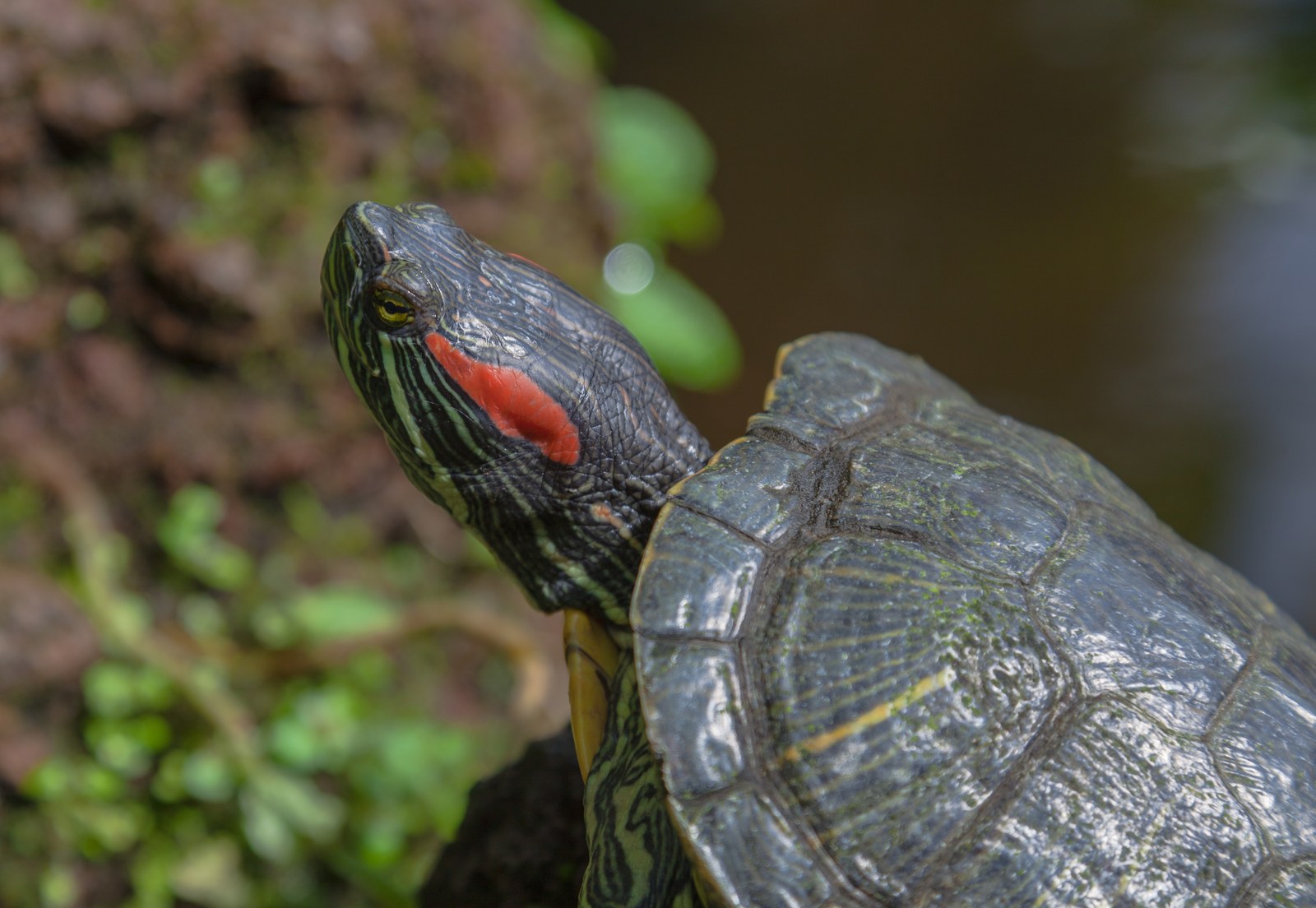
Living with a red-eared slider can mean decades of watching a familiar animal explore, forage, and bask. It also means decades of water changes, equipment checks, and decisions made on the turtle's behalf. Before choosing one, picture the adult enclosure in your actual home and consider who will maintain it during holidays, illness, moves, and later life. A low purchase price says very little about the responsibility that follows.
Start with lifespan rather than purchase price
RSPCA notes that sliders can live as long as 30–40 years in captivity, while The Bio Dude describes 20–30+ years. Those references do not promise an individual lifespan, and their different ranges should not be merged into a precise prediction. They do agree on the important point: this is a long-term animal, not a temporary childhood project.
Ask whether your plans can survive changes in housing, work, relationships, and health. A child who wants a turtle today may leave home while the animal still has many years ahead. The responsible adult needs to accept that possibility before acquisition rather than treating future rehoming as an easy escape clause.
Identify a potential successor caregiver and discuss the real workload with them. A name written on a note is less useful than someone who has seen the enclosure, understands the costs, and is willing and legally able to provide care. Review that arrangement when your circumstances change.
Make room for the adult aquatic system
An adult slider needs substantially more than a small aquarium with a decorative island. This profile plans at least 175 US gallons of actual water, approximately 660 litres, for one adult, using the upper end of The Bio Dude's published adult example. Larger turtles or awkward layouts may require more. That is an editorial planning floor, not a legal minimum or an assurance that every enclosure of that volume works.
Published rules differ: RSPCA's shell-length formula gives smaller volumes, while The Bio Dude's separate per-inch formula can imply larger ones. Do not present those rules as interchangeable. Focus on actual water, a broad footprint, turning space, safe surface access, and a dock that supports the full adult body completely dry.
Check stand suitability, floor loading, escape prevention, electrical safety, and where replacement water will come from. A large enclosure that cannot be maintained comfortably becomes a welfare problem. Keep the system away from food-preparation areas and plan for occasional splashes or leaks.
Budget for recurring work, not just a shopping list
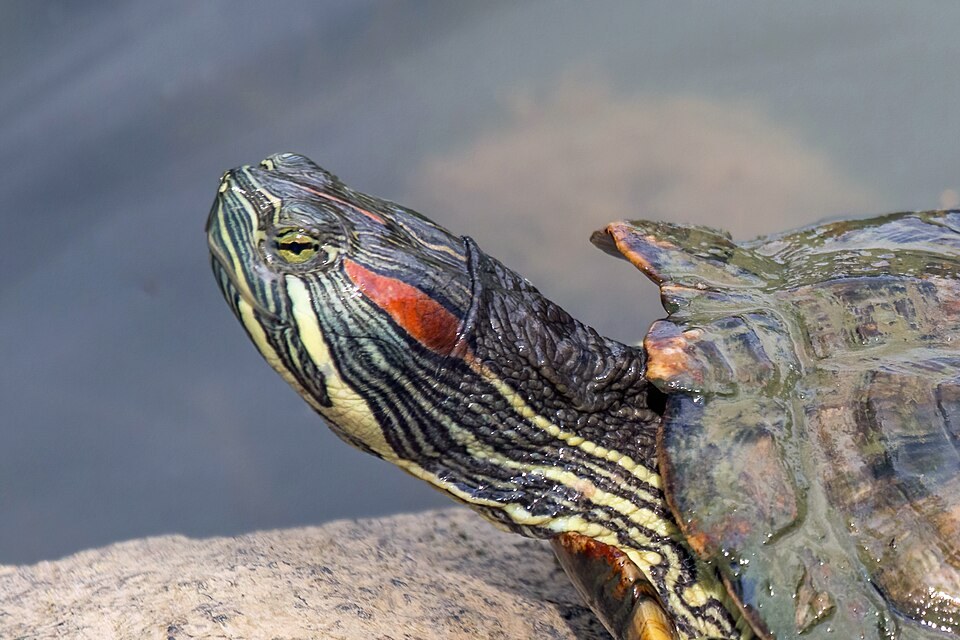
Running costs include heating, lighting, filtration, replacement lamps, food, water treatment where needed, testing supplies, and veterinary care. Prices vary with climate, utility rates, and equipment, so build a budget from local quotes instead of relying on a universal monthly figure. Include a repair reserve for a failed heater or filter.
Daily tasks are usually observations and checks: confirm normal activity, inspect equipment, verify water temperature, and remove food waste. Regular water testing, partial changes, and filter maintenance take more planning. The Bio Dude suggests 30% weekly water changes, but the appropriate schedule also depends on test results and the actual system.
- Price the adult enclosure and support before acquiring a juvenile.
- Include suitable heat control, UVB, and separate measurement devices.
- Find a reptile veterinarian and ask about routine and emergency access.
- Practise the cleaning route before the habitat contains a turtle.
A setup that fits your budget only when nothing breaks is not yet a resilient care plan.
Decide whether the household can manage hygiene
CDC guidance treats reptiles and their environments as possible Salmonella sources even when the animal looks healthy. The water, dock, food containers, and cleaning tools can all be part of the exposure pathway. A larger shell or a sparkling aquarium does not remove the need for precautions.
Wash hands after contact and never kiss the turtle or hold it near your face. Use dedicated equipment and keep habitat cleaning out of kitchens and other food-preparation areas. Children younger than five should not handle reptiles or their environments; older adults and people with weakened immune systems also face increased risk.
Keep other pets away from the enclosure and maintenance area. Dogs and cats do not need introductions to the turtle, and an unsupervised encounter can injure either animal.
Check the law before purchase, adoption, or moving
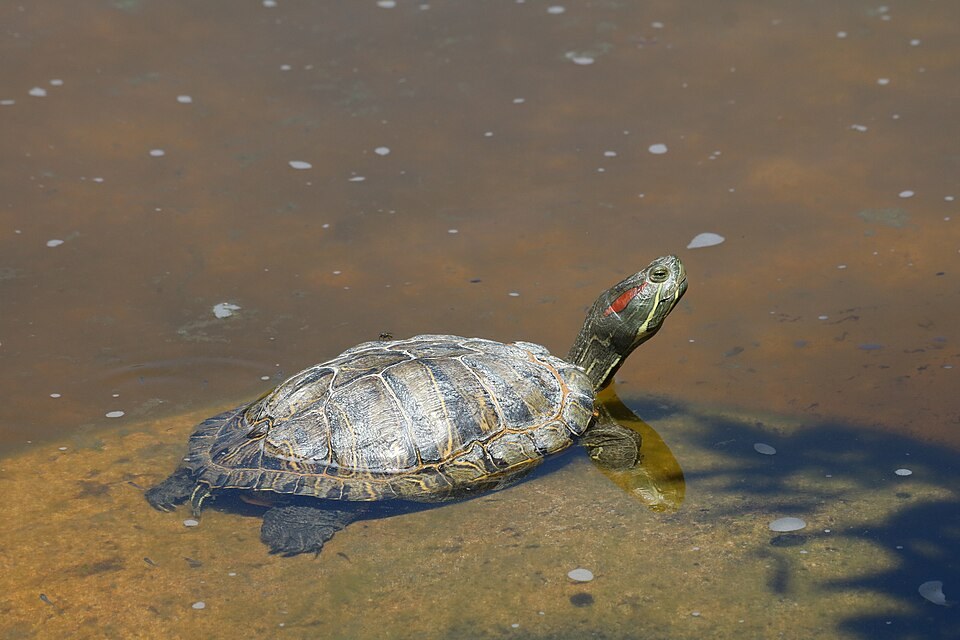
Ownership and transfer rules depend on location. Check current wildlife, invasive-species, import, and animal-welfare requirements with the relevant authority before acquiring a slider or crossing a border. An online seller's willingness to ship does not establish that receiving or keeping the animal is lawful.
In the United States, 21 CFR 1240.62 generally prohibits sale, holding for sale, and commercial or public distribution of live turtles with carapace length under four inches. The relevant measurement is shell length, not nose-to-tail length. Limited exceptions exist, including bona fide scientific, educational, or exhibitional purposes other than pets. Labeling an ordinary pet sale educational does not make it such an exception.
This federal restriction is not a blanket ban on possessing every small turtle. Nor does a shell over four inches guarantee legality under separate local rules or freedom from Salmonella. Recheck requirements before adoption, private transfer, travel, or relocation rather than relying on what was true when you first acquired the animal.
Prepare for holidays, emergencies, and responsible rehoming
Train a backup keeper on the real enclosure. Show them normal readings, how to recognize equipment failure, where prepared supplies are stored, and which veterinarian to contact. Leave written feeding instructions so a well-meaning visitor does not compensate for your absence by overfeeding. Include a power-outage plan appropriate to your climate and equipment.
If you cannot continue care, contact an established rescue, your reptile veterinarian, or the relevant authority about lawful options. Be honest about the turtle's size, health, and equipment needs. Never release it into a pond, canal, or other outdoor water; USGS identifies pet releases and escapes as major introduction pathways.
A suitable home offers more than affection. It provides reliable adult space, appropriate equipment, safe routines, and a plan that lasts beyond the excitement of bringing the turtle home.
Continue reading: Red-Eared Slider Care Guide: Build an Adult-Ready Habitat.
Sources and further reading:
- RSPCA: How to care for a terrapin
- The Bio Dude: Red Ear Slider Care and Maintenance
- CDC: Reptiles and Amphibians
- USGS NAS: Red-eared Slider Species Profile
- 21 CFR 1240.62: Turtles intrastate and interstate requirements
Photo credits: Diego Delso (CC BY-SA 3.0), Charles J. Sharp (CC BY-SA 4.0), Grendelkhan (CC BY-SA 4.0). Images resized and compressed for web display. Each image retains its linked license.


