Bearded Dragon Care Guide: Build a Safe, Measured Habitat
Build a safer bearded dragon habitat with clear basking and air temperatures, measured UVB, solitary housing, humidity checks, and practical daily care steps.
Read article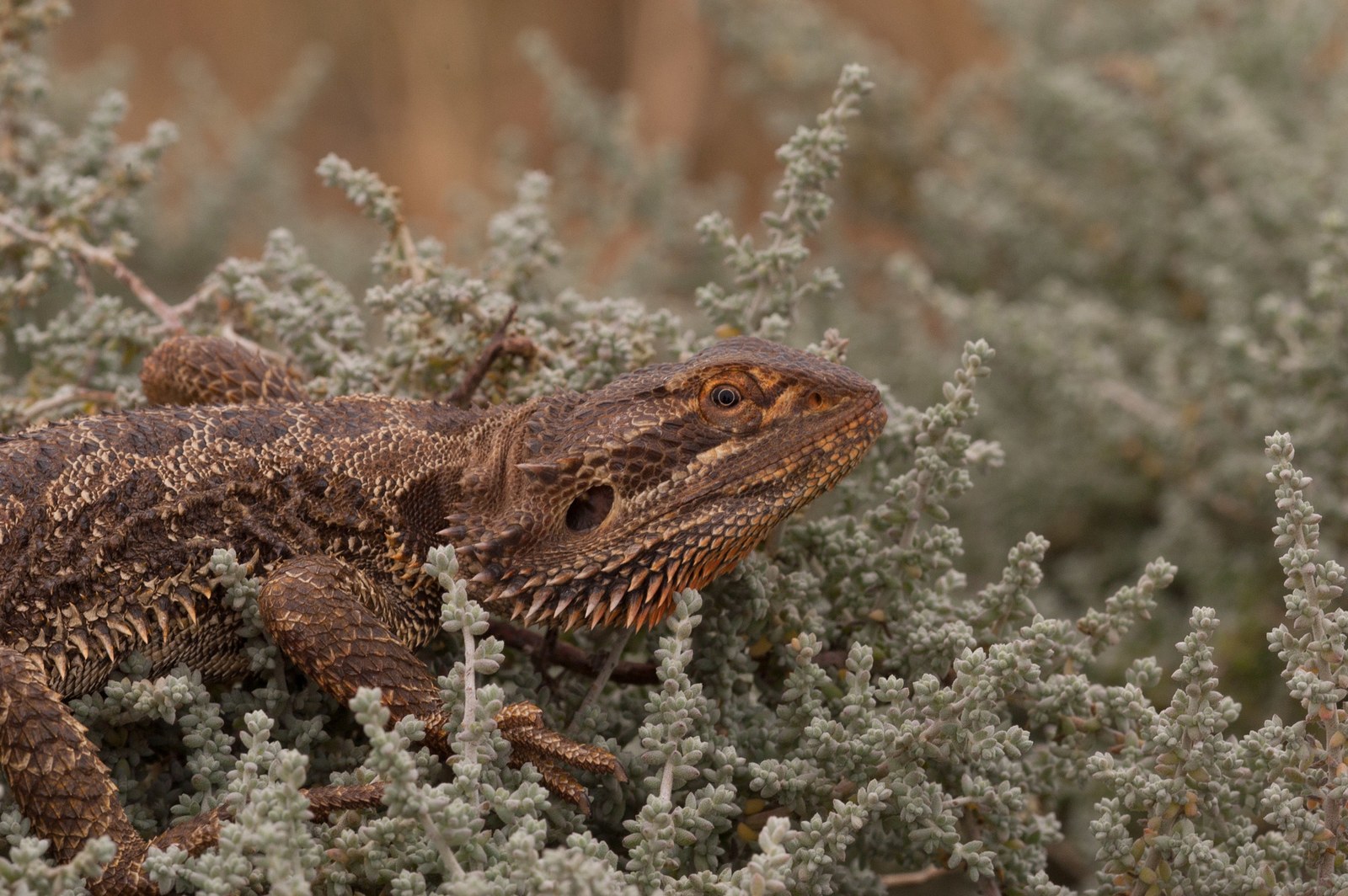
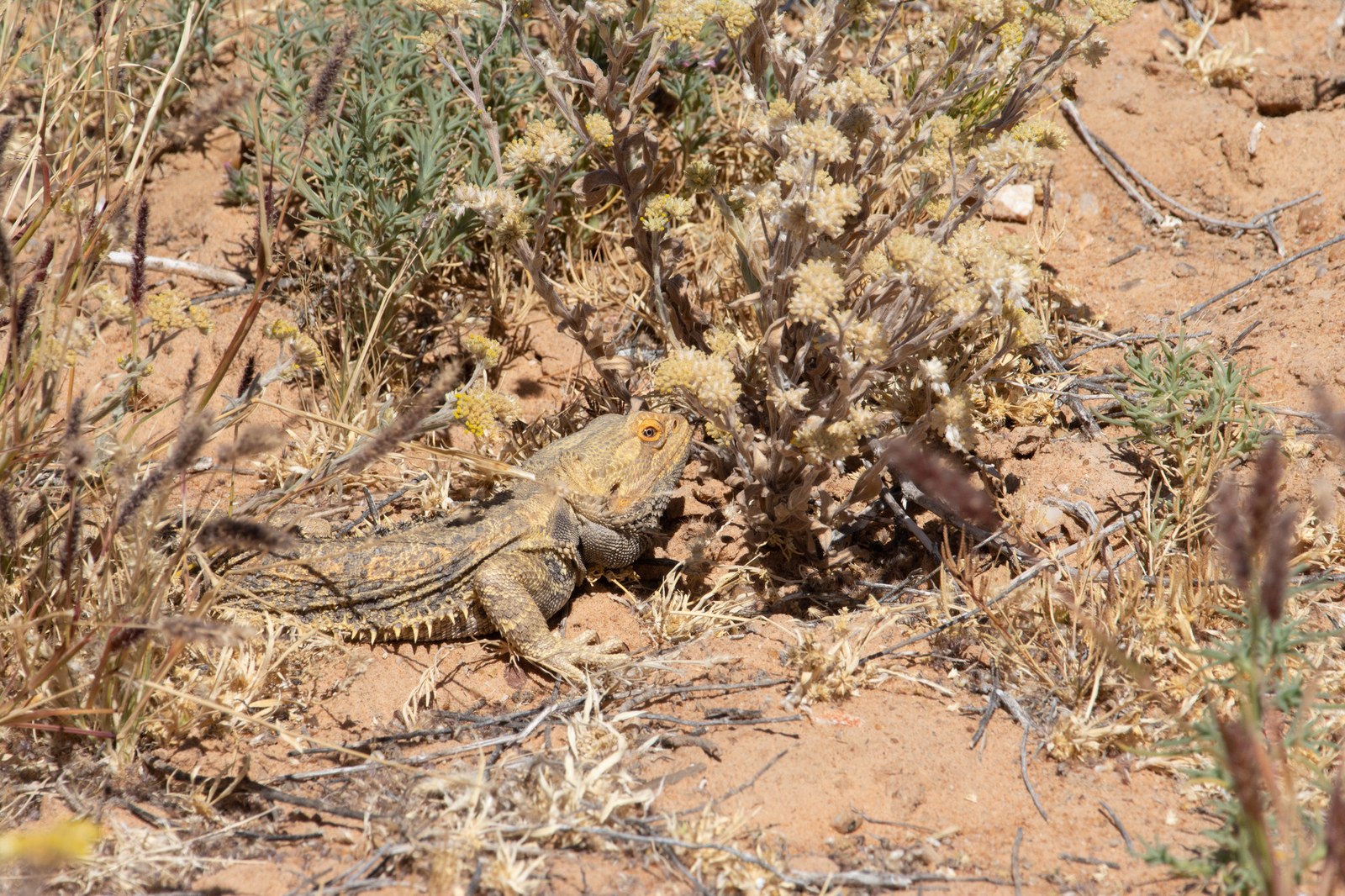
Pogona vitticeps
A sun-loving Australian lizard whose confident appearance hides a need for thoughtful, measured care.
Deep Dive
Natural History
The bearded dragon most commonly kept as a pet is the central or inland bearded dragon, Pogona vitticeps. It comes from interior Australia, where dry scrublands, open woodland, and other relatively arid habitats offer sunshine alongside shelter. Its environment is not simply an exposed sand dune. Vegetation, branches, rocks, and protected ground create different temperatures and hiding opportunities within a small area. A captive enclosure should reflect that variety rather than copying the appearance of a bare desert photograph. Other Pogona species exist, and their adult size or care details should not automatically be substituted for this species.
These lizards are active during daylight and obtain useful warmth by choosing where to sit. A raised perch can provide a view as well as a basking position, while shade allows the animal to retreat before overheating. Their diet also changes with development: a growing dragon relies more heavily on insects, whereas a mature animal benefits from a predominantly plant-based food mix. Reliable captive care therefore depends on measured gradients and an age-appropriate menu, not a single warm temperature and unlimited feeder insects.
Captive breeding has produced many colors and scale variations, but appearance does not remove the animal's biological needs. Choose a responsibly bred or responsibly rehomed dragon with available health and feeding records. Ask which scientific species is being offered, whether it eats independently, and what equipment it currently uses. A confident sales description cannot replace your own enclosure preparation or an examination by a reptile-experienced veterinarian.
Behavior
A healthy bearded dragon spends part of its day surveying the enclosure, moving between temperature zones, and investigating food. Some individuals quickly become comfortable with a familiar keeper, while others prefer more distance. Tolerating a hand beneath the body is not the same as enjoying prolonged cuddling. Watch the whole animal: an alert posture, easy movement, and the ability to walk away tell you more than a still photograph. A dragon that remains motionless may be resting, cold, frightened, or unwell rather than unusually affectionate.
The expandable beard and changes in body color are parts of a broader signaling system. A dark beard, flattened body, rapid escape attempt, or repeated defensive display deserves context, not an automatic label of aggression. Reflections, another visible dragon, rough handling, pain, and unsuitable temperatures can all alter behavior. Arm waving and head bobbing are interesting to observe, but they are not reasons to introduce a companion. Pet dragons should normally live alone, with enrichment supplied through safe space, varied surfaces, foraging, and predictable care.
Trust grows through short, calm interactions that preserve choice. Approach from the side, support the trunk and feet, and return the dragon before it becomes restless. Never lift by the tail or squeeze a struggling animal. Allow a newly arrived dragon to settle into its feeding and basking routine before expecting handling. Sudden withdrawal, weakness, persistent dark coloration, or refusal to eat warrants husbandry checks and veterinary advice rather than a campaign to make the pet more sociable.
Appearance
Pogona vitticeps has a broad triangular head, a sturdy body, strong limbs, and a long tapering tail. The characteristic throat pouch carries pointed-looking scales that become more obvious during a display. Adult total length is around 45 cm, or about 18 inches, including the tail; individuals vary, and this is not a snout-to-vent measurement. Judge enclosure room with the whole animal in mind. It should turn easily, stretch out on its basking platform, and move between resting places without dragging its tail against crowded furnishings.
Natural-looking dragons often show sandy, brown, or gray tones, while selective breeding has produced a wider range of colors and patterns. Color also changes with temperature, shedding, and behavior, so a pale patch or dark beard cannot diagnose health on its own. Healthy skin should not have open wounds, spreading crusts, swelling, or a constricting band around a toe. Dragons shed in patches rather than slipping out of one complete skin, and loose pieces should be allowed to release without being pulled.
Scale-reduction morphs need particular care in purchasing decisions. A silkback is not simply an ordinary beginner dragon with a different finish: reduced protective scales can bring additional skin, shedding, and ultraviolet-management concerns. Do not apply standard lighting targets automatically to a silkback or another unusually sensitive individual. Seek an individualized reptile-veterinary plan and consider whether you can meet that extra responsibility. A normally scaled animal from a responsible source is a more straightforward starting point than choosing primarily for novelty.
Photo credits: Rolf Lawrenz (CC BY 4.0 International), Edward Bell (CC BY 4.0 International). Images resized and compressed for web display. Each image retains its linked license.
Living With
Living with a bearded dragon means maintaining a small, carefully monitored habitat every day. A typical captive lifespan of 10–15 years, sometimes longer, spans changes of school, housing, work, and family circumstances. Before bringing one home, plan for a substantial adult enclosure, electricity, replacement lighting, feeder insects, vegetables, and access to a reptile-experienced veterinarian. The equipment is not a one-time purchase that makes the animal self-sufficient. You still need to notice failed lamps, spoiled food, altered droppings, and changes in appetite or movement.
A predictable routine can make this work manageable. Check the dragon and equipment each morning, offer the planned food after it has warmed, remove waste promptly, and verify that nighttime darkness and temperatures remain appropriate. Keep simple records so another competent adult can provide care when you are away. Daily bathing is unnecessary, and lengthy handling sessions should not replace access to the enclosure's heat and UVB. Solitary housing is the default; the related species listed here are alternatives to compare, not suggested companions.
Household hygiene deserves as much planning as the habitat. Apparently healthy reptiles can carry Salmonella, so wash hands after contact and keep animals and equipment away from kitchens. Children under five, older adults, and people with weakened immune systems face additional risk. Discuss suitability before committing. The care and behavior scores on this profile are editorial summaries only, not clinical measurements or guarantees of temperament, safety, or compatibility. They never replace measured temperature, humidity, and UVI or an assessment of the individual animal.
Adult habitat planning: These are species-specific care recommendations, not legal minima or universal settings. Measure the listed locations, provide a gradient and shaded retreat, and adapt with a reptile veterinarian.
Use a suitable thermostat and separate measurement devices. A basking surface reading is not an air temperature. Housing recommendations are for one animal, not a mixed-species enclosure.
At a Glance
Scores describe general care tendencies only, not temperature or humidity requirements or guarantees of compatibility.
Ownership Guide
Start with at least 120 × 60 × 60 cm L × W × H (approximately 48 × 24 × 24 in) for one adult, and prefer larger usable space. Provide a full-body basking platform, shaded hides, secure climbing routes, and room to explore without another reptile competing for resources.
Keep the basking surface at 42–45°C (107.6–113°F), measured separately from warm-zone air at 30–35°C (86–95°F) and cool-zone air at 22–26°C (71.6–78.8°F). For normally scaled dragons, measure basking UVI 4.0–4.5 at back height and provide shade near zero, thermostatic heat control, and 12 hours each of light and darkness; sensitive morphs need individual advice.
Monitor cool-end daytime ambient RH at 30–60%, allowing a brief natural nighttime rise while keeping the main floor dry and ventilated. Supply fresh drinking water, offer a clean lightly damp retreat if useful during shedding, and never pull retained skin or prescribe daily baths.
Offer fresh greens daily, insects usually daily during growth, and representative insect meals about twice weekly in mature adults, adjusting portions to body condition. Gut-load feeders and agree a calcium, multivitamin, D3, and UVB plan with a reptile veterinarian rather than stacking supplements blindly.
Approach from the side and support the trunk and all feet close to a safe surface. Keep early sessions brief, respect escape attempts, and investigate persistent dark bearding or withdrawal instead of forcing contact.
Wash hands after animal or enclosure contact, keep equipment out of food-preparation areas, and arrange an initial reptile-veterinary assessment. Seek urgent help for breathing difficulty, tremors, inability to walk, prolapse, or a swollen dark toe; apparently healthy reptiles can still carry Salmonella.
Wellness
Weak limbs, a soft or swollen jaw, tremors, and fractures require veterinary assessment, with seizures or inability to walk treated urgently. Prevention depends on coordinated calcium, diet, usable UVB, and correct temperatures, not a larger unsupervised supplement dose.
Persistent open-mouth breathing away from basking, visible effort, or discharge is not ordinary heat-related gaping. Contact a reptile veterinarian promptly, urgently if breathing is labored, while checking air temperatures, ventilation, and humidity.
Blisters, spreading crusts, swelling, or tight retained skin around toes or the tail need professional attention. Guard heat sources, measure the contact surface, maintain clean dry flooring, and never peel skin or apply household creams.
Excessive insect feeding can promote obesity, while weight loss or persistent refusal of food can indicate illness or husbandry problems. Record weight and intake, check the habitat, and ask a veterinarian about examination and fecal testing rather than assuming brumation or giving preventive medication.
A female may develop eggs without mating, and repeated straining, weakness, or abnormal abdominal enlargement needs prompt reptile-veterinary advice. Provide an appropriate laying opportunity under professional guidance; do not squeeze the abdomen or attempt home egg removal.
Healthy-looking dragons and their environments can carry Salmonella. Wash hands, separate reptile equipment from kitchens, and take extra precautions in households with children under five, adults 65 and older, or immunocompromised people.
Alert movement, access to both temperature zones, stable body condition, and a consistent individual feeding pattern are encouraging observations. They do not rule out disease or replace preventive veterinary care; record changes early.
Further Reading
Build a safer bearded dragon habitat with clear basking and air temperatures, measured UVB, solitary housing, humidity checks, and practical daily care steps.
Read articlePlan bearded dragon feeding by life stage, choose useful greens and insects, coordinate calcium with UVB, and spot body condition changes before problems grow.
Read articleRecognize bearded dragon health warning signs, reduce preventable husbandry risks, plan quarantine and vet visits, and protect your household from Salmonella.
Read articleRead bearded dragon body language, build trust through gentle handling, reduce stress triggers, prevent escapes, and know when a behavior change needs a vet.
Read articleSupport bearded dragon shedding with measured humidity, clean surfaces, and hydration; learn when retained skin, damaged toes, or unusual patches need help.
Read articleDecide whether a bearded dragon fits your home with daily routines, long-term costs, safe family habits, holiday care planning, and welfare priorities.
Read articleYou May Also Like
These links are for comparison only, not recommendations to house reptiles together. Keep different species in separate enclosures.