Leopard Gecko Care Guide: Build a Safe, Measured Habitat
Build a better leopard gecko habitat with clear advice on enclosure size, air and surface temperatures, gentle UVB, humid hides, feeding, and daily checks.
Read article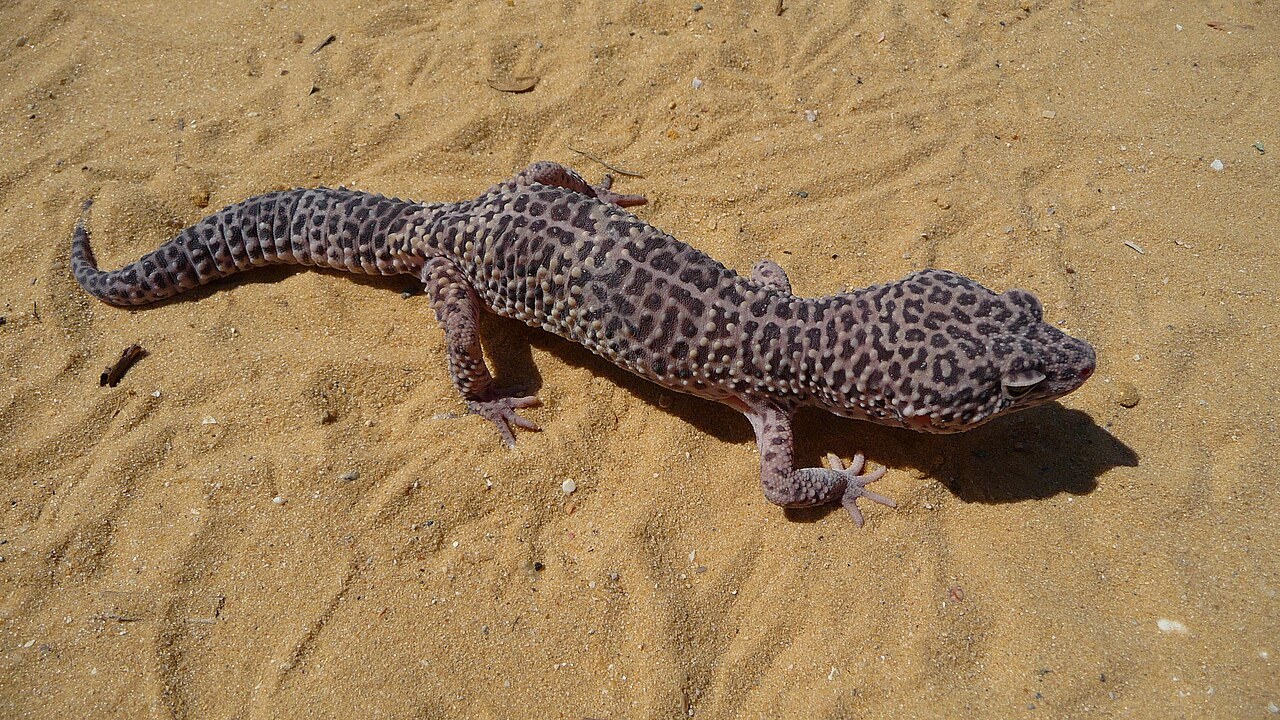
Eublepharis macularius
A spotted twilight explorer whose comfort depends on choice, cover, and carefully measured care.
Deep Dive
Natural History
The Leopard Gecko, Eublepharis macularius, comes from dry rocky landscapes in South Asia, especially Pakistan and Afghanistan, with its range extending into northwestern India. Calling it a desert animal can be misleading if that suggests an exposed dune with no shelter. These lizards use crevices, ground cover, and protected retreats where temperature and moisture differ from the weather above them. Their natural history therefore points toward a varied enclosure rather than a uniformly hot, completely dry box. A gecko must be able to choose between warmer and cooler places while remaining concealed from view.
Leopard geckos are primarily crepuscular, becoming active around dusk and dawn, although individuals also explore at night and sometimes expose part of the body to daytime warmth. They hunt moving invertebrates and conserve resources by retreating during unfavorable conditions. The thick tail stores energy reserves, but it is not permission to dismiss unexplained weight loss or weeks of missed meals. Seasonal changes in activity need interpretation alongside body condition, measured enclosure conditions, and veterinary assessment when something changes. Owners should not force brumation in a household pet.
Captive breeding has produced many colors and patterns, commonly called morphs. Color does not replace species-level care: an albino gecko still needs a thermal gradient, suitable insect nutrition, and secure shelter, with extra attention to light sensitivity. Choose a healthy captive-bred animal from a transparent source rather than treating unusual appearance as the main selection criterion. Plan for a lifespan of about 10–20 years with suitable care, recognizing that longevity varies and is never guaranteed.
Behavior
A Leopard Gecko often becomes an attentive observer of familiar routines, especially when those routines predict food. It may emerge when enclosure doors open, investigate a feeding dish, or watch movement from a hide entrance. These behaviors are not proof that every gecko wants handling. Some tolerate brief, well-supported contact; others remain more comfortable as observation animals. Letting the gecko retreat is part of good interaction, not a failure to tame it. Daytime hiding is normally compatible with its activity pattern when appetite, movement, and body condition remain stable.
Watch the whole animal rather than assigning a single meaning to every tail movement. A small anticipatory tail vibration during hunting differs from defensive waving accompanied by a tense body, retreating, or an open mouth. Stop approaching when the gecko backs away, vocalizes, or repeatedly tries to escape. Do not chase it around the enclosure or lift the hide repeatedly to demand contact. A frightened gecko can bite or shed its tail, and a regenerated tail usually differs from the original in outline, texture, and pattern. Never restrain or lift the animal by its tail.
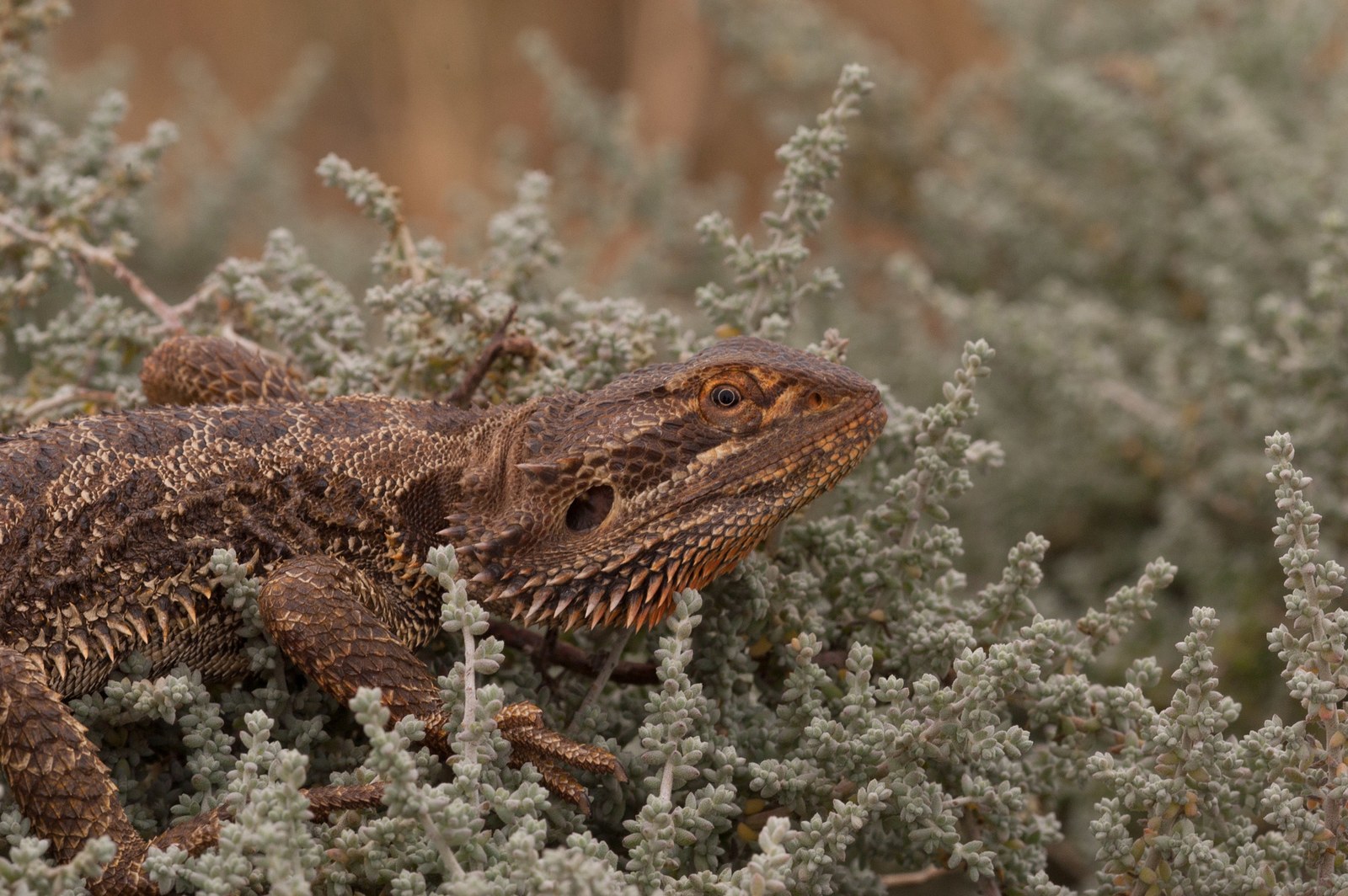
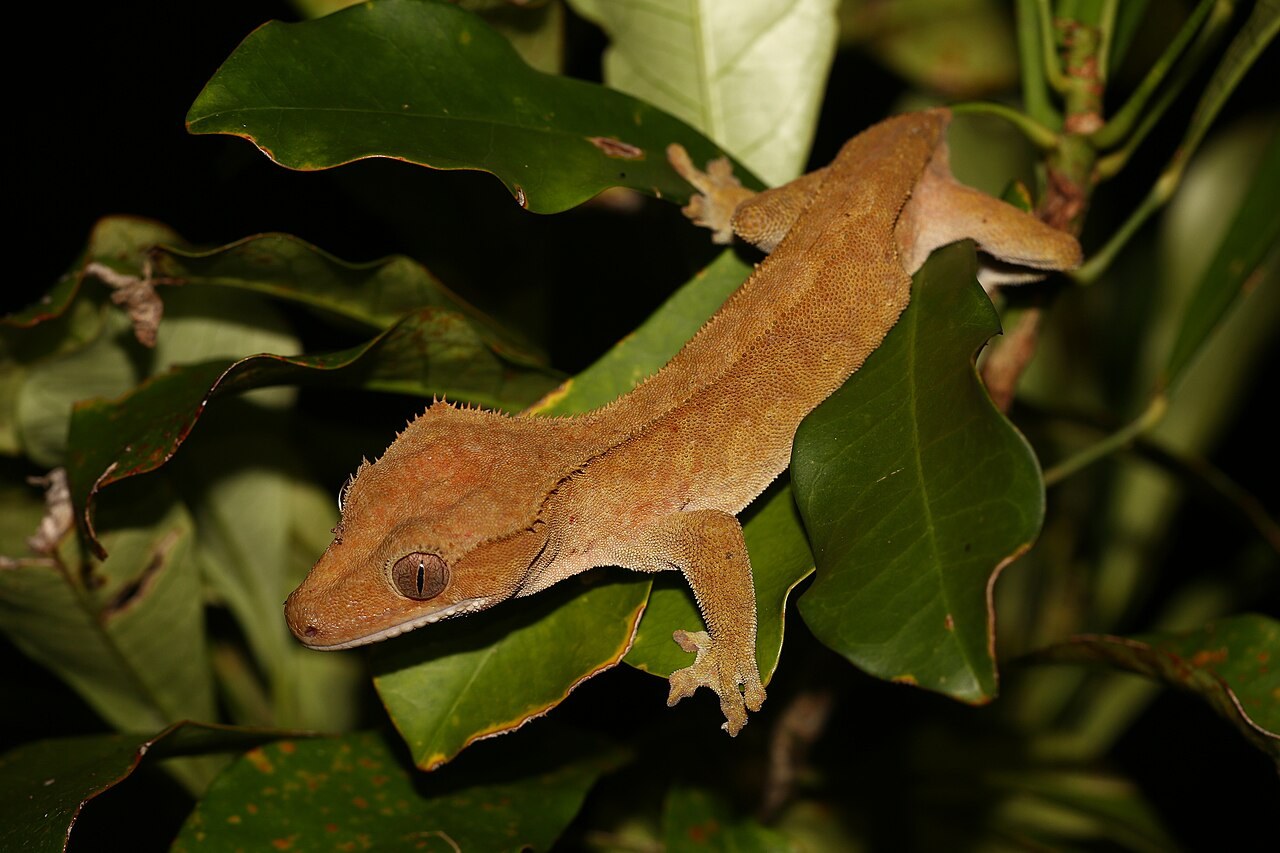
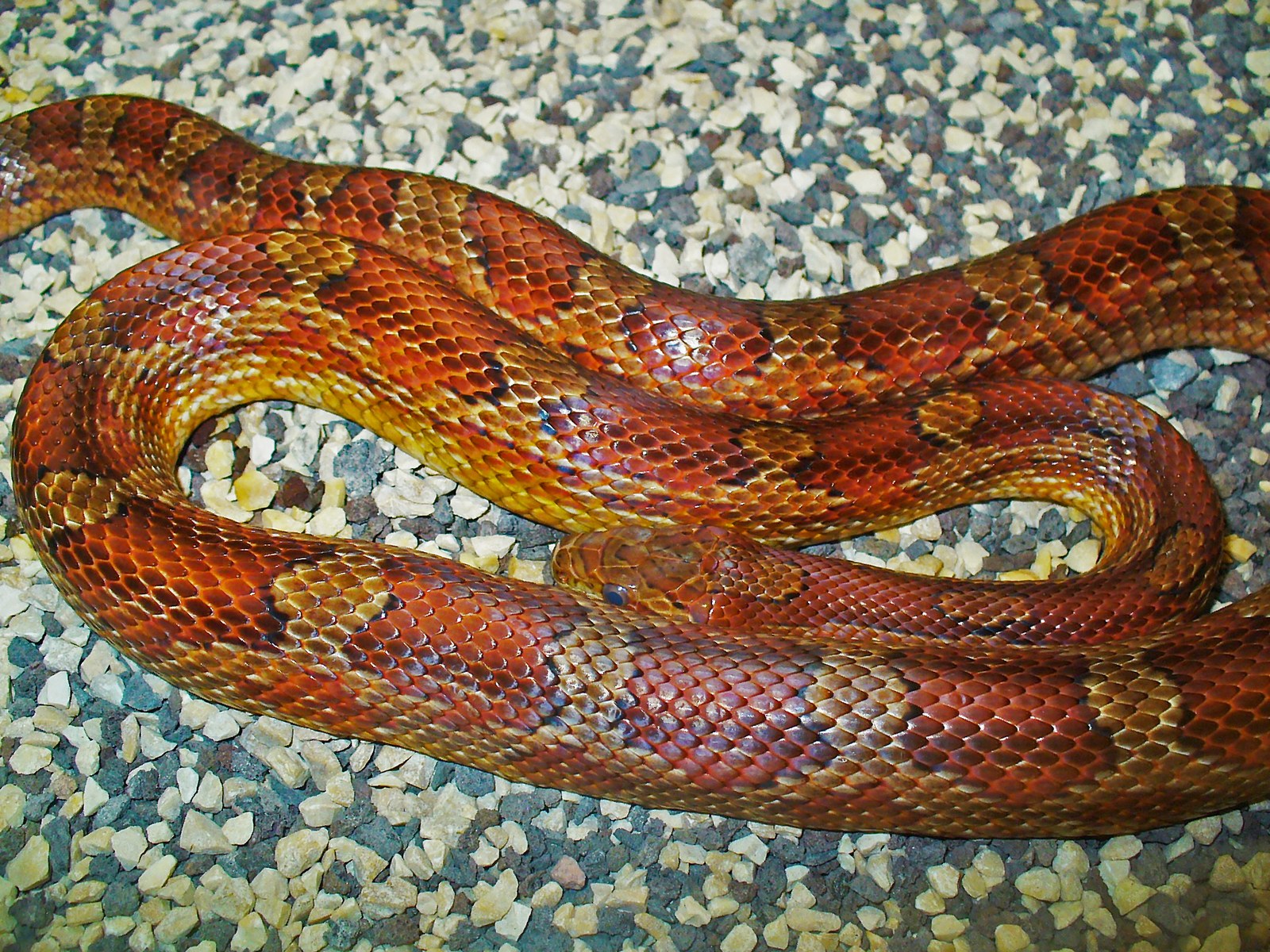
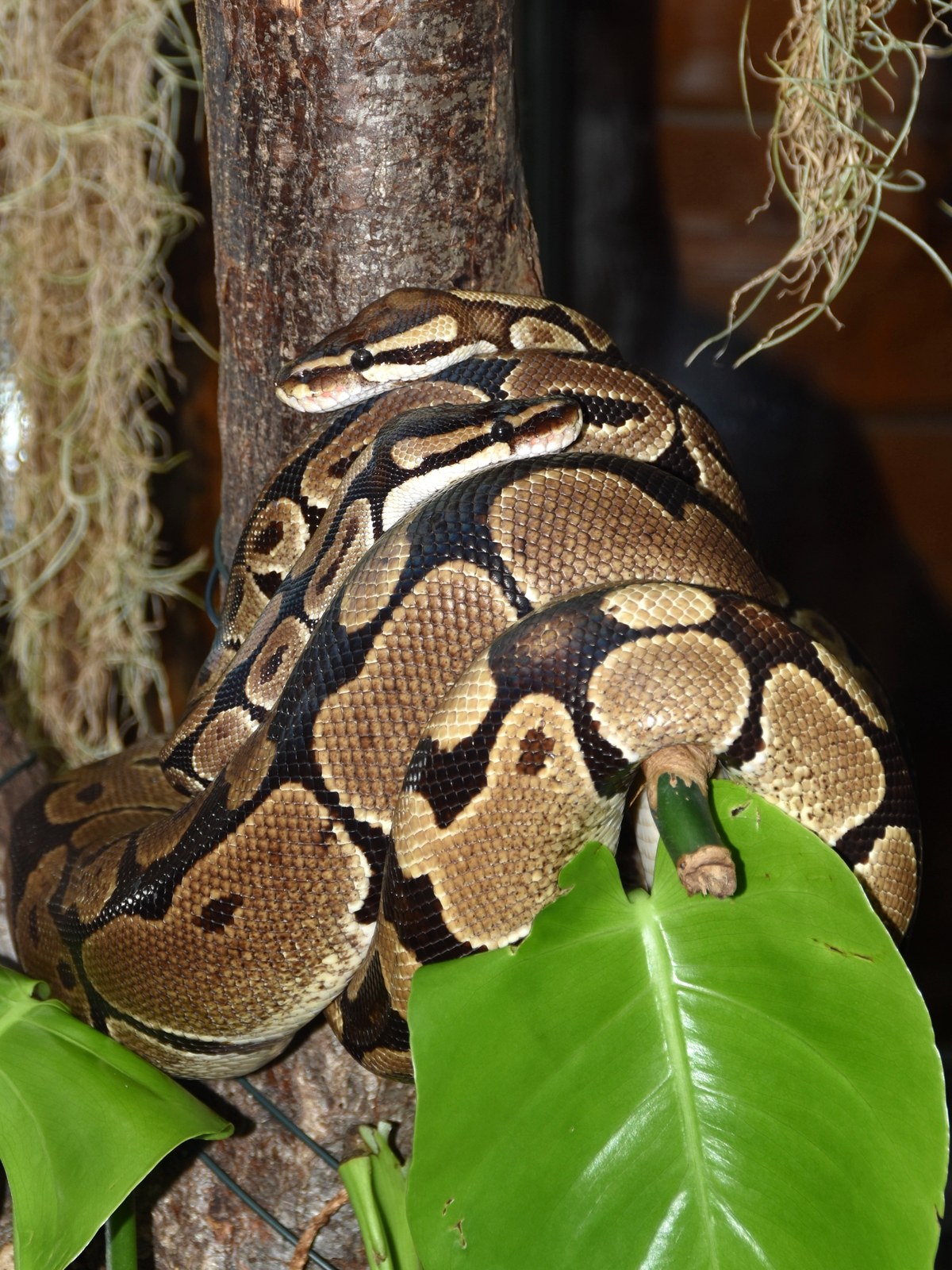
House one gecko alone. Apparent sharing of a favorite hide does not prove friendship, and competition for warmth, food, or shelter can be subtle before injuries appear. Bearded dragons, crested geckos, corn snakes, and ball pythons are comparison options, not compatible enclosure companions. The care and behavior scores on this page are editorial summaries on a zero-to-five scale: higher scores indicate more of the named tendency or demand. They are not clinical measurements, handling promises, or guarantees of compatibility with people or other animals.
Appearance
An adult Leopard Gecko usually measures about 20–25 cm, or 7.9–9.8 inches, in total length including the tail. Individuals vary with sex, ancestry, and growth history, so size alone is not a reliable measure of health. The body sits on sturdy legs, with clawed toes suited to walking and gripping textured surfaces. Unlike many familiar climbing geckos, this species has no adhesive toe pads. It cannot walk up smooth glass, but it can still climb rough furnishings and escape through an unsecured door or poorly fitted ventilation gap.
Movable eyelids are another distinctive feature. A Leopard Gecko blinks and closes its eyes; it does not have the transparent eye caps found in snakes and some other geckos. Persistent squinting, swelling, or debris around an eye therefore calls for careful assessment rather than an attempt to remove an imagined eye cap. The skin combines fine scales with raised bumps. Juveniles often show stronger bands, while many adults develop the spots that inspired the common name. Captive morphs can alter pigment and pattern substantially, including pale animals that need particular care around lighting.
The tail is a useful place to notice changes, but a very thick tail is not automatically a healthy target. Compare the whole body over time using consistent photographs and weight records. If the original tail is lost, replacement tissue can grow, usually with a different shape, texture, and pattern; regeneration does not undo the stress or injury. During shedding the skin may look dull or whitish. Inspect toes and the tail tip afterward without peeling retained skin, and ask a reptile veterinarian about persistent constricting patches or eye involvement.
Photo credits: George Chernilevsky (Public domain (copyright holder release; PD-self, not CC0)). Images resized and compressed for web display. Each image retains its linked license.
Living With
Living with a Leopard Gecko means maintaining a small, carefully monitored habitat for a potentially long-lived animal. Budget for an adult enclosure at least 91.4 × 45.7 × 45.7 cm, equivalent to 36 × 18 × 18 inches in length, width, and height, with larger usable floor space preferred. Include protected heating, low-intensity UVB, independent measuring equipment, and several retreats. The dry warm hide, dry cool hide, and humid hide serve different purposes. Buying a gecko first and discovering these requirements afterward often produces avoidable stress and expense.
Daily work includes checking the animal and equipment, refreshing drinking water, removing waste, and maintaining the humid hide without wetting the entire enclosure. Growing juveniles typically need small insect meals daily; healthy adults often start with meals every 2–3 days, adjusted to body condition. You must be comfortable keeping feeder insects healthy and following a calcium, D3, and multivitamin plan that matches the lighting. Arrange a reptile-experienced veterinarian before a problem develops, and teach a backup caregiver the actual measurement points rather than asking them merely to turn the lamp on.
This is not a pet that needs a cage mate or daily cuddling. Brief voluntary contact can be rewarding, but observation may be the better interaction for a cautious individual. Reptiles can carry Salmonella while looking healthy, so wash hands after contact, keep enclosure equipment out of food-preparation areas, and never kiss the gecko. Children under five and people with weakened immune systems face greater infection risk and should avoid handling reptiles or their equipment. An adult must remain responsible for welfare, hygiene, feeding, and veterinary decisions.
Adult habitat planning: These are species-specific care recommendations, not legal minima or universal settings. Measure the listed locations, provide a gradient and shaded retreat, and adapt with a reptile veterinarian.
Use a suitable thermostat and separate measurement devices. A basking surface reading is not an air temperature. Housing recommendations are for one animal, not a mixed-species enclosure.
At a Glance
Scores describe general care tendencies only, not temperature or humidity requirements or guarantees of compatibility.
Ownership Guide
House one adult alone in at least 91.4 × 45.7 × 45.7 cm (36 × 18 × 18 in), L × W × H, with larger usable space preferred. Provide dry warm and cool hides, a separate humid hide, covered routes, and stable low climbing surfaces; never rely on a lack of adhesive toe pads to prevent escape.
Measure warm air at 28–30°C (82.4–86°F), cool air at 24–26°C (75.2–78.8°F), and the basking surface separately at 34–36°C (93.2–96.8°F). Provide measured UVI 0.5–0.7 with full shade and 12 hours of daytime light, taking extra care with albino or light-sensitive geckos. Use thermostats and lamp guards, with a routine overnight air target of 18–20°C (64.4–68°F) and no colored night lights.
Keep daytime background RH around 30–40% while maintaining a separate humid hide around 70–80% RH and fresh drinking water. Most substrate should remain dry and ventilated; inspect toes, eyelids, and the tail tip after shedding without peeling stuck skin or giving routine baths. Persistent retained skin, swelling, discoloration, or eye problems need a reptile veterinarian.
Offer varied gut-loaded insects daily to growing juveniles and approximately every 2–3 days to healthy adults, adjusting portions to body condition. Lightly calcium-dust feeders immediately before feeding and coordinate D3 and multivitamins with measured UVB, product directions, and veterinary guidance rather than stacking supplements. Remove uneaten insects and avoid fruit diets or fatty worms as staples.
Approach from the side and let a settled gecko step onto supported hands held low over a secure surface. Stop if it retreats, tenses, vocalizes, or tries to escape; never grab the tail, which may regrow differently after loss. Keep other pets away and do not use forced handling or cohabitation as socialization.
Record weight, feeding, droppings, shedding, and equipment readings, and arrange preventive care with a reptile-experienced veterinarian. Wash hands after contact, clean equipment away from kitchens, and isolate new reptiles with separate tools under a veterinary quarantine plan. Healthy-looking reptiles can carry Salmonella, with extra precautions needed for young children and immunocompromised people.
Wellness
Weakness, tremors, swollen limbs, jaw changes, or difficulty walking require urgent reptile-veterinary advice. Prevention combines suitable heating, measured UVB, feeder nutrition, and coordinated calcium and vitamin D3 rather than indiscriminate extra powder.
Skin rings around toes or the tail tip can restrict circulation, while squinting or eyelid debris may indicate irritation or disease. Provide an effective humid hide and seek veterinary help for persistent patches, swelling, discoloration, or eye involvement; never peel skin or attempt eye-cap removal.
Repeated straining, a swollen abdomen, vomiting, or absent droppings with reduced appetite needs prompt veterinary assessment. Check the measured gradient and remove ingestion hazards, but do not use oil, abdominal massage, forced bathing, or force-feeding as home treatment.
A narrowing tail, declining weight, persistent loose droppings, or ongoing food refusal can reflect parasites or other disease and should not be dismissed as seasonal fasting. Quarantine arrivals, keep individual records, and let a veterinarian select fecal tests and treatment rather than using routine dewormers.
Blisters, raw skin, darkened patches, bleeding, or an injured tail require prompt veterinary contact. Prevent these with guarded thermostatic heating, stable furnishings, solitary housing, and gentle handling; do not apply household creams or assume a regrowing tail means the wound is harmless.
A female can produce infertile eggs without a male; persistent straining, swelling, lethargy, or weakness warrants urgent assessment. Provide an appropriate private laying area when advised and never squeeze the abdomen or attempt to remove an egg yourself.
Alert behavior when naturally active, clear open eyes, comfortable walking, and stable body condition are encouraging observations, not a diagnosis. Keep dated records and preventive veterinary appointments so that departures from your gecko's own baseline are recognized early.
Further Reading
Build a better leopard gecko habitat with clear advice on enclosure size, air and surface temperatures, gentle UVB, humid hides, feeding, and daily checks.
Read articleFeed your leopard gecko with a practical plan for juvenile and adult meals, varied insects, gut loading, calcium and D3, water, and healthy body condition.
Read articleRecognize leopard gecko health changes early, from retained shed and weight loss to bone disease, burns, and egg problems, with clear steps for veterinary care.
Read articleUnderstand leopard gecko behavior and build calm handling routines with supported hands, stress signals, tail safety, escape prevention, and solitary housing.
Read articleSupport leopard gecko shedding with a clean humid hide, dry surroundings, careful toe and eyelid checks, and clear guidance on when stuck skin needs a vet.
Read articleDecide whether a leopard gecko fits your household with daily tasks, insect care, long-term budgeting, sitter instructions, hygiene, and family boundaries.
Read articleYou May Also Like
These links are for comparison only, not recommendations to house reptiles together. Keep different species in separate enclosures.