Corn Snake Care Guide: A Secure, Measured Habitat
Build a better corn snake habitat with secure space, measured heat, shaded UVB, a humid hide, and practical daily checks that support natural behavior at home.
Read article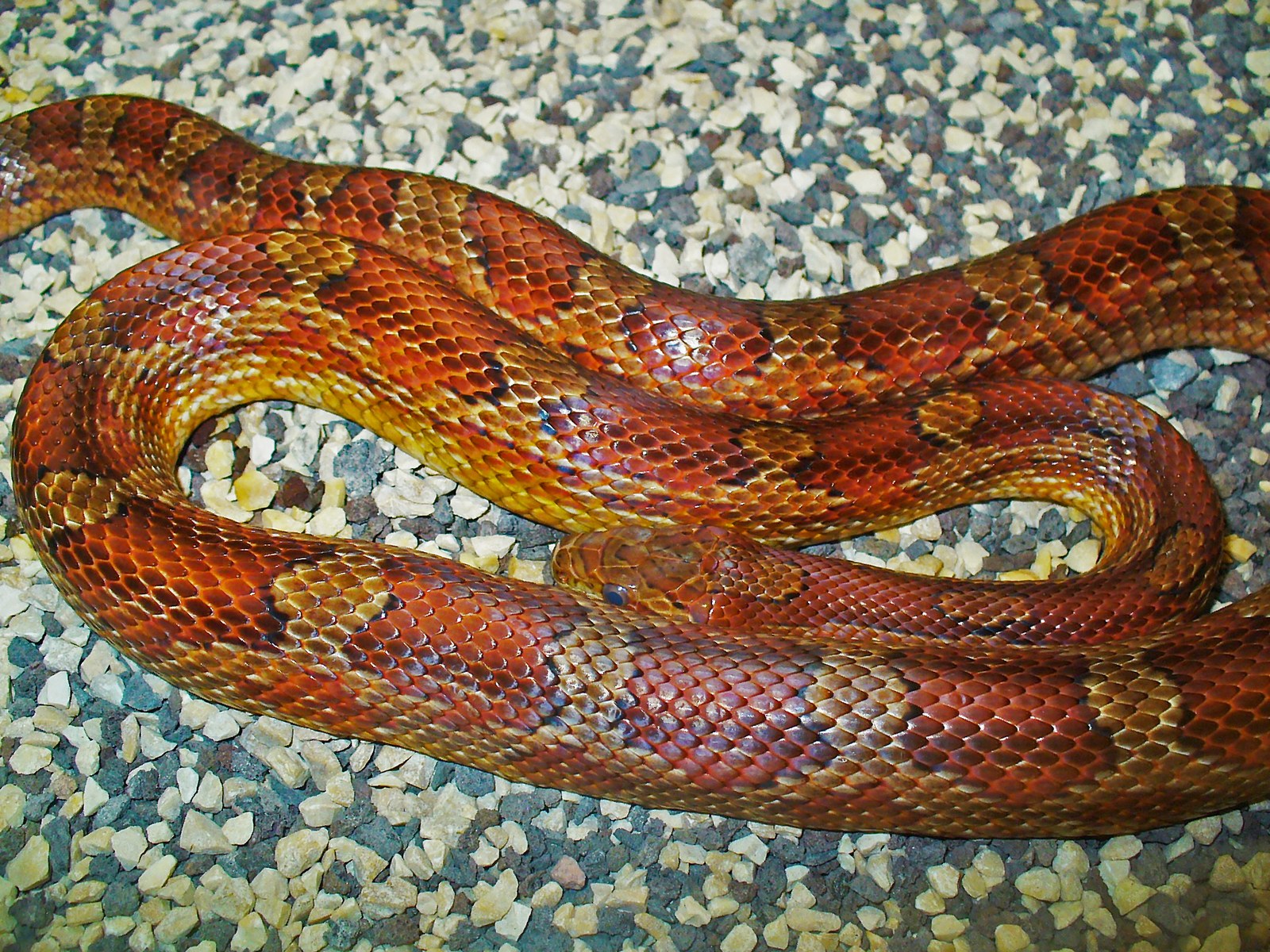
Pantherophis guttatus
An inquisitive North American snake with climbing skills and a need for secure, thoughtful care.
Deep Dive
Natural History
The Corn Snake, Pantherophis guttatus, is a nonvenomous constrictor native to the southeastern United States. Woodland margins, scrub, fields, and human-modified landscapes can provide the combination of cover and small prey that it needs. Its association with grain storage is often linked to hunting rodents around barns, not eating corn. Although commonly described as a ground-dwelling snake, it can climb into vegetation and investigate elevated shelters. This flexible use of space matters in captivity: a bare floor and a single cave cannot reproduce the choices available across a natural home range. Secure branches, sheltered travel routes, and opportunities to burrow turn an enclosure into usable habitat.
Wild activity changes with season, temperature, and local conditions. Corn snakes often emerge near dusk or at night, but a pet exploring during daylight is not automatically behaving abnormally. They use environmental warmth to support metabolism and retreat when exposed conditions become unsuitable. Captive breeding has produced numerous colors and patterns, yet these appearances do not remove the species' need for temperature gradients, darkness, and concealed resting places. Choose a responsibly sourced captive-bred animal with feeding records rather than taking one from the wild. Keeping a corn snake should mean supporting its everyday behaviors, not recreating every seasonal hardship: deliberate winter cooling is unnecessary for routine pet care, and reduced appetite still deserves careful assessment. Never release an unwanted pet; arrange responsible rehoming instead.
Behavior
Corn snakes investigate their surroundings through movement, tongue flicking, and contact with sheltered surfaces. A tongue flick gathers chemical information; it is not a request for food or evidence of affection. Many established individuals become tolerant of calm, supported handling, while hatchlings may move quickly and react defensively to an approaching hand. Temperament varies with the animal, recent experiences, shedding, and the security of its enclosure. A sudden retreat, tense posture, or head drawn back into a defensive curve means the safest response is usually to stop reaching and give the snake space. Repeated exposure that overwhelms the animal is not useful socialization.
Solitary housing makes food intake, droppings, and health changes easier to monitor while avoiding competition for preferred shelters. Corn snakes do not need a companion snake to prevent loneliness, and sharing with a lizard is not appropriate. Offer enrichment through stable climbing structures, textured but nonabrasive surfaces, and cover connecting the warm and cool ends. Change one feature at a time so an animal retains familiar retreats. Constantly pressing at doors or rubbing the snout warrants an enclosure and health check rather than being dismissed as a charming escape habit. The displayed trait scores are editorial summaries of care demands and tendencies, not medical scales or promises about handling. Respecting an individual's choice to remain hidden is often better care than trying to make every interaction visible.
Appearance
A typical wild-type corn snake has reddish or orange dorsal blotches edged with darker pigment, a comparatively slender body, and a patterned underside often described as checkered. Captive color and pattern variants can alter these features dramatically. Some animals have reduced dark pigment, muted markings, or unusual pattern arrangements; color alone therefore cannot establish identity or health. The scientific name Pantherophis guttatus is useful when checking records because common names and older references can cover different rat snakes. Adult total length is commonly around 90–150 cm, or 35–59 inches, with larger individuals possible. Total length includes the tail and should not be confused with measurements ending at the vent.
Assess appearance alongside behavior and a weight record rather than comparing your animal with a single photograph. The body should be smoothly muscular without a sharply prominent spine, sudden swellings, or obvious excess folds. A qualified reptile veterinarian can interpret condition in the context of age and growth. Before shedding, the skin may look dull and the eyes cloudy; both normally change again before the old skin is released. Persistent eye changes, blisters, wounds, or retained skin are not simply cosmetic differences between morphs. Light-sensitive animals, including albinos, also need special attention to UVB exposure and access to full shade. Never pry away an eye cap or pull a tight ring of skin to improve appearance. Professional assessment protects the delicate tissues beneath it.
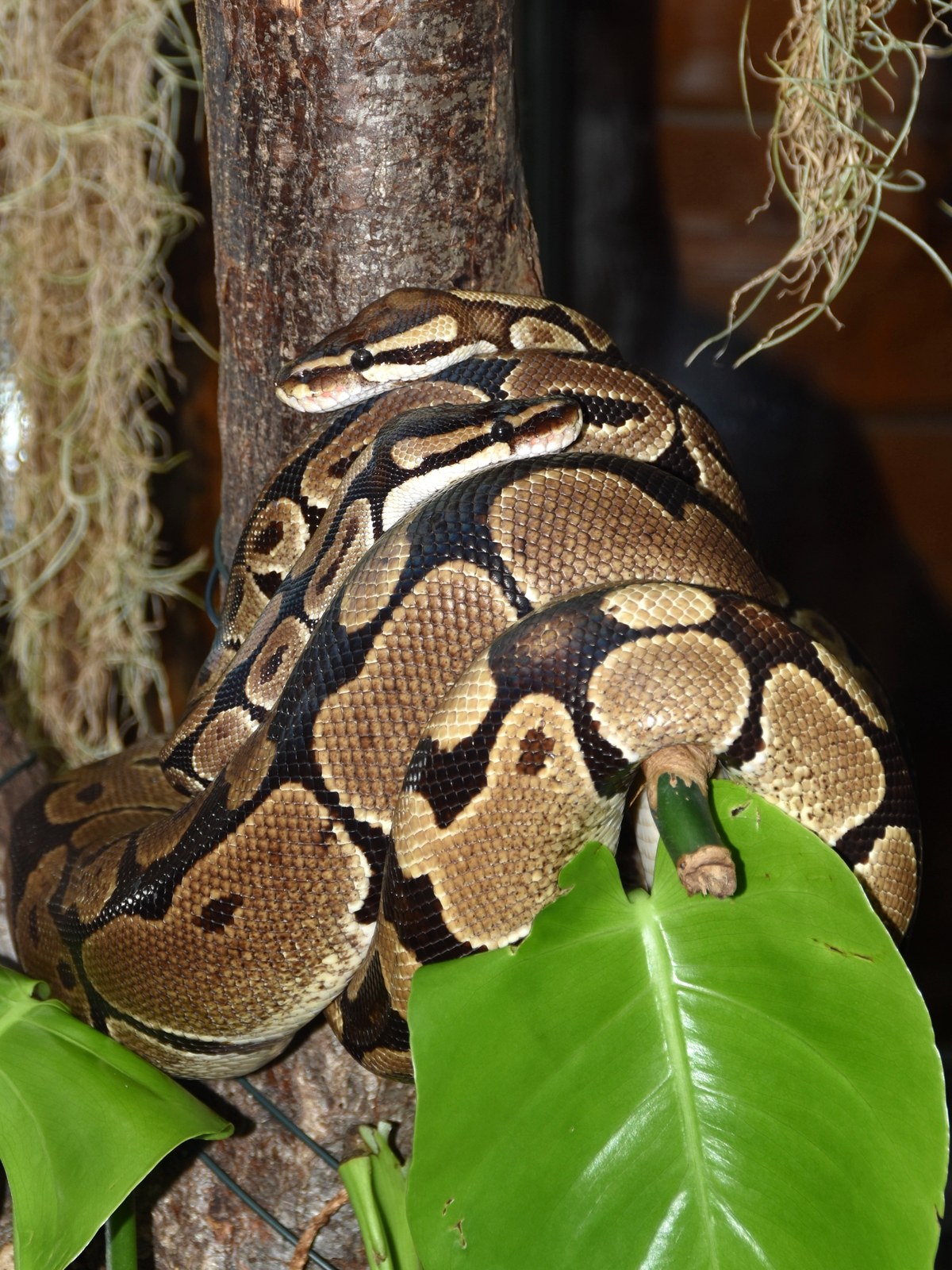
Photo credits: H. Zell (CC BY-SA 3.0 Unported). Images resized and compressed for web display. Each image retains its linked license.
Living With
Living with a corn snake suits people who enjoy quiet observation and can maintain equipment consistently, including on days when the animal stays hidden. Plan for around 10–15 years of captive care, with the possibility of a longer commitment. Its enclosure needs enough internal length for complete straightening, secure climbing opportunities, and locks that work reliably after every opening. Daily responsibilities include checking measured conditions, replacing water, removing waste, and confirming that doors and vents remain secure. Feeding is less frequent than for many household pets, but that does not make the care automatic. A regular written record helps distinguish ordinary variation from a developing problem.
Everyone sharing the home should understand the use of pre-killed whole rodents and the need to store and prepare them separately from human food. Healthy reptiles and their feeders can carry Salmonella, so handwashing and kitchen separation are essential. Children under five, older adults, and people with weakened immune systems face greater consequences from infection; discuss household suitability before acquiring the snake. An adult must remain responsible for all care and any supervised handling. Keep cats, dogs, and other reptiles physically separate. Budget for the full enclosure, thermostats, measurement tools, lamp replacement, electricity, and access to a reptile veterinarian, not merely the purchase price. Arrange a trained backup caregiver and a transport plan before travel or illness creates an urgent gap in care. The reward is observing a capable reptile behave securely, not expecting constant companionship.
Adult habitat planning: These are species-specific care recommendations, not legal minima or universal settings. Measure the listed locations, provide a gradient and shaded retreat, and adapt with a reptile veterinarian.
Use a suitable thermostat and separate measurement devices. A basking surface reading is not an air temperature. Housing recommendations are for one animal, not a mixed-species enclosure.
At a Glance
Scores describe general care tendencies only, not temperature or humidity requirements or guarantees of compatibility.
Ownership Guide
Start with 150 × 60 × 60 cm of usable adult enclosure space and increase length whenever the snake cannot straighten fully. Secure every opening, provide stable branches and shelters at both ends, and keep one snake per enclosure.
Measure warm air at 28–30°C and cool air at 20–24°C separately from a basking surface near 32°C; use thermostatic heat control and inaccessible lamps. Provide a measured UVI gradient of about 1.0 to 0 in shade, with a lower albino maximum of 0.7, and a 12-hour light cycle.
Use a baseline enclosure RH around 40–50% with a lightly damp humid hide, fresh water, and dry ordinary resting surfaces. Investigate repeated poor sheds with a reptile veterinarian; never peel skin or eye caps.
Offer fully thawed pre-killed whole rodents: hatchlings about every 5–6 days, juveniles every 7–10 days, and many adults every 14–21 days, adjusted to body condition. Good-quality whole prey generally needs no routine calcium or D3 dusting; review supplements with a reptile veterinarian rather than copying insect-eating lizard care.
Support the body with open hands and end contact when the snake becomes tense or repeatedly tries to flee. Wait at least 48 hours after feeding, avoid handling during shedding, and never force interaction to overcome fear.
Wash hands with soap and water after handling the snake, feeders, waste, or equipment, and keep these away from kitchens. Arrange reptile veterinary care and quarantine advice for new animals; breathing difficulty, prolapse, serious injury, or marked weakness needs urgent attention.
Wellness
Open-mouth breathing at rest, bubbles, repeated wheezing, or obvious breathing effort requires urgent reptile veterinary assessment. Check recorded temperatures and ventilation, but do not substitute extra heat, steam, or home medication for care.
Persistent skin around the tail tip or an eye after shedding warrants prompt advice, particularly with swelling or discoloration. Review hydration and the humid hide without pulling skin, peeling eye caps, or forcing baths.
Blisters, raw patches, dark damaged scales, or wounds can follow hot equipment, wet surfaces, or other disease. Prevent heat contact and waterlogged bedding, and seek veterinary assessment rather than applying household creams.
Regurgitation, repeated refusal, or appetite loss with weight decline calls for reptile veterinary advice; a hatchling needs an earlier review than a stable adult. Verify temperatures and prey size, and never respond with live rodents, forced feeding, or automatic winter cooling.
A sharply prominent spine, unexpected weight loss, or accumulating body folds deserves assessment against the feeding record. Adjust meals with qualified guidance rather than power-feeding, crash fasting, or using a fixed age chart as a diagnosis.
Moving dark specks, unusually prolonged soaking, or persistent changes in droppings can indicate parasites or another problem. Isolate new or affected snakes, use separate tools, and ask a reptile veterinarian about examination and testing; avoid household pesticides.
Smooth intact skin, quiet breathing, stable appropriate body condition, and the animal's usual pattern of exploration are reassuring observations, not proof of freedom from disease. Daily notes and periodic veterinary review help detect change, while Salmonella precautions remain necessary even when the snake looks well.
Further Reading
Build a better corn snake habitat with secure space, measured heat, shaded UVB, a humid hide, and practical daily checks that support natural behavior at home.
Read articlePlan corn snake meals around age, prey size, and body condition. Learn safe thawing, sensible intervals, supplement decisions, and when refusals need a vet.
Read articleRecognize corn snake health changes, from breathing trouble and retained shed to weight loss. Build records, quarantine safely, and know when to call a vet.
Read articleUnderstand corn snake body language and build calm handling habits. Learn when to pause, how to support movement, and how to prevent escapes during daily care.
Read articleHelp your corn snake shed with fresh water, a lightly damp hide, and dry resting areas. Learn normal changes, warning signs, and why peeling skin is unsafe.
Read articleConsider everyday life with a corn snake, from secure housing and frozen prey to family hygiene, travel cover, realistic budgeting, and a long-term care plan.
Read articleYou May Also Like
These links are for comparison only, not recommendations to house reptiles together. Keep different species in separate enclosures.