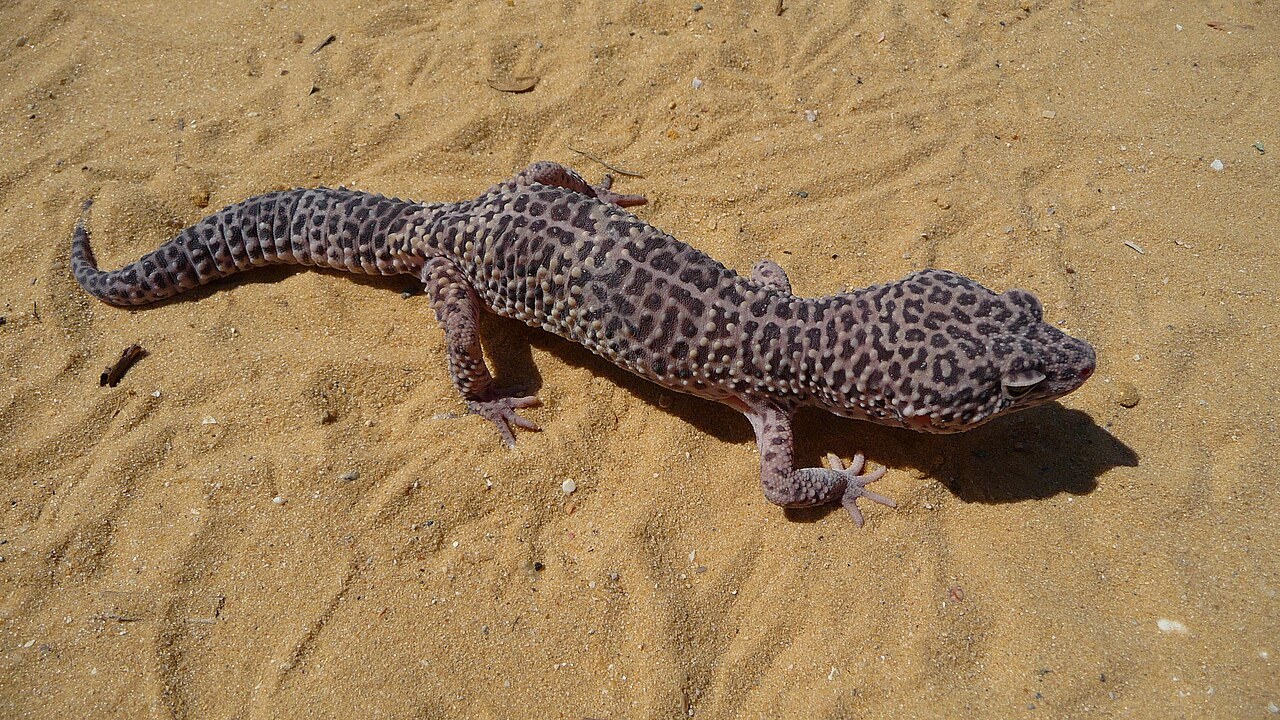
Leopard gecko feeding is more than choosing a box of worms. The meal includes the insect's own nutrition, the powder on its surface, and the gecko's ability to digest food under appropriate heating. Age and body condition matter more than a universal insect count. Build a simple, recorded routine that supports steady growth in youngsters and avoids chronic overfeeding in adults.
Build a varied insect menu
Leopard geckos are insectivores. Use several suitable captive-bred feeder types over time, such as crickets, appropriately sized locusts where legal, suitable roaches, and other commercially raised insects. Mealworms can contribute to variety, but one convenient feeder should not become the entire diet. Different insects have different nutritional profiles, which is one reason variety and supplementation belong together.
Select prey the gecko can catch and swallow comfortably. As a conservative practical guide, choose insects no wider than the space between its eyes, accounting for bulky bodies and hard coverings rather than relying on length alone. Watch swallowing and reduce prey size if the animal struggles. A feeding animal should not have to wrestle with oversized prey to meet its nutritional needs.
Waxworms and similarly fatty larvae are occasional extras, not the foundation of a menu. Do not use wild-caught insects, potentially pesticide-exposed bugs, fireflies, or unidentified prey. Fruit, salad, and fruit-based crested gecko powders are not appropriate staples. A Leopard Gecko does not share the adult dietary balance of a bearded dragon just because both are pet lizards.
Match meal frequency to growth and condition
Offer growing juveniles small meals daily. For a healthy adult, start with a representative meal every 2–3 days and adjust according to body condition, activity, and veterinary advice. Life stage is not determined by a birthday alone: a small recovering adult and a thriving growing youngster may need different plans. Avoid a fixed insect count that ignores prey size and nutritional density.
Present a modest portion, observe interest and comfortable swallowing, and remove leftovers. Record what was actually eaten rather than what you offered. If an adult steadily gains excess condition, review total intake and feeder choices before simply stretching fasting intervals. If weight is falling, do not reduce food because an online schedule says all adults should eat less.
Weigh the gecko on a suitable digital scale using a secure container and a calm, consistent routine. For a settled healthy animal, regular comparable measurements are more useful than repeated daily disturbance. Photographs from above and the side help reveal changes in the body and tail. A thick tail is an energy store, not a complete health score.
Gut-load feeders before they reach the dish
Gut loading means nourishing the feeder insect so its contents contribute to the predator's meal. Keep insects in clean, ventilated housing with species-appropriate hydration and food, then offer a suitable formulated gut-loading diet for 24–48 hours before feeding. Do not assume insects straight from a shipping tub have been adequately prepared. An empty, dehydrated feeder is a poor delivery system for nutrients.
Follow the feeder-diet directions and remove moldy material promptly. Safe vegetables may provide moisture for suitable feeder species, but scraps alone are not necessarily a balanced gut-loading program. Avoid exposed deep water dishes that drown insects. Healthy feeder husbandry also reduces dead insects, unpleasant odors, and the temptation to feed questionable stock because a delivery was delayed.
- Keep a small dated inventory of feeder species and sizes.
- Prepare the next meal's feeders ahead of time.
- Discard dead or visibly unhealthy insects.
- Clean feeder containers away from food-preparation areas.
- Use dedicated tools rather than household serving utensils.
Coordinate calcium, D3, and UVB
Lightly dust feeder insects with an appropriate calcium supplement immediately before offering them. The coating should be light rather than a thick crust. Many common feeder insects are calcium-poor relative to phosphorus, so variety alone does not remove the need for a considered mineral plan. Calcium cannot work independently of vitamin D status, suitable temperatures, and the rest of the diet.
This care plan uses measured basking UVI 0.5–0.7 with full shade and a 12-hour daytime lighting period. Reliable UVB generally reduces the need for oral D3, but an animal that avoids exposure or lives under an ineffective lamp may not receive what the label suggests. Albino and other light-sensitive geckos need individual review and generous shelter, not forced basking to solve a supplement question.
Use plain calcium, any D3-containing supplement, and a reptile multivitamin as one coordinated program. Formulations differ substantially, so there is no universal scoop or dusting schedule that fits every brand. Photograph all labels for your reptile veterinarian, including combined products. Some multivitamins already contain D3 or calcium; adding another fortified powder can duplicate ingredients without improving nutrition.
Make mealtimes safe and provide water
Feed when your gecko is naturally becoming active and the daytime gradient is established. Warm-end air should be 28–30°C (82.4–86°F), cool-end air 24–26°C (75.2–78.8°F), and the separately measured basking surface 34–36°C (93.2–96.8°F). Do not solve poor digestion by raising every surface or eliminating the cool retreat. Heating must remain thermostatically controlled and independently checked.
Use a clean feeding surface or a smooth-sided dish appropriate to the insect. If using feeding tongs, avoid presenting hard tips in a way the gecko may strike, and never force its mouth open. Remove uneaten insects after the meal, especially before the gecko rests. Crickets left loose can hide, lose their supplement coating, and bite the animal.
Keep shallow fresh drinking water available continuously and replace it daily or whenever contaminated. Insects contain moisture, but that does not justify withholding a water bowl. The humid hide supports moisture choice and shedding; it does not replace drinking water. Routine bathing, syringing water into the mouth, and force-feeding are not substitutes for identifying a problem.
Investigate appetite changes without panic or delay
A single missed meal in an otherwise alert, stable adult is different from food refusal accompanied by declining weight, diarrhea, weakness, or abdominal swelling. Check recent shedding, disturbance, enclosure readings, feeder quality, and changes in routine. Keep the observations together so a veterinarian can distinguish a brief disruption from a developing illness. Juveniles have less margin for prolonged poor intake.
Do not automatically label reduced appetite as brumation, even during cooler months. Parasites, reproductive problems, mouth disease, unsuitable temperatures, and other illnesses can all affect feeding. Ongoing refusal, repeated vomiting, abnormal droppings, or weight loss needs veterinary assessment. Breathing difficulty or collapse is urgent regardless of when the gecko last ate.
Bring your feeding record, recent weights, supplement labels, and measured lighting information to the appointment. A clinician may request a fresh fecal sample and will advise how to collect it. Avoid buying dewormers or increasing vitamins before the cause is known. The strongest nutrition plan is one you can explain, repeat, and adjust from evidence rather than appetite alone.
Continue reading: Leopard Gecko Health Issues: Warning Signs and Prevention.
Sources and further reading:
- RSPCA — Leopard gecko
- ReptiFiles — Leopard Gecko Lighting, Heating & Humidity
- ReptiFiles — Leopard Gecko Enclosure Size Requirements
- ReptiFiles — Leopard Gecko Food
- Merck Veterinary Manual — Management and Husbandry of Reptiles
Photo credits: George Chernilevsky (Public domain (copyright holder release; PD-self, not CC0)). Images resized and compressed for web display. Each image retains its linked license.

