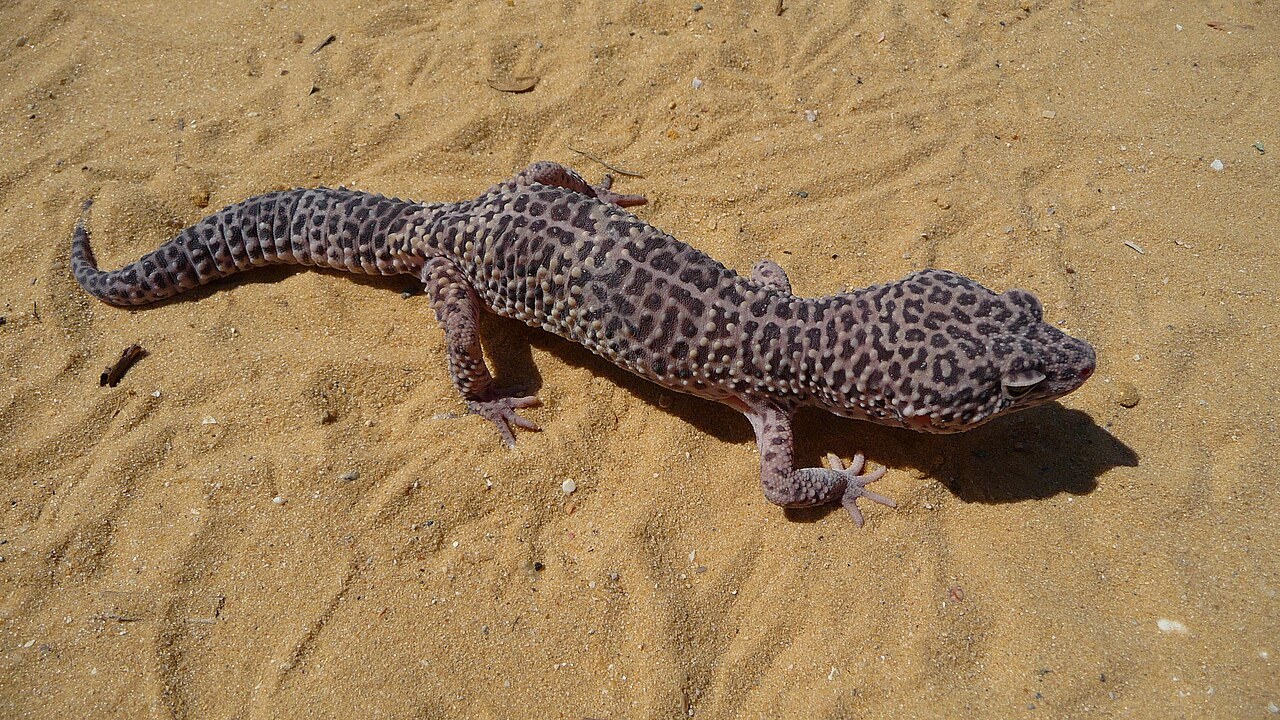
Living with a Leopard Gecko can be quietly rewarding: an evening appearance at the hide entrance, deliberate exploration, and familiar feeding routines. It also means managing heat, light, insects, sanitation, and veterinary decisions for many years. Before bringing one home, picture an ordinary busy week rather than only the first exciting day. A good match depends on whether the household can sustain the routine.
Decide whether the lifestyle suits your home
Leopard geckos are mainly crepuscular, so much of their visible activity may happen around your evening routine rather than at midday. Some accept brief supported handling, while others prefer to watch from cover. If you want a pet that seeks frequent cuddling or enjoys being passed between visitors, this species may not meet that expectation. Observation is a valid form of companionship.
Plan for about 10–20 years in captivity with suitable care, without treating that range as a promise. Consider likely moves, education, changing work hours, and future restrictions on keeping animals. The gecko's needs will continue after a child's initial enthusiasm changes. Identify the adult responsible for welfare, expenses, record keeping, and arranging veterinary care from the beginning.
You also need to be comfortable maintaining live feeder insects. A household that cannot store, nourish, and safely contain feeders should reconsider before purchasing the gecko. Discuss where equipment will be cleaned and stored, who can help during illness or travel, and whether the home can accommodate a suitable adult enclosure away from kitchens and other pets.
Budget for a habitat, not just an animal
Use an adult enclosure at least 91.4 × 45.7 × 45.7 cm (36 × 18 × 18 in), length, width, and height, with larger usable floor space preferred. Budget for secure construction, ventilation, dry warm and cool hides, a humid hide, and stable low enrichment. Housing one gecko alone avoids competition; purchasing a second animal means providing another complete setup, not just another feeding dish.
Heating and lighting require compatible thermostatic control, lamp protection, a timer, and independent measuring equipment. This plan uses a conservative basking UVI of 0.5–0.7 with full shade and 12 hours of daytime light. Access to a suitable UVI meter or competent measurement service is valuable because bulb percentages cannot describe actual exposure. Albino or light-sensitive geckos may need individualized advice.
Recurring costs include electricity, feeder food, insects, supplements, cleaning supplies, replacement lamps, and veterinary care. Prices vary by location and setup, so build a local budget rather than relying on a universal purchase total. Keep an emergency reserve. A cheap enclosure that cannot hold a gradient or secure its fittings may cost more to correct than a suitable system bought initially.
Create a daily routine that survives busy weeks
Check the animal and equipment every day, including days without a meal. Warm-end air should be 28–30°C (82.4–86°F), cool-end air 24–26°C (75.2–78.8°F), and the separately measured basking surface 34–36°C (93.2–96.8°F). Record where readings are taken. A thermostat reading is not a substitute for independent measurements, and a displaced probe can change the system's behavior.
Refresh shallow drinking water and remove waste or escaped feeders. Keep daytime background RH around 30–40% while maintaining the separate humid hide around 70–80% RH. Most substrate should remain relatively dry. Check that hiding places have not shifted and doors close correctly. Overnight, the routine air target is 18–20°C (64.4–68°F), with no colored lights.
- Observe posture, eyes, and movement when the gecko is naturally active.
- Confirm water availability and clean any contamination.
- Verify temperatures, humidity, and equipment function.
- Feed according to the individual plan and remove leftovers.
- Log concerns and wash hands after enclosure work.
Make feeding and health records manageable
Growing juveniles generally need small insect meals daily; healthy adults can start with meals every 2–3 days, adjusted to body condition. Plan feeder purchases so insects can be properly nourished and gut-loaded for 24–48 hours before use. A varied menu is easier to maintain with a modest inventory than by repeatedly buying whatever happens to be available on feeding night.
Keep the calcium, D3, and multivitamin program written down with actual product names and label directions. Reliable measured UVB generally reduces oral D3 needs, but formulations differ and combined products can overlap. Ask a reptile veterinarian to review the plan rather than letting different family members add their preferred powders. Do not substitute fruit-based gecko food when feeders run short.
Record weight, meals eaten, droppings, and shedding in a concise log. Long essays are unnecessary; consistent observations are what make trends visible. A narrowing tail, continued food refusal, unusual droppings, or repeated retained skin deserves investigation. Arrange preventive veterinary care and know which clinic can help urgently, especially before weekends or travel when access may be more limited.
Set boundaries for children, visitors, and other pets
Reptiles can carry Salmonella without appearing sick. Wash hands with soap and water after handling the gecko, waste, or equipment, and keep cleaning supplies separate from food utensils. Do not kiss the animal or let it roam over eating surfaces. Choose a maintenance area outside the kitchen and clean contaminated household surfaces appropriately after any accidental contact.
Children under five and people with weakened immune systems should avoid handling reptiles or their equipment. Older children need direct adult supervision and should remain seated near a safe low surface during any appropriate handling. The responsible adult must be ready to end contact when the gecko retreats or struggles. No child should be expected to interpret medical warning signs alone.
Leopard geckos have no adhesive toe pads, but they can still climb rough objects and escape. Secure the enclosure after every interaction and keep other pets physically separated, not merely supervised from across the room.
Prepare holiday care and long-term handovers
Arrange a trained caregiver for daily checks when you travel. Adult feeding intervals do not justify leaving water, heating, and welfare unobserved. Demonstrate the actual probe positions, humid-hide maintenance, door locks, and feeding method. Let the caregiver perform a complete practice visit while you are present, because written instructions can hide assumptions that only become obvious during a real task.
Provide emergency contacts, veterinary authorization where appropriate, and a plan for equipment failure or loss of power. Do not instruct a sitter to improvise with heat rocks, direct hot packs, or colored bulbs. Ask them to contact you and the veterinary clinic when safe conditions cannot be maintained. A timer and thermostat are useful controls, not substitutes for someone noticing that an animal is unwell.
For a move or permanent handover, transfer the health history, supplement plan, equipment specifications, and environmental records with the gecko. Research any transport or local keeping requirements before the date. Bearded dragons, crested geckos, corn snakes, and ball pythons are alternative pets to research separately, not companions to add later. Responsible ownership means preserving this individual's care even when the household's plans change.
Continue reading: Leopard Gecko Care Guide: Build a Safe, Measured Habitat.
Sources and further reading:
- RSPCA — Leopard gecko
- ReptiFiles — Leopard Gecko Lighting, Heating & Humidity
- ReptiFiles — Leopard Gecko Enclosure Size Requirements
- ReptiFiles — Leopard Gecko Food
- Merck Veterinary Manual — Management and Husbandry of Reptiles
Photo credits: George Chernilevsky (Public domain (copyright holder release; PD-self, not CC0)). Images resized and compressed for web display. Each image retains its linked license.

