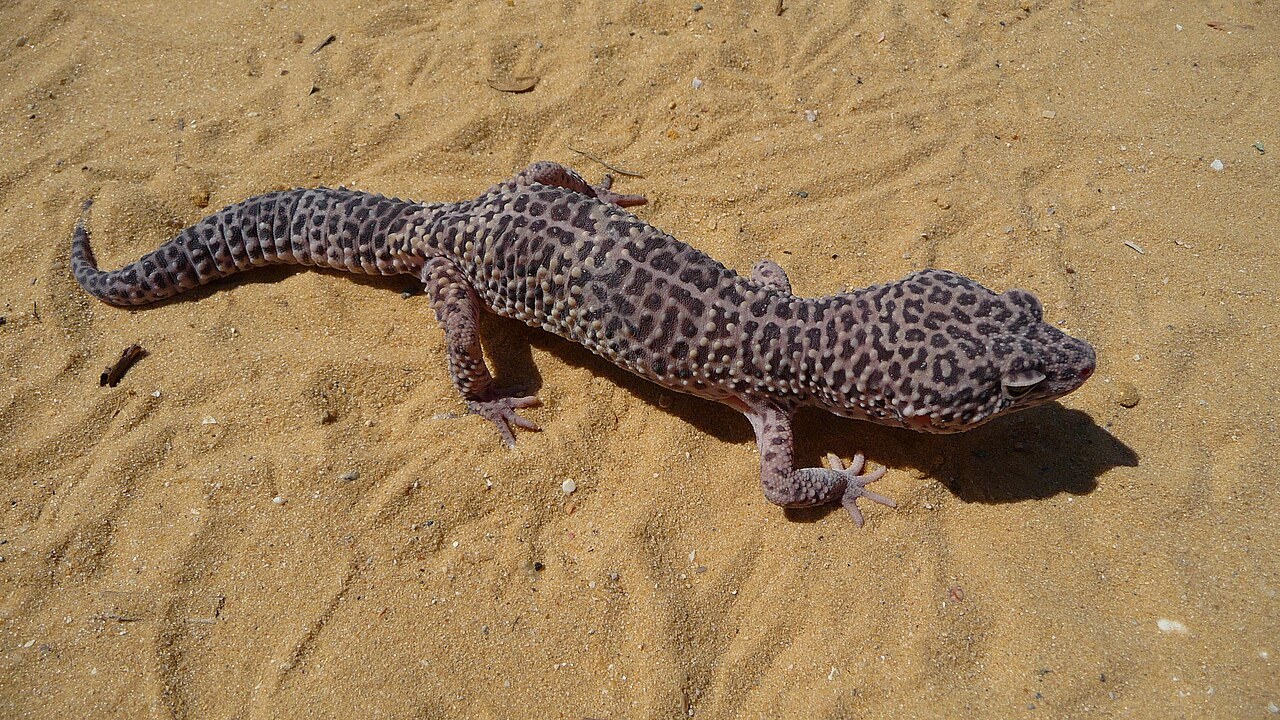
Leopard gecko health problems are easier to recognize when you know the animal's normal pattern. A gecko resting through daylight may be behaving normally; one that becomes weak, loses weight, or struggles to breathe needs a different response. This guide helps you notice changes and organize care, but it cannot diagnose an individual animal or replace an examination by a reptile-experienced veterinarian.
Establish a baseline before illness develops
Arrange a preventive appointment after acquiring your gecko and follow the veterinarian's advice about subsequent reviews. Record weight, typical food intake, droppings, shedding, and activity at the times the animal naturally emerges. Clear eyes, comfortable movement, and stable condition are encouraging, but reptiles can conceal illness. A familiar baseline makes subtle deterioration easier to explain than a general impression that something seems wrong.
Take comparable photographs without repeatedly restraining the animal. Note the shape of its body and tail, whether it can lift itself comfortably, and whether the mouth closes normally. Keep a separate record of warm-air, cool-air, basking-surface, and humidity readings. A thermostat display alone cannot establish that the animal's environment is correct, especially after a probe moves.
Find an emergency clinic willing to see reptiles before you need one. Ask about transport and after-hours arrangements rather than assuming every veterinary practice provides the same service. Keep a secure ventilated transport container ready. For an ill gecko, seek advice about maintaining safe warmth in transit without direct contact with a hot pack or an unregulated heat source.
Recognize urgent warning signs
Breathing difficulty, collapse, seizures, major bleeding, or severe weakness require urgent help. Tissue protruding from the vent is also urgent; do not push it back or apply household treatments. A gecko that cannot walk normally, has a suspected fracture, or shows a rapidly worsening wound should not wait for the next routine feeding day before you call a veterinarian.
Repeated vomiting, a swollen abdomen, persistent straining, or absent droppings together with poor appetite can indicate serious digestive or reproductive trouble. These signs do not establish a diagnosis of impaction. Calling every digestive change a blockage can delay treatment for another condition, while assuming a bloated gecko is merely full can be equally misleading.
- Describe when the change began and whether it is worsening.
- Give recent weights and what was actually eaten.
- Report measured conditions and any equipment failure.
- Mention possible falls, escaped feeders, or swallowed material.
- Ask the clinic how soon the animal should be examined.
Prevent nutritional bone disease and heat injuries
Metabolic bone disease describes disorders affecting mineral balance and skeletal health. In captive geckos, inadequate calcium, inappropriate vitamin D provision, and ineffective husbandry can contribute. Tremors, swollen limbs, weakness, jaw changes, or difficulty supporting the body need urgent veterinary advice. Simply adding more powder is not an adequate response to a possible fracture or established metabolic disease.
Prevention joins several systems: varied gut-loaded insects, appropriate calcium, a coordinated D3 and multivitamin plan, and measured low-intensity UVB. This guide uses basking UVI 0.5–0.7 with full shade. Albino and other light-sensitive animals need especially careful exposure review. Do not force an uncomfortable gecko under a lamp or combine multiple fortified supplements without checking the ingredients.
Burns are another preventable risk. Control every heat source with a compatible thermostat and keep lamps physically inaccessible. Check the basking surface separately at 34–36°C (93.2–96.8°F), not by touching it with your hand. Blisters, raw patches, darkened skin, or unusual avoidance of the warm area need veterinary assessment. Never use heat rocks or apply household creams to a suspected burn.
Take shedding, skin, and eye changes seriously
A Leopard Gecko may look pale before shedding and often eats the old skin. Inspect the toes, tail tip, and eyelids afterward without restraining the animal unnecessarily. Persistent rings of skin around a toe can restrict circulation. Swelling, discoloration, or an apparently damaged toe warrants prompt contact with a reptile veterinarian, even if the gecko continues eating.
Keep daytime background humidity around 30–40% and a separate humid hide around 70–80% RH. That localized retreat matters even in an otherwise relatively dry enclosure. Confirm actual conditions instead of assuming a damp-looking hide works. Replace soiled lining and maintain ventilation; soaking the whole habitat is not an appropriate substitute for a clean humid microclimate.
Leopard geckos have movable eyelids, not removable snake-style eye caps. Squinting, discharge, swelling, or material around the eyelids can have several causes, including retained skin, injury, or nutritional problems. Do not probe the eye, peel tissue, or use unprescribed eye drops. Repeated shedding trouble should trigger a broader review rather than an endless series of improvised baths.
Investigate weight loss, parasites, and reproductive concerns
A narrowing tail or steadily falling weight needs attention even when a gecko still accepts occasional food. Parasites are one possibility, but poor temperatures, mouth problems, systemic illness, and other conditions can produce similar signs. Persistent loose droppings, ongoing refusal, or declining strength deserves assessment. Do not assume that an animal arriving thin simply needs unrestricted fatty worms.
A veterinarian may request fecal testing and will explain collection and handling. One result does not automatically answer every possible disease question, so follow the clinician's interpretation and any recommended repeat testing. Never use a generic deworming schedule or treat all geckos with the same product because they came from the same seller. Isolation and records are safer starting points.
Females can develop infertile eggs without living with a male. Changes in appetite or digging may accompany reproduction, but weakness, prolonged straining, or marked swelling must not be dismissed as routine laying behavior. Ask about an appropriate private laying area and prompt examination when signs are concerning. Do not squeeze the abdomen, palpate repeatedly, or try to remove an egg yourself.
Quarantine arrivals and protect the household
Keep a new reptile in a separate enclosure, ideally a separate room, with dedicated tools and a veterinary quarantine plan. General veterinary guidance commonly uses months rather than a few apparently healthy days; the appropriate duration depends on history and test results. Attend to established healthy animals before the newcomer, and wash hands between enclosures. Never use shared housing to introduce geckos.
Reptiles can carry Salmonella while appearing healthy. Wash hands with soap and water after handling the animal, waste, or equipment; do not kiss the gecko or clean its supplies in food-preparation areas. Children under five and people with weakened immune systems should avoid contact with reptiles and their equipment. Older children still need close hygiene supervision.
Clean contaminated surfaces with suitable products according to their directions, then rinse and dry equipment as required before reuse. Consistent prevention does not guarantee freedom from disease, but it reduces avoidable exposures and helps you recognize the changes that deserve professional attention.
Continue reading: Leopard Gecko Handling and Behavior: Build Calm Routines.
Sources and further reading:
- RSPCA — Leopard gecko
- ReptiFiles — Leopard Gecko Lighting, Heating & Humidity
- ReptiFiles — Leopard Gecko Enclosure Size Requirements
- ReptiFiles — Leopard Gecko Food
- Merck Veterinary Manual — Management and Husbandry of Reptiles
Photo credits: George Chernilevsky (Public domain (copyright holder release; PD-self, not CC0)). Images resized and compressed for web display. Each image retains its linked license.

