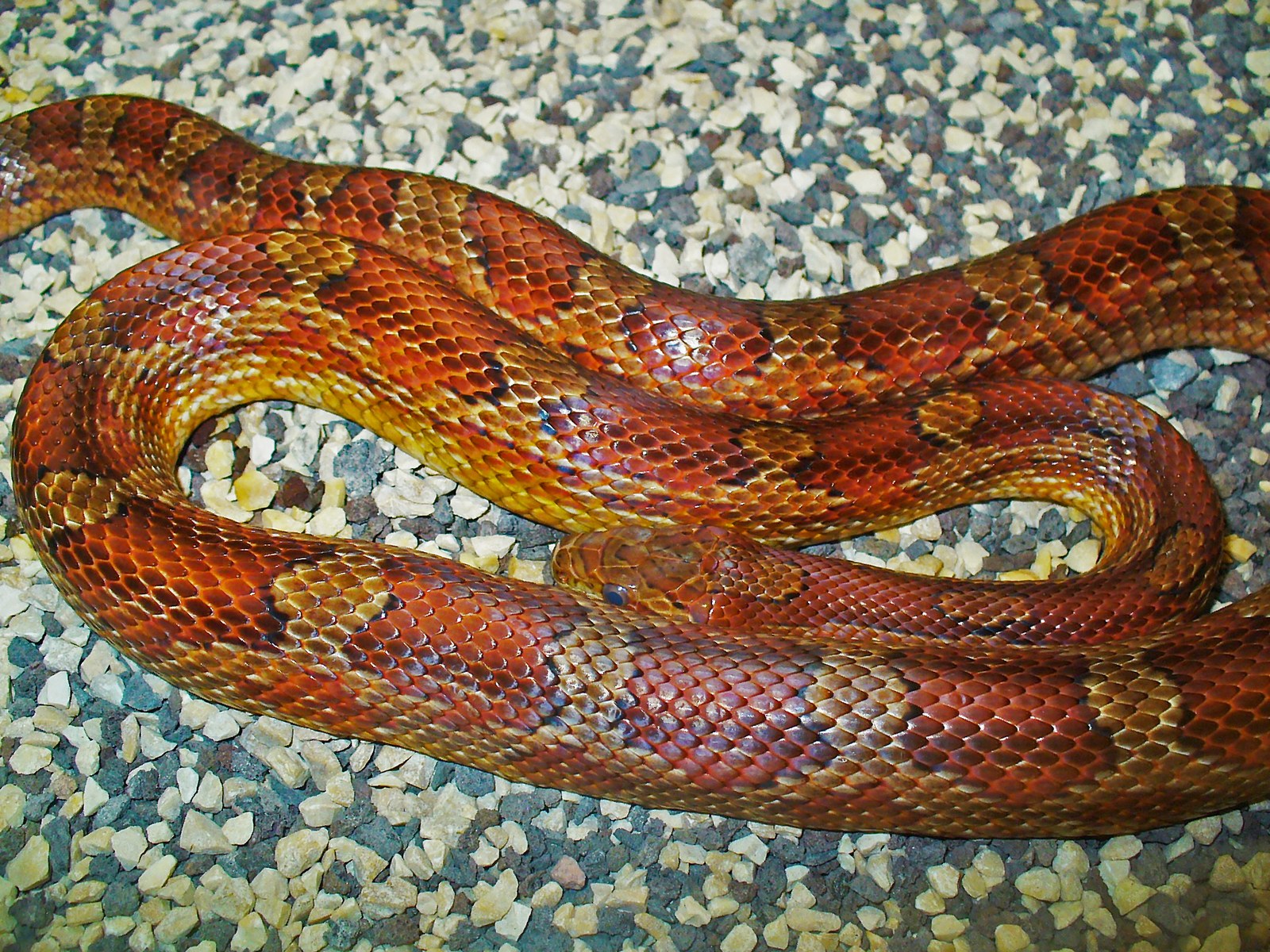
Corn snake health problems are easier to recognize when you know your own animal's normal pattern. A hidden snake is not necessarily sick, and an active snake is not necessarily healthy. Change over time is more informative than a single glance. Record meals, body condition, sheds, droppings, and measured enclosure conditions so that a reptile veterinarian can work with evidence rather than a vague impression that something seems different.
Establish a baseline before problems appear
Arrange access to a veterinarian experienced with reptiles before an emergency occurs. Ask about an initial examination, appropriate parasite testing, and future review based on the snake's age and history. Bring any previous feeding or treatment records when acquiring an animal. Clear records matter particularly when a seller's description is incomplete or the snake has moved between homes.
During ordinary checks, observe quiet breathing, movement, posture, skin condition, and the eyes outside the shedding cycle. Look for waste and confirm drinking water is available. Periodic weights taken under comparable conditions help separate ordinary fluctuations from a sustained trend. Do not handle just to collect a number during the first 48 hours after feeding.
Avoid treating every hidden day as an emergency or dismantling the habitat to inspect repeatedly. A brief visual check and a consistent log often reveal more than constant interference. If you cannot account for the snake, however, check enclosure security rather than assuming it is simply hiding.
Treat breathing trouble as a serious sign
A corn snake normally breathes without obvious effort or persistent noise. Open-mouth breathing at rest, bubbles around the mouth or nostrils, repeated wheezing, or noticeable effort requires urgent veterinary assessment. Do not delay while trying a succession of enclosure remedies. These signs may have several causes and cannot be diagnosed reliably from an online description.
Provide the clinician with actual readings: warm-zone air should be 28–30°C, cool-zone air 20–24°C, and the independently checked basking surface near 32°C under this guide's routine plan. Report overnight temperatures and ventilation as well. A thermostat display alone is not evidence that the occupied areas have stayed within range.
If you cannot reach your usual practice, contact an emergency service and explain that the patient is a snake. Keep it securely contained and avoid unnecessary handling during the journey.
Prevent burns, skin damage, and retained shed
Corn snakes can climb into places that appear inaccessible from the floor. Inspect every lamp, hot guard, cable, and elevated perch for possible contact. All heating needs compatible thermostatic control, and surface temperatures require independent checks. Heat rocks are not a safe shortcut. A burn may not look dramatic immediately, so obtain advice after suspected heat injury even if the animal remains active.
Persistently wet bedding can damage skin and encourage unhealthy conditions. Maintain dry ordinary resting surfaces, useful ventilation, and a lightly damp humid hide rather than soaking the entire enclosure. This guide uses baseline enclosure humidity around 40–50% RH; repeated poor sheds require an individual review instead of automatically adopting another species' higher humidity plan.
Check the discarded skin after a shed when possible. A retained ring around the tail, persistent covering over an eye, swelling, or discolored tissue warrants prompt advice. Never pull off skin, peel eye caps, or apply household creams to a lesion. Correct habitat conditions are supportive care, not a substitute for examining damaged tissue.
Investigate appetite, weight, and digestive changes
One refusal in a stable adult may occur around shedding or after disruption, but a pattern of refusal deserves investigation. Check the feeding record, prey size, hiding opportunities, and actual heat gradient. Smaller hatchlings have less reserve and need earlier professional review. Appetite loss with weight decline, marked lethargy, or other signs should not be watched indefinitely.
Regurgitation is a reason to contact a reptile veterinarian and discuss feeding interruption and investigation. Do not immediately replace the meal, force food, or try a live rodent. Provide details about thawing, meal size, handling, temperatures, and the timing of the event. Photos can help if obtained without disturbing the animal.
Abnormal droppings, persistent diarrhea, blood, swelling, or straining also merit advice. Their appearance alone cannot identify a parasite or blockage. Ask whether the clinic wants a fresh sample and how it should be stored. Never squeeze the body to assist defecation, give oils, or use human laxatives. Prolapsed tissue is an emergency, not a home-cleaning problem.
Quarantine newcomers and investigate parasites
Keep a new snake separate from resident reptiles, preferably in a separate room, with dedicated bowls, tongs, cleaning tools, and a simple inspectable setup. Quarantine is not just a few days without visible symptoms. Discuss its duration and any testing with a reptile veterinarian based on origin, contact history, and the animals already in your care.
Provide full husbandry during isolation, including secure hides, measured heat, drinking water, and appropriate cover. Temporary paper substrate can make droppings and moving specks easier to notice. Care for established animals first and the newcomer afterward, washing hands and managing contaminated equipment between tasks. Never share furnishings before proper cleaning and clearance.
Mites may appear as moving dark specks, sometimes accompanied by unusual soaking or irritation. Similar behavior can have other causes. A veterinarian should confirm the problem and coordinate treatment of the snake and its environment. Avoid household insect sprays, pet flea products, or preventive dosing without a reptile-specific clinical plan. Unsupervised chemicals can harm the patient you are trying to protect.
Protect people and prepare a useful vet handover
Healthy corn snakes and their feeder rodents can carry Salmonella. Wash with soap and running water after handling animals, waste, feeders, or equipment. Keep everything away from kitchens and eating areas; use dedicated cleaning facilities and disinfect appropriately afterward. Children under five, adults aged 65 and older, and people with weakened immune systems face greater risk from infection.
Prepare a concise handover rather than arriving with only a suspected diagnosis:
- Note when the change began and whether it is worsening.
- Bring feeding, weight, shedding, and temperature records.
- Describe enclosure dimensions, lighting, humidity, and recent changes.
- List any products already used without hiding accidental exposures.
- Ask about secure transport and any requested sample beforehand.
Prevention means providing choices, measuring conditions, and noticing changes early. It does not mean expecting a reptile never to need professional care.
Continue reading: Corn Snake Handling and Behavior: Calm Contact, Secure Boundaries.
Sources and further reading:
- RSPCA: Corn snake care
- ReptiFiles: Corn Snake Temperatures, Lighting & Humidity
- ReptiFiles: Feeding Your Corn Snake
- Merck Veterinary Manual: Management and Husbandry of Reptiles
- CDC: Reptiles and Amphibians
Photo credits: H. Zell (CC BY-SA 3.0 Unported). Images resized and compressed for web display. Each image retains its linked license.
