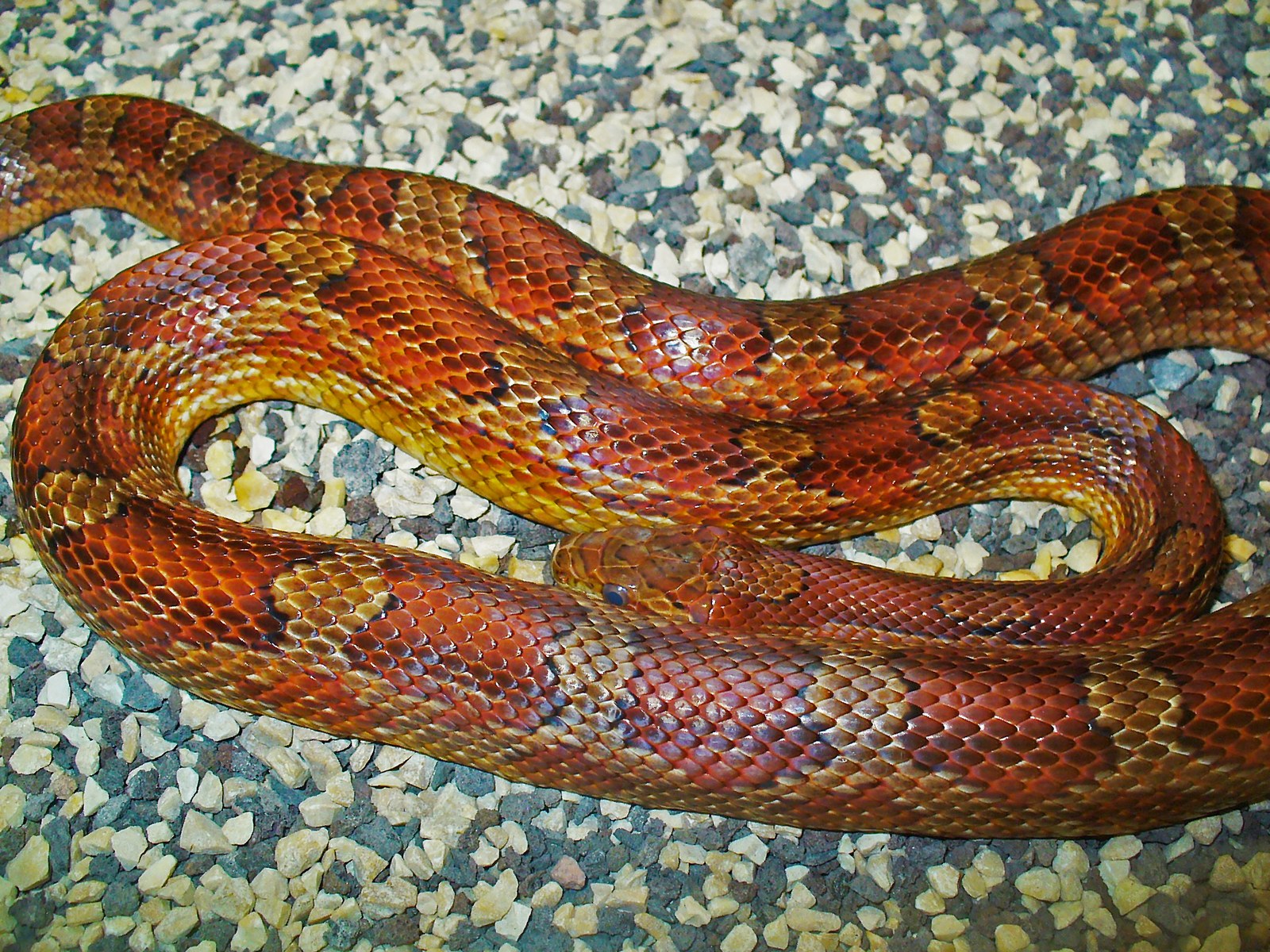
Corn snake skin care is about supporting shedding and preventing damage, not grooming a coat. A healthy shed often arrives as one continuous sleeve, but the events beforehand can surprise a new keeper. Dull color, cloudy eyes, and extra hiding are common changes. Your job is to provide water, appropriate moisture choices, and calm conditions while watching for signs that need a reptile veterinarian rather than hands-on assistance.
Recognize the normal shedding sequence
As a corn snake prepares to shed, its skin may appear less vivid and the eyes can look cloudy or blue-gray. The snake may hide more and respond defensively because its view of the surroundings is reduced. Appetite can also change. Avoid repeatedly lifting the hide or handling the animal to see whether the eyes have become cloudier.
The eyes often clear again before the old skin comes away. This can make owners think the process has finished when the discarded skin has not yet appeared. Continue the usual quiet checks and search visually around furnishings. The snake may rub against suitable textures to start removing the old layer, then move forward through it.
Young, growing snakes generally shed more often than established adults, but there is no universal calendar. Record the individual's pattern rather than attempting to trigger a shed on schedule. Persistent cloudiness, swelling, discharge, or unusual eye changes outside that pattern require professional assessment.
Build a moist retreat without soaking the enclosure
This guide follows a baseline enclosure humidity around 40–50% RH, with a localized humid hide. Reputable sources differ on corn snake humidity targets, so this approach should be reviewed if your animal repeatedly sheds poorly. Do not simply import a ball python's humidity routine or assume all snakes benefit from constantly wet flooring. The physical condition of resting surfaces matters as well as the number on a meter.
Use a stable hide with a smooth entrance and enough room for the snake to coil comfortably. Keep suitable clean lining lightly damp rather than saturated. Check it regularly for waste, mold, and drying, replacing material as necessary. The snake should still have other secure shelters so that choosing dryness does not mean choosing exposure.
Position hygrometers at snake height in representative warm and cool areas, away from splashes and the hide's damp interior. These readings describe the enclosure, not the microclimate inside the hide. Natural daily humidity variation follows temperature changes; a temporary rise does not justify removing ventilation or flooding the substrate.
Maintain hydration, heat, and calm access
Supply fresh drinking water at all times in a stable dish that the snake can enter and leave easily. Change it daily and immediately after contamination. Voluntary water use is different from forcing an animal into a bath. Prolonged soaking can reflect mites, unsuitable conditions, or another problem and should be assessed in context rather than assumed to be good hydration.
Keep the usual daytime gradient: warm air of 28–30°C, cool air of 20–24°C, and a separately measured basking surface near 32°C. Do not raise every part of the enclosure to the warm target during shedding. Check surfaces and elevated resting sites so the animal can move between secure options without contacting hot equipment.
Provide a few stable, gently textured surfaces for normal rubbing, with no sharp edges or abrasive mesh against the body. Leave them in familiar positions during the shed. Avoid unnecessary handling until the process is complete and the animal is settled, and always respect the separate minimum 48-hour handling pause following a meal.
Inspect the shed without working on the snake
When you find the discarded skin, examine it under good light away from food areas. You may be able to see the tail section and the transparent coverings shed from the eyes. A torn or crumpled shed can make these features difficult to identify, so absence from your inspection is not proof that they remain on the snake.
Observe the animal without pinning its head or stretching its tail. If skin seems retained around an eye or tail tip, or a patch remains firmly attached, contact a reptile veterinarian for advice. Swelling, darkening tissue, wounds, or obvious discomfort makes assessment more urgent. Repeated incomplete sheds warrant review of hydration, health, and the full habitat rather than repeated manual intervention.
Photographs of the discarded skin and a clear view of the affected area can help a clinician decide the next step without additional restraint.
Keep scales healthy between sheds
Spot-clean waste promptly and remove contaminated substrate around it. Clean and disinfect furnishings with a reptile-safe product used according to its directions, then rinse and dry as required before returning them. Organic debris reduces the effectiveness of many disinfectants, so cleaning comes first. Strong smells or residues are not evidence of a safer enclosure.
Ordinary floor surfaces should remain dry to the touch. A damp hide is a targeted resource, not permission for spilled water to remain beneath every shelter. Check under the water dish and heavy decorations where moisture can accumulate unnoticed. Useful ventilation and routine inspection matter even in a naturalistic enclosure with live plants.
- Look for blisters, reddened areas, wounds, or unusual discoloration.
- Check accessible surfaces for sharp edges or excessive heat.
- Record persistent rubbing or unusually prolonged soaking.
- Keep cleaning tools separate from kitchen equipment.
- Wash hands after touching the snake, shed skin, or habitat.
A skin lesion can have several causes. Do not diagnose it from color alone or apply medication before a reptile veterinarian has assessed the problem.
Use the shedding record to guide better care
Keep a simple record of the first visible changes, the completed shed, whether it appeared complete, and any appetite or behavior changes. Include actual humidity and temperature readings rather than only thermostat settings. Over several cycles, this helps you see whether problems coincide with seasonal room changes, new substrate, or equipment replacement.
If shedding repeatedly fails despite apparently reasonable conditions, arrange a veterinary review rather than adding more misting indefinitely. Dehydration, parasites, injury, and other illness may contribute. Take the care record and photographs, and explain any products or interventions already used.
Good shedding support is deliberately gentle: fresh water, measured conditions, a lightly damp retreat, dry alternatives, and time. Your snake should do the physical work of shedding itself, with clinical help available when that normal process is disrupted.
Continue reading: Living With a Corn Snake: Daily Care and Long-Term Planning.
Sources and further reading:
- RSPCA: Corn snake care
- ReptiFiles: Corn Snake Temperatures, Lighting & Humidity
- ReptiFiles: Feeding Your Corn Snake
- Merck Veterinary Manual: Management and Husbandry of Reptiles
- CDC: Reptiles and Amphibians
Photo credits: H. Zell (CC BY-SA 3.0 Unported). Images resized and compressed for web display. Each image retains its linked license.
