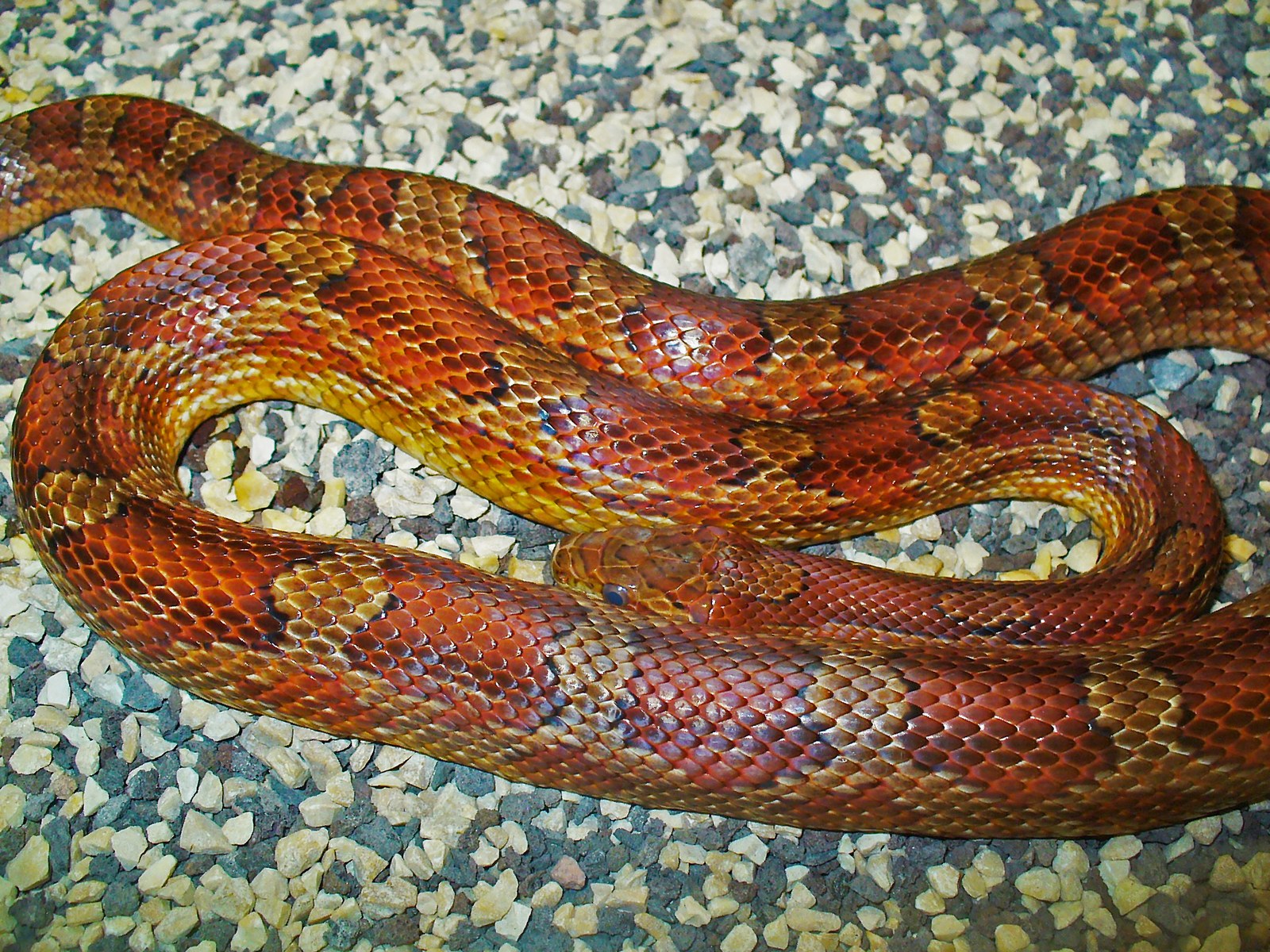
Living with a corn snake means sharing your home with an animal whose needs are real even when it is out of sight. The attraction is often quiet observation: a tongue testing the air, a careful climb, or a familiar route between shelters. Responsible ownership pairs that interest with daily checks, safe food handling, and planning for years of care. Infrequent meals should never be confused with an animal that can be forgotten between feedings.
Decide whether the household is a good fit
Plan for around 10–15 years of captive care, with some corn snakes living longer. Consider likely moves, changing work schedules, and whether someone can remain responsible when your circumstances change. Check tenancy rules and local requirements before acquisition, not after the enclosure arrives. Choose a responsibly sourced captive-bred animal with a documented feeding history.
Every household member should understand that the diet consists of pre-killed whole rodents. If storing and handling those feeders is unacceptable, a corn snake is not the right pet. The same applies if no one is willing to clean equipment safely or fund reptile veterinary care. Interest in the animal's appearance cannot replace agreement about these practical tasks.
Consider infection risk before purchase. Children under five, adults aged 65 and older, and people with weakened immune systems are more vulnerable to serious illness from reptile-associated germs. High-risk households should discuss suitability with their healthcare professional and consider a different pet rather than assuming supervised handling removes every risk.
Make room for a secure adult habitat
Start adult planning around 150 × 60 × 60 cm of usable enclosure space, approximately 59 × 24 × 24 inches. The snake must be able to straighten completely, so increase length for a longer individual. Allow additional room for safe equipment installation and maintenance access. A cabinet that barely fits the advertised outer dimensions may not leave useful working space.
Choose a quiet position away from direct sun, radiators, and drafts. Provide anchored climbing routes and sheltered movement across the floor, not just an attractive empty display. Corn snakes are mainly terrestrial but climb confidently, which makes overhead equipment safety and cable openings important. Secure all doors, lids, and vents after every task.
House the snake alone. Bearded dragons, leopard geckos, crested geckos, and ball pythons are comparisons for choosing a pet, not possible tankmates. Their feeding and environmental needs differ, and sharing would also complicate safety and health monitoring. Keep dogs and cats physically separated during maintenance and handling.
Build a routine around observation and records
Begin each day by confirming water quality, enclosure security, and actual environmental readings. Check for waste and any unusual posture, breathing, or behavior without repeatedly removing the snake from its hide. A timer manages a light schedule, but it cannot confirm that a lamp is working or a water bowl has been overturned.
Use the same reference plan consistently: warm air 28–30°C, cool air 20–24°C, and a separately checked basking surface near 32°C. Our routine night baseline for healthy established snakes is 18–20°C. Provide 12 hours of light and 12 hours of darkness, with no colored night lamps. Check the measured UVB arrangement after changing lamps or branches.
- Replace water daily and whenever it becomes soiled.
- Remove waste and inspect humid-hide lining.
- Verify thermometer probes and enclosure locks remain secure.
- Note meals, refusals, sheds, and unusual observations.
- Review body-condition and weight trends periodically.
A baseline humidity around 40–50% RH plus a lightly damp humid hide supplies different moisture choices. Keep ordinary resting areas dry rather than misting everything automatically.
Keep feeding and family contact predictable
Offer fully thawed pre-killed whole rodents, adjusting size and frequency to the individual. Starting intervals are about every 5–6 days for hatchlings, 7–10 days for growing juveniles, and 14–21 days for many adults. A feeding record prevents one enthusiastic caregiver from accidentally duplicating another person's meal. Good-quality whole prey usually needs no routine supplement dusting.
Prepare feeders with dedicated equipment away from kitchens and human food surfaces. Store them securely separated from human food, thaw safely, and wash hands after handling. Freezing is not sterilization. Keep the snake, bowls, substrate, and cleaning tools out of food-preparation and eating areas even when everything looks clean.
Wait at least 48 hours after feeding before routine handling, and avoid unnecessary contact during shedding or illness. An adult should supervise appropriate handling by older children and ensure handwashing afterward. Do not pass the snake around at gatherings or encourage contact with faces. A calm return to its enclosure is better than extending an interaction because visitors are enjoying it.
Budget for maintenance and arrange competent cover
The purchase price is only one part of ownership. Plan for the adult enclosure, thermostat-controlled heating, UVB equipment, independent thermometers, humidity monitoring, substrate, feeders, cleaning supplies, electricity, and replacement lamps. Set aside funds for veterinary examinations and unexpected illness. Costs vary by location and equipment, so compare actual local requirements rather than relying on a universal online price.
Find a caregiver before booking travel. Have them perform the daily routine while you watch, including securing doors and recognizing equipment failure. A person comfortable feeding a dog may still need instruction about thawed rodents or a snake's escape ability. Provide clear directions for when not to feed, handle, or change settings.
If possible, keep suitable spare essential equipment and explain its safe use. Do not expect a replacement bulb with a different output to work without rechecking conditions.
Prepare for emergencies and future changes
Save the contact details of a reptile veterinarian and an emergency service, and keep a secure ventilated transport container available. Ask the clinic about transport requirements if illness occurs. Avoid direct contact with heat packs, extreme temperatures, and unsecured travel containers. A snake in difficulty needs a planned route to care rather than improvised treatment at home.
Have a power-outage and extreme-weather plan appropriate to your home. Monitor actual enclosure conditions and seek advice if the habitat cannot be maintained safely. Never place unregulated heaters inside, move the enclosure into direct sunshine, or force seasonal cooling to save electricity.
If you can no longer keep the animal, contact a responsible reptile rescue or experienced rehoming service and transfer its records honestly. Never release it outdoors. Long-term success is a manageable routine supported by backup plans, not a promise that life will never change.
Continue reading: Corn Snake Care Guide: A Secure, Measured Habitat.
Sources and further reading:
- RSPCA: Corn snake care
- ReptiFiles: Corn Snake Temperatures, Lighting & Humidity
- ReptiFiles: Feeding Your Corn Snake
- Merck Veterinary Manual: Management and Husbandry of Reptiles
- CDC: Reptiles and Amphibians
Photo credits: H. Zell (CC BY-SA 3.0 Unported). Images resized and compressed for web display. Each image retains its linked license.
