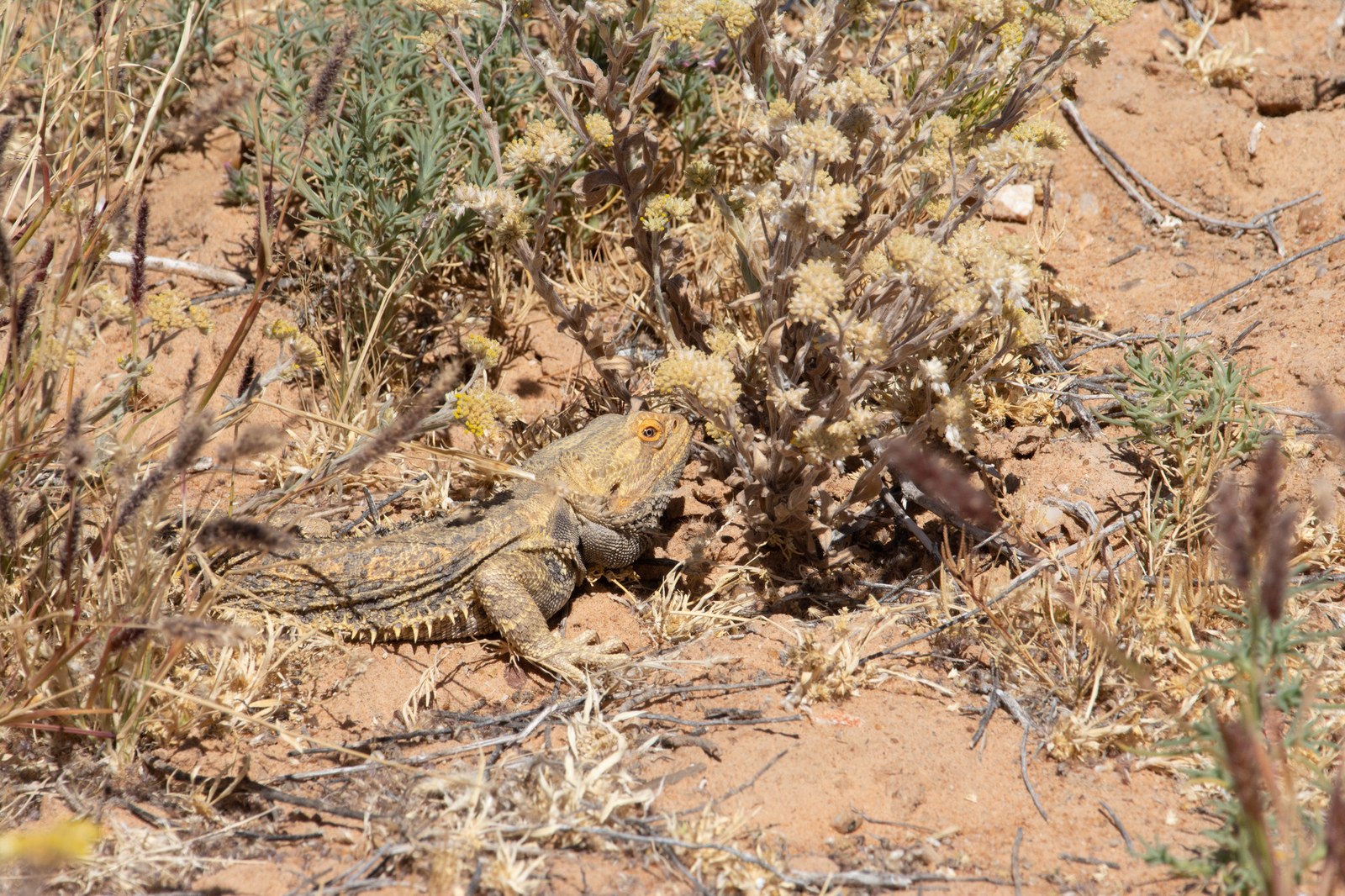
Living with a bearded dragon can be rewarding if you enjoy observing an animal and maintaining its environment. The work is less about walks or grooming and more about reliable equipment, food preparation, hygiene, and noticing small changes. Before committing, consider the ordinary weekday routine and the inconvenient emergency, not only the appealing moment when a confident dragon sits calmly on a keeper's hand.
Plan for the adult animal and a long lifespan
A bearded dragon may live 10–15 years in captivity, with some living longer. That commitment can outlast a school course, rental agreement, or current work schedule. Decide who will remain responsible if the original enthusiast loses interest, moves away, or cannot afford care. A child can participate appropriately, but an adult must own the long-term plan.
Expect an adult around 45 cm, or about 18 inches, in total length including the tail. Start with at least 120 × 60 × 60 cm L × W × H, approximately 48 × 24 × 24 inches, and prefer larger usable space where possible. Measure the actual furniture footprint, door access, and clearance required by fixtures before buying equipment.
Choose a normally scaled animal from a responsible breeder, rescue, or rehoming source with useful records. Ask about independent feeding, health history, and current husbandry. A silkback is not merely a beginner dragon in a novel color; reduced protective scales can mean additional care needs requiring an individualized professional plan.
Build a weekday routine you can maintain
Use 12 hours of daytime lighting and 12 hours of darkness for a predictable household rhythm. Check that lamps are working and the animal can reach its basking area before feeding. A timer controls the schedule, but it cannot tell you whether a bulb has failed, a probe has moved, or a dragon is hiding because it feels unwell.
Verify the basking surface at 42–45°C (107.6–113°F) with an infrared thermometer. Check warm-zone air at 30–35°C (86–95°F) and cool-zone air at 22–26°C (71.6–78.8°F) with digital probes at resting body height. These are different measurements, so do not treat one reading as proof that the entire enclosure is correct.
Offer fresh greens daily and provide insects according to life stage and condition: usually daily during growth and about twice weekly for mature adults. Remove uneaten insects, spoiled food, and droppings. Replace contaminated water and inspect the dragon's movement and posture. Finish by checking locks and recording anything unusual rather than relying on memory at the next appointment.
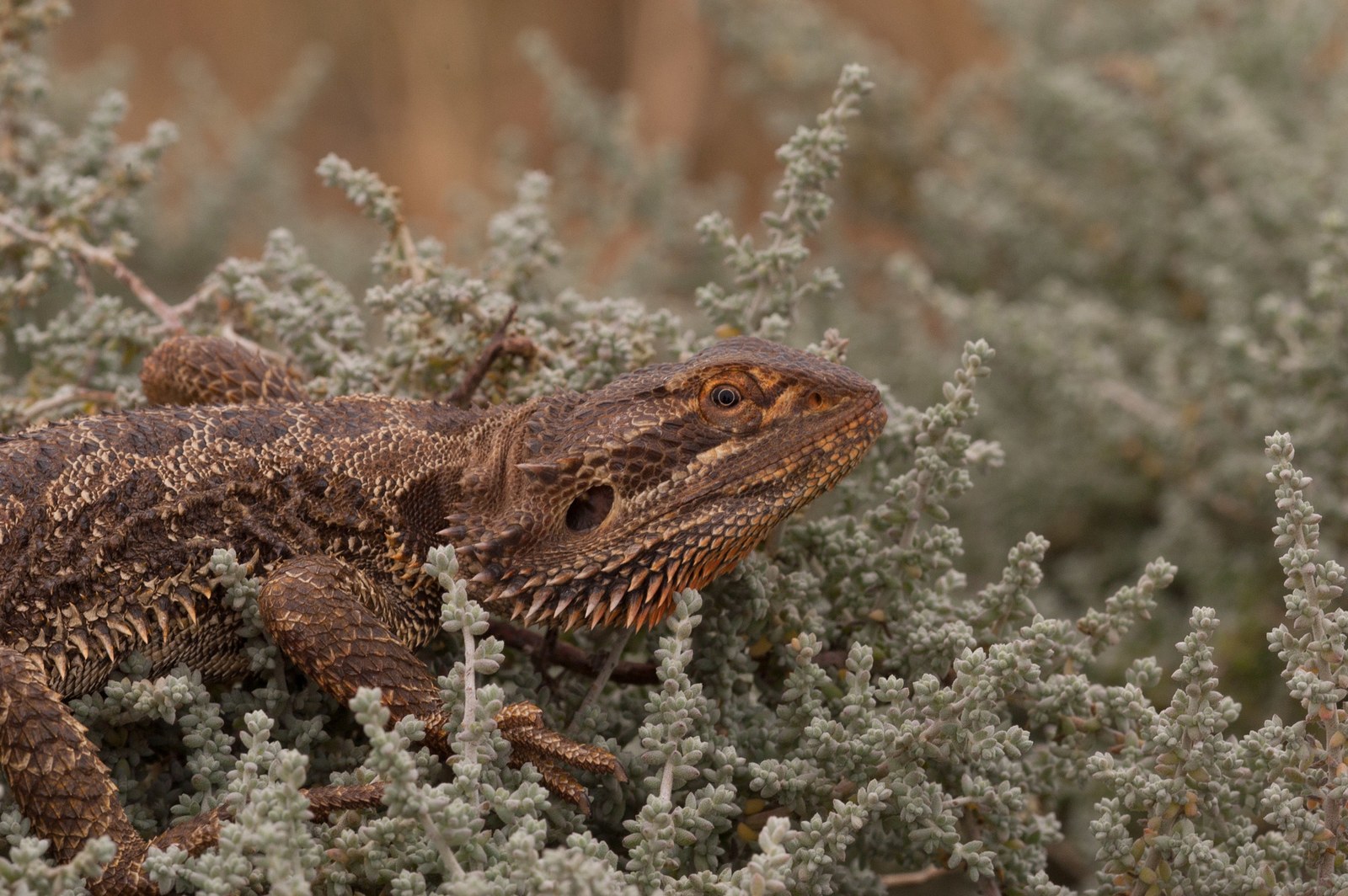
Budget for systems, consumables, and unexpected care
The purchase or adoption cost is only one part of ownership. A functional habitat needs a suitable enclosure, secure furnishings, heat control, lighting, measurement tools, and cleaning equipment. Choose by usable specifications rather than packaging that promises an all-in-one starter solution. An undersized enclosure or an unsuitable lamp may need replacing almost immediately.
Recurring costs include electricity, replacement lamps, feeder insects, vegetables, supplements, cleaning supplies, and veterinary care. Prices vary by region, supplier, and energy tariff, so build a local budget rather than relying on an invented universal monthly figure. Keep an emergency reserve and identify a clinic that actually sees reptiles before a weekend problem occurs.
- Separate initial equipment costs from ongoing expenses.
- Note lamp purchase dates and replacement guidance.
- Include measurement and thermostat equipment in the essentials.
- Plan safe feeder storage and reliable food suppliers.
- Set aside funds for examination, testing, and emergency transport.
A cheap setup that cannot maintain safe conditions is not a saving. Equally, expensive decorative accessories should not take priority over reliable controls or access to veterinary help.
Decide whether the household is a safe fit
Apparently healthy reptiles can carry Salmonella. Wash hands after animal or enclosure contact, keep reptile equipment out of kitchens, and never allow the dragon onto food-preparation surfaces. Do not kiss the animal or let it approach a person's mouth. Dedicated cleaning containers and a clear cleaning location help prevent accidental crossover with household utensils.
Children under five, adults 65 and older, and immunocompromised people face higher risk of serious infection. Children under five should not handle reptiles or their environments. Families with vulnerable members should discuss suitability and precautions with appropriate health professionals before acquisition, rather than assuming a clean-looking enclosure removes the risk.
Other pets need physical separation. A calm dog or curious cat can injure a dragon in a moment, and their attention can create stress through the glass. House the dragon alone; another bearded dragon, gecko, or snake is not a suitable companion. The related species on this profile are alternatives for research, not animals to add to the same habitat.
Prepare a care handover before you need one
Arrange a competent caregiver for holidays, illness, or work travel. Demonstrate feeding, cleaning, measurement locations, and safe door handling before departure. A written plan should describe the individual dragon's normal behavior and the signs that need a phone call or urgent veterinary attention. Do not leave only a bag of insects and instructions to feed when hungry.
Record the 20–22°C (68–71.6°F) overnight air target used in this household plan, measured at the sleeping hide. Explain any guarded, thermostatically controlled non-light-emitting heater and the need for darkness. Show the 30–60% cool-end daytime ambient RH measurement and make clear that the main floor should stay dry despite a possible brief nighttime rise.
For normally scaled dragons, label the equipment maintaining basking UVI 4.0–4.5 at back height, with shaded retreat near zero. Ask the sitter not to move climbing furniture or alter lamp distance casually. Include veterinary contacts, transport instructions, backup equipment locations, and authorization arrangements appropriate to your household.
Keep the relationship realistic and welfare-centered
Many dragons tolerate calm handling, but prolonged carrying is not necessary for a good life. Support the body close to a safe surface, respect attempts to leave, and preserve access to heat, UVB, and shelter. Daily bathing is unnecessary; safe habitat choices and clean drinking water matter more than a social-media grooming routine.
When circumstances change, seek help early. A reputable rescue or carefully screened rehoming arrangement is safer than releasing an unwanted reptile or passing it on without records. Keep the habitat information, feeding history, and veterinary documentation together so a future caregiver can continue appropriate care.
Success is not measured by how tame the animal appears in photographs. It is a stable environment, an appropriate diet, safe household habits, and attention to the dragon's individual needs throughout a potentially long life.
Continue reading: Bearded Dragon Care Guide: Build a Safe, Measured Habitat.
Sources and further reading:
- RSPCA: Bearded dragons
- ReptiFiles: Bearded Dragon Lighting, Heating & Humidity Requirements
- ReptiFiles: What Do Bearded Dragons Eat?
- Washington State University Veterinary Teaching Hospital: Metabolic bone disease in bearded dragons
- CDC: Reptiles and Amphibians
Photo credits: Edward Bell (CC BY 4.0 International), Rolf Lawrenz (CC BY 4.0 International). Images resized and compressed for web display. Each image retains its linked license.

