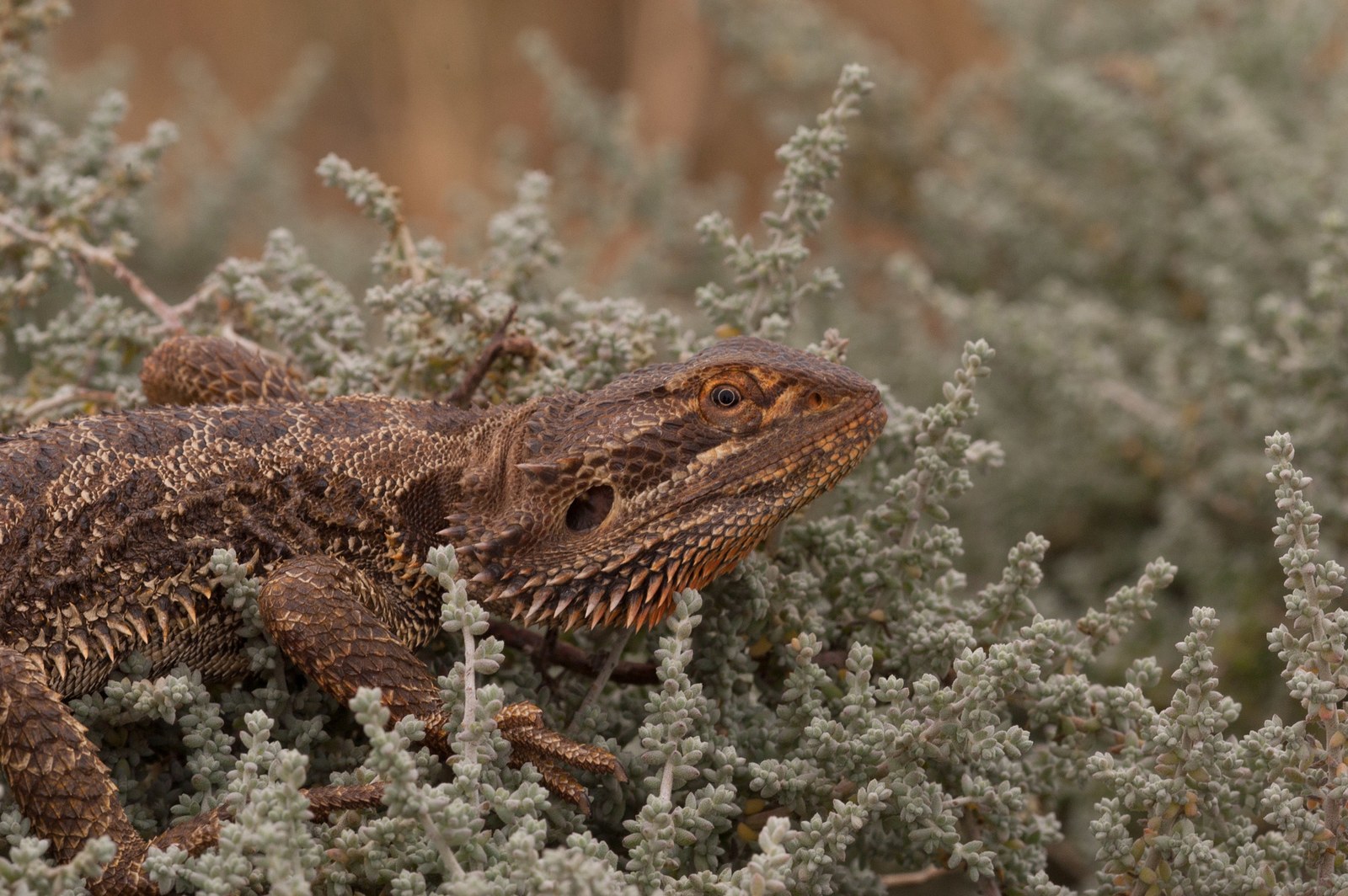
Bearded dragon shedding is skin renewal, not a grooming job. Your dragon does not need brushing, peeling, or a schedule of daily baths to look tidy. Most useful help happens through the enclosure: appropriate temperatures, measured humidity, clean surfaces, safe rubbing opportunities, and access to water. The important skill is distinguishing ordinary patchy shedding from retained skin, burns, wounds, or another problem that needs a reptile veterinarian.
Recognize the pattern of normal shedding
A bearded dragon may develop dull or pale areas before old skin lifts. Different parts of the body can shed at different times, so a patchwork appearance is not automatically abnormal. Growing animals commonly shed more often than mature adults, but there is no exact calendar that every healthy dragon must follow. Track your own animal's pattern rather than trying to trigger a shed because another keeper's pet is shedding.
Some dragons rub against furnishings or become less interested in interaction during this process. Give them space and continue monitoring appetite and activity. Mild temporary changes deserve observation, while weakness, sustained food refusal, swelling, or obvious pain should not be dismissed as ordinary shedding.
Loose-looking skin can still be attached. A flap may lift at one edge while remaining connected elsewhere. Pulling it can damage new skin and turn a normal process into an injury. Do not use tweezers, adhesive tape, abrasive cloths, or scissors to hurry the process.
Check humidity and temperature at the correct locations
Use 30–60% daytime ambient RH at the cool end, measured at animal height away from the water dish or a damp hide. Humidity varies across a heated enclosure, and a reading immediately beside wet material does not describe the air your dragon normally breathes. A brief natural rise overnight can occur without requiring emergency drying or whole-enclosure misting.
Keep the main floor dry and maintain ventilation. Do not convert an arid-adapted dragon's habitat into a constantly wet tropical enclosure. Equally, do not assume that drier is always better or remove drinking water to chase a very low humidity number. Review the sensor position and room conditions before making changes.
Maintain the established heat gradient: 42–45°C (107.6–113°F) on the basking surface, 30–35°C (86–95°F) in warm-zone air, and 22–26°C (71.6–78.8°F) in cool-zone air. Check the surface with an infrared thermometer and air with digital probes. Increasing the basking temperature beyond the plan is not a treatment for skin that has not released.
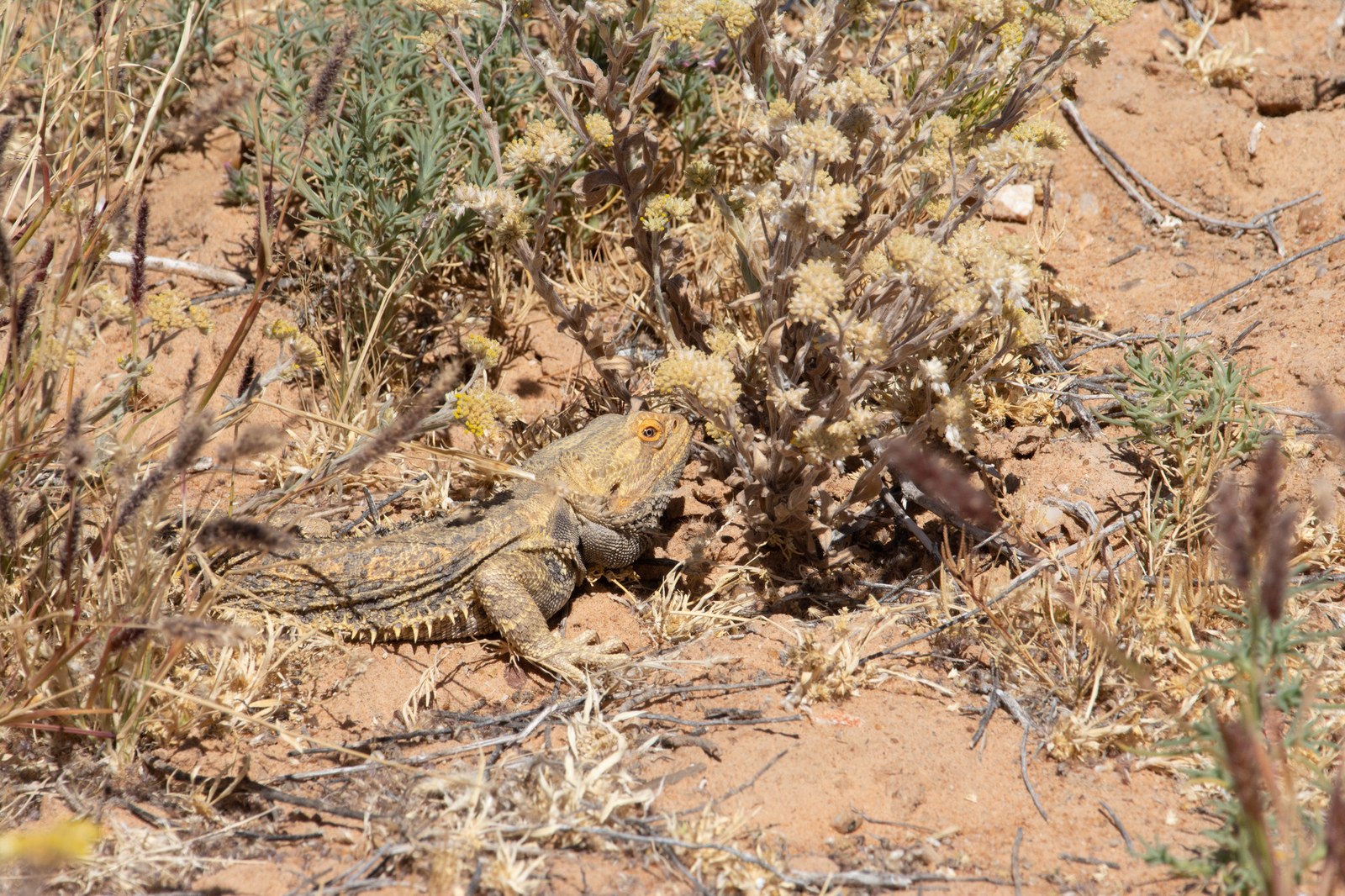
Offer gentle opportunities rather than forced treatments
Provide stable branches, textured stone, or other clean furnishings against which the dragon can rub naturally. Surfaces should offer mild texture without sharp edges or abrasive projections. Fix them securely so rubbing cannot topple them. Check routes around hides and under ledges for narrow gaps where a toe or tail could become trapped.
An optional lightly damp retreat can provide a local choice during shedding. Use a clean, accessible hide with a small amount of suitable damp material, not a waterlogged chamber. Inspect it regularly, replace dirty material promptly, and ensure it does not wet the entire enclosure. It is an option to investigate with your veterinarian if shedding is difficult, not a substitute for finding the underlying cause.
Keep handling brief if the dragon appears sensitive. Inspect without restraining it aggressively or rubbing the skin to see what comes away. A clear photograph taken during a calm moment can document progress more safely than repeated close handling.
Supply water without making baths the routine
Offer fresh drinking water in a stable shallow dish and clean it whenever contaminated. Suitable washed greens also contribute moisture. These are everyday hydration measures, not emergency treatments for a dragon that appears dehydrated or weak. Ask a veterinarian about concerning changes rather than attempting to deliver water into the mouth by force.
Daily baths are unnecessary. Routine forced soaking does not replace appropriate husbandry, and the claim that a dragon can simply absorb all needed drinking water through its skin or vent is misleading. Some animals tolerate water poorly, and repeated handling may add stress during a sensitive period. A dragon sitting quietly in a bath is not proof that it benefits from being there.
If feces soil the skin, brief supervised cleaning may be appropriate. Use a dedicated container, keep the head safely above water, and never leave the animal unattended. Avoid soaps, scented products, oils, and human moisturizers. Dry the animal gently and return it to its established habitat; ongoing contamination or difficult cleaning warrants advice about the cause.
Identify retained skin and other warning signs
Pay particular attention to toes, the tail tip, and areas where old skin forms a ring. A tight band can compromise tissue, especially when swelling develops beneath it. Do not wait for a digit to become visibly damaged before asking for help. Darkening tissue, swelling, or apparent loss of circulation needs urgent veterinary assessment.
Not every discolored patch is shed. Blisters, open wounds, spreading crusts, unusual thickening, discharge, and persistent soreness can reflect injury or disease. Photographs alone may not distinguish a burn from infection or another condition. Avoid applying over-the-counter creams that could irritate the skin or obscure signs the clinician needs to examine.
- Look at toes and the tail tip during routine observation.
- Note whether the area is improving, spreading, or swelling.
- Check heat guards and measure accessible contact surfaces.
- Record appetite, movement, and any recent enclosure changes.
- Contact a reptile veterinarian if release is persistently incomplete or skin looks damaged.
Adapt prevention to the individual dragon
A clean enclosure reduces contact with waste while allowing normal behavior. Remove droppings promptly, wash contaminated furnishings, and use an appropriate disinfectant according to its directions. Keep cleaning equipment out of kitchens, wash hands afterward, and remember that healthy reptiles can carry Salmonella. Hygiene protects both the new skin and the people caring for the animal.
Normally scaled dragons use the profile's standard lighting plan, but silkbacks are not ordinary beginner morphs. Reduced protective scales can mean additional skin, shedding, and ultraviolet-management concerns. Do not automatically apply standard basking UVI to a silkback or an unusually sensitive individual; obtain an individualized reptile-veterinary plan before acquisition.
If shedding repeatedly causes problems, review diet, hydration, measurements, furnishings, and health with a professional rather than adding more products. Good skin care is mostly patient observation and consistent husbandry. Your dragon should do the shedding; you provide safe conditions and recognize when it needs help.
Continue reading: Living With a Bearded Dragon: Routines, Costs, and Family Fit.
Sources and further reading:
- RSPCA: Bearded dragons
- ReptiFiles: Bearded Dragon Lighting, Heating & Humidity Requirements
- ReptiFiles: What Do Bearded Dragons Eat?
- Washington State University Veterinary Teaching Hospital: Metabolic bone disease in bearded dragons
- CDC: Reptiles and Amphibians
Photo credits: Rolf Lawrenz (CC BY 4.0 International), Edward Bell (CC BY 4.0 International). Images resized and compressed for web display. Each image retains its linked license.

