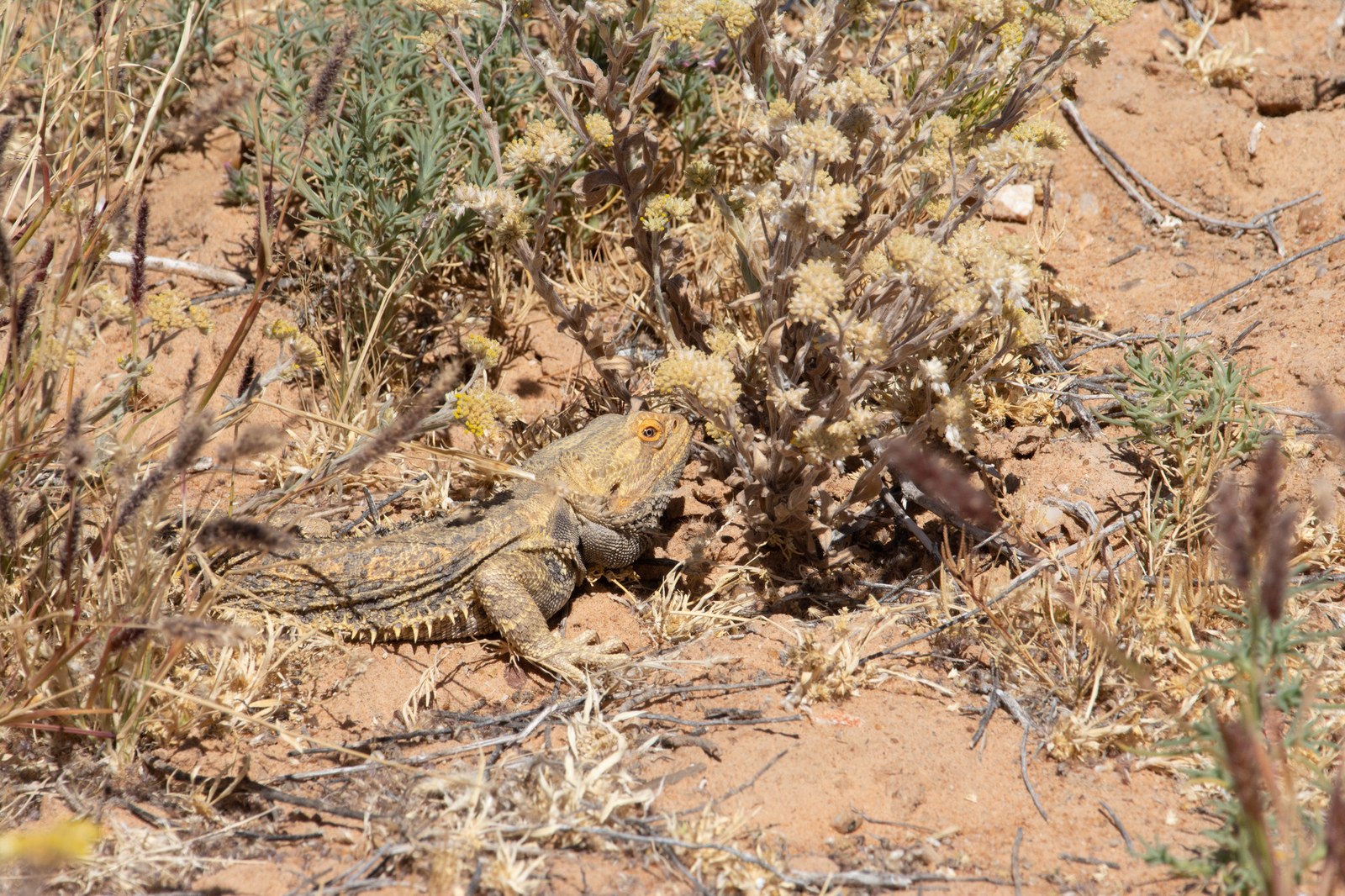
Bearded dragon feeding changes as your pet grows. A rapidly developing hatchling and a sedentary mature adult should not receive the same insect-heavy menu simply because both rush toward the feeding tongs. Good nutrition combines varied plants, suitable feeder insects, thoughtful supplementation, usable UVB, and attention to body condition. Appetite is useful information, but an enthusiastic eater is not automatically eating an appropriate amount.
Understand the shift from growth to adulthood
A useful food-category shorthand is 60–80% insects and 20–40% plants for hatchlings, around 60% insects and 40% plants for juveniles, and 15–30% insects and 70–85% plants for mature adults. These figures describe broad feeding emphasis. They are not percentages of dietary protein, calories, dry matter, or a laboratory-validated formula for weighing every salad. Do not compare a bowl of wet leaves with a handful of insects and assume that volume alone proves nutritional balance.
Published care resources vary in their suggested proportions, particularly for adults. The approach here follows a lower adult insect emphasis rather than carrying juvenile feeding habits into maturity. Transition gradually as growth slows, considering condition, sex, reproductive status, and veterinary advice. A single birthday or total-length measurement cannot reliably decide that every dragon now needs the same adult portion.
Offer fresh greens daily at every life stage. Growing dragons usually receive insects daily, while healthy mature adults commonly receive insect meals about twice weekly. These are representative opportunities, not instructions to feed unlimited quantities. Remove leftovers and record what was actually eaten.
Make leafy plants the foundation of adult meals
Rotate useful greens such as collard or spring greens, mustard greens, turnip greens, endive, and rocket. Variety reduces dependence on one food and makes it easier to work around seasonal availability. Small amounts of suitable vegetables can add texture and interest, but a colorful bowl dominated by sweet produce is not the same as a nutritious leafy meal. Wash produce and remove spoiled or wilted material before serving.
Cut leaves and vegetables into manageable pieces that the dragon can grasp and swallow without struggling. Use a stable dish that keeps food away from dirty substrate. Offering greens after the animal has warmed and before its expected insect meal may encourage investigation, but do not starve a young or unwell dragon into eating salad.
Fruit is unnecessary as a routine food and adds sugar without solving a feeding problem. Avoid avocado and onion, and never offer a plant you cannot identify confidently. Homegrown food must be free from unsafe pesticide or fertilizer contamination; a plant being natural does not make it edible.
Choose and prepare feeder insects carefully
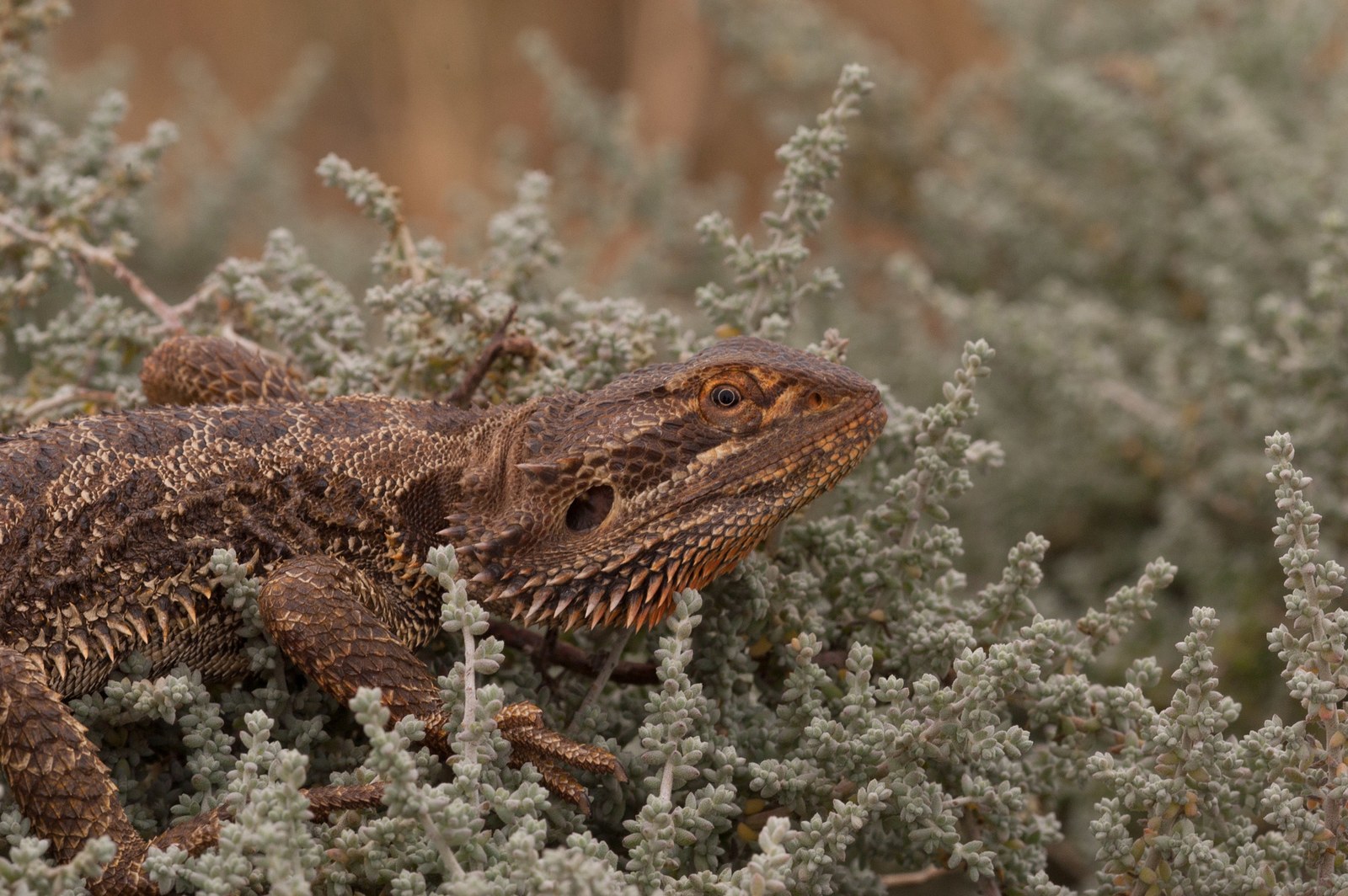
Use appropriately sized, captive-produced feeder insects from a reliable supplier. Crickets, suitable roaches where legal, and locusts where available can contribute variety. Match the insect's bulk to the dragon's ability to eat safely; an insect should not force exaggerated swallowing or cause obvious difficulty. A count alone is misleading because feeder sizes and species differ substantially.
Gut-loading means providing feeders with an appropriate nutritious diet before they are eaten. It is not the same as leaving insects unfed in a tub and coating them with powder at the last moment. Follow the feeder diet's instructions, maintain clean housing, and remove dead insects. Store feeders securely and away from human food-preparation areas.
- Select more than one suitable feeder type over time.
- Check size and condition before every meal.
- Offer insects under supervision in a controlled feeding area.
- Remove escapees so they cannot bite or disturb a resting dragon.
- Count food rewards as part of the planned ration.
Do not offer wild-caught insects, unidentified garden bugs, or fireflies. Avoid rodents as routine food; the normal household menu should be plants and suitable insects, not live vertebrate prey.
Coordinate calcium, vitamins, heat, and UVB
Calcium provision must work alongside the rest of the habitat. For a normally scaled dragon, the care plan uses basking UVI 4.0–4.5 at back height, with shaded retreat near zero. Exposure depends on distance, mesh, fixture, and the animal's posture. A lamp that still looks bright may no longer provide the intended ultraviolet output, and a window does not supply a dependable substitute.
Choose reptile-appropriate calcium and multivitamin products, then agree a schedule with a reptile-experienced veterinarian that accounts for age, food choices, measured UVB, and any dietary D3. Product strengths differ, so instructions cannot safely be transferred by spoonful from one brand to another. More powder is not automatically better, and several overlapping products can supply the same nutrients unintentionally.
The basking platform surface should measure 42–45°C (107.6–113°F), separately from the enclosure's air gradient. Give the dragon access to daytime warmth before and after feeding. Supplementation does not compensate for a cold habitat, and suitable heat does not correct an unbalanced menu.
Use body condition to adjust portions
Weigh your dragon regularly on the same stable scale and record the circumstances. A meal, recent drink, or bowel movement can shift an individual reading, so trends matter more than a small isolated change. Ask your veterinarian to demonstrate how to assess body condition; photographs from consistent angles can help you see gradual changes that daily observation misses.
An adult that steadily gains excess condition may need fewer insect calories and more opportunities to move, not a smaller enclosure to make it easier to catch. An underweight animal needs investigation rather than a stream of fatty treats. Growth should be steady and appropriate, not accelerated to reach an impressive size as quickly as possible.
Reproductive females, recovering animals, and dragons with diagnosed disease may need a different plan. Do not make major changes based solely on advice for a healthy adult male. Record intake, supplements, weight, and droppings so the veterinarian has useful information rather than a general impression that the dragon eats a lot.
Respond safely to appetite and hydration changes
Keep fresh water in a shallow stable dish and refresh it whenever soiled. Washed greens contribute moisture, but they do not remove the need for drinking water. Routine forced baths are not a feeding or hydration strategy, and water should never be squirted into an unwilling dragon's mouth.
When appetite drops, check the lamps, measured temperatures, recent food changes, and behavior. A young dragon refusing meals or any dragon losing weight deserves prompt veterinary advice. Seasonal slowing can occur, but illness and unsuitable husbandry must not be dismissed as brumation.
The best menu is one you can sustain and evaluate. Offer variety, maintain the habitat that supports digestion, and adjust portions using the individual animal rather than internet photographs of oversized meals.
Continue reading: Bearded Dragon Health Issues: Warning Signs and Prevention.
Sources and further reading:
- RSPCA: Bearded dragons
- ReptiFiles: Bearded Dragon Lighting, Heating & Humidity Requirements
- ReptiFiles: What Do Bearded Dragons Eat?
- Washington State University Veterinary Teaching Hospital: Metabolic bone disease in bearded dragons
- CDC: Reptiles and Amphibians
Photo credits: Edward Bell (CC BY 4.0 International), Rolf Lawrenz (CC BY 4.0 International). Images resized and compressed for web display. Each image retains its linked license.

