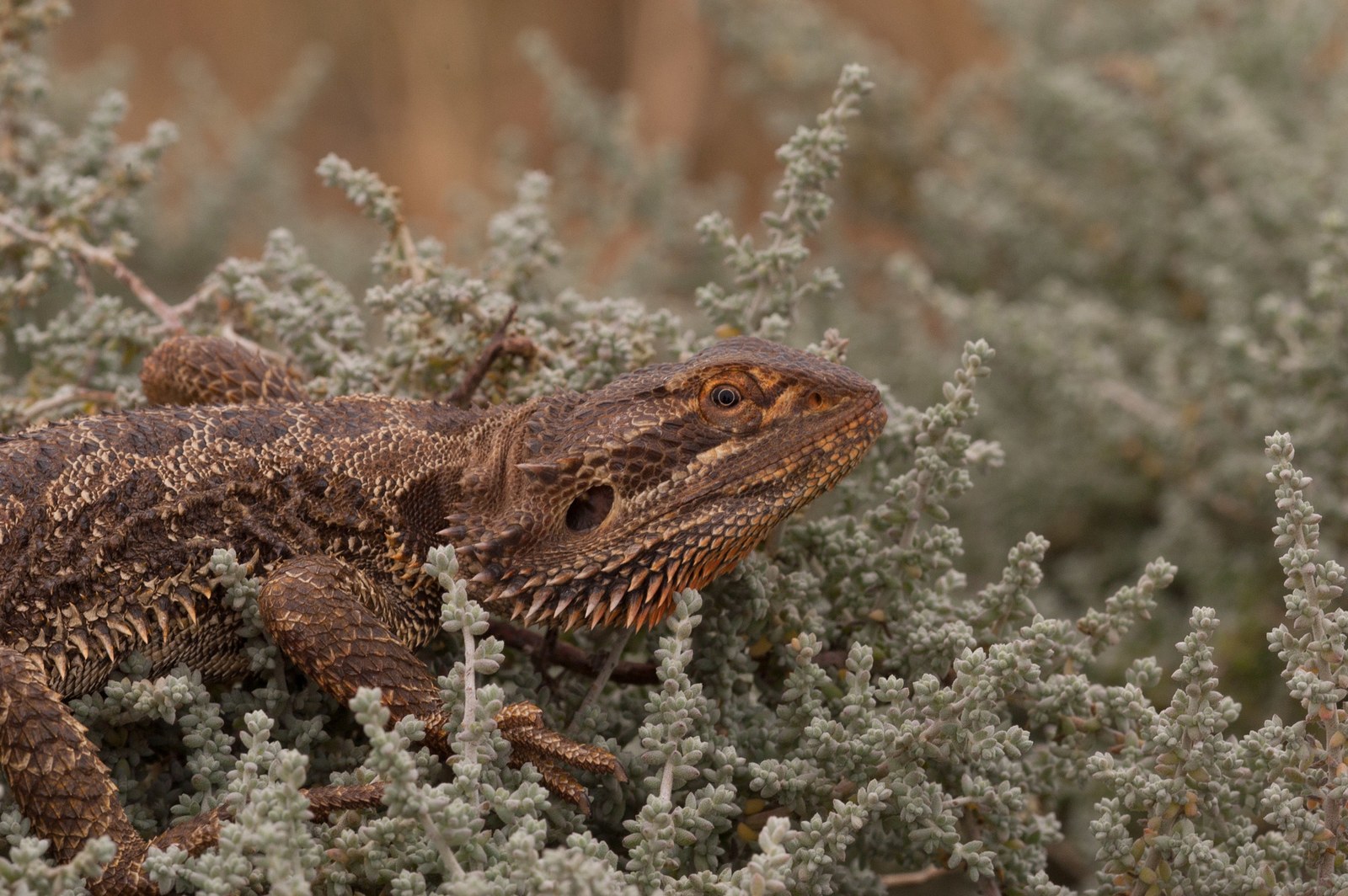
Bearded dragon health problems often first appear as small changes: a weaker grip, a different resting posture, less interest in food, or a gradual weight shift. None of these signs identifies a disease by itself. Your role is to recognize change, check the habitat, and seek appropriate veterinary care before a problem advances. A checklist helps, but it should never delay urgent attention for an animal that is struggling to breathe or move.
Establish a baseline before illness is obvious
Arrange an initial examination with a reptile-experienced veterinarian after acquisition, and ask how to plan ongoing preventive visits. Bring feeding history, previous health records, enclosure photographs, and actual temperature and UVI measurements. The phrase warm enough is less useful than knowing which instrument measured which part of the habitat. Ask the clinic whether it wants a fresh fecal sample and how that sample should be stored and delivered.
Keep a simple record of weight, appetite, droppings, shedding, and unusual behavior. A stable routine makes changes easier to interpret. Weigh under comparable conditions and avoid treating every small fluctuation as an emergency; an ongoing downward trend is more meaningful than one reading after defecation.
Healthy-looking does not mean disease-free. Alert movement and a reliable appetite are encouraging, but they do not exclude parasites, early nutritional disease, or infectious carriage. Preventive care and hygiene remain important even when the dragon appears comfortable.
Know when to seek urgent veterinary help
Call promptly for persistent appetite loss, progressive weight loss, swelling, abnormal droppings, or a significant change in movement. Young animals can deteriorate quickly, so their feeding and activity changes deserve particular attention. Give the clinic a clear timeline and mention any recent purchase, new animal exposure, lighting failure, or possible ingestion of an unsafe item.
Some signs require urgent rather than routine assessment:
- Labored breathing, gasping away from normal basking, or collapse.
- Seizures, persistent tremors, or inability to support the body.
- A serious burn, major trauma, or uncontrolled bleeding.
- Tissue protruding from the vent or repeated straining with weakness.
- A swollen toe or tail tip becoming dark beneath tight retained skin.
Transport the dragon in a secure, ventilated container with a supportive clean lining. Ask the clinic how to maintain safe warmth for the journey. Loose hot-water bottles or unregulated heat packs can burn an animal that cannot move away, so do not improvise a high-temperature treatment.
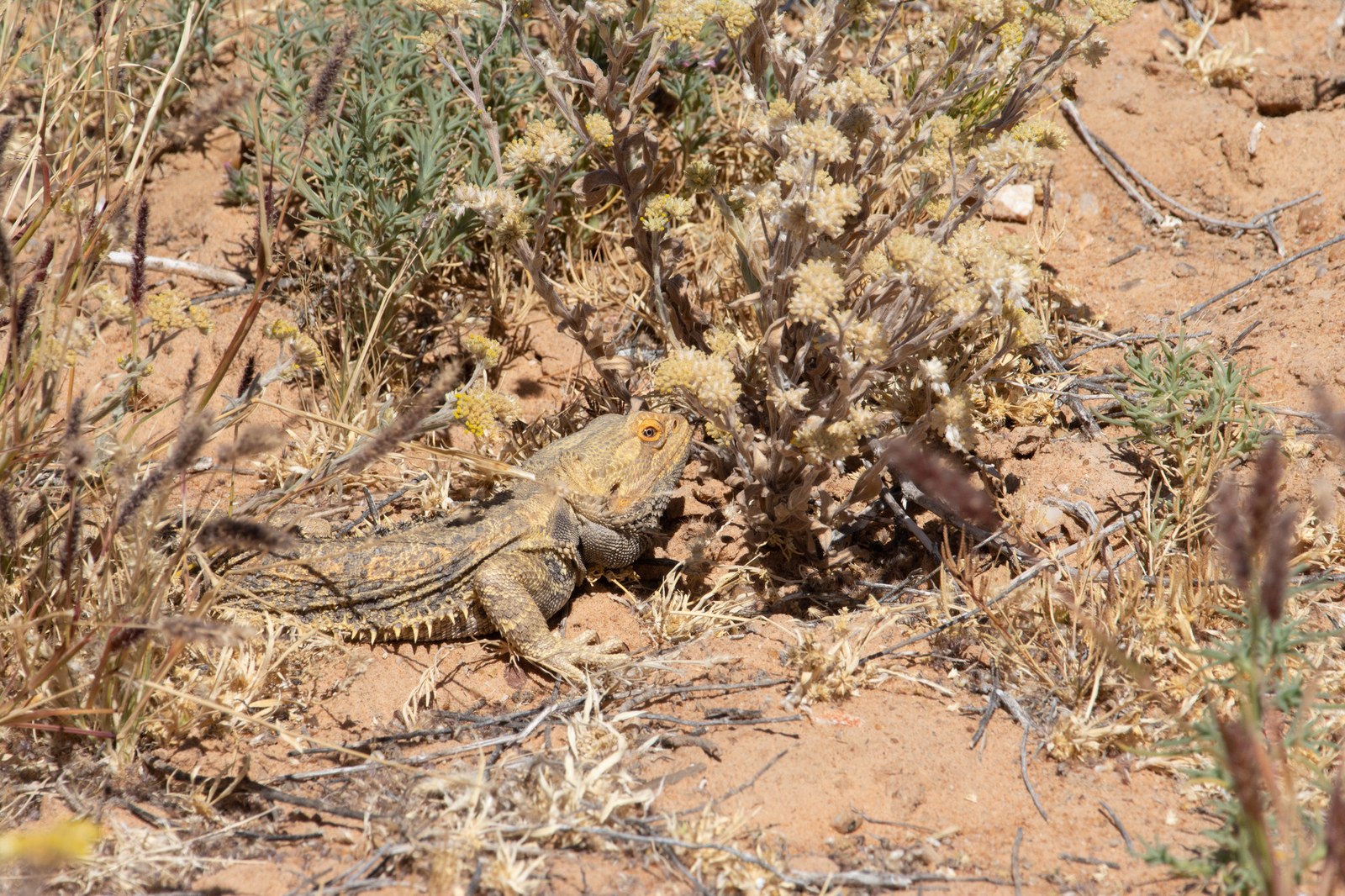
Prevent nutritional bone disease through the whole setup
Metabolic bone disease is a broad term that includes serious disorders of mineral balance and bone strength. In bearded dragons, poor calcium provision and inadequate usable UVB are important preventable contributors. Weak limbs, a soft or swollen jaw, trembling, deformity, and fractures require assessment; advanced cases can involve seizures. A photograph cannot establish severity or distinguish every cause.
Prevention combines an appropriate life-stage diet, a coordinated supplement plan, and verified lighting. For a normally scaled dragon, use basking UVI 4.0–4.5 at the top of the back, with shaded retreat near zero. Check the fixture, lamp age, mesh, and distance rather than relying on the printed UVB percentage. Silkbacks or unusually sensitive individuals require professional adjustment.
Maintain the separate heat measurements that support normal function: 42–45°C (107.6–113°F) on the basking surface, 30–35°C (86–95°F) in warm-zone air, and 22–26°C (71.6–78.8°F) in cool-zone air. More calcium powder is not a safe substitute for diagnosis or equipment correction. A veterinarian may need examination, imaging, or other tests to develop an individual treatment plan.
Interpret breathing, skin, and digestive changes cautiously
A dragon may briefly gape while basking, but persistent open-mouth breathing away from that context, visible effort, or discharge needs veterinary attention. Check ventilation, cleanliness, and actual environmental readings while arranging advice. The daytime humidity target is 30–60% RH at the cool end, away from water and damp retreats. Neither extreme drying nor turning the enclosure into a steam chamber is a treatment for respiratory signs.
Inspect skin for burns, wounds, spreading crusts, swelling, and constricting retained shed. A pale patch before shedding can be normal; a sore enlarging over time is different. Guard accessible heaters, check the basking surface in several places, and keep resting surfaces clean. Do not peel skin or apply household oils, antiseptics, or creams without veterinary direction.
Changed droppings, repeated regurgitation, straining, or appetite loss can have many causes. Diet, temperature, parasites, reproductive problems, and other disease may produce overlapping signs. Fecal testing is more useful than guessing from a photograph, and parasite medication should be based on professional assessment rather than an automatic calendar.
Separate new arrivals and question seasonal assumptions
Quarantine a new dragon away from existing reptiles, preferably in a separate room with dedicated feeding and cleaning equipment. Ask your veterinarian to set the duration and testing plan using the animal's source and history. One normal dropping or a lively first afternoon does not establish that quarantine can end. Care for established healthy reptiles before the newcomer and wash hands between enclosures.
A female can develop eggs without mating. Digging may be part of reproductive behavior, but repeated straining, weakness, or abnormal abdominal enlargement needs prompt advice. Do not squeeze the abdomen to check for eggs or attempt removal. Discuss an appropriate laying opportunity and any further examination with the veterinarian.
Seasonal inactivity is also easy to misread. Do not assume appetite loss is brumation. Review weight, hydration, lighting, temperatures, and health before accepting a seasonal explanation. Never deliberately cool or fast an unassessed pet to force winter dormancy.
Protect people while caring for the dragon
Reptiles can carry Salmonella without appearing ill. Wash hands with soap and running water after handling the animal, droppings, bowls, or enclosure furnishings. Keep the dragon and its equipment away from kitchens and any food-preparation surface. Do not kiss it, bring it near your mouth, or let it roam over dining areas.
Children under five, adults 65 and older, and people with weakened immune systems face greater risk of serious infection. Children under five should not handle reptiles or their environments; families should discuss suitability before acquiring one. Adults must manage cleaning and prevent indirect exposure through contaminated surfaces.
Use dedicated cleaning supplies and remove organic debris before applying a suitable disinfectant according to its label. Rinse and dry equipment as directed before reuse. Good husbandry supports the dragon's health, but it does not make any reptile or enclosure sterile.
Continue reading: Bearded Dragon Handling and Behavior: Build Trust Safely.
Sources and further reading:
- RSPCA: Bearded dragons
- ReptiFiles: Bearded Dragon Lighting, Heating & Humidity Requirements
- ReptiFiles: What Do Bearded Dragons Eat?
- Washington State University Veterinary Teaching Hospital: Metabolic bone disease in bearded dragons
- CDC: Reptiles and Amphibians
Photo credits: Rolf Lawrenz (CC BY 4.0 International), Edward Bell (CC BY 4.0 International). Images resized and compressed for web display. Each image retains its linked license.

