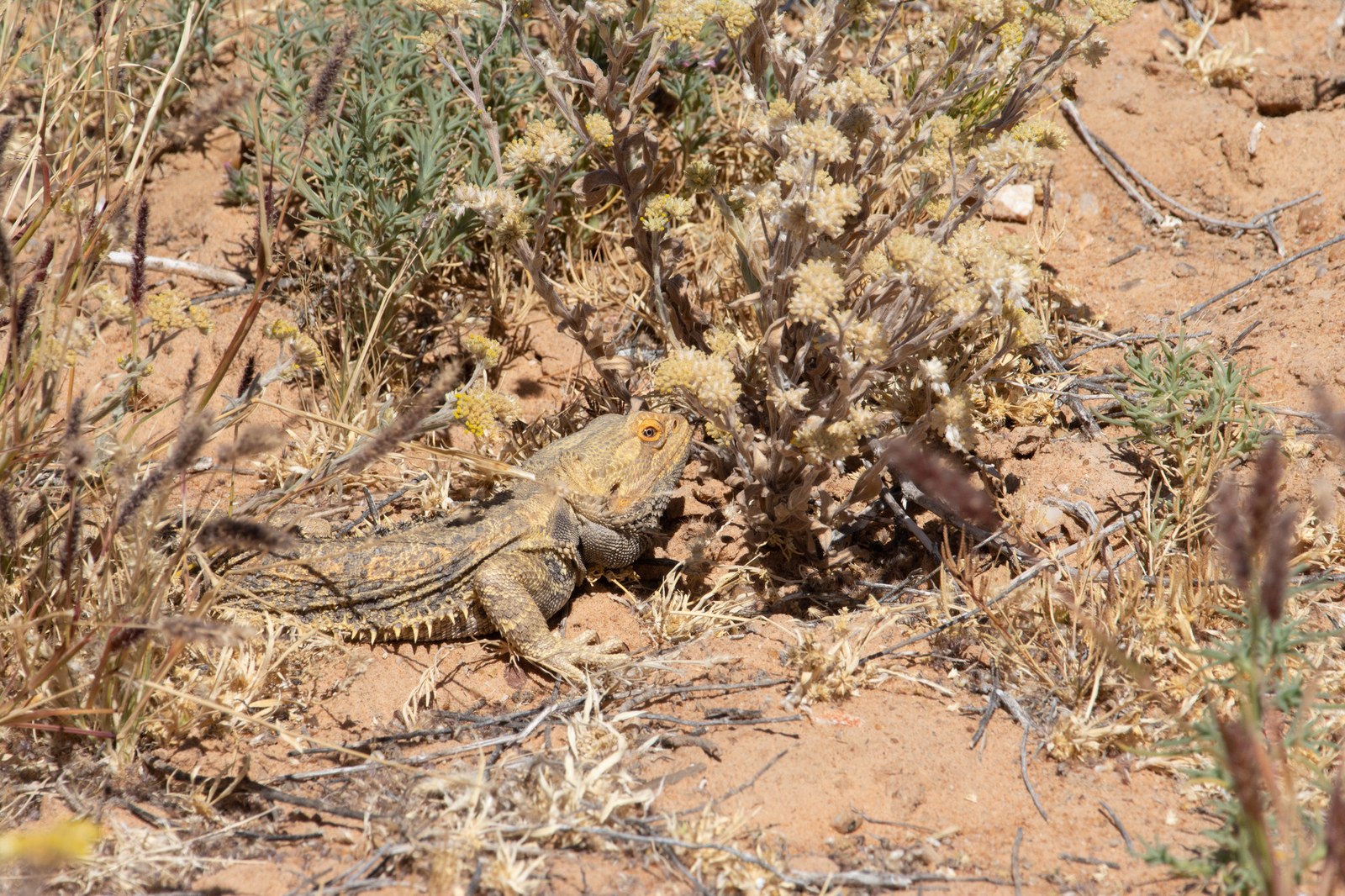
Bearded dragon handling works best when you treat your pet as an observant lizard with choices, not a small dog in scales. Some dragons become comfortable stepping onto a familiar hand; others prefer brief, practical contact. Both can have good welfare. The aim is safe cooperation for routine care, not a promise that every animal will enjoy being carried around the house.
Let a new bearded dragon establish its routine
Moving home changes the dragon's smells, views, feeding patterns, and opportunities to hide. Give a newcomer time to establish reliable basking, feeding, and shelter use before introducing unnecessary handling. There is no universal countdown that makes every animal ready on the same day. Observe its progress and use necessary health checks gently rather than ignoring illness in the name of settling in.
Position the enclosure where daily activity is predictable but not overwhelming. Avoid constant tapping on glass, loud disturbances, and a dog or cat staring into the habitat. Covering an exposed side can help provide visual security, provided ventilation and equipment safety are preserved. The dragon should have somewhere to withdraw without being dragged back into view.
Check that the habitat itself supports normal activity. For daytime air, use 30–35°C (86–95°F) in the warm zone and 22–26°C (71.6–78.8°F) in the cool zone. A quiet dragon may be too cold or unwell; stillness is not reliable evidence of a relaxed temperament.
Read body language in context rather than isolation
Bearded dragons communicate through posture, movement, and color. A dark beard can accompany defensive behavior, reproductive signaling, stress, or discomfort. Head bobbing and arm waving are interesting social signals, but they do not prove that a solitary pet is lonely. Introducing another dragon to satisfy an assumed social need can create competition and injury.
Look for clusters of signs. Flattening the body, puffing the beard, turning toward a hand, and attempting to flee suggest that the interaction should pause. Eye closing during touch should not automatically be described as pleasure. A dragon that has stopped resisting may still be frightened or physically compromised.
Basking gapes can be part of heat regulation, but persistent open-mouth breathing away from basking or obvious breathing effort is different. Similarly, a short period behind a hide is not the same as prolonged withdrawal with appetite loss. Record context and duration so a veterinarian can interpret a change more usefully than a single image allows.
Use supported, low, voluntary handling
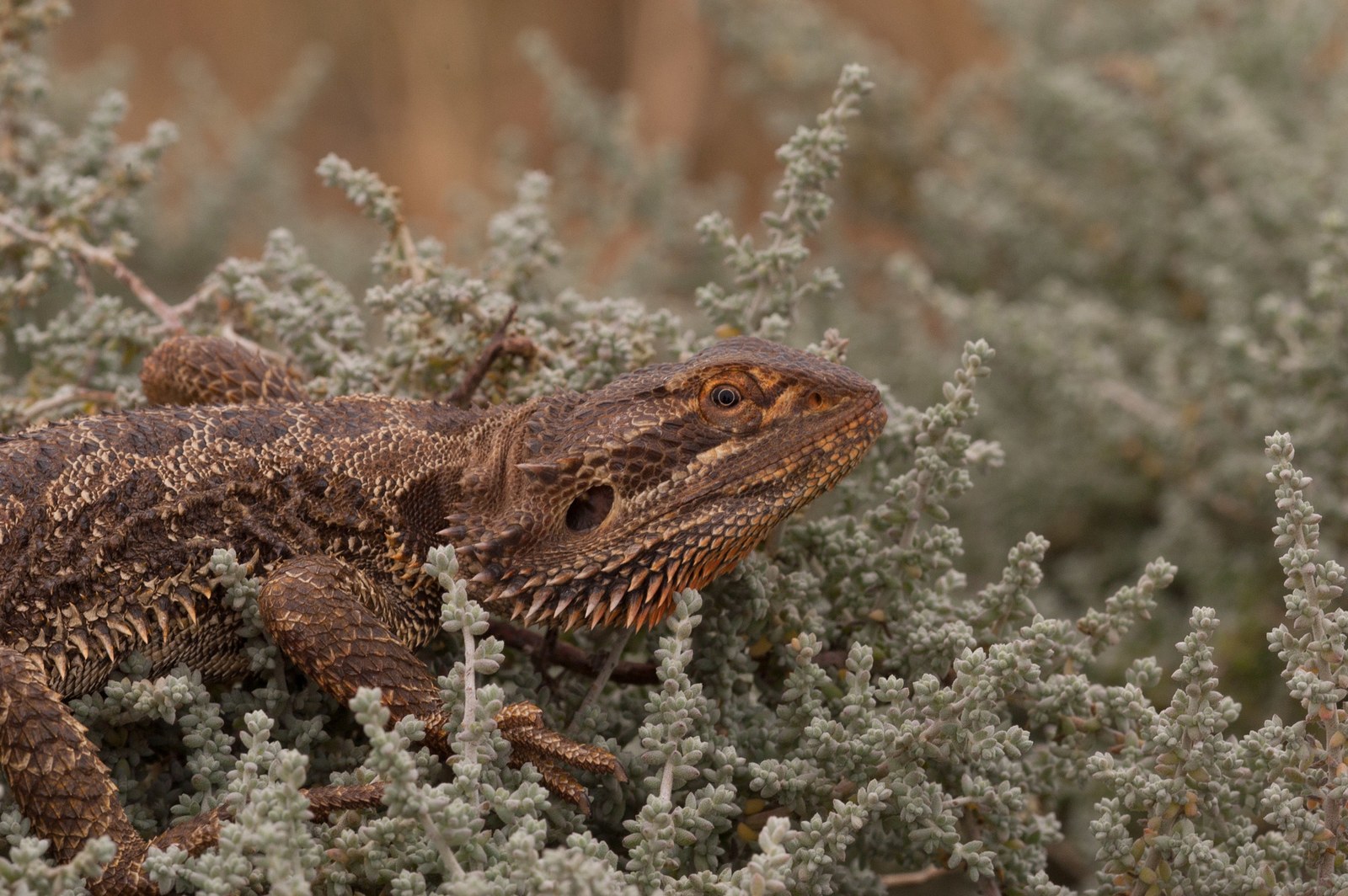
Begin by placing your hand where the dragon can see it without blocking its retreat. Approach from the side rather than swooping down from above. When lifting is necessary, slide support beneath the chest and pelvis, allowing the feet to rest securely. Keep the body level and close to your lap or another safe surface instead of holding it high above the floor.
The tail is not a handle. Never lift by it, restrain a limb, squeeze the abdomen, or pin a struggling animal until it gives up. If the dragon becomes restless, lower it safely and allow it to return to the enclosure. Early sessions should end before obvious distress, not after a predetermined endurance goal.
- Prepare a safe destination before opening the enclosure.
- Support the whole body and provide footing for every foot.
- Keep the animal away from faces and mouths.
- Watch for tension, rapid escape attempts, or defensive displays.
- Finish calmly and wash your hands afterward.
Children need direct adult supervision, and children under five should not handle reptiles or their environments because of infection risk. An apparently tolerant dragon can still scratch, jump, or bite when startled.
Keep exploration safe and preserve habitat access
A room that seems tidy can contain dangerous escape routes behind appliances, beneath furniture, or into wall gaps. Before supervised exploration, close doors, remove other pets, cover openings, and check for sharp items, loose threads, houseplants, and small objects that could be swallowed. Never leave a dragon loose while you answer a call or prepare food.
Choose a low, easily monitored space rather than a shoulder perch. A sudden jump can injure the animal, and a harness does not remove every risk of slipping or becoming trapped. Avoid kitchens, dining surfaces, bathrooms used for food-related cleaning, and any area where contamination would be difficult to control.
Time outside the enclosure is not a replacement for heat or UVB. Return the dragon before it becomes chilled or stressed, and avoid interrupting necessary basking after meals. Direct sunshine through a window does not provide dependable useful UVB, while an enclosed glass container in the sun can overheat rapidly. Outdoor exposure needs secure containment, shade, and continuous knowledgeable supervision; it is optional, not a basic requirement.
Offer enrichment without social pressure
A dragon can explore and make choices inside a well-designed enclosure. Provide secure climbing routes, varied sightlines, hides, and opportunities to investigate appropriate food. Arrange furnishings so it can reach warm and cool areas without navigating a difficult obstacle course. Make changes gradually and recheck measurements whenever a platform or branch moves closer to a lamp.
For normally scaled dragons, basking UVI 4.0–4.5 at back height should still lead to shaded retreat near zero. The basking surface target is 42–45°C (107.6–113°F), measured independently of air. Moving a perch can change both heat and ultraviolet exposure even when every electrical setting stays the same.
Food rewards can encourage stepping onto a hand or approaching a feeding location, but include them in the planned ration. Mature dragons should not receive a stream of extra insects simply because training is enjoyable. Solitary housing remains the default, and other reptile species are comparison options rather than enrichment partners.
Investigate persistent behavior changes instead of forcing trust
Repeated glass surfing may reflect visible reflections, another animal, reproductive behavior, limited usable space, or unsuitable conditions. Check the environment and recent changes before concluding that the dragon wants constant handling. Keep a short log of when the behavior occurs and what happens before and after it.
A sudden change in a previously comfortable animal deserves particular attention. Pain, illness, shedding discomfort, and equipment failure can all affect willingness to interact. Reduce unnecessary handling while you check the habitat and arrange advice when the change persists.
Respecting a dragon's limits makes everyday care safer. A successful relationship may look like calm feeding, cooperative health checks, and quiet observation rather than long cuddling sessions. That is a valid and rewarding way to live with a reptile.
Continue reading: Bearded Dragon Shedding and Skin Care: Safe Practical Help.
Sources and further reading:
- RSPCA: Bearded dragons
- ReptiFiles: Bearded Dragon Lighting, Heating & Humidity Requirements
- ReptiFiles: What Do Bearded Dragons Eat?
- Washington State University Veterinary Teaching Hospital: Metabolic bone disease in bearded dragons
- CDC: Reptiles and Amphibians
Photo credits: Edward Bell (CC BY 4.0 International), Rolf Lawrenz (CC BY 4.0 International). Images resized and compressed for web display. Each image retains its linked license.

