Pacific Parrotlet Care: Space, Safety, and a Reliable Daily Routine
Pacific Parrotlet care takes more than a small cage. Plan flight space, safe housing, balanced feeding, daily enrichment, and an avian veterinary routine.
Read article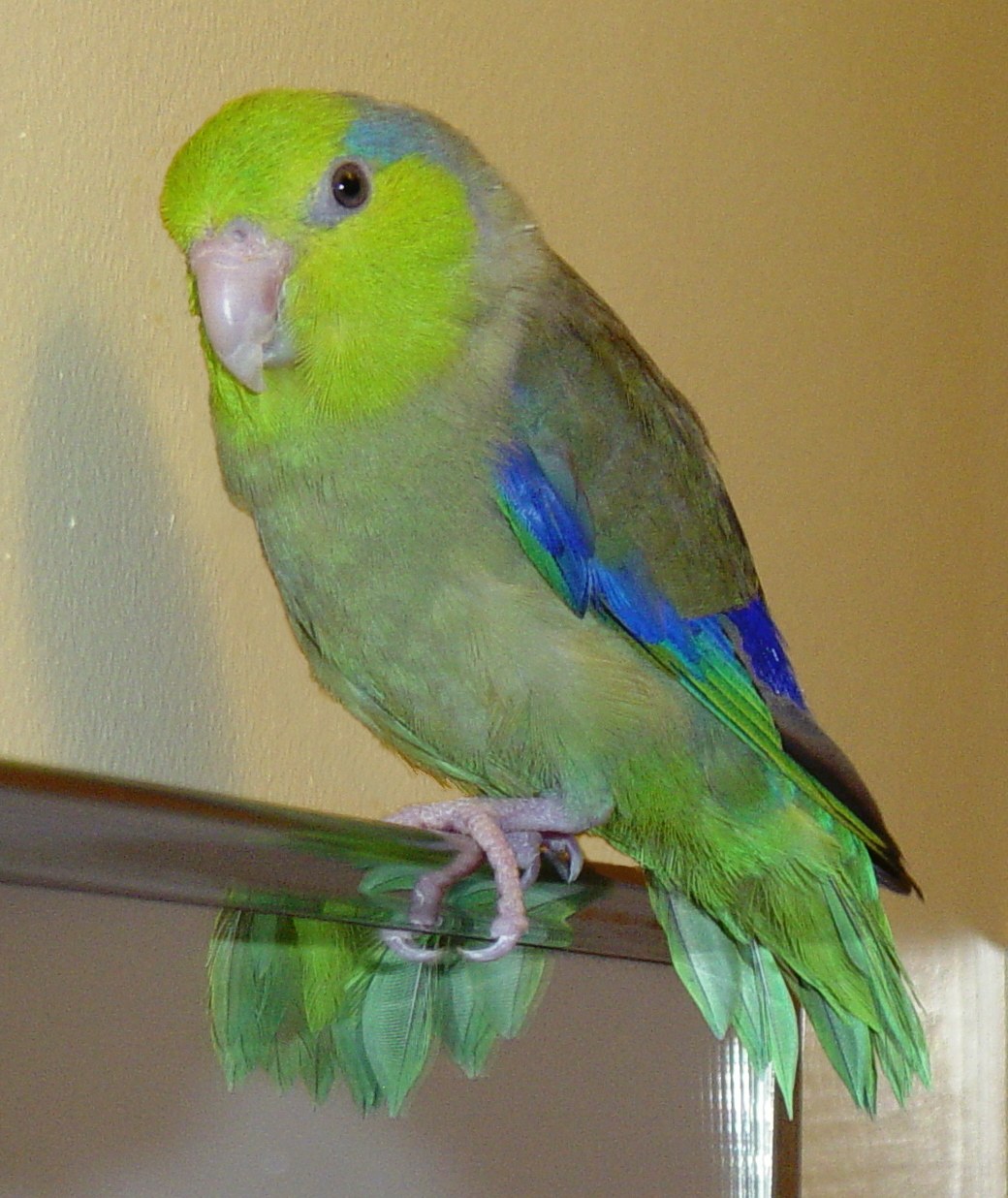
Forpus coelestis
A tiny Pacific-slope parrot with a curious mind, strong boundaries, and full-sized care needs
Deep Dive
The Pacific Parrotlet, Forpus coelestis, comes from the Pacific side of northwestern South America. Its main range includes western Ecuador and northwestern Peru, with records farther north in southwestern Colombia. World Parrot Trust describes dry wooded habitats, thorn scrub, riverbank vegetation, cultivated areas, and gardens rather than a life confined to tropical rainforest. Wild birds forage both in vegetation and on the ground, taking foods such as grass seeds and fruits. Their small size helps them use fine branches, but it does not remove their need to move between feeding and resting places.
Celestial Parrotlet and Lesson's Parrotlet are alternate names for this same species. Green-rumped and spectacled parrotlets are different species, not alternative color names for a Pacific. Captive color mutations also do not create new species: a blue or yellow Pacific Parrotlet still needs care appropriate to Forpus coelestis. Identification should come from reliable provenance and species knowledge, not a seller's use of the general word parrotlet.
For a companion bird, look for a responsible rescue or a documented captive-bred, fully weaned individual. Ask about previous housing, diet, health examinations, and handling preferences before focusing on color. Check locally applicable ownership and movement requirements, especially across borders. Captive breeding does not make these birds domesticated in the same sense as dogs, nor does a hand-reared background guarantee an affectionate adult. Their history as mobile, socially responsive parrots remains relevant to everyday welfare.
Pacific Parrotlets can be bold investigators, cautious observers, enthusiastic learners, or a mixture depending on the situation. One bird may willingly approach a familiar person while refusing hands near its food bowl. Another may enjoy training without ever seeking touch. These differences are not evidence that a bird has failed to become tame. Early experience, health, sleep, the immediate environment, and the way people respond to warnings all influence behavior. Broad trait scores are editorial care guides, not measured personality tests or promises about an individual.
Territorial behavior deserves special attention. A Pacific Parrotlet may defend a cage, favored perch, person, or enclosed space and can injure another bird despite its tiny body. Being social does not mean being suitable for a mixed aviary. Separate cages, sufficient distance to prevent biting through bars, and individually supervised exercise are safer defaults. Even two Pacific Parrotlets require careful compatibility assessment; a previously peaceful relationship can change. Buying a second bird is not a reliable cure for biting or boredom.
Build confidence through predictable, voluntary interactions. Reward a calm approach, teach a simple target cue, and let retreat remain possible. Never punish a bite by shaking a hand, flicking the beak, or withholding essential food. A quiet chirp, a move away, or refusal to step up can provide useful information before a conflict develops. Some individuals mimic sounds, but speech is neither guaranteed nor a measure of welfare. Choose this species for its natural behavior rather than an expectation of constant cuddling or entertainment.
A Pacific Parrotlet has a compact body, relatively large head, stout curved beak, and short pointed tail. World Parrot Trust gives a reference length of about 12.5 centimeters and weight of approximately 33 grams. These are descriptive figures, not a feeding target or a substitute for a veterinarian's body-condition assessment. A healthy individual's weight can differ, so record its own stable baseline. Feathers can conceal loss of body condition, making an apparently rounded outline an unreliable guide to nutritional health.
In wild-type plumage, males show conspicuous blue on parts of the wings, lower back, and rump, with a blue line behind the eye. Females have green where much of the male's wing blue appears, but may still show a blue tinge behind the eye or on the rump. That detail matters: a small patch of blue alone is not a dependable sexing rule. Young birds and captive color mutations can make visual assessment harder. When sex affects medical or housing decisions, ask an avian veterinarian about appropriate confirmation.
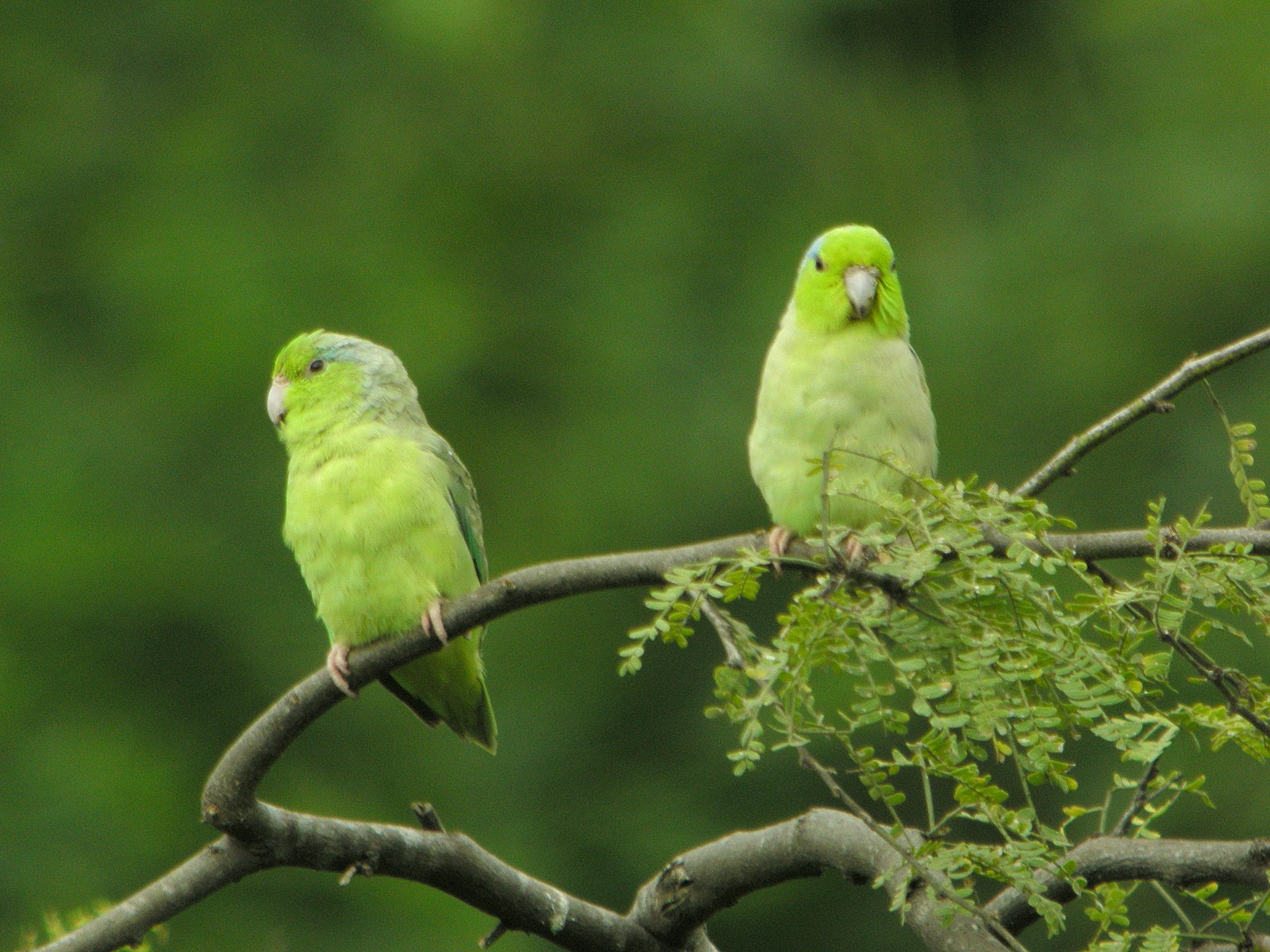
Pet birds may be green, blue, yellow, or other selectively bred colors without becoming a different parrotlet species. Neither price nor a rare-looking color establishes health or temperament. Look instead for comfortable breathing, coordinated movement, clean surroundings, and documented care. Normal preening and molt maintain plumage; persistent bald areas, blood, broken skin, or an abrupt deterioration need investigation. Avoid claims that a sleek bird must be healthy or that a ruffled bird merely needs a bath. Posture, activity, appetite, and feather condition should be considered together.
Photo credits: Jhwodchuck (English Wikipedia) (Public domain (copyright holder release; PD-user, not CC0)), markaharper1 (CC BY-SA 2.0 Generic). Images resized and compressed for web display. Each image retains its linked license.
Living with a Pacific Parrotlet means arranging a household around a small, mobile animal with a strong beak and limited ability to survive mistakes. Daily care includes observing food intake and droppings, changing water, cleaning dishes, checking toys, and offering both independent foraging and safe interaction. Flight opportunities need a closed, prepared room with fans stopped, windows secured, and other pets excluded. A bird that fits in a pocket also fits beneath a cushion or behind furniture; location checks are essential before anyone sits down or opens a door.
Provide a spacious home base with usable horizontal space and varied stable perches. World Parrot Trust recommends an indoor aviary length of at least 1.8 meters, approximately six feet; treat this as a recommended enclosure target, not a universal legal minimum. Avoid filling that space with toys until flight becomes impossible. Keep the enclosure away from kitchens, smoke, aerosols, and overheating nonstick appliances. A predictable, quiet nighttime routine supports rest without turning the cage into a dark punishment area during the day.
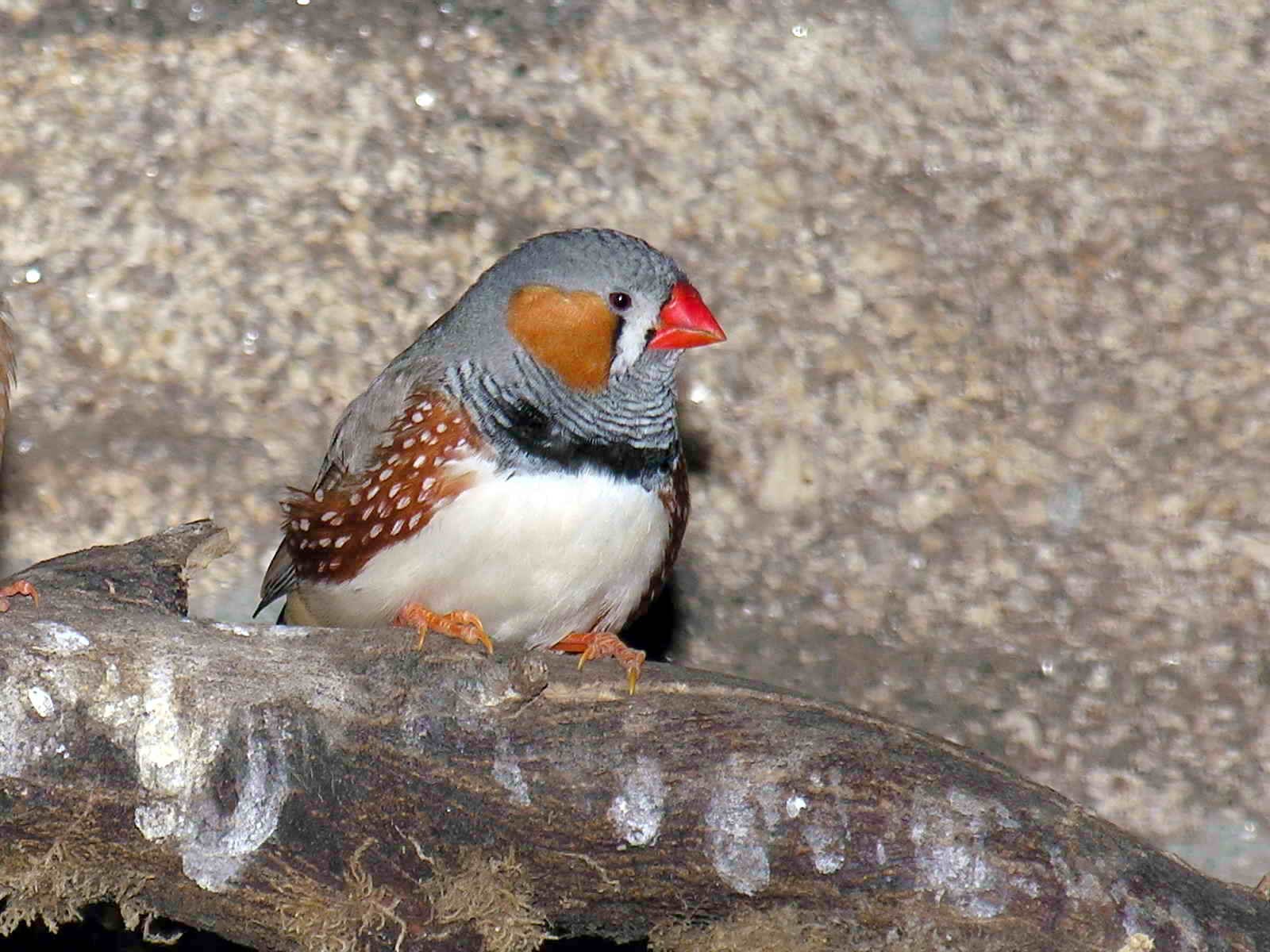
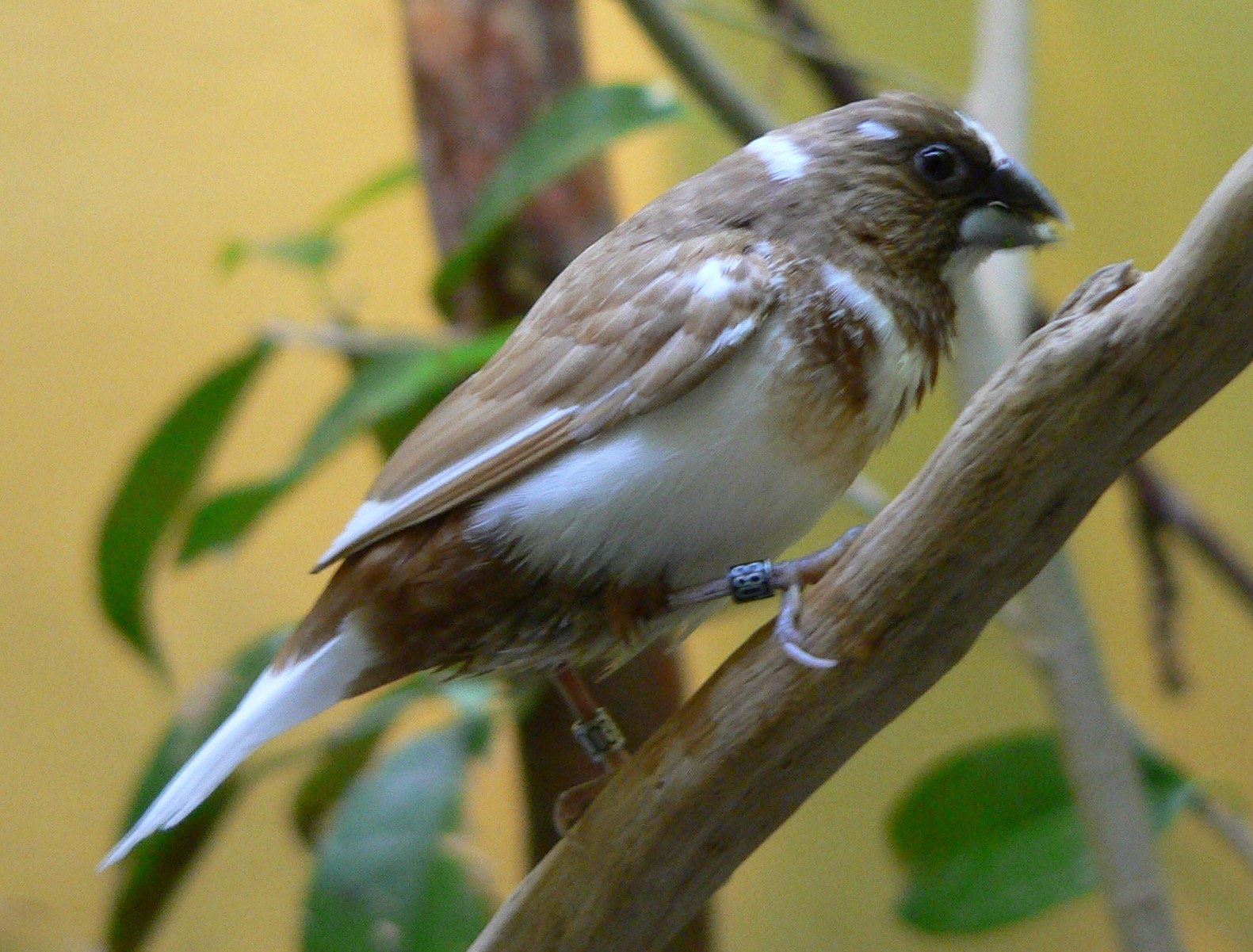
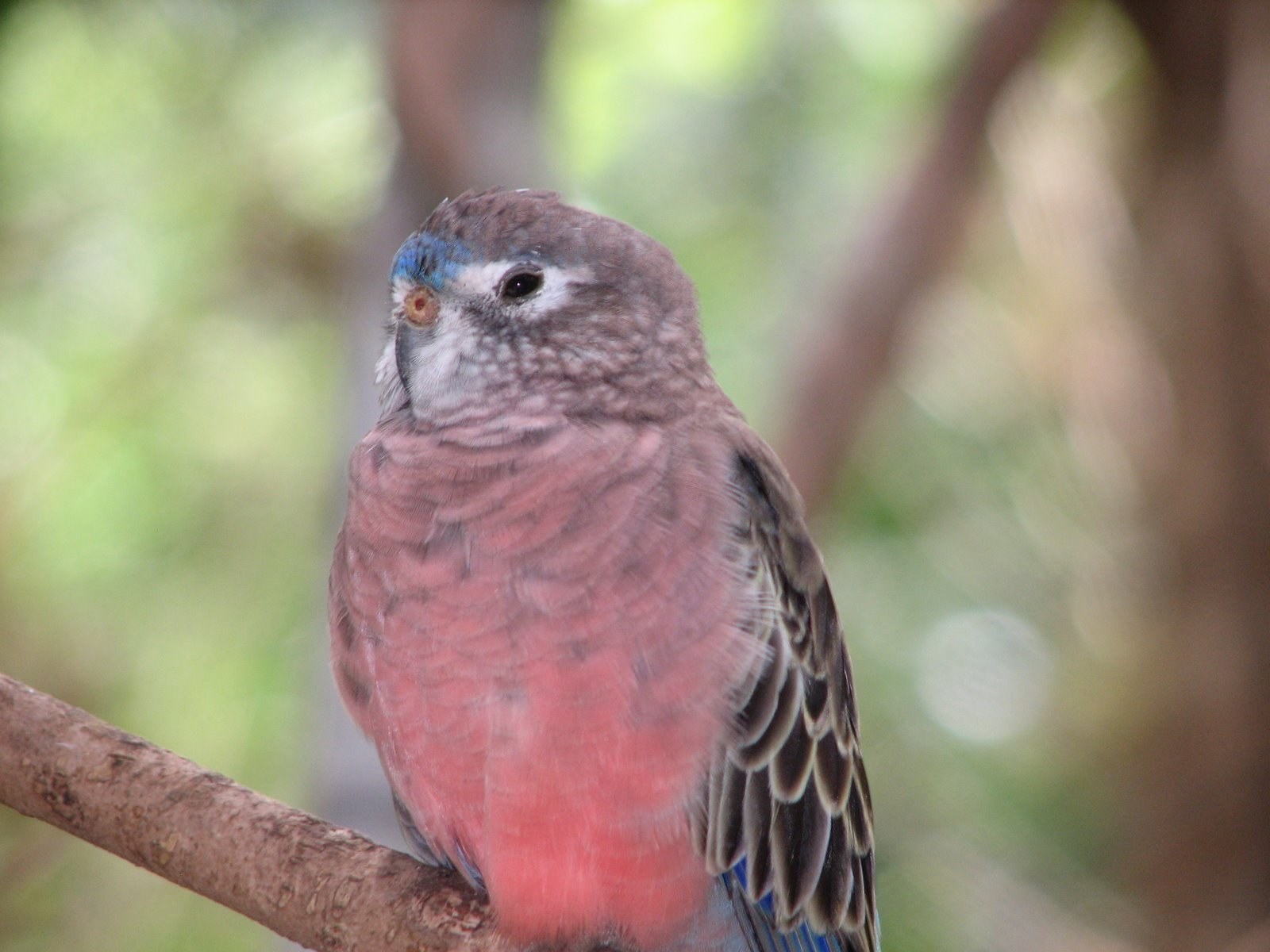
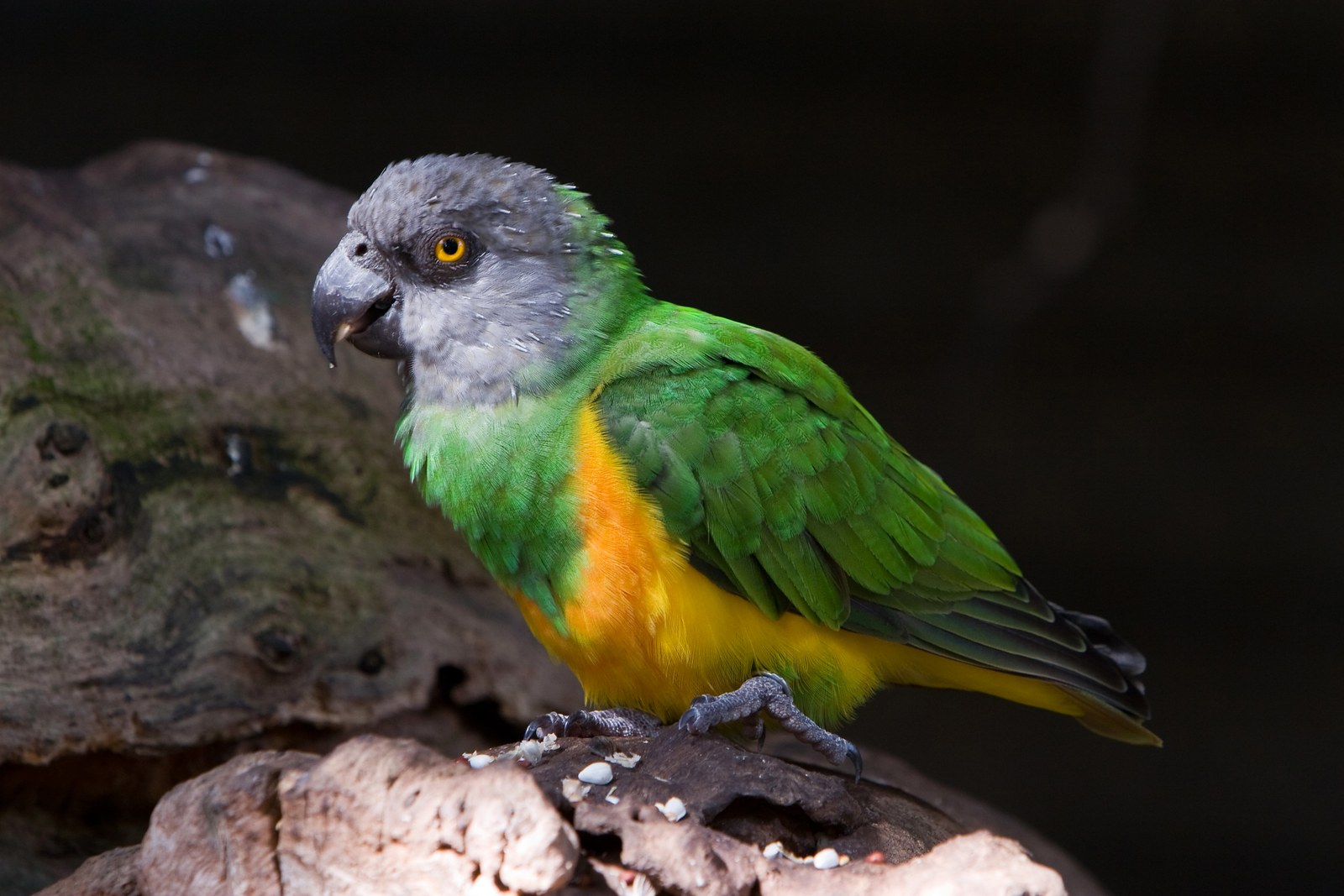
Budget for an avian veterinarian, emergency transport, replacement supplies, and a competent holiday caregiver. A commonly quoted captive lifespan is fifteen to twenty years, with substantial individual variation and some longer-lived birds. Children need adult supervision, and cats or dogs must not have physical access even when they seem gentle. The other birds shown for comparison on this page are not proposed cage companions. Choose a Pacific Parrotlet only if its changing preferences and long-term needs fit your life, not because its body or purchase price seems manageable.
At a Glance
Ownership Guide
Provide horizontal flight space, secure narrow bar spacing, and stable perches without crowding the flight path. World Parrot Trust recommends a 1.8 m indoor aviary length as a care target; supervised room flight still requires closed doors, stopped fans, and complete separation from other pets.
Work toward a varied, veterinarian-guided diet that includes an appropriate formulated food and vegetables rather than seed alone. Keep familiar foods available during gradual changes and verify actual intake with weight and dropping records; parrotlets do not require grit.
Offer a shallow clean-water bath or gentle mist that the bird can choose to leave, then allow natural drying in a comfortable room. Clean food dishes and water containers daily, and avoid shampoo, oils, scented sprays, and abrasive perch covers.
Use small, achievable foraging tasks and bird-safe chewing materials suited to a tiny but determined beak. Reward voluntary targeting, stepping onto a perch, and entering a carrier; do not force contact or remove meals to obtain cooperation.
Offer predictable companionship while respecting the individual's preferences for distance and touch. Territorial Pacific Parrotlets are not generic community-aviary birds: separate cages and prevention of contact through bars are safer starting arrangements.
Arrange an initial avian examination, ongoing preventive visits, and a veterinarian-designed quarantine plan before introducing any new bird. Breathing difficulty, cage-floor sitting, straining, bleeding, or sudden weakness require urgent veterinary attention rather than waiting for the next routine appointment.
Wellness
Reduced eating, fewer droppings, unusual silence, or a sustained weight change can precede an obvious sick appearance. Establish an individual baseline and contact an avian veterinarian promptly when it changes; do not wait for a preset percentage loss.
Open-mouth breathing at rest, pronounced tail movement with each breath, or collapse is an emergency. Keep smoke, aerosols, and fumes from overheating nonstick products out of the bird's air, and seek urgent care after suspected exposure.
Seed-only feeding can leave nutritional gaps, but sudden withdrawal of familiar food can also endanger a tiny parrot. Change the diet gradually with veterinary guidance and monitor what is swallowed rather than merely what disappears from a bowl.
Another parrotlet, a larger bird, a cat, or a dog can inflict serious injury during very brief contact. Separate housing and controlled exercise prevent avoidable encounters; bites, bleeding, or impaired perching need urgent assessment.
A female may lay eggs without a male, and repeated laying warrants veterinary review of diet and environment. Straining, weakness, labored breathing, or sitting on the cage floor may signal an emergency; never massage the abdomen or attempt to remove an egg.
Molt produces replacement feathers, but persistent bald patches, wounds, or destructive chewing should not automatically be labeled boredom. An avian veterinarian can assess medical and environmental contributors before a behavior plan is chosen.
A consistent routine, individual weight records, clean equipment, and regular avian examinations make changes easier to recognize. These habits support welfare but cannot guarantee freedom from infectious disease or other illness.
Further Reading
Pacific Parrotlet care takes more than a small cage. Plan flight space, safe housing, balanced feeding, daily enrichment, and an avian veterinary routine.
Read articleFeed your Pacific Parrotlet with confidence: compare pellets and seeds, introduce vegetables, monitor real intake, and avoid risky changes or toxic foods.
Read articleRecognize Pacific Parrotlet illness early with weight and dropping checks, breathing alerts, injury prevention, and a clear plan for urgent avian treatment.
Read articleTrain a Pacific Parrotlet with voluntary steps, useful rewards, and respect for cage boundaries. Learn to read refusals and prevent avoidable biting calmly.
Read articleKeep Pacific Parrotlet feathers and feet comfortable with voluntary bathing, safe perches, molt awareness, and clear limits on nail, beak, and wing care.
Read articleConsider daily life with a Pacific Parrotlet, from noise and household boundaries to workdays, children, other pets, holiday care, and a long-term commitment.
Read articleYou May Also Like