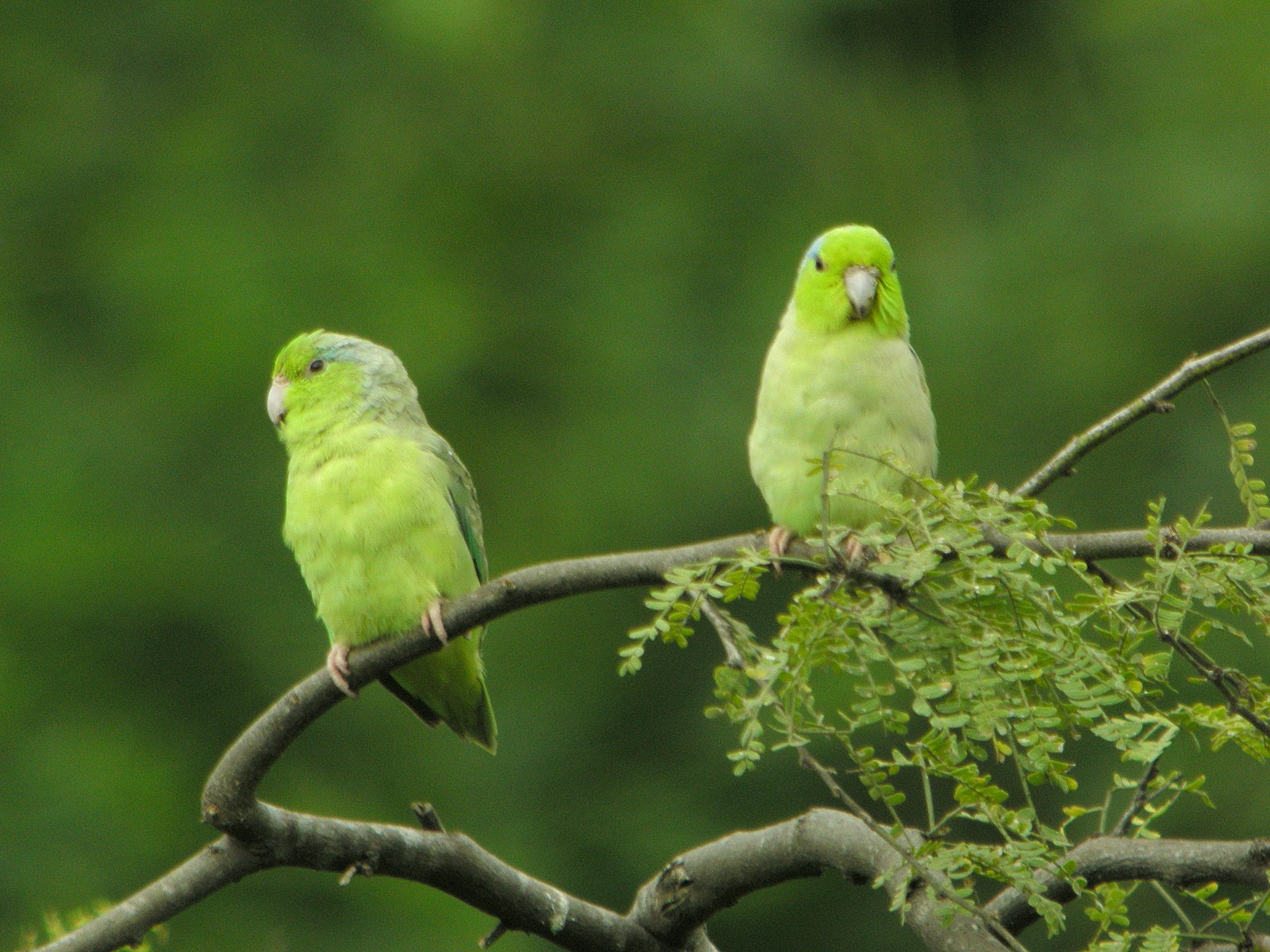
Feeding a Pacific Parrotlet involves two separate questions: is the diet nutritionally appropriate, and is the bird actually eating it? A colorful bowl can fail both tests if the bird selects only favorite seeds or treats vegetables as toys. Because Forpus coelestis has a tiny body, a poorly managed change can become consequential quickly. Improve the diet through observation and gradual learning, not by trying to make hunger overcome unfamiliarity.
Start with a food history and a personal baseline
Before changing anything, find out what your parrotlet has reliably eaten. Ask the previous caregiver for the brand, food form, serving routine, preferred items, and recent weight records. The answer may differ from the diet listed on a care sheet. A bird offered pellets every day might still have survived entirely on millet or another selectively chosen seed.
Record several ordinary meals, noting what is swallowed rather than merely moved. Establish a weight baseline with an appropriate gram scale, ideally using voluntary perch training. Take readings at a comparable time without fasting the bird specifically for weighing. About 33 grams is a species reference, not a target to achieve by restricting food. An avian veterinarian can evaluate body condition and explain what changes matter for your individual bird.
Build balance without inventing a universal percentage
Wild Pacific Parrotlets take grass seeds and fruits while moving through varied habitats. That natural history does not justify an unlimited bowl of commercial seed in a comparatively sedentary home. Pet birds can select preferred items from mixes, leaving less favored components behind and making the apparent variety misleading. Seed-only feeding can provide excess energy while missing nutritional needs.
A practical companion diet generally includes a suitable formulated parrot food, vegetables, and deliberately limited extras. Ask a species-experienced avian veterinarian to choose the formulation and balance for the bird's health, activity, and established diet. There is no reason to copy a large-parrot percentage or an internet calorie number as though it had been validated for every Pacific Parrotlet. A pellet's size and texture also affect whether a tiny beak can manage it.
Seeds can still have a useful role, including familiar food during transition and small training rewards. Measure what you offer so treats do not quietly become the main meal. Fruit is an optional small component rather than a substitute for vegetables or a complete food. Keep a clear distinction between something being non-toxic and something being suitable as a substantial part of the diet.
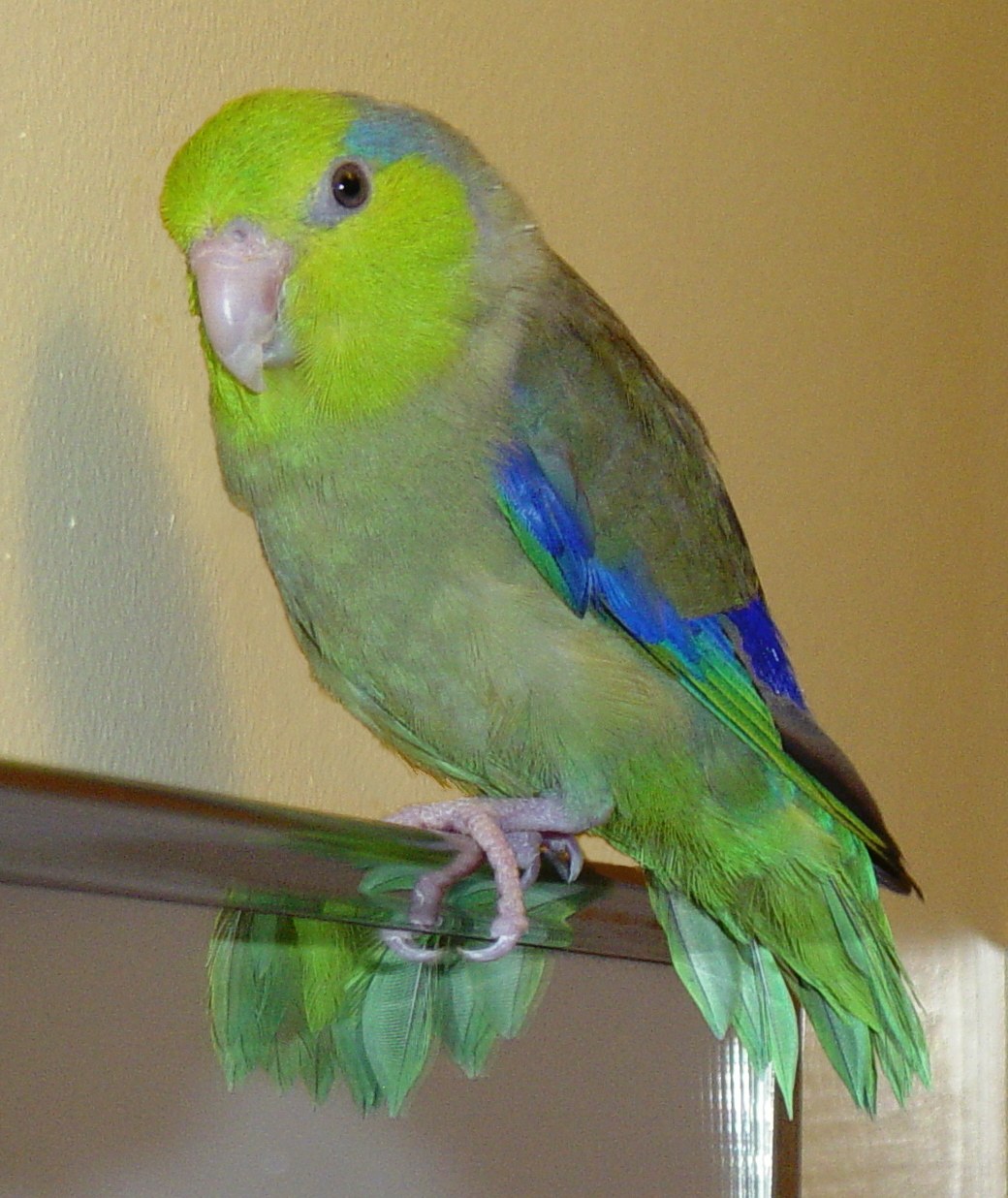
Teach new foods while protecting reliable intake
Diet conversion is a learning process. Offer new food beside an established dish or in another accessible container so a territorial parrotlet does not have to surrender its familiar feeding place. Choose a calm period rather than combining conversion with relocation, illness, or a major household change. Introduce one manageable adjustment at a time and keep records of the response.
A cautious progression is:
- Identify foods the bird demonstrably eats and keep those available.
- Present a small amount of an appropriate new food in an easy-to-reach place.
- Watch eating directly and check the remaining food for hulls or discarded fragments.
- Compare weight, activity, and droppings with the bird's baseline.
- Adjust proportions only when intake is established, with veterinary guidance.
Do not set a deadline that requires the bird to comply by a particular day. Pellets may be crushed without being swallowed, and a dish can look full when it contains mostly empty seed hulls. Any persistent reduction in intake or downward weight trend deserves a call to the avian clinic. Do not wait for a dramatic loss before asking for help.
Make vegetables recognizable and manageable
Offer washed vegetables such as broccoli, carrot, bell pepper, and suitable leafy greens in small, manageable pieces. Presentation matters: one bird may nibble a clipped leaf while another investigates finely chopped vegetables in a shallow dish. Keep clips and attachments secure and position them where the bird can reach without balancing awkwardly. Remove items that frighten rather than interest it, then try a gentler introduction later.
Repeated exposure is more useful than replacing the whole menu every day. Start with a few options, learn what textures attract attention, and vary the selection over time. Plain cooked grains or thoroughly cooked legumes can provide occasional variety if your veterinarian includes them in the plan; raw dried beans are not an appropriate shortcut. Avoid added salt, sauces, butter, and seasoning.
Keep meals hygienic and hazards inaccessible
Small portions reduce waste, but they still need safe handling. Wash produce, clean preparation surfaces, and serve fresh food in clean dishes. Remove moist food promptly before spoilage, sooner in warm conditions, rather than leaving it available all day. Wash and rinse food and water containers daily and replace drinking water whenever food or droppings contaminate it.
Keep avocado, chocolate, caffeine, and alcohol completely inaccessible. Do not share heavily salted snacks, moldy food, or sweetened drinks. A bird on a shoulder can reach a mug or plate faster than expected, so separate human meal preparation from out-of-cage time. Avoid cooking exposure as well as food exposure: smoke and fumes from overheating nonstick equipment are dangerous to birds.
Use feeding to support health and independent activity
Parrotlets hull seeds and do not need grit for digestion. Likewise, extra vitamin powders or calcium products are not automatically beneficial when a diet already contains a formulated component. Discuss supplementation with an avian veterinarian, especially for a female laying eggs or a bird with a diagnosed condition. Changes in thirst, appetite, or food preferences can be medical clues rather than fussiness.
Foraging should make meals engaging, not inaccessible. Begin with a familiar item partly visible in loosely folded clean paper, while an ordinary food dish remains available. Increase difficulty only when the bird comfortably succeeds. In multi-bird homes, feed Pacific Parrotlets separately so territorial behavior cannot conceal another bird's missed meals. The best feeding plan is one you can verify: balanced enough for the individual, consistently eaten, hygienically served, and adjusted when its needs change.
Continue reading: Pacific Parrotlet Health: Subtle Changes, Urgent Signs, and Prevention.
Sources and further reading:
- World Parrot Trust: Pacific Parrotlet
- WebMD: What to Know About the Pacific Parrotlet
- MSPCA-Angell: How to Care for Birds: Parrots as Pets
- MSD Veterinary Manual: Management of Pet Birds
- MSD Veterinary Manual: Illness in Pet Birds
Photo credits: markaharper1 (CC BY-SA 2.0 Generic), Jhwodchuck (English Wikipedia) (Public domain (copyright holder release; PD-user, not CC0)). Images resized and compressed for web display. Each image retains its linked license.


