Bourke's Parakeet Care: Space, Safe Flight, and Daily Routines
Give your Bourke's Parakeet room to fly, a safe dawn-and-dusk routine, balanced food, and gentle company with this practical guide to thoughtful daily care.
Read article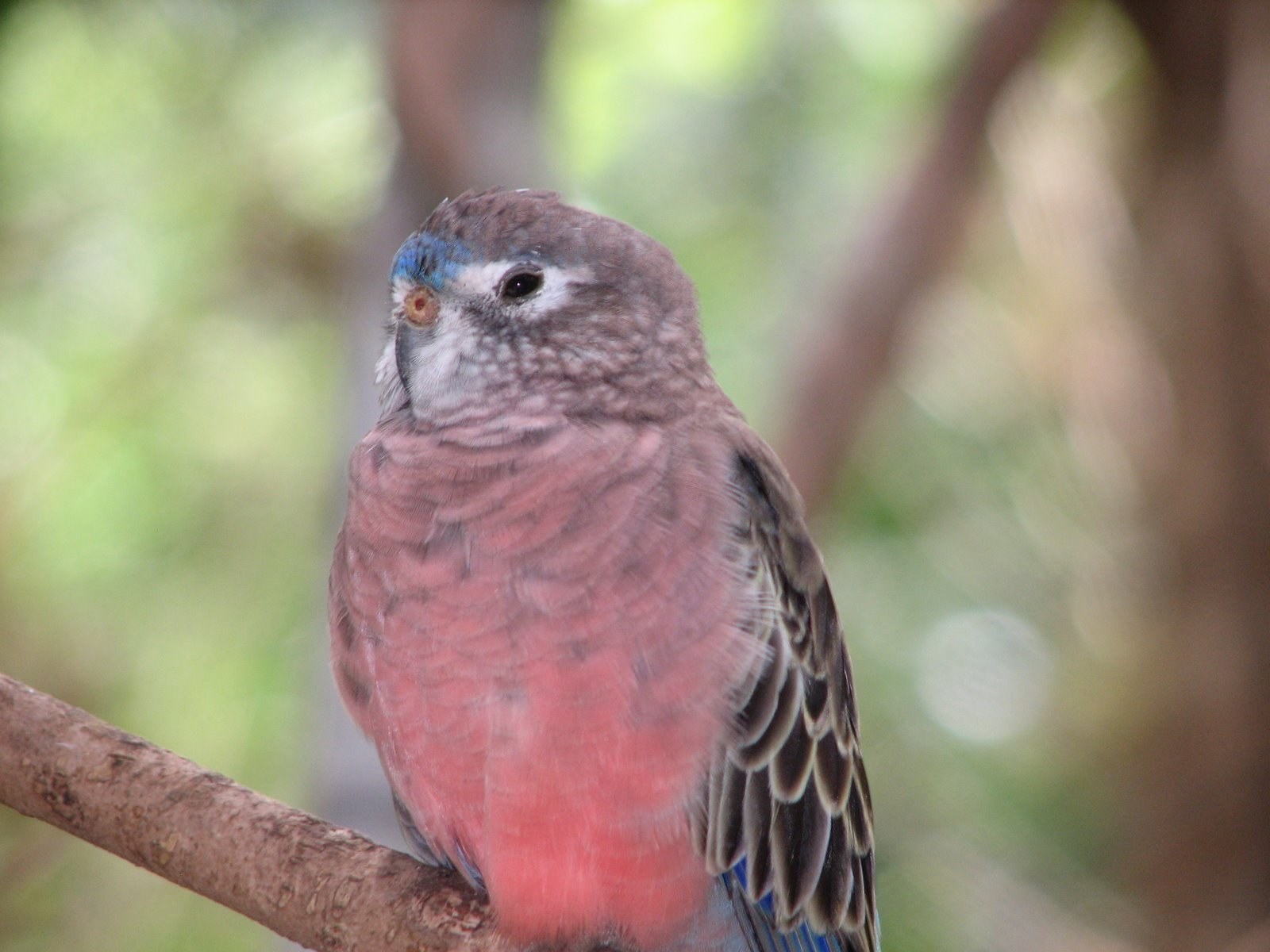
Neopsephotus bourkii
A soft-voiced Australian parrot that needs room to spread its wings at dawn and dusk.
Deep Dive
Bourke's Parakeet comes from the arid and semi-arid interior of Australia, where mulga, other acacia scrub, and open woodland provide feeding and shelter opportunities. The accepted name used here is Neopsephotus bourkii; older avicultural books may list Neophema bourkii. Bourke's Parrot is another common English name for the same species. Its natural setting explains more about appropriate care than the broad label parakeet: these birds move through open space and forage mainly on the ground, rather than spending every active moment climbing and dismantling vegetation.
The Australian Museum describes pairs or small groups and a diet based on grass and herb seeds. Birds commonly visit watering places around dawn and dusk, sometimes after dark. This crepuscular tendency does not mean a pet should be housed in darkness or encouraged to fly around an unlit room. Instead, it suggests allowing safe activity at the edges of the day, followed by a predictable, undisturbed night. Seasonal food and water availability shape wild movements, so a single rigid activity timetable cannot describe every individual.
For a companion bird, choose a reputable rescue or a transparent captive breeder and request identity, diet, health, and origin records. Color mutations do not create a different species or remove its flight needs. Check locally applicable ownership and movement rules rather than assuming one rule applies everywhere. A fully weaned bird already eating independently is the appropriate starting point; home hand-rearing is not a shortcut to trust.
Bourke's Parakeets are generally known for soft voices and a gentle, relatively reserved manner. Those tendencies can make them appealing to people who enjoy watching birds communicate without expecting constant talking or physical contact. Quiet is not the same as inactive, however. A bird that rests through part of the afternoon may become an enthusiastic flyer and caller toward evening. Individual history, health, social relationships, and the household's lighting all influence how strongly that pattern appears.
Trust often develops through predictable, low-pressure contact: sitting nearby, replacing bowls calmly, and rewarding a voluntary approach. Some birds learn a hand step-up readily; others are more comfortable using a handheld perch or simply sharing space. A bird that does not seek stroking can still have a rewarding relationship with its caregiver. Never interpret freezing, retreating, or repeated escape flights as a need for firmer handling. Give the bird choices, keep sessions short, and make practical skills such as returning home more important than performing tricks.
Social opportunities deserve planning rather than an automatic promise that any other bird will be suitable. A compatible Bourke's companion can provide meaningful company, but introductions require veterinary quarantine, separate accommodation, and supervision. Larger or more assertive parrots can overwhelm a quiet bird, and even two Bourke's may not share resources peacefully. Provide several feeding and resting locations and retain a separation option. Trait scores on this page describe broad husbandry tendencies, not measured intelligence, guaranteed temperament, or permission to mix species.
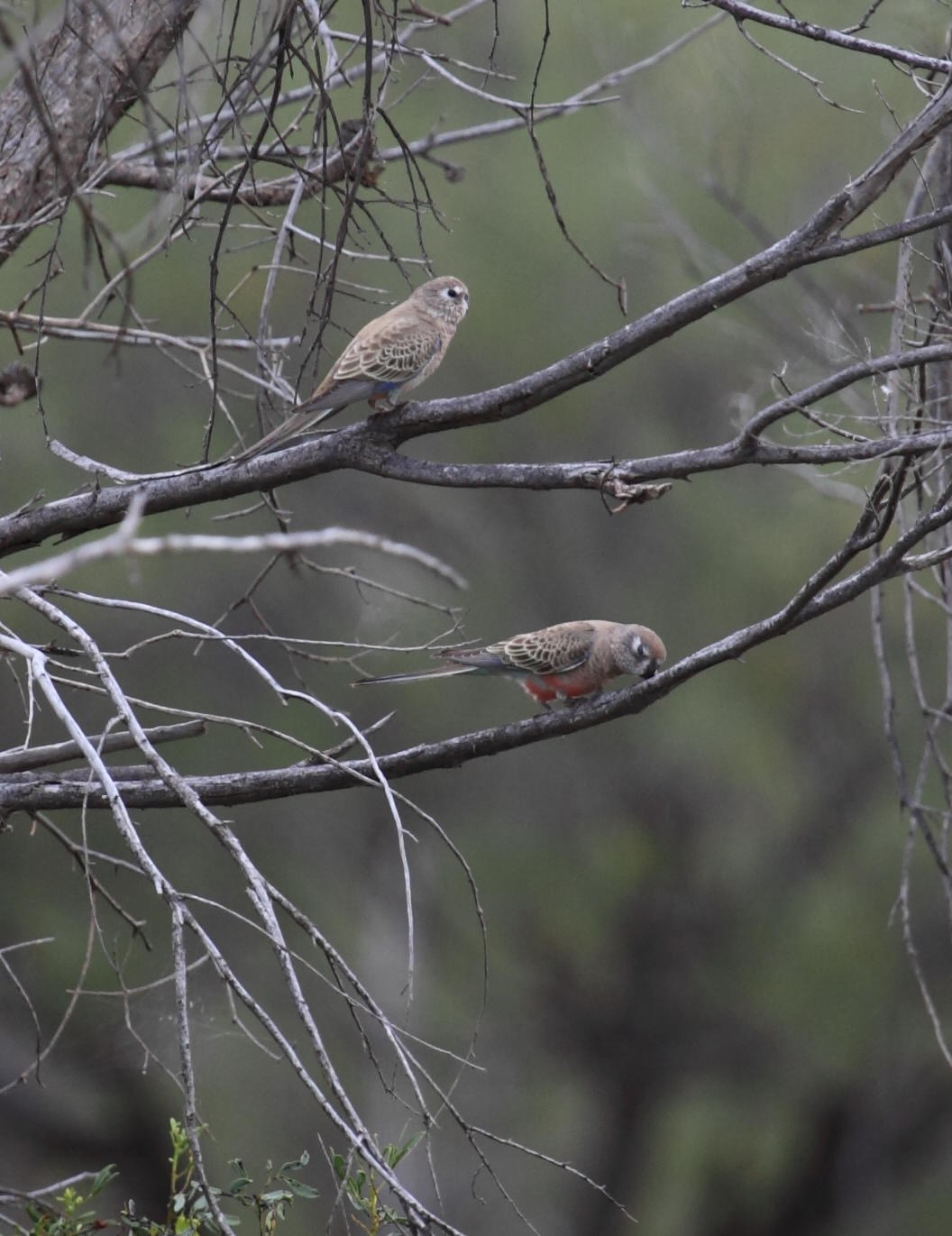
Wild-type Bourke's Parakeets have a subtle grey-brown upper body, a pinkish underside, and blue accents that become easier to appreciate at close range. Pale feathering around the eyes gives a lightly spectacled look. The Australian Museum lists a total length of about 19–23 cm, including the long tail; a husbandry profile reports a body weight around 56 g. These are descriptive reference points, not a target weight for every bird. A veterinarian should interpret an individual's build and weight trend rather than judging health from one number.
Adult wild-type males typically show a blue band across the forehead, while females are generally duller. Young birds and captive color mutations can make visual sexing uncertain. A rosy bird is a color form, not a separate kind of parrot with different space or dietary requirements. If sex matters for managing egg laying or a planned companion introduction, discuss appropriate identification with an avian veterinarian instead of relying on a photograph, seller's guess, or the brightness of the plumage alone.
The tail needs clearance from cage walls and furnishings, and the wings need an unobstructed route between landing places. Attractive plumage should be maintained through suitable nutrition, voluntary bathing, and normal preening, not oils or cosmetic sprays. During molt, emerging feathers may look temporarily spiky, but persistent bare areas, broken feathers, blood, or a sudden inability to fly deserve assessment. Look at the whole bird: posture, appetite, breathing, and comfortable movement reveal more than a tidy portrait ever can.
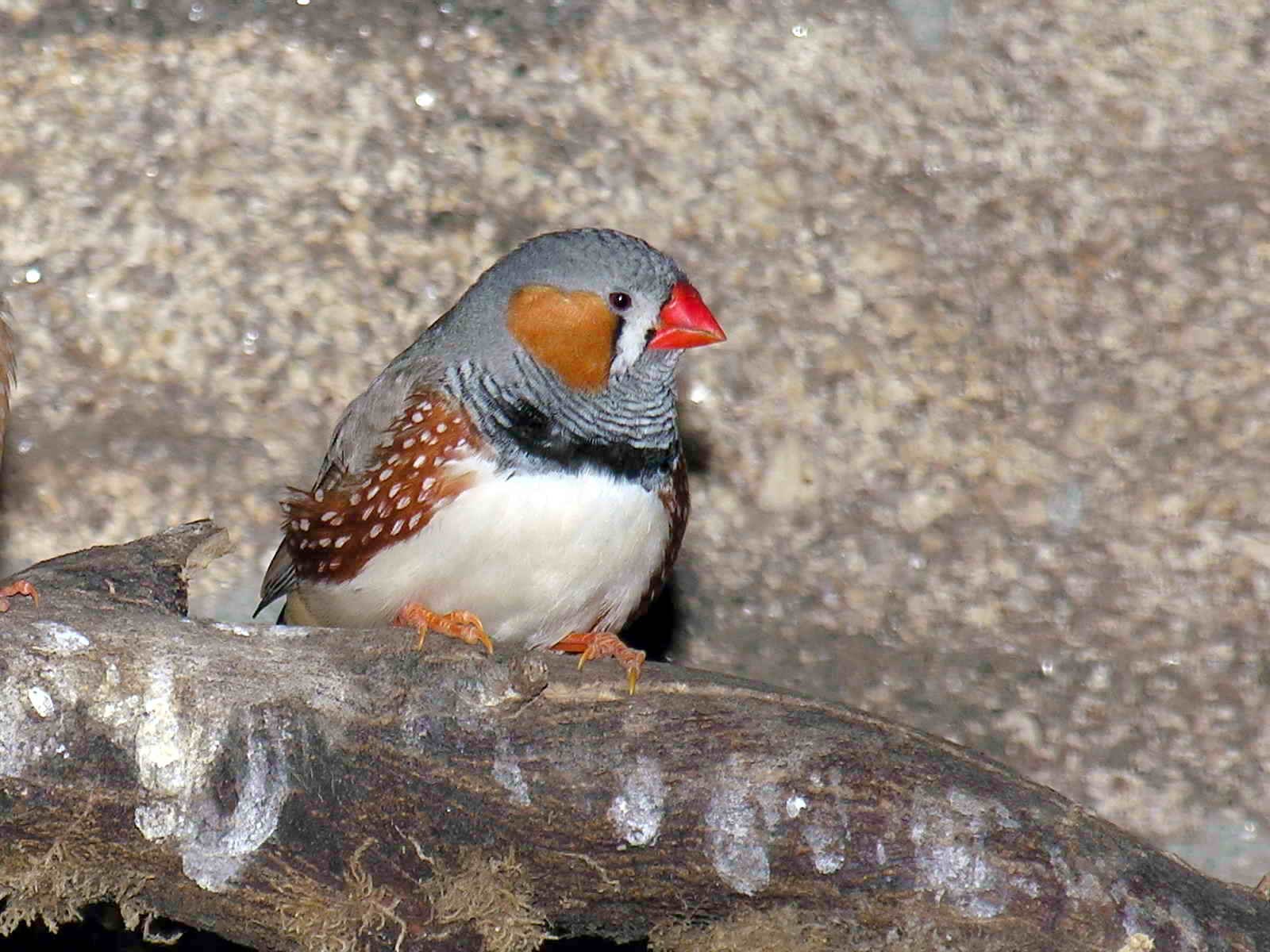
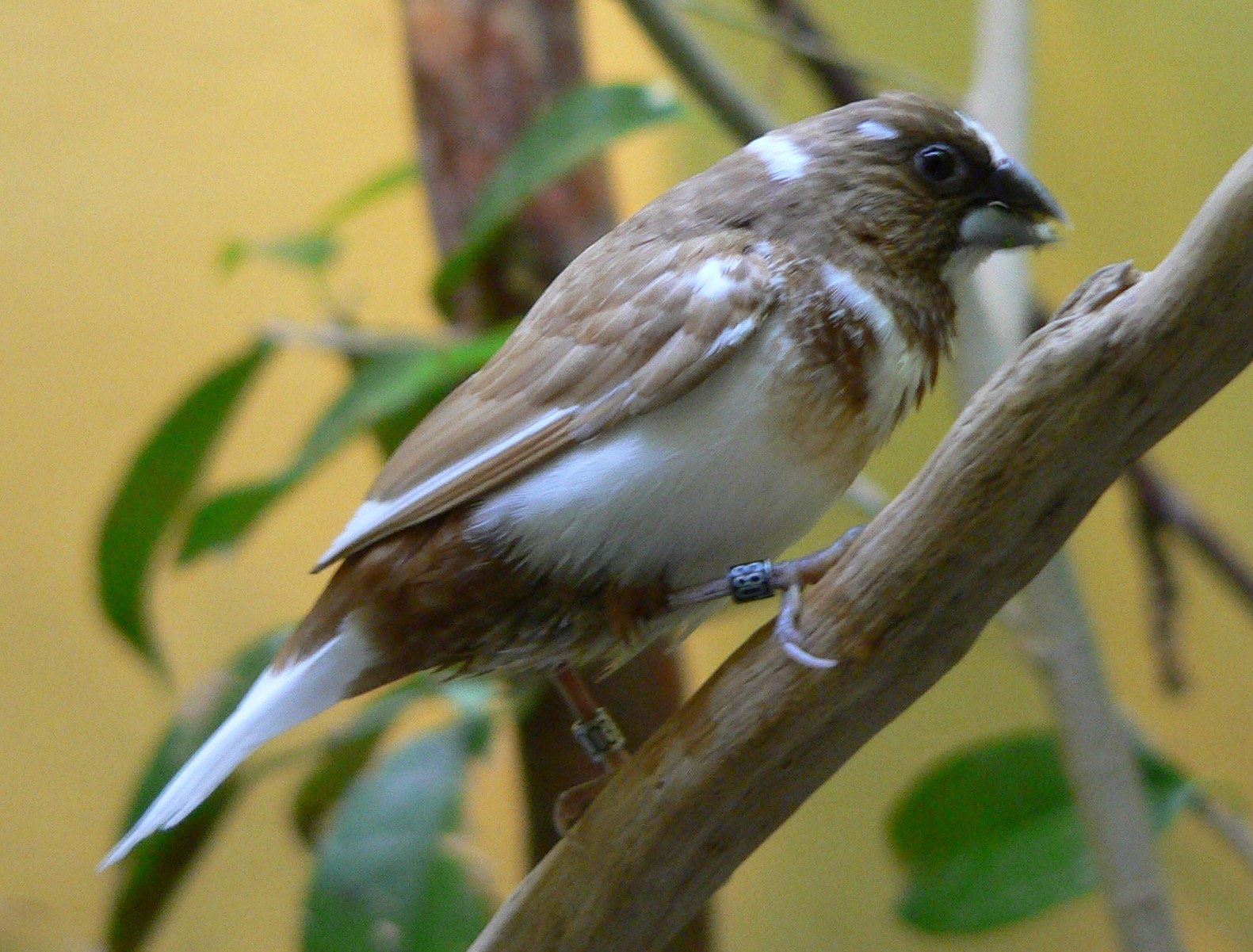
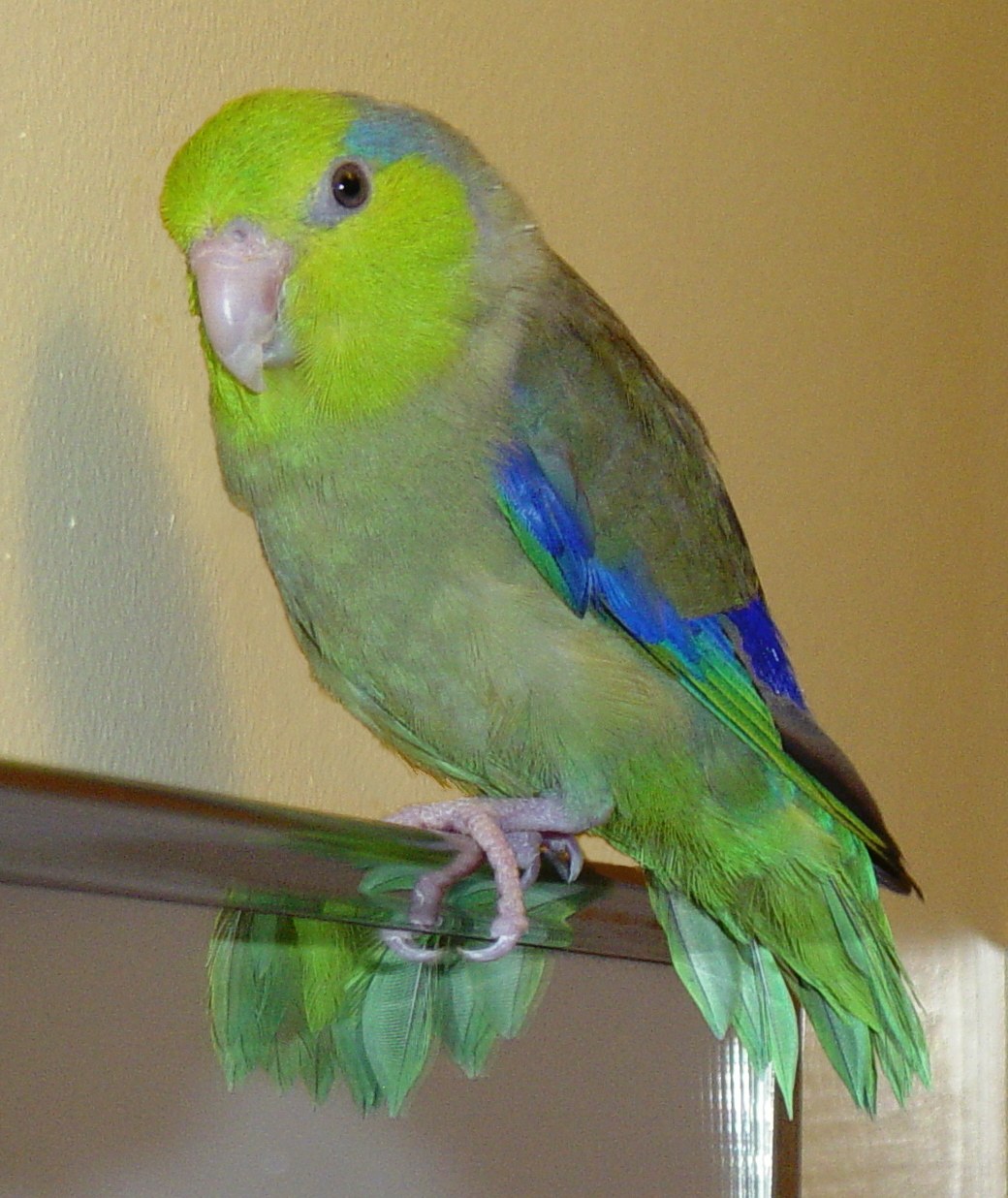
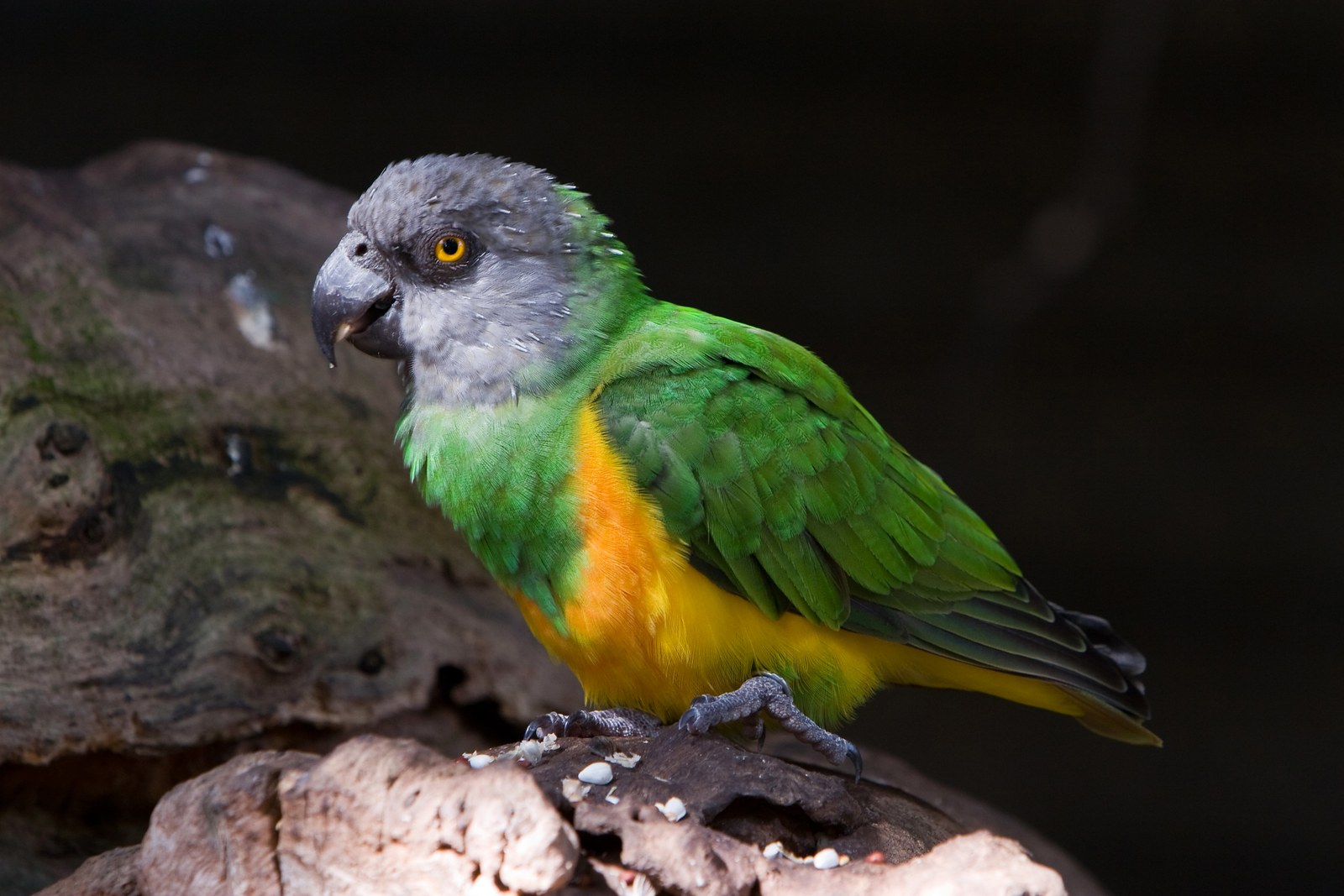
Photo credits: paulgear (CC BY-SA 3.0 Unported), Christopher Watson (CC BY-SA 3.0 Unported). Images resized and compressed for web display. Each image retains its linked license.
Life with a Bourke's Parakeet works best when the household can protect space and time for flight. A tall cage packed with ladders is not an equivalent substitute for an open horizontal route. Position a roomy home base in a calm, occupied room away from cooking fumes, then provide a secured indoor flight area or an appropriately designed aviary. Keep glass visible, fans off, exits closed, and landing surfaces clear. Crepuscular activity makes a gentle transition toward bedtime useful, but free flight should still take place with adequate light.
Daily care includes replacing water, checking actual food consumption, changing the paper liner, and observing the bird before it adjusts its behavior to your presence. Build a varied diet with an avian veterinarian familiar with small Australian parrots. Introduce unfamiliar foods gradually while retaining reliable familiar food; an apparently full seed bowl may contain mostly empty hulls. Bathing should be optional and use plain water. Perches and dishes need regular cleaning, and ground-level foraging opportunities must be kept separate from droppings and household foot traffic.
Budget for veterinary appointments, emergencies, replacement supplies, and a competent holiday caregiver across a usual captive lifespan estimated at 10–15 years, potentially longer. Soft calls do not make this a maintenance-free apartment pet, and a gentle reputation does not guarantee safe contact with children, cats, or dogs. Keep other pets physically separated and let an adult control access. The best match is someone who values a bird's independent choices as much as its willingness to interact.
At a Glance
Ownership Guide
Prioritize an open horizontal route and daily access to a secured flight area, not a tower of climbing toys. Keep fans off, glass apparent, doors closed, and the room adequately lit during dawn or dusk activity.
Use a varied, veterinarian-guided diet rather than seed alone, introducing suitable formulated food and vegetables without withdrawing familiar food abruptly. Monitor actual intake and weight; seed-hulling parrots do not need insoluble grit.
Offer a shallow, stable bath of plain water and let your bird decide whether to enter. Clean bowls and liners daily, remove wet food promptly, and avoid oils, shampoos, scented sprays, and forced washing.
Provide clean, easy foraging tasks and distinct landing stations without blocking flight paths. Reward voluntary approaches, perch transfers, and returning to the cage rather than demanding climbing-heavy play or physical affection.
Plan calm daily company and consider a compatible same-species companion with expert help. Quarantine newcomers separately, introduce gradually, and retain separate cages; related species on this page are comparisons, not housing recommendations.
Arrange an avian veterinary baseline examination and an individualized quarantine and screening plan for new birds. Labored breathing, bleeding, persistent cage-floor sitting, or straining require urgent veterinary attention, not home remedies.
Wellness
A quiet species can make reduced activity easy to overlook, especially if its usual evening flight disappears. Track appetite, weight, droppings, and posture, and contact an avian veterinarian when its normal pattern changes.
Selective seed eating can leave important nutrient gaps even when the bird appears to eat eagerly. Improve variety gradually with veterinary guidance and confirm that unfamiliar foods are actually swallowed.
Smoke, aerosols, and fumes from overheated nonstick coatings can be dangerous to birds. Prevent exposure throughout shared airspace and seek emergency veterinary advice after a suspected event, even if signs are initially subtle.
Glass, fans, doors, and household feet threaten a bird that uses both open air and low surfaces. Secure the room before release and obtain urgent assessment after a significant collision or any cat or dog contact.
Females can lay without a male, and straining, weakness, or persistent floor sitting may signal a reproductive emergency. Do not massage the abdomen or attempt egg removal; call an avian veterinarian immediately.
Persistent feather damage, foot redness, or an altered beak can reflect environmental or medical problems rather than cosmetic untidiness. Arrange an examination instead of using mite products, oils, or amateur trimming.
Voluntary weighing and a short daily observation log can reveal changes before an obvious crisis. These habits support veterinary care but cannot rule out disease or replace examinations.
Further Reading
Give your Bourke's Parakeet room to fly, a safe dawn-and-dusk routine, balanced food, and gentle company with this practical guide to thoughtful daily care.
Read articleBuild a varied Bourke's Parakeet diet without sudden food withdrawal. Learn to check seed hulls, introduce new foods, monitor weight, and avoid unsafe extras.
Read articleA Bourke's Parakeet can hide illness. Learn which changes to record, when breathing or egg-laying signs are urgent, and how to prepare for veterinary care.
Read articleTrain a Bourke's Parakeet through choice, calm rewards, and safe landing stations. Build trust without chasing, forced handling, or climbing-heavy expectations.
Read articleSupport Bourke's Parakeet feathers with voluntary baths, clean perches, and careful molt checks. Learn why oils, forced washing, and home trimming are unsafe.
Read articleDiscover daily life with a Bourke's Parakeet, from evening calls and safe flight to companionship, household boundaries, holiday planning, and long-term care.
Read articleYou May Also Like