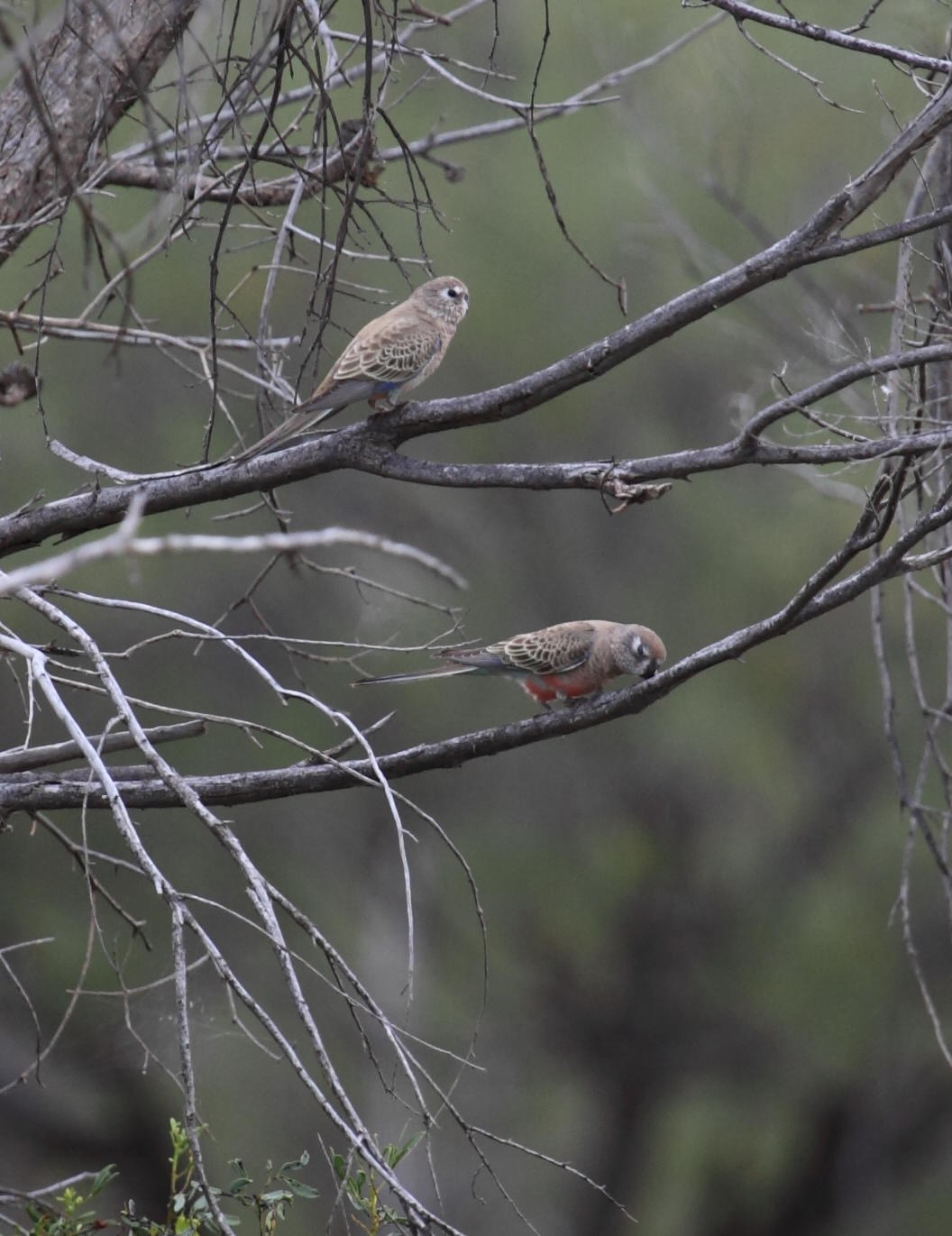
Feeding a Bourke's Parakeet well means balancing two truths: it is naturally a seed-eating ground forager, and a bowl of commercial seed alone is not a balanced lifetime diet. Improving nutrition should never become a contest over whether a small bird will eventually surrender and eat something unfamiliar. Your goal is dependable intake today and a better overall diet over time, guided by a veterinarian who understands small Australian parrots.
Understand what wild seed eating does not prove
The Australian Museum describes Bourke's feeding mainly on the ground on seeds of grasses and herbs. That ecological description does not establish an ideal supermarket seed mixture or a universal captive feeding percentage. Wild birds make choices across changing food sources and spend energy traveling and searching. A sedentary pet selecting favorite seeds from a constantly replenished bowl faces a very different situation.
General avian veterinary guidance identifies nutritional problems with pure seed diets and selective eating. Suitable formulated food can help address gaps, while vegetables add variety and useful nutrients. However, recommendations written for a different parrot cannot simply be copied as an exact Bourke's formula. Ask your veterinarian to consider the current diet, body condition, activity, age, and any reproductive or medical needs before prescribing proportions.
Establish what your bird actually consumes
For several ordinary days, record the foods offered, what disappears, what falls to the liner, and what is left behind. Bourke's remove seed hulls, so a full-looking dish may contain very little edible food. Examine and replace the contents rather than repeatedly pouring fresh seed onto old shells. Watch the bird eat when possible: crushing, carrying, or scattering a pellet does not necessarily mean swallowing it.
Introduce voluntary weighing on a stable gram scale with a familiar perch or platform. Measure under similar conditions and keep the readings alongside appetite and droppings observations. A single weight does not diagnose health, and the approximately 56 g reported in one species profile is not a universal target. A downward trend during food conversion deserves early veterinary advice; do not wait for a dramatic loss.
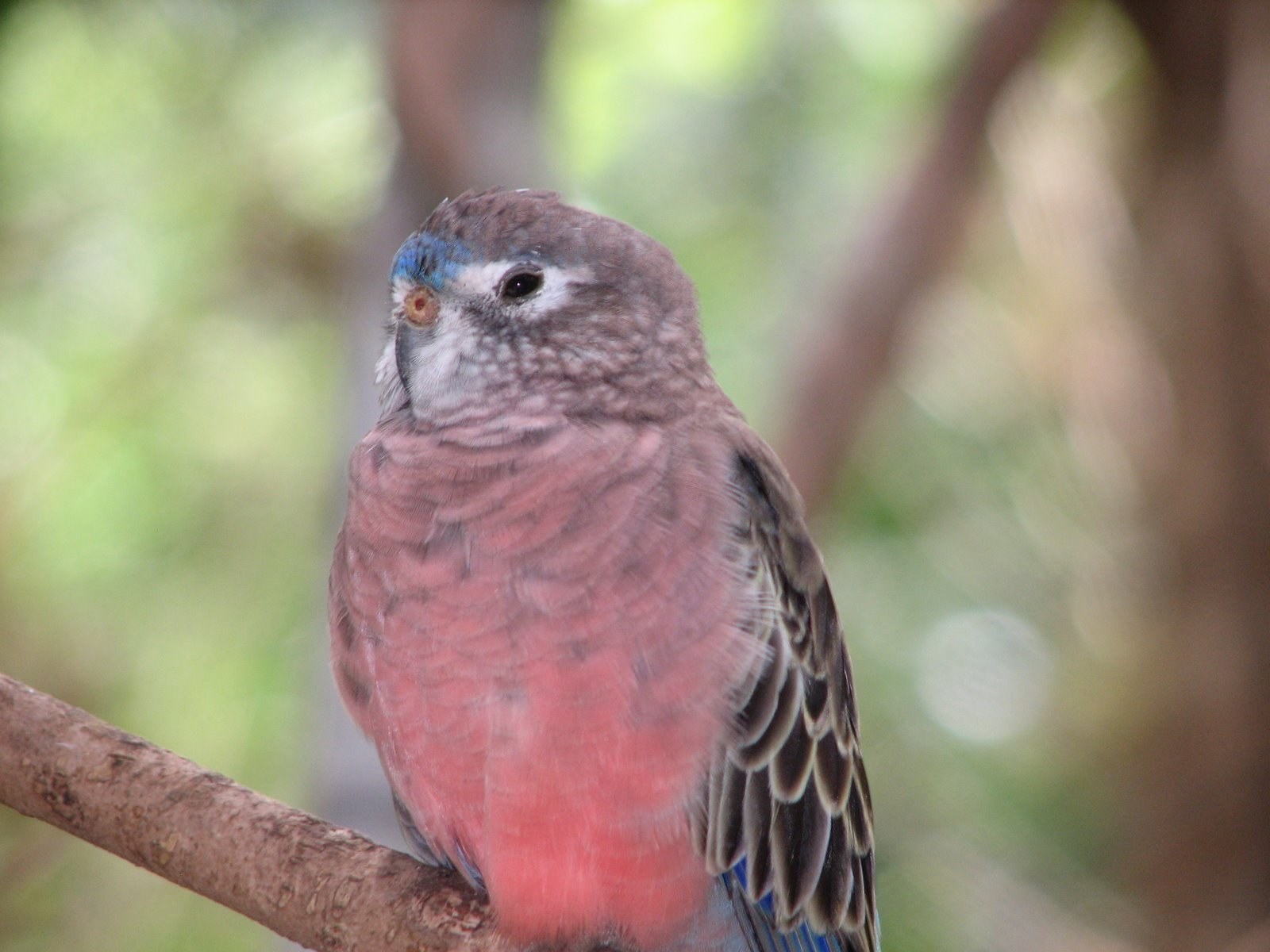
Make new foods an addition before a substitution
Offer a small quantity of appropriately sized formulated food near a familiar feeding location while keeping reliable food available. Some birds investigate a separate shallow dish more readily than a deep bowl. Others need to see the same unfamiliar item repeatedly without pressure. Changing presentation is reasonable; repeatedly changing every food and bowl at once makes it harder to identify what worked.
If your veterinarian recommends a moistened presentation, prepare only a small fresh portion and discard it promptly because damp food spoils faster. Do not leave wet pellets overnight or assume they are safe because they look dry on top. Increase reliance on a new food only after confirming the bird eats enough of it. The timetable depends on the individual, not a fixed conversion calendar.
Offer vegetables in useful, manageable forms
Start with small portions of washed, unseasoned vegetables such as leafy greens, broccoli, finely chopped carrot, or sweet pepper. Try a clipped leaf, a shallow dish, or a few pieces beside an accepted food, using safe attachments without sharp ends. Fruit can be an occasional part of variety rather than the central food. Remove pits and inappropriate hard seeds, and never offer spoiled produce.
Keep preparation straightforward. The bird does not need salt, sauces, butter, sugary coatings, or a complicated recipe. A large bowl of fresh food is not automatically beneficial if it sits untouched or contaminates the enclosure. Offer a modest amount, note acceptance, and remove leftovers promptly, especially in a warm room. Prepare bird food with clean utensils separate from raw meat handling.
Useful feeding habits include:
- Wash and dry food dishes before refilling them.
- Keep water accessible and replace it whenever contaminated.
- Offer new items when you can observe the next feeding period.
- Count training treats as part of the day's overall food.
- Record new foods and unusual droppings together for context.
Turn natural ground foraging into a clean activity
A Bourke's may investigate food at a low station more readily than a swinging puzzle high in the cage. Use a removable, shallow tray on a protected platform with a few pieces of accepted food visible at first. Increase the search challenge gently, for example by placing food among large safe objects that cannot be swallowed. Avoid loose fibers, gritty substrates, and materials of uncertain safety.
Ground foraging is not permission to scatter food across a dirty cage floor or the living-room carpet. Keep the station away from droppings, shoes, household chemicals, and other pets. Remove it after the session and clean it. If several birds participate, provide more than one station and watch who actually gets to eat; a quiet individual may be excluded without an obvious fight.
Avoid dangerous extras and know when to ask
Do not offer avocado, chocolate, caffeinated drinks, or alcohol. Keep salty snacks and heavily processed human foods out of the routine. Seed-hulling parrots do not require insoluble grit, and swallowing it is not a solution to poor digestion. Supplements are not automatically harmless either: adding vitamins to an already formulated diet or dosing drinking water without advice can create problems or reduce water acceptance.
Egg laying, illness, an unusual weight trend, or persistent refusal of balanced options calls for an individualized plan. Do not add calcium or other products at random, and never attempt forced feeding. If the bird becomes weak, stops eating, has breathing difficulty, or remains on the cage floor, seek urgent veterinary care. Nutrition supports health over months and years, but food experimentation is not treatment for an acutely unwell bird.
Continue reading: Bourke's Parakeet Health: Subtle Changes and Urgent Warning Signs.
Sources and further reading:
- Australian Museum: Bourke's Parrot
- Northern Parrots: Bourkes Parakeet Fact Sheet
- MSD Veterinary Manual: Management of Pet Birds
- MSD Veterinary Manual: Household Hazards for Pet Birds
- RSPCA: How to Fly Pet Birds Safely
Photo credits: Christopher Watson (CC BY-SA 3.0 Unported), paulgear (CC BY-SA 3.0 Unported). Images resized and compressed for web display. Each image retains its linked license.

