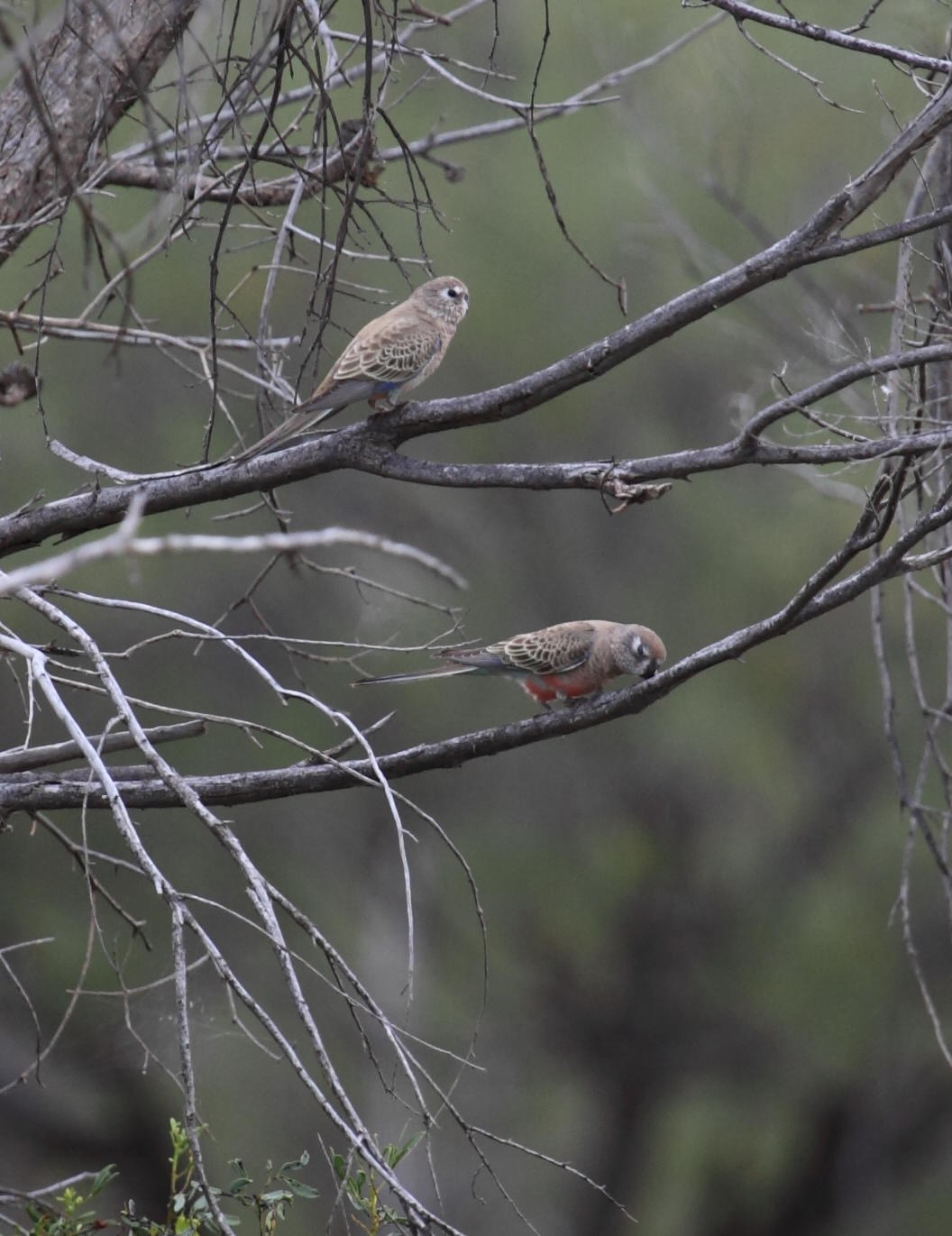
Bourke's Parakeet training works best when practical cooperation matters more than a performance. A bird that calmly enters a carrier, moves to a landing perch, or returns home by choice has learned valuable skills, even if it never enjoys cuddling. These soft-voiced parrots are often strongest at the behaviors their environment allows them to practice: watching carefully, foraging, and making quick flights between clear destinations.
Read the bird before choosing the lesson
Observe when your Bourke's is interested in food, moving comfortably, and able to pause near you. Dawn and dusk may be active periods, but excitement does not always mean readiness to concentrate. A few quiet repetitions before a preferred flight period may be more successful than interrupting a busy circuit. Keep training in a well-lit, secured room, not in darkness because the species is crepuscular.
Watch for retreat, leaning away, freezing, or repeated attempts to leave. These are reasons to reduce pressure, increase distance, or stop, not instructions to become more insistent. A relaxed bird can look, move, and decline. If normal engagement changes suddenly, consider health and environmental problems before calling the bird stubborn. Training should not be used to push through fatigue or illness.
Find a reward and make your presence predictable
Begin by sitting at a distance where the bird continues normal activity. Move slowly around the enclosure, announce routine actions in a calm voice, and let food delivery become predictable. A tiny piece of a familiar favored food can be a useful reward, but it belongs within the overall diet. Do not withhold meals to make a bird more cooperative.
Pair a brief marker word with the arrival of that reward. The marker identifies the moment you liked, such as looking toward a station or approaching a perch. Use the same word and timing consistently; you do not need loud equipment. If the bird will not eat while you are close, deliver the reward to a dish and step away. Comfort comes before precision.
Teach a station before asking for a hand
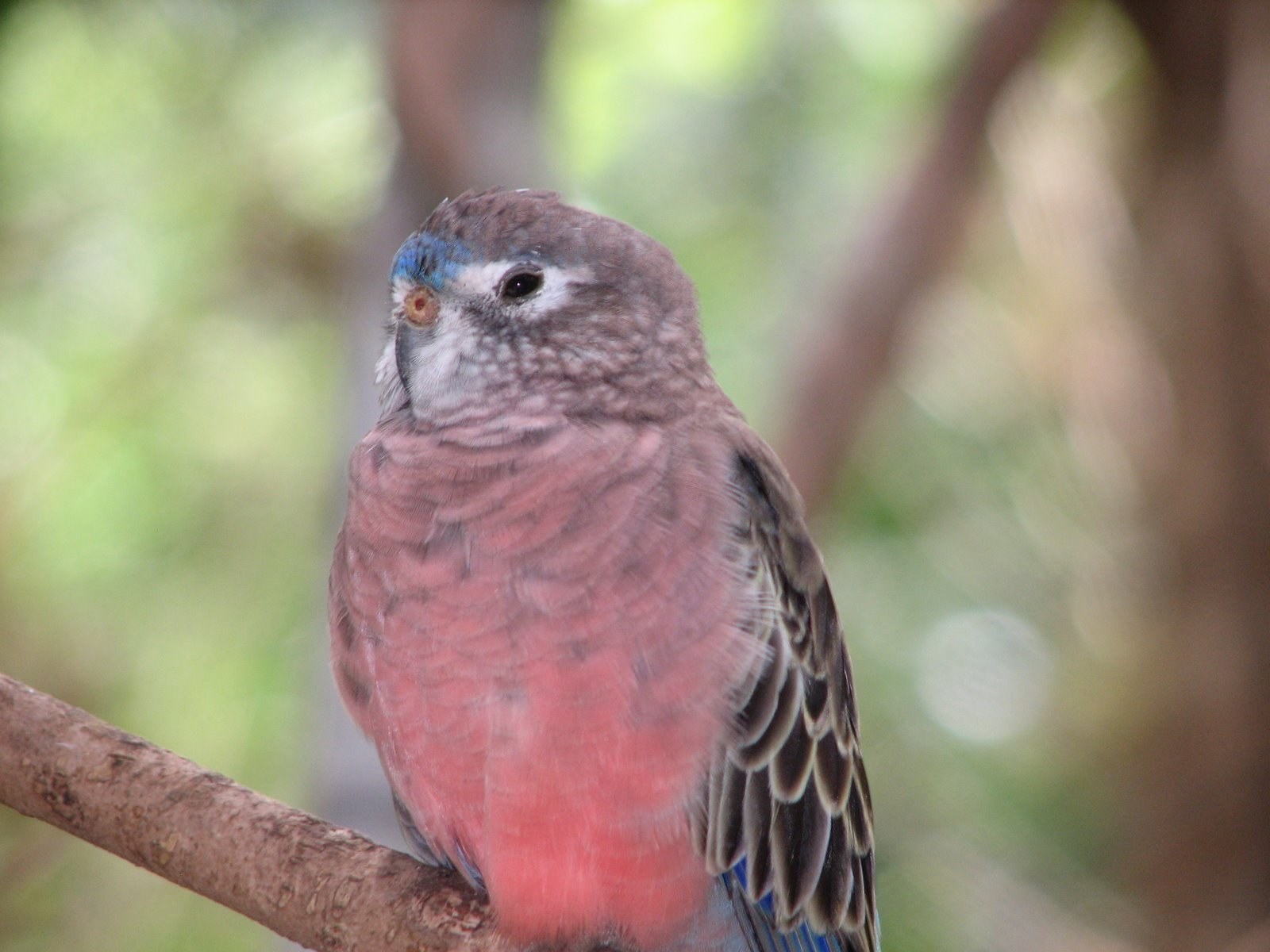
A station is a stable place where the bird can choose to pause. Use an obvious perch near an existing favored position, with enough room for the tail and wings. Reward looking toward it, then moving nearer, then stepping onto it. These small approximations let you teach without reaching into the bird's personal space or demanding a complete behavior immediately.
Once the station is familiar, use it for practical tasks such as waiting while you replace a bowl. Reward brief stillness, then release the bird to move. Avoid requiring a Bourke's to climb a complicated ladder simply because that is common in parrot videos. A direct step or short horizontal hop may be more natural and easier to repeat.
Try this progression without advancing until the current step is comfortable:
- Place the station where the bird can inspect it safely.
- Reward a voluntary look or movement toward it.
- Reward one foot, then both feet, on the perch.
- Add a simple cue just before the familiar action.
- Practice briefly from a second nearby starting point.
Build perch transfers and short indoor recall
Offer a handheld perch near the feet without pressing against the chest or pursuing the bird. Reward looking at it, touching it, or taking a voluntary step. Keep it steady and return the bird to the original station promptly so that stepping up does not always predict restraint or the end of freedom. A hand can replace the perch later if the bird is comfortable, but that change is optional.
For recall, begin between two familiar, stable stations only a short distance apart. Cue the move, reward the landing, and gradually vary distance only after repeated comfortable success. Keep the central flight route clear. Increase one challenge at a time rather than changing distance, handler, lighting, and landing surface together. Missed landings or rushed escapes indicate the exercise needs to become easier.
Make returning home worthwhile
Place a familiar landing station at the cage entrance and practice rewarding approach while the door remains open. Then reward entry, followed by the chance to leave again. If every entry immediately ends all enjoyable activity, a clever bird may learn to avoid the doorway. Teach the sequence at calm times instead of beginning when you are late for work.
Keep ordinary food and water available according to the normal routine; do not create a hunger emergency to secure compliance. A small special reward can mark a successful return. Once the bird is settled inside, close the door gently and continue with something predictable. Allow enough time before bedtime for return and quiet settling while visibility remains good.
Carrier practice follows the same principle. Leave a secure carrier available for inspection, reward approaching it, and work toward brief voluntary entry. Do not shut the door at the first tentative visit. Familiarity can make necessary transport less alarming, although emergencies may still require professional handling advice.
Match enrichment and expectations to the individual
A Bourke's that ignores a hanging puzzle may enjoy a clean tray with visible food pieces, a new safe landing station, or a modest change in the foraging arrangement. Keep challenges accessible at first. The aim is meaningful choice, not proving that every parrot will climb, chew, talk, or manipulate objects in the same way. Watch what the bird actually uses and remove equipment that creates clutter without benefit.
If you keep compatible companions, prevent one bird from monopolizing rewards. Train at separate stations and watch for displacement rather than assuming quiet means fair access. Social contact and freedom to decline remain important outside sessions. Progress is best judged by comfortable participation in everyday care, not by how closely your bird resembles a different species on a screen.
Continue reading: Bourke's Parakeet Feather Care: Baths, Molt, Feet, and Safe Maintenance.
Sources and further reading:
- Australian Museum: Bourke's Parrot
- Northern Parrots: Bourkes Parakeet Fact Sheet
- MSD Veterinary Manual: Management of Pet Birds
- MSD Veterinary Manual: Household Hazards for Pet Birds
- RSPCA: How to Fly Pet Birds Safely
Photo credits: Christopher Watson (CC BY-SA 3.0 Unported), paulgear (CC BY-SA 3.0 Unported). Images resized and compressed for web display. Each image retains its linked license.

