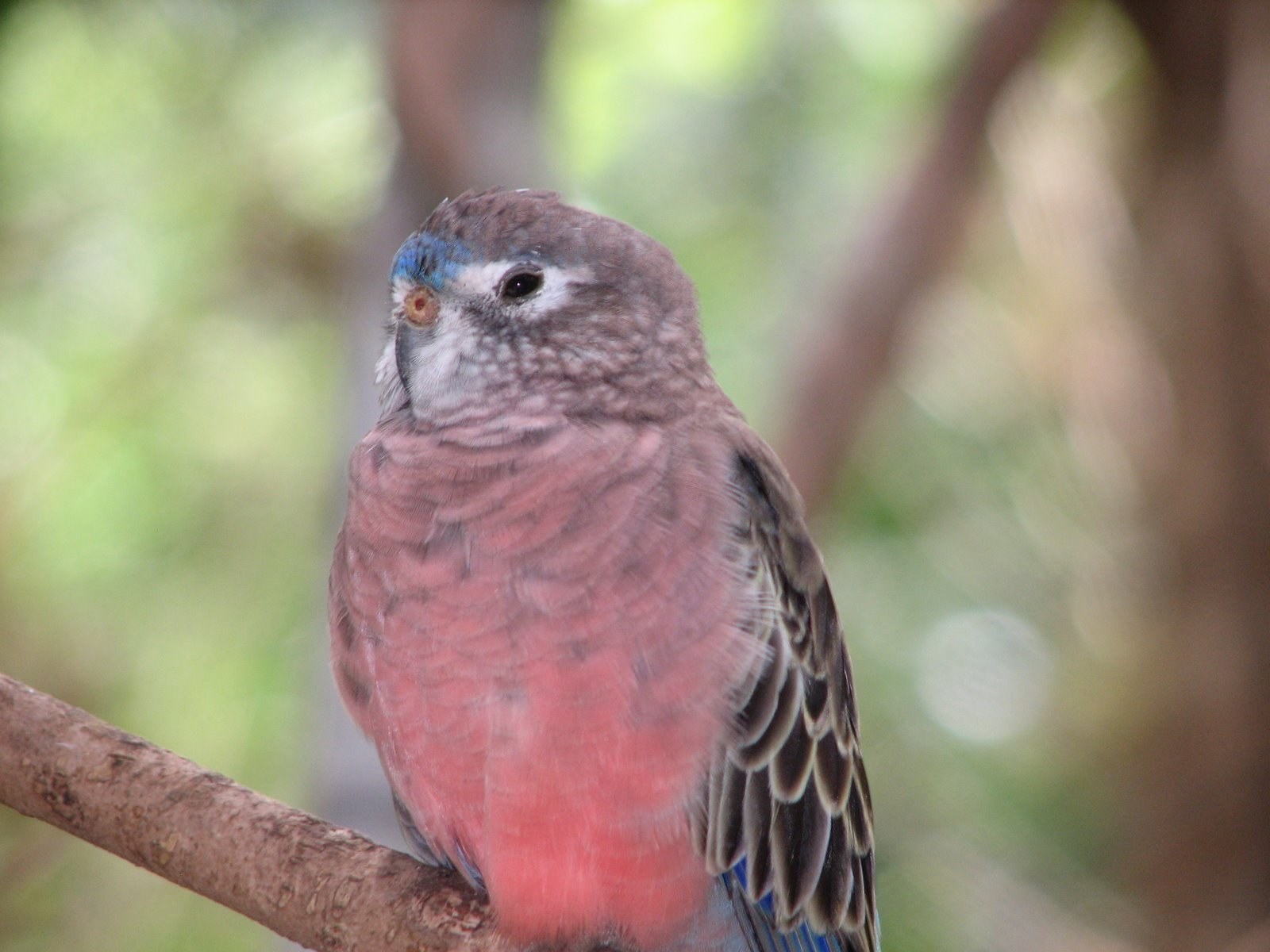
Bourke's Parakeet health monitoring depends on noticing change, not waiting for a naturally quiet bird to announce that something is wrong. A Bourke's may rest peacefully during the afternoon and become more active toward dusk, so a single sleepy moment is not a diagnosis. What matters is a departure from that individual's usual pattern. Birds can conceal illness, and early veterinary assessment is safer than trying to identify a disease from one symptom online.
Establish a baseline while your bird is well
Arrange a new-bird examination with an avian veterinarian and bring origin records, previous treatment information, current foods, and a description of the enclosure. Discuss appropriate screening and quarantine before introducing the bird to an existing household flock. A separate room and equipment help reduce exposure, but testing and quarantine duration should reflect the actual birds and their histories rather than an arbitrary internet rule.
At home, observe before interacting: is the bird balancing comfortably, breathing without effort, visiting food, and responding to familiar sounds? Record the usual morning and evening activity. Voluntary weight checks on a consistent scale can reveal a trend that feathers conceal. Your veterinarian should help establish healthy body condition; comparing your bird only with a published average weight can be misleading.
Keep a simple health record containing examination dates, weight observations, diet changes, and unusual events. A dated note that evening flight stopped after a household renovation may be more useful than a vague memory that the bird has seemed different for a while. Documentation helps the clinician ask better questions; it does not replace examination. If you record a concerning breathing pattern on video, do so from a distance without provoking movement. Send it only if the clinic requests it, and never postpone an urgent call to obtain better footage.
Separate normal rest from a meaningful change
Concern rises when several changes occur together: reduced food intake, less interest in a companion, persistently fluffed feathers, more sleeping, altered balance, or loss of the usual dawn-and-dusk movement. A previously willing flyer that now stays in one place may be ill, injured, frightened, or struggling with an altered environment. Avoid assuming laziness or old age without investigating.
Droppings provide context but not a diagnosis. Observe the fecal portion, pale urates, and surrounding liquid against a clean paper liner. Food color, fresh produce, and stress can alter appearance, but a persistent change, blood, or a marked reduction in output needs veterinary advice. Photograph examples and tell the clinic what the bird has eaten; do not treat a guessed infection with a shop-bought remedy.
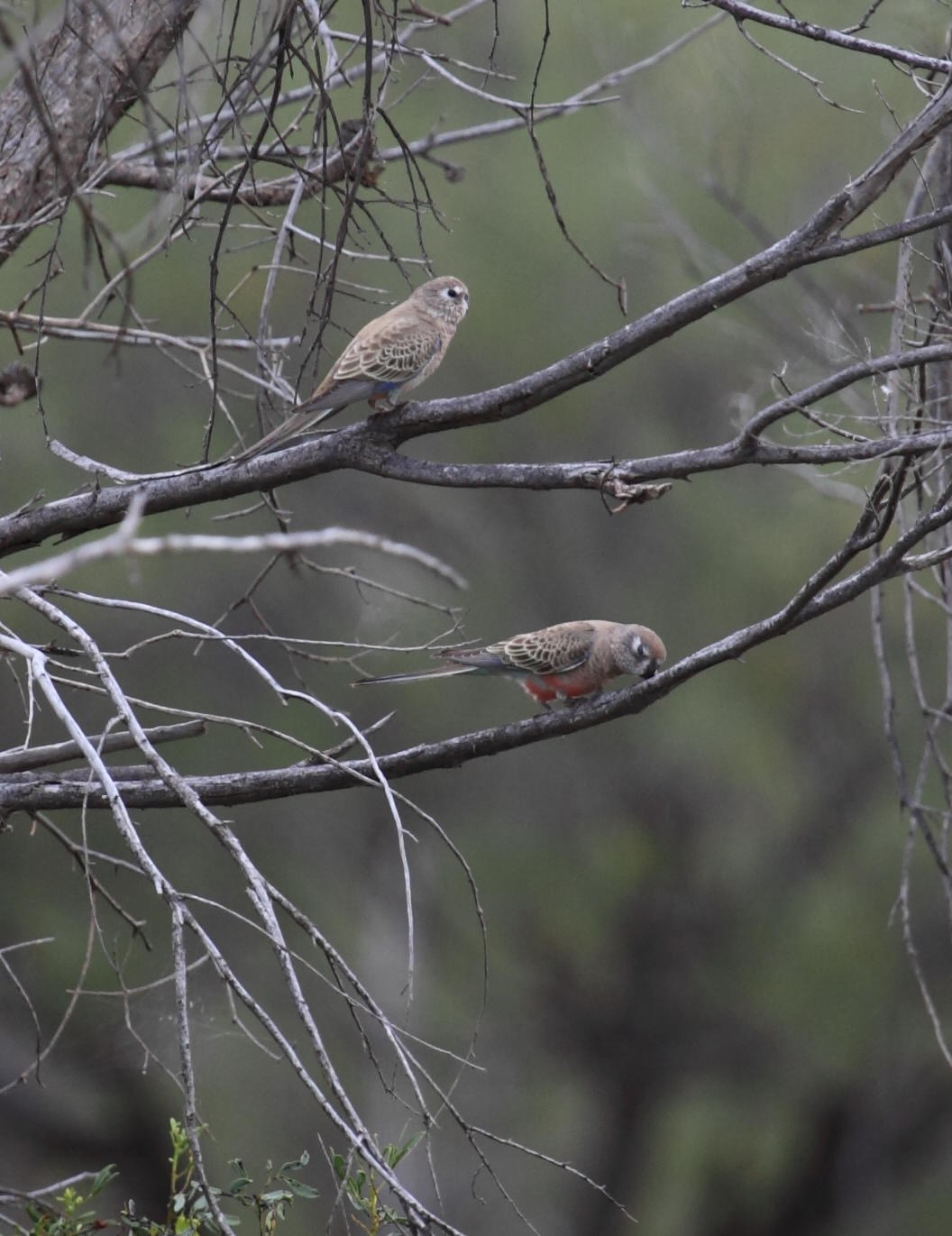
Recognize emergencies before discussing causes
Breathing difficulty is urgent. Open-mouth breathing at rest, obvious effort with each breath, or severe weakness calls for immediate veterinary contact. Active bleeding, collapse, inability to perch, and repeated straining are also emergencies. Bourke's naturally forage low down, but sitting weakly or persistently on the cage floor is different from alert, purposeful searching for food.
Call promptly after a significant window collision, suspected toxin exposure, or any contact with a cat or dog. A small puncture can be difficult to see beneath feathers, and a bird may initially appear composed after an injury. Tell the clinic what happened, when it happened, and whether breathing, balance, or alertness has changed. Do not repeatedly test flight to see whether the bird has recovered.
Have a secure, ventilated carrier ready before an emergency occurs. Ask the clinic how to configure it for the bird's condition; a weak bird may need a low, stable arrangement rather than a high perch. Keep the journey quiet and the temperature comfortable, without improvised intense heat. Bring relevant records without delaying departure.
Reduce nutrition and reproductive risks
An all-seed diet can create nutrient imbalances even when the bird eats enthusiastically. Poor nutrition is a general avian health concern, not evidence that every Bourke's develops a particular disease. Review the whole diet and activity pattern with your veterinarian. Introduce better options gradually while confirming intake; abruptly withdrawing familiar food can create an immediate problem while trying to solve a long-term one.
Females can lay eggs without a male. Repeated laying or reproductive illness may require changes to husbandry and a medical plan, but suspected egg binding is not a grooming or home-treatment task. Straining, weakness, difficulty perching, or abnormal lower-body posture should trigger urgent assessment. Never massage the abdomen, apply oil to the vent, pull at an egg, or assume a warm bath will solve the problem.
Avoid supplying nest boxes, fabric huts, or dark nesting cavities simply as cozy accessories. If eggs appear, ask the veterinarian how to manage the situation rather than repeatedly removing them without a plan. Calcium requirements and supplementation depend on the actual diet and health assessment; extra products should not be used as a substitute for diagnosing the cause of abnormal laying.
Prevent air, flight, and contact injuries
Bourke's need flight, so prevention should make the room safer rather than defaulting to clipping. Keep windows and mirrors visibly blocked, fans off, and doors controlled. Provide clear landing areas and adequate light even at dusk. Check low surfaces and floor-level spaces before moving furniture or walking through the flight area, since a ground-foraging bird can be difficult to notice.
Protect shared airspace from smoke, aerosols, and fumes from overheated nonstick coatings. Keeping the cage several feet away from a pan is not a reliable barrier to airborne contamination. Renovation products, scented sprays, and strong cleaners also deserve advance planning. Arrange a separate safe location before work begins, and seek emergency advice after suspected exposure rather than waiting for obvious respiratory signs.
A preventive room review should include:
- Secure exits and a household rule about opening doors.
- No accessible open water, hot liquids, or glue traps.
- No damaged metal fittings, unknown coatings, or loose fibers.
- Physical separation from cats, dogs, and incompatible birds.
- Clean bowls and feeding stations protected from droppings.
Treat feather and foot problems as health questions
Normal molt produces replacement feathers over time, but bald areas, persistent feather damage, bleeding, or reduced flight ability deserve assessment. Nutrition, enclosure damage, infection, and other medical or behavioral factors can produce overlapping signs. Do not assume mites, apply insecticide, or pull a damaged feather yourself. A clinician needs to examine the bird and interpret the pattern.
Likewise, sore feet or an overgrown-looking beak may reflect perch problems or underlying illness rather than simply needing a trim. Use suitable varied perches and inspect resting surfaces, but leave corrective trimming to an experienced professional after assessment. Preventive care cannot promise a disease-free life. Its value is reducing avoidable hazards and making veterinary help available quickly when the quiet bird in front of you stops behaving like itself.
Continue reading: Bourke's Parakeet Training: Trust, Landing Stations, and Gentle Recall.
Sources and further reading:
- Australian Museum: Bourke's Parrot
- Northern Parrots: Bourkes Parakeet Fact Sheet
- MSD Veterinary Manual: Management of Pet Birds
- MSD Veterinary Manual: Household Hazards for Pet Birds
- RSPCA: How to Fly Pet Birds Safely
Photo credits: paulgear (CC BY-SA 3.0 Unported), Christopher Watson (CC BY-SA 3.0 Unported). Images resized and compressed for web display. Each image retains its linked license.

