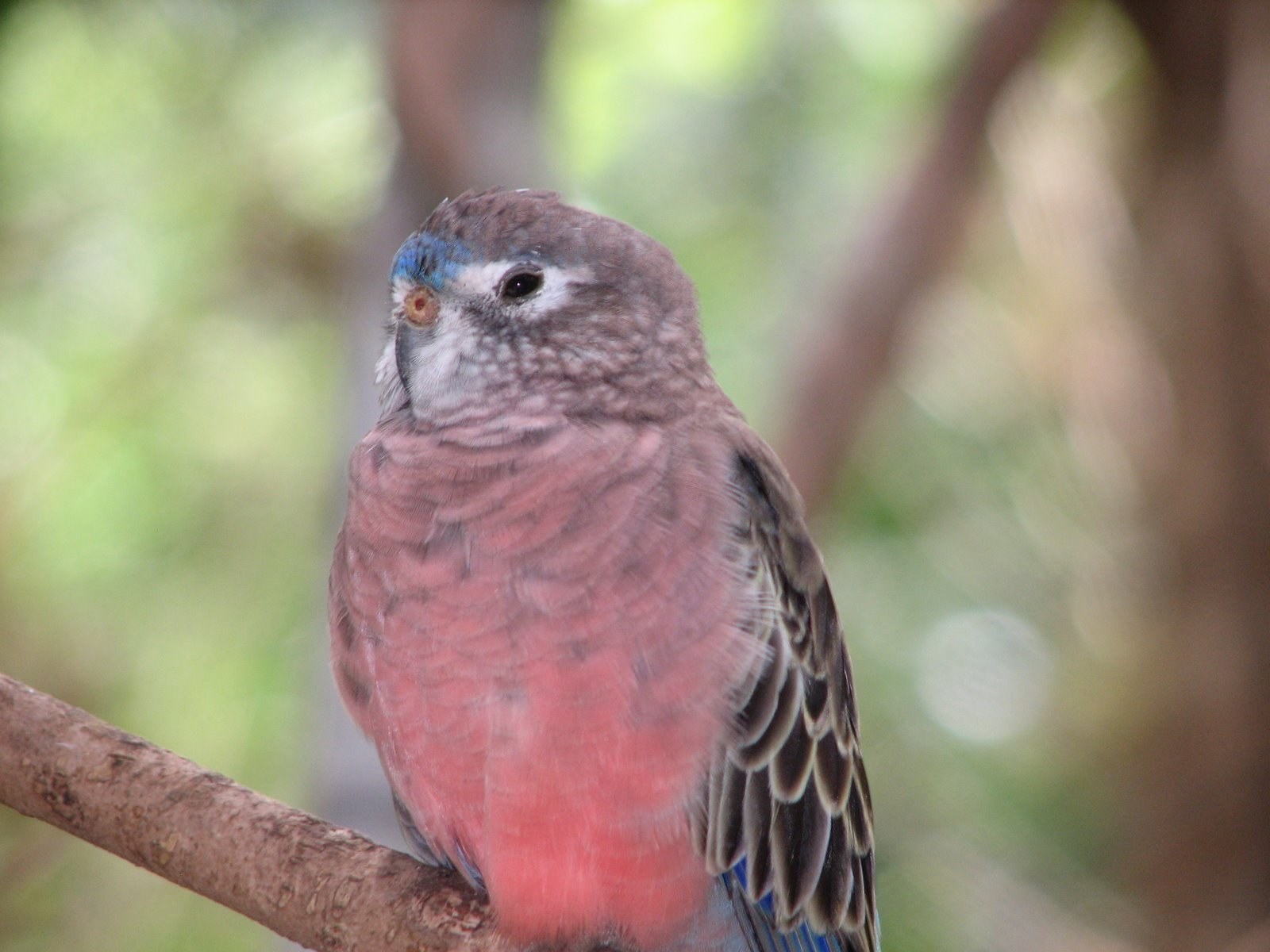
Bourke's Parakeet care starts with a distinction that cage marketing often misses: a small, quiet parrot can still need a great deal of usable flying space. These Australian birds commonly become more active around dawn and dusk, and they often prefer moving between clear landing points to working through elaborate climbing equipment. Build your routine around those needs rather than treating a Bourke's as a miniature version of a much larger parrot.
Choose a healthy, independently eating bird
Before bringing a bird home, find an avian veterinarian who sees small parrots and identify the nearest emergency service that accepts birds. Ask a rescue or responsible captive breeder for the bird's current foods, medical history, identification, social experience, and normal daily pattern. A fully weaned bird should already eat reliably without hand-feeding. Do not accept responsibility for an unweaned youngster on the promise that feeding it yourself creates a stronger bond.
Prepare the enclosure before collection and bring home some of the familiar food. During settling, keep bowls easy to locate and avoid simultaneously changing diet, perches, companions, and sleeping arrangements. If you already have birds, arrange quarantine in a separate room with separate equipment and veterinary guidance on testing and duration. A newcomer looking bright at collection does not prove that sharing airspace or bowls is safe.
Record what the newcomer actually eats during the first days, including whether it visits water and can reach every essential perch. A low-pressure veterinary baseline helps interpret later changes. Keep purchase or adoption records without treating paperwork as a substitute for examining the living bird.
Build length into the enclosure
As an editorial home-base target, plan for at least 120 cm long by 60 cm deep by 90 cm high, approximately 47 by 24 by 35 inches, with larger accommodation strongly preferred. This is not a universal legal minimum or a scientifically established species threshold. It applies the species profile's emphasis on horizontal flight and the RSPCA's broader flight-welfare guidance. It is a home base, not sufficient space for sustained exercise, particularly for more than one bird. Measure usable internal space, not the manufacturer's outer dimensions including stands or seed guards. If furnishing the enclosure removes most of its clear length, choose a larger model instead of relying on the number printed on the box.
Choose safe bar spacing that prevents the individual from getting its head through, secure latches, and an undamaged bird-safe finish. Place stable natural perches toward opposite ends while leaving the central route open. Check that a turning bird's tail and an extending wing do not strike dishes or bars. Keep food and water out from under favored perches, and offer duplicate resources when housing compatible companions.
A tall cage packed with ladders, ropes, and swings may look enriching while providing almost no room to move. Bourke's can use climbing objects, but climbing should not be the only available exercise. Inspect gaps, loose fibers, and hooks carefully. If an object makes landings awkward or blocks a route, relocate it rather than assuming more equipment always improves welfare.
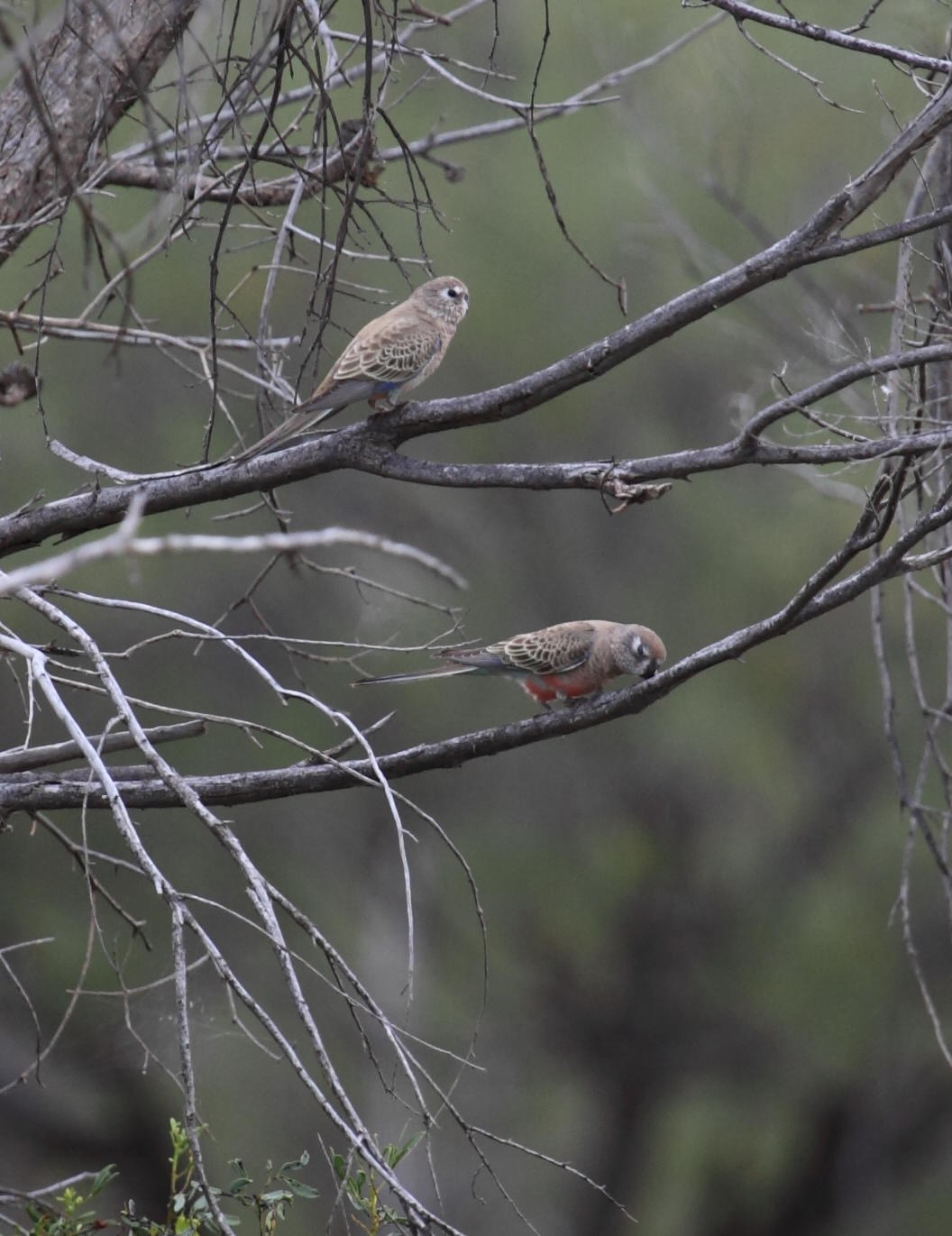
Make flight time safe before opening the door
Provide a secured room or properly designed aviary with real horizontal distance. The RSPCA recommends a large indoor flight area with at least six hours of daily free-flight opportunity; that means access to movement and rest by choice, not six hours of forced flying. A household unable to provide extended supervised access needs a more substantial permanently safe flight enclosure, not routine wing clipping.
Before release, use the same short checklist every time:
- Close doors and windows, and tell everyone the bird is out.
- Turn ceiling and portable fans off completely.
- Make glass and mirrors apparent with coverings or other safe visual barriers.
- Cover open water, remove hot drinks, and exclude cooking areas.
- Remove cats and dogs behind a closed door, not just across the room.
- Clear stable landing places and inspect floor-level hiding spots.
Introduce the room gradually, with good visibility and familiar landing stations. Do not launch the bird from your hand or chase it into exercise. A startled Bourke's can move quickly even when it usually appears placid, and a clipped bird can still escape outdoors or suffer an uncontrolled fall.
Respect dawn, dusk, and dependable sleep
Crepuscular means activity often increases around dawn and dusk. It does not mean the bird should live in dimness or fly after the room becomes dark. Offer safe movement during the bird's preferred periods, then use a predictable transition to a quiet sleeping environment. Keep enough light for the bird to find its roost before lights go off.
Avoid placing the enclosure beside a television that runs late or a corridor used all night. A midday rest may be normal, but a new loss of the usual evening activity is not something to dismiss as personality. Watch the individual over time. If darkness triggers repeated panic flights, review disturbances and enclosure layout with your veterinarian rather than leaving bright lights on continuously.
Feed, clean, and enrich without overwhelming
Wild Bourke's forage mainly on grass and herb seeds, but a domestic bowl of seed alone is not a complete substitute for wild foraging and nutrition. Ask your veterinarian about suitable formulated foods, vegetables, and an appropriate measured seed component. Introduce unfamiliar foods gradually without removing the reliable familiar ration. Empty hulls can make a bowl look full, so examine what remains rather than topping it up indefinitely.
Refresh water, wash dishes, replace soiled paper, and remove perishable foods promptly. A removable clean foraging tray can suit this ground-feeding bird, provided droppings cannot fall into it. Place simple search tasks at safe, accessible stations and let the bird investigate. Offer a shallow plain-water bath voluntarily; avoid oils, shampoos, and perfumed cage products.
Make company and observation part of care
A compatible same-species companion may provide valuable social contact, but compatibility must be observed rather than assumed. Start with separate accommodation after quarantine and monitor food access, pursuit, resting distance, and whether either bird repeatedly yields its perch. Gentle temperament is not protection against an assertive cage mate. Do not use finches, parrotlets, or larger parrots as automatic substitutes for a carefully matched Bourke's companion.
Spend calm time nearby and reward voluntary approaches or stepping onto a perch. Handling is optional companionship, not the measure of success. Teach easy return-to-cage routines before you need them, and arrange a competent holiday caregiver who can follow the same safety checks.
Finally, learn the bird's normal appetite, droppings, weight trend, posture, and breathing. Seek prompt veterinary advice for a sustained change. Labored breathing, bleeding, repeated straining, collapse, or persistent cage-floor sitting require urgent attention. Quietness is a species characteristic; deterioration is not. A useful care plan makes that difference easier to recognize.
Continue reading: Feeding a Bourke's Parakeet: Variety Without Risky Diet Changes.
Sources and further reading:
- Australian Museum: Bourke's Parrot
- Northern Parrots: Bourkes Parakeet Fact Sheet
- MSD Veterinary Manual: Management of Pet Birds
- MSD Veterinary Manual: Household Hazards for Pet Birds
- RSPCA: How to Fly Pet Birds Safely
Photo credits: paulgear (CC BY-SA 3.0 Unported), Christopher Watson (CC BY-SA 3.0 Unported). Images resized and compressed for web display. Each image retains its linked license.

