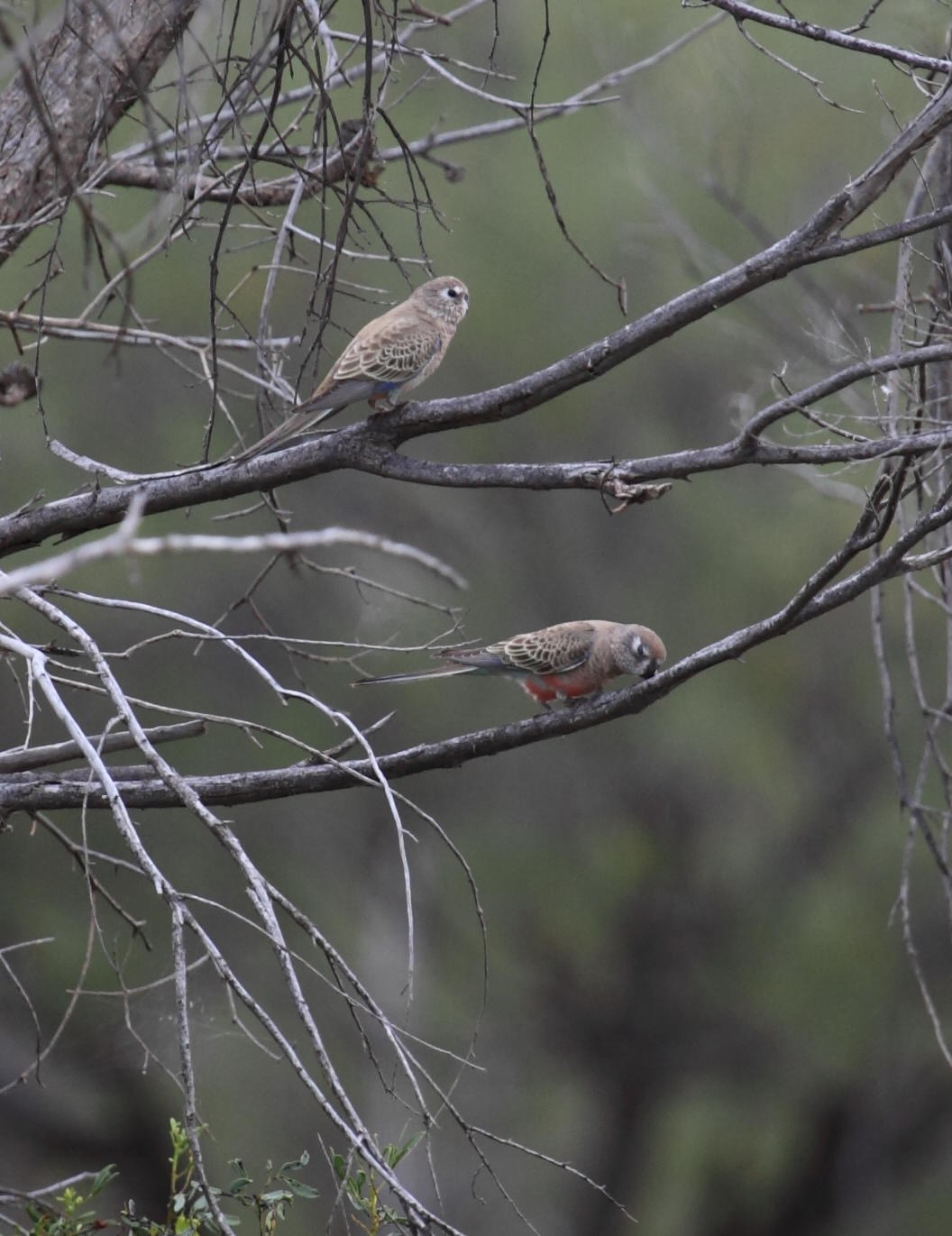
Living with a Bourke's Parakeet can be wonderfully understated: soft contact calls, a bird watching from a familiar perch, and a burst of purposeful flight as evening approaches. It is not necessarily a relationship built on speech, constant touch, or spectacular tricks. Before choosing one, ask whether you can enjoy a bird's independent daily life while providing the space, safety, and consistency that make it possible.
Decide whether quiet matches your expectations
Bourke's are relatively quiet compared with many parrots, but they are not silent. Calls and activity can increase around sunrise and sunset, potentially overlapping with your own sleeping or working hours. Listen to the actual bird if possible rather than relying only on a species label. A household wanting no sound or no mess is unlikely to be a good match for any companion bird.
The more important expectation concerns interaction. Some Bourke's learn to step up and seek company; others remain comfortable observers. A reserved bird is not an unfinished pet waiting to be made affectionate. If your ideal companion must enjoy frequent cuddling, tolerate being passed between visitors, or entertain children on demand, reconsider the fit before adoption.
Design a day that leaves room for flight
Morning care should include fresh water, a food check, a clean liner, and a moment of observation before the household becomes busy. Safe flight opportunities around the bird's preferred activity periods can fit naturally into the day, provided the room remains adequately lit. Afternoon quiet should not mean neglect: the bird still needs a suitable environment, reliable food access, and companionship appropriate to its social situation.
In the evening, allow time for movement and a calm return home before the sleeping area becomes dark. Do not open the cage for the first time when everyone is about to leave. Extended safe flight access is a real scheduling requirement, not a reward that happens only on weekends. If supervision is limited, consider whether a larger protected flight enclosure is feasible before assuming a small cage will suffice.
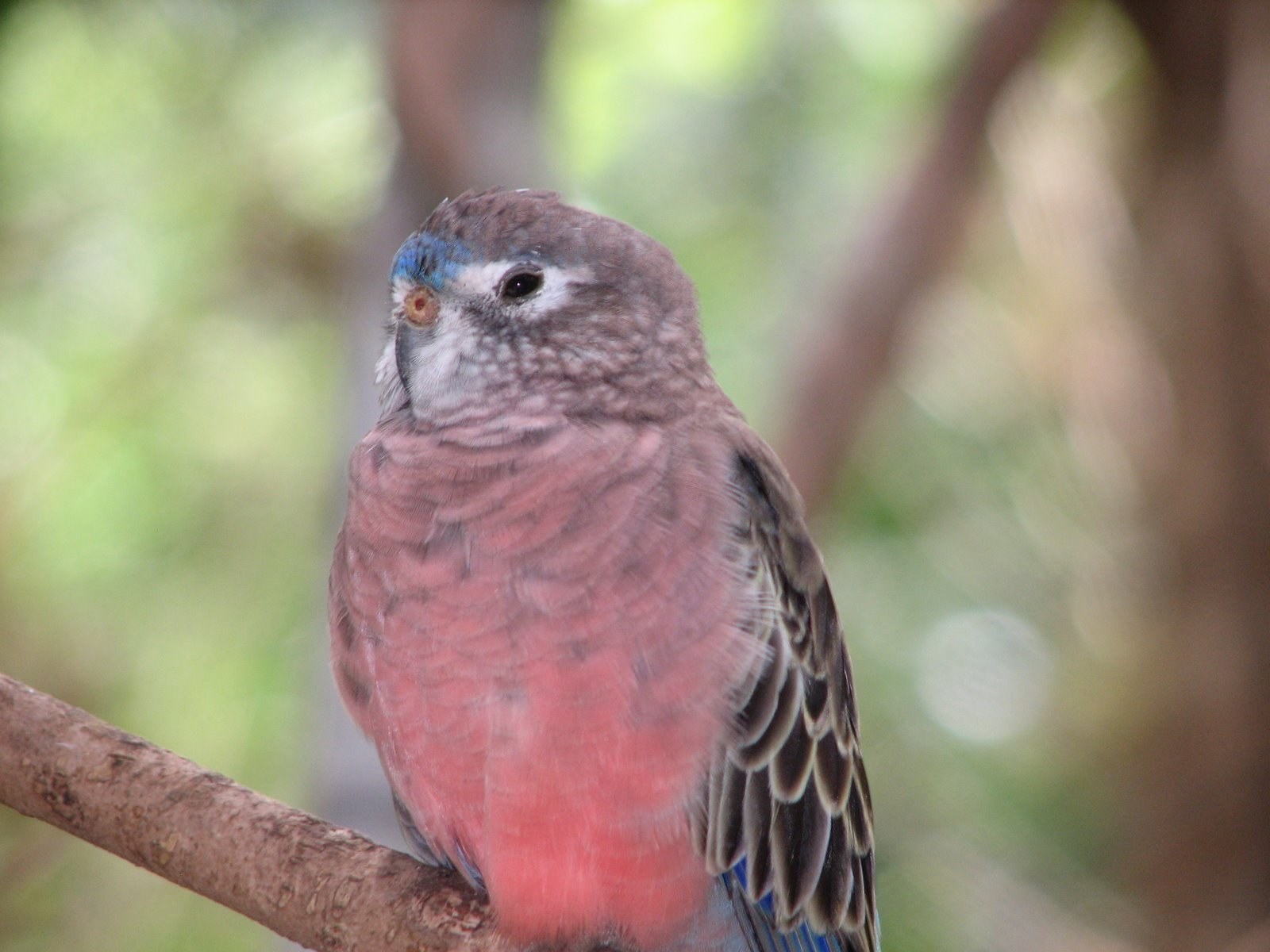
Give companionship room to develop
A compatible same-species companion can offer social interaction that differs from human attention. However, buying a second bird is not an automatic solution to every behavioral concern. Quarantine, veterinary assessment, separate cages, and gradual introductions are necessary planning steps. Watch whether both individuals can eat, rest, and move without being displaced, and keep the option of separate housing indefinitely.
For human companionship, predictable shared routines often matter more than constant handling. Read nearby, speak softly during bowl changes, and reward voluntary approaches. Let the bird use a nearby station while you work, as long as the room is secured and supervision is genuine. A bird resting comfortably near you may be enjoying company without wanting a hand to reach toward it.
Do not interpret comparison pages as mixed-flock recommendations. Zebra finches, society finches, Pacific parrotlets, and Senegal parrots differ substantially in body size, behavior, and housing needs. A quiet Bourke's is not protected from competition or injury simply because another species is also described as a pet bird.
Set household boundaries before accidents happen
The safest rules are easy for every resident to repeat. When the bird is out, outside doors remain controlled, fans stay off, and other pets remain behind a closed door. Cover or clearly mark glass, remove open water, and keep cooking completely separate from flight activity. Bourke's may land low down or forage near the floor, so check their location before moving furniture or stepping into concealed spaces.
Children can participate in observation, preparing safe food with an adult, or placing rewards at a station. They should not chase, squeeze, or carry the bird around the house. Adult supervision is necessary, but it does not make unrestricted contact with cats or dogs safe. Physical separation is the dependable baseline.
Plan for mess, costs, and time away
Seed hulls, feathers, droppings, and food fragments are ordinary parts of living with a bird. Place the enclosure where surfaces can be cleaned easily without exposing it to kitchen fumes. A bird-safe feeding mat or removable tray can simplify cleanup, but no accessory eliminates daily work. Avoid strong fragrances intended to conceal odors; persistent smell should prompt cleaning and investigation.
Budget beyond the purchase price. A suitable enclosure, safe carrier, gram scale, replacement perches, food, and avian veterinary appointments all contribute to ongoing costs. Emergency treatment may require travel to a specialist. A commonly reported captive lifespan of 10–15 years, sometimes longer, means considering future moves, job changes, and who could take over care if your circumstances change.
Before a holiday, have a caregiver rehearse the routine with you:
- Locate the carrier, food supplies, and veterinary contacts.
- Demonstrate how to check actual intake beneath seed hulls.
- Practice the door and fan safety rules.
- Show the bird's familiar return-to-cage cue without chasing.
- Explain which changes require a same-day call or emergency visit.
- Confirm what to do if the caregiver cannot provide planned flight access.
Choose a bird and a home that can grow together
Use a reputable rescue or transparent captive breeder and ask about the individual's established diet, social history, medical records, and independent eating. Do not take an unweaned bird because hand-feeding is presented as a bonding opportunity. Confirm local requirements for keeping and moving the species; internet advice from another country may not apply to your situation.
Once home, change the environment thoughtfully as you learn the bird's preferences. A Bourke's may use an open flight lane and a simple foraging tray far more than a tower of climbing toys. Success is not a cage filled with accessories or a bird that always agrees to be touched. It is a sustainable household routine in which the bird can move safely, maintain social connections, rest undisturbed, and receive prompt help when its usual quiet pattern changes.
Continue reading: Bourke's Parakeet Care: Space, Safe Flight, and Daily Routines.
Sources and further reading:
- Australian Museum: Bourke's Parrot
- Northern Parrots: Bourkes Parakeet Fact Sheet
- MSD Veterinary Manual: Management of Pet Birds
- MSD Veterinary Manual: Household Hazards for Pet Birds
- RSPCA: How to Fly Pet Birds Safely
Photo credits: Christopher Watson (CC BY-SA 3.0 Unported), paulgear (CC BY-SA 3.0 Unported). Images resized and compressed for web display. Each image retains its linked license.

