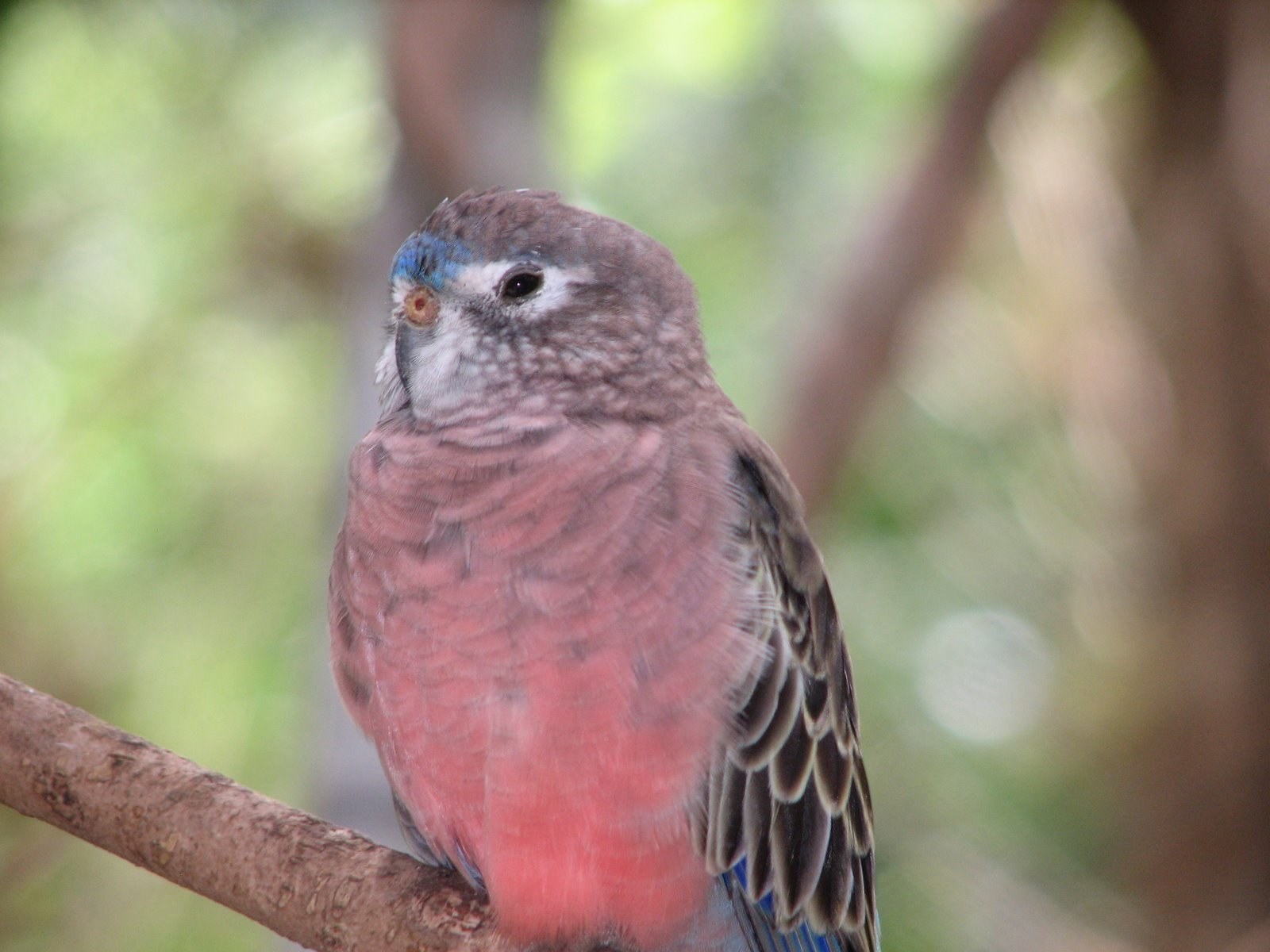
Bourke's Parakeet grooming is better understood as feather and habitat care than a regular trimming appointment. A healthy bird maintains much of its plumage through preening, while you provide appropriate food, safe bathing choices, clean surfaces, and enough room to move without damaging the long tail. The aim is a comfortable, functional bird, not a permanently polished appearance that ignores molt or natural behavior.
Let normal preening do its job
During preening, a Bourke's works through feathers with its beak, arranging them and maintaining their condition. This can occupy a quiet part of the day and does not automatically indicate irritation. Watch the pattern rather than interrupting every session. A bird that can preen, stretch, balance, and resume normal activity is showing something different from one repeatedly damaging the same patch.
Support feather quality with a balanced, veterinarian-guided diet and reliable intake. An all-seed diet cannot be corrected by an external spray. Check whether feathers rub against bars, dishes, or crowded toys, especially around favored resting positions. Bourke's need tail clearance and open routes for flight; a beautiful but cramped enclosure can undermine the feather condition you are trying to preserve.
Offer a bath the bird can choose
Provide a stable shallow dish of plain, comfortably lukewarm or room-temperature water, with a footing the bird can manage and an easy exit. The water should be shallow enough for the individual to stand securely without struggling. Introduce the dish without placing the bird in it. Some birds investigate immediately; others need repeated calm opportunities before deciding it is safe.
Offer bathing early enough for the bird to dry comfortably before its nighttime rest. Keep the room free of chilling drafts and do not direct a heater or hair dryer at the bird. A bird that enjoys a gentle plain-water mist may be offered that choice, but never spray the face or persist when it moves away. Remove the bath afterward so soiled bathwater does not become the drinking supply.
Check access as carefully as water depth. A bath on a slippery surface or beside a crowded landing route may be difficult to approach safely. An older bird or one with mobility problems may need a different arrangement recommended by its veterinarian. Do not assume reluctance is merely fussiness when the bird also hesitates at familiar perches. Keep a separate drinking dish available throughout the bathing opportunity.
Never add shampoo, oils, fragrances, or feather gloss products. If a bird becomes contaminated with paint, oil, adhesive, or another hazardous substance, contact an avian veterinarian for instructions. Forced washing can add stress and spread contamination, and ordinary bathing advice is not a treatment protocol for a chemical exposure.
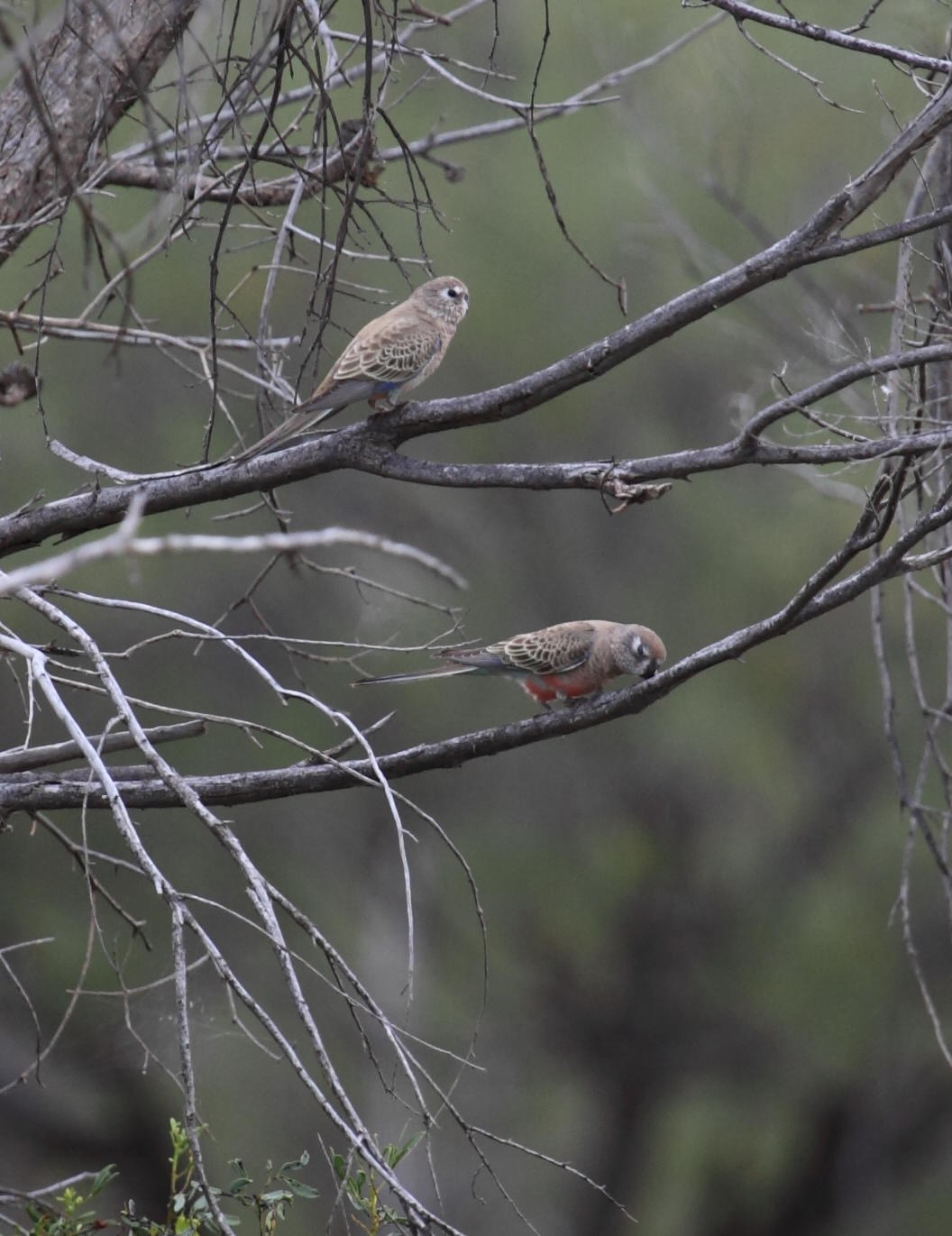
Understand molt without dismissing damage
Molt is the replacement of old feathers. You may find shed feathers on the liner and notice emerging feathers enclosed in temporary sheaths. The pattern and timing vary, so avoid promising an exact schedule for every indoor bird. A Bourke's may be less interested in touch around sensitive new growth while still eating, balancing, and moving normally.
Do not pick at developing feathers or insist on helping a bird that does not request contact. Quiet companionship is sufficient. Maintain familiar flight routes and observe whether control and landing remain comfortable. A sudden inability to fly, uneven wing carriage, persistent bare skin, blood, or repeatedly broken feathers needs veterinary assessment rather than being labeled ordinary molt.
Make perches support healthy feet and nails
Provide secure, appropriately sized natural perches with some variation in diameter and texture. The bird should be able to grip comfortably without spending every hour loading exactly the same points on its feet. Arrange resting and landing positions so droppings do not coat them continually. Replace surfaces that are cracked, contaminated, or impossible to clean adequately.
Sandpaper sleeves are not a good substitute for appropriate perch design or professional care. They can abrade the feet while failing to address why nails are long. Inspect feet visually during normal movement rather than catching the bird for frequent amateur examinations. Red areas, swelling, unusual pressure avoidance, repeated slipping, or changed grip warrant a veterinary appointment.
Nails should be assessed functionally: are they catching repeatedly, changing the stance, or preventing comfortable movement? A professional can evaluate length, body condition, perch arrangement, and any medical problem. Never cut by copying a photograph of another bird. Trimming can cause bleeding or destabilize a small bird, and the correct response may involve changing husbandry as well as nail length.
Keep beak and wings functional, not cosmetic
A beak that changes shape, becomes damaged, or interferes with eating needs assessment. Do not file it at home or assume a mineral block will resolve an underlying disorder. Safe opportunities to explore and manipulate suitable materials can be part of enrichment, but Bourke's do not need to demonstrate the heavy destructive chewing associated with some larger parrots to be behaving normally.
Similarly, flight feathers should not be routinely shortened for convenience. Flight is central to this species' activity, and clipping does not remove the need to prevent escape, falls, or household collisions. Address glass, fans, doors, and landing space directly. If disability or a medical condition affects movement, ask an avian veterinarian to design an individualized arrangement rather than improvising a trim.
Build cleaning into the feather-care routine
A practical maintenance rhythm helps protect the bird without repeated restraint:
- Replace soiled paper and inspect droppings each day.
- Wash food and water dishes, then rinse them thoroughly.
- Remove damp food and clean foraging trays after use.
- Check landing perches for droppings, wear, and unsafe attachments.
- Inspect toys for loose fibers or gaps that could trap toes.
- Clean larger surfaces with the bird safely elsewhere and return it only when the area is dry and free of fumes.
Do not mix cleaning chemicals or spray scented products around occupied cages. Remember that air circulates beyond the cage itself. Keep a clean spare perch or dish available so a washed item can dry fully before reuse. If companions share accommodation, offer more than one comfortable resting place during cleaning; replacing a single favored perch should not leave one bird guarding the only suitable spot. Watch their movement after rearranging anything, rather than assuming the old landing route still works.
Gentle maintenance works best when it protects the bird's choices: it can bathe or decline, rest during normal molt, and fly without striking clutter. Your role is to notice changes and arrange professional help when needed, not to turn every natural feather adjustment into a grooming procedure.
Continue reading: Living With a Bourke's Parakeet: Quiet Company, Real Space Needs.
Sources and further reading:
- Australian Museum: Bourke's Parrot
- Northern Parrots: Bourkes Parakeet Fact Sheet
- MSD Veterinary Manual: Management of Pet Birds
- MSD Veterinary Manual: Household Hazards for Pet Birds
- RSPCA: How to Fly Pet Birds Safely
Photo credits: paulgear (CC BY-SA 3.0 Unported), Christopher Watson (CC BY-SA 3.0 Unported). Images resized and compressed for web display. Each image retains its linked license.

