Ocellaris Clownfish Care: A Stable Marine Home Without an Anemone
Build a stable marine home for ocellaris clownfish with adult pair planning, measured seawater and safe shelter. Learn why an anemone is not a beginner need.
Read article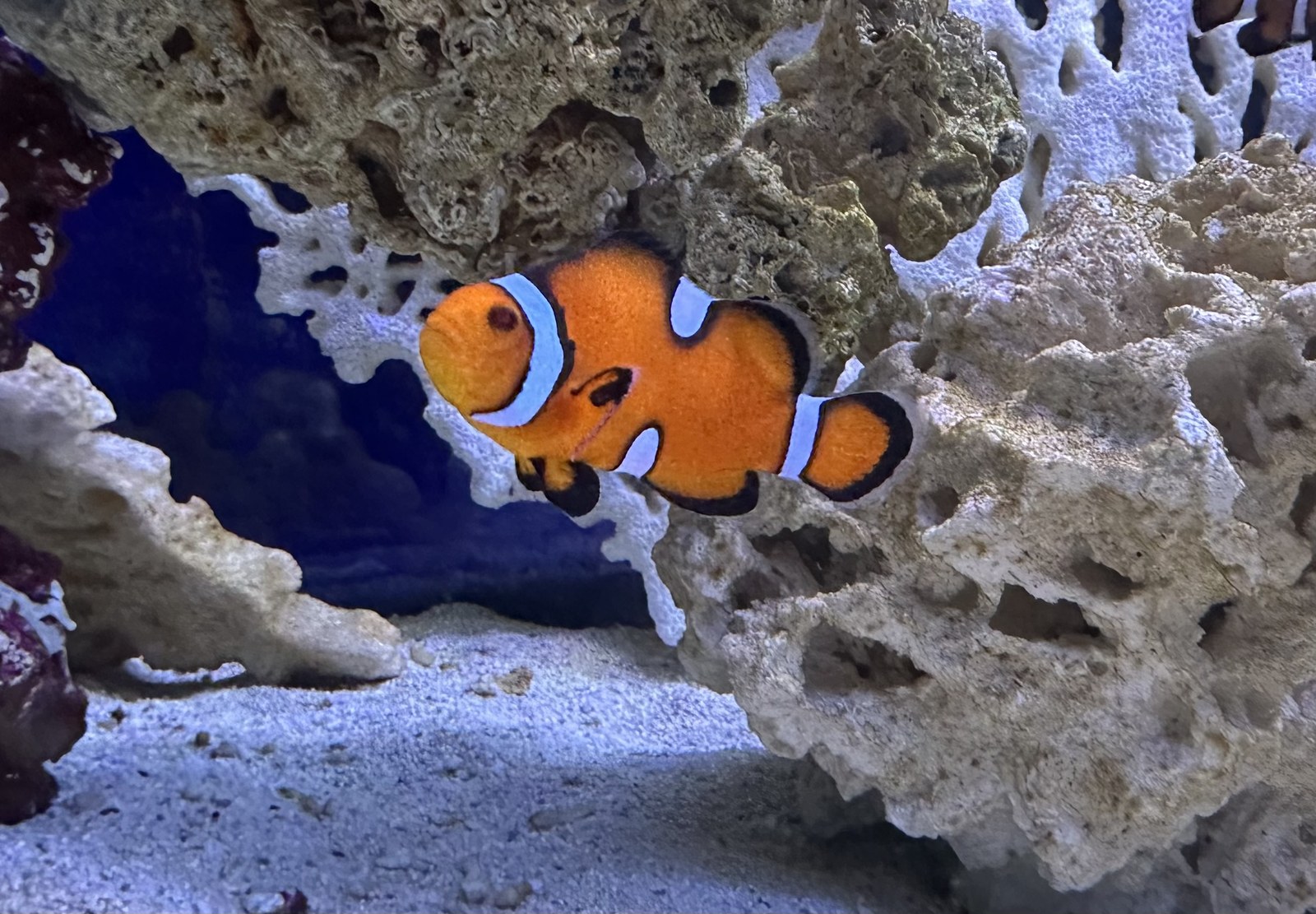
Amphiprion ocellaris
A familiar reef fish with fascinating pair behavior, best enjoyed in stable seawater without an anemone obligation.
Deep Dive
History
This profile concerns Amphiprion ocellaris, the ocellaris clownfish, rather than every orange-and-white anemonefish sold under a familiar nickname. The Florida Museum places it in the Indo-Malaysian region, from Japan's Ryukyu Islands through Southeast Asia to northwestern Australia. Its natural setting includes tropical marine habitats associated with rocky or coral reefs. That background explains why an aquarium must provide seawater, but it does not require a beginner to recreate an entire reef community at home.
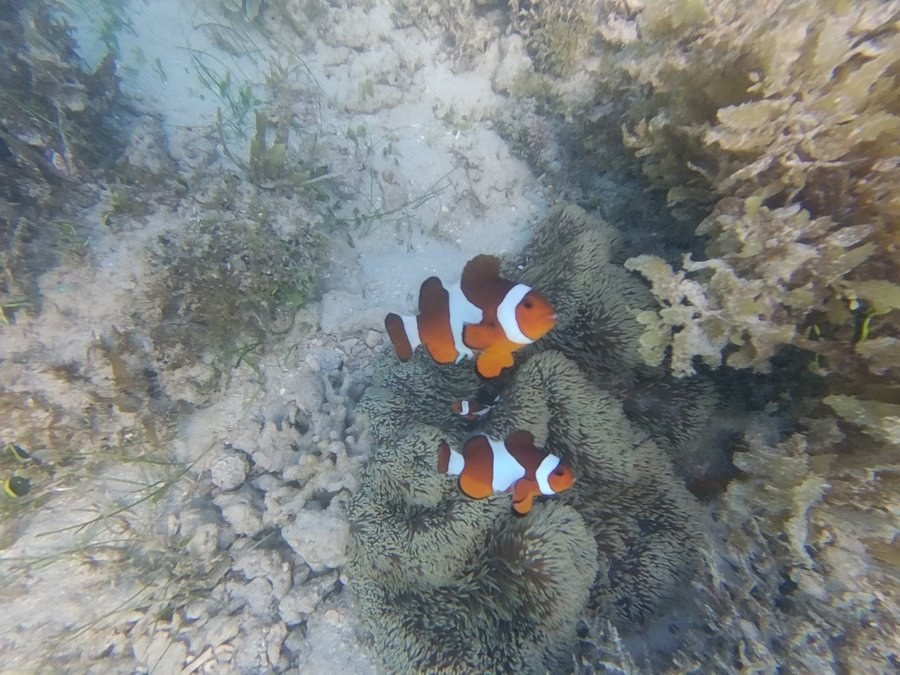
In the wild, the species lives in close association with particular host anemones, which provide protection for fish and nests. This ecological relationship is fascinating without being a shopping instruction. OATA and Coralife explicitly state that captive clownfish do not require an anemone. A carefully planned aquarium without one is a legitimate home, not an incomplete version of the fish's life. Adding a demanding invertebrate simply to match a photograph can make the system harder to manage.
FishBase records commercial captive breeding of Amphiprion ocellaris. Ask sellers to confirm the species and the origin of the individual fish, especially when selecting unusual color forms. Also keep lifespan claims in context: the Florida Museum's approximate six-to-ten-year figure refers to wild fish. The sources used for this profile do not establish a captive lifespan range, so it should not be advertised as an aquarium guarantee. Plan for a long commitment while being honest about what the evidence actually measures.
Personality
Ocellaris clownfish organize their social lives around a hierarchy and a defended home area. Their relatively small size does not make them endlessly tolerant. A fish may remain close to one section of the aquarium, investigate familiar feeding activity and challenge another animal that approaches its preferred shelter. The Florida Museum describes strong site fidelity and monogamous breeding pairs. Those observations help explain the appeal of watching a settled pair, but they do not make arbitrary introductions safe.
The species is capable of a male-to-female sexual transition, described as protandry. In the natural hierarchy, the loss of the dominant female can allow the breeding male to become female. This is not a reversible setting you can choose for a purchased fish. Two adults are not necessarily compatible, and size difference alone does not certify their sex or relationship. A reputable supplier's established pair is a more useful starting point than a guess based on color or apparent friendliness.
Give each fish access to food and a way to avoid constant pursuit. A brief interaction followed by ordinary swimming is different from repeated attacks that confine one animal to a corner. Observe breathing, fin condition and feeding access alongside social displays. Do not dismiss all unusual movement as normal clownfish behavior. The trait scores here are editorial care comparisons, not laboratory measurements of personality, and your own fish's changing patterns should guide practical decisions about its environment and companions.
Appearance
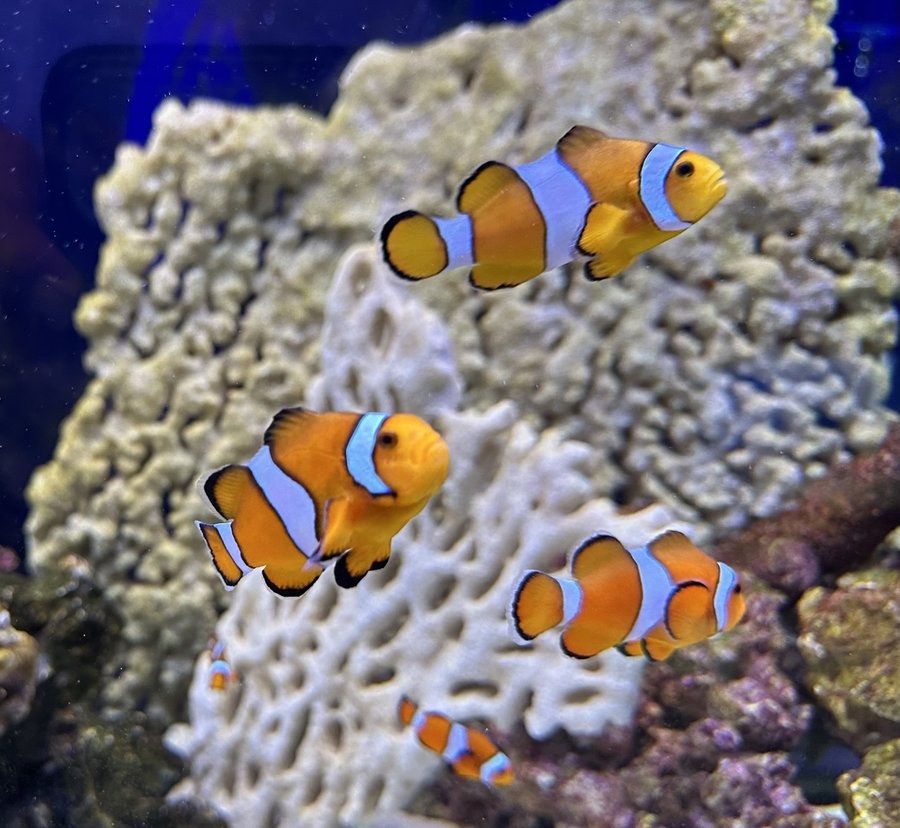
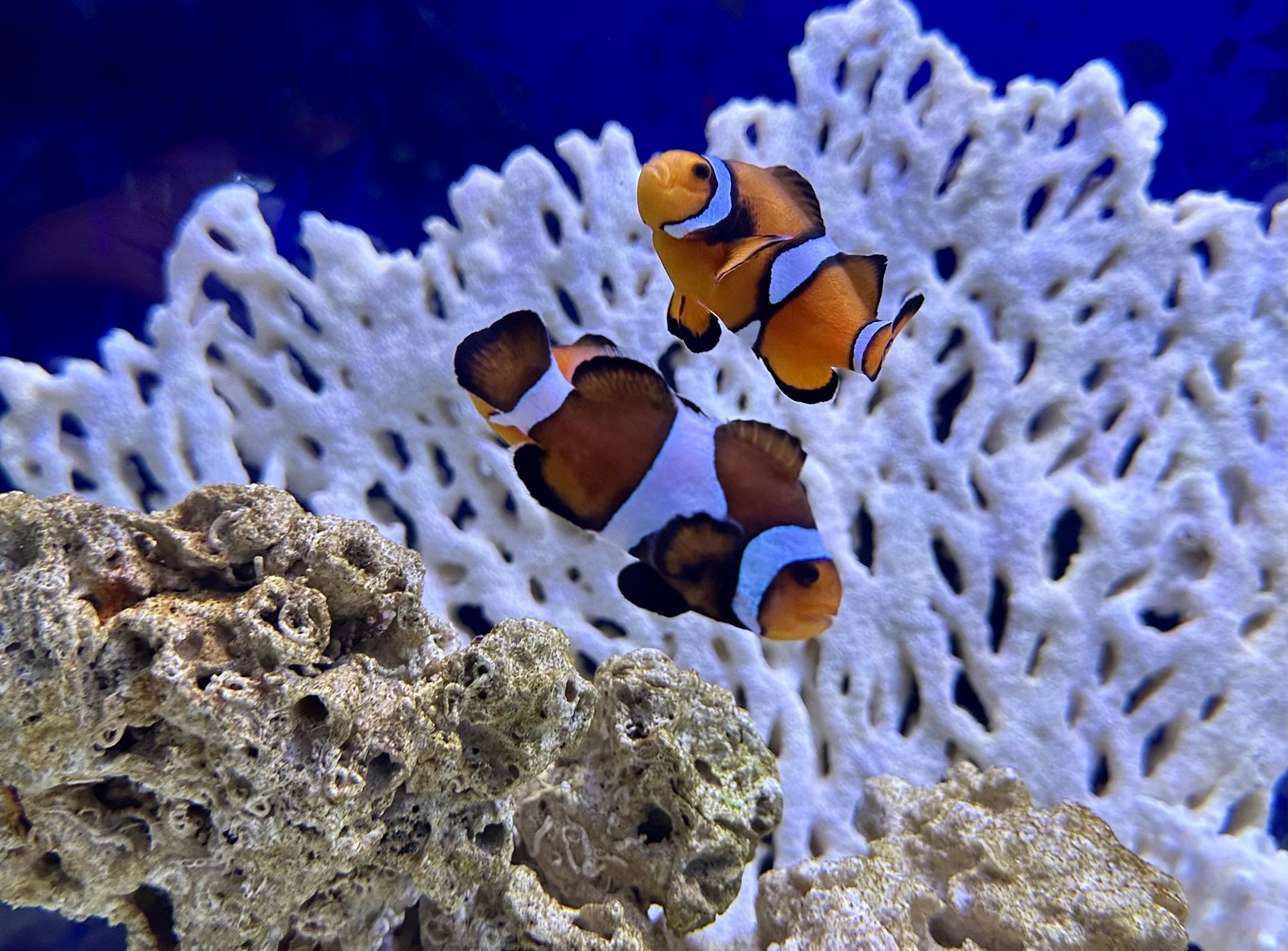
The familiar ocellaris clownfish pattern combines an orange body with pale bands edged in dark pigment. Aquarium color forms can alter that familiar look, so a striking pattern is not by itself a reliable species identification. Ask for the scientific name Amphiprion ocellaris and avoid treating the marketing name false percula as proof that the fish is Amphiprion percula. Those names refer to distinct species, even though casual descriptions and popular imagery often blur the difference.
The Florida Museum describes relatively thin black bands, a grayish-orange iris and the absence of the pronounced bulging facial shape associated with Amphiprion percula. These features are useful context, but photographs, age and selected color forms can complicate visual assessment. FishBase reports a maximum of 11 cm total length for ocellaris, including the tail. That clearly defined maximum is more useful for adult planning than assuming every fish will remain the size of a small shop juvenile.
Make ordinary appearance part of your care record. Notice body fullness, fin edges, eye clarity and the way the fish holds itself in its chosen area. Pale patches, mucus, torn fins or a sunken outline should be interpreted with appetite, respiration and water results rather than assigned an instant diagnosis. Compare photographs under similar lighting because marine aquarium lights can change apparent color dramatically. An attractive pattern is enjoyable, but comfortable swimming and reliable access to food matter more than a particular designer label.
Photo credits: Bruxton (CC0), Bruxton (CC0), Bruxton (CC0), Zoltán Stekkelpak (CC0). Images resized and compressed for web display. Each image retains its linked license. Wild underwater scene according to the source. An anemone is not required for keeping captive ocellaris clownfish.
Living With
A manageable ocellaris aquarium begins with stable seawater and a modest stocking plan. OATA gives at least 60 litres for a single pair of smaller clownfish species. Use that as a minimum pair reference, not as a generous allowance for an adult pair plus an expanding community. More usable space offers greater flexibility. A single fish still needs a properly designed marine system; do not halve the pair volume and assume you have established a new minimum.
Routine care requires understanding two different water jobs. Evaporation removes freshwater while leaving salts behind, so ordinary evaporative loss is replaced with suitable freshwater, commonly purified by reverse osmosis and deionization. A water change deliberately removes seawater and normally replaces it with prepared marine saltwater matched to the system. Confusing the two can shift salt concentration despite otherwise careful care. Use labeled containers and a reliable measuring instrument, and check the aquarium rather than trusting a pump to manage everything unseen.
You can enjoy this fish without an anemone, coral collection or continuous equipment upgrades. Feed a quality prepared staple with suitable frozen supplements, observe both members of a pair and quarantine new arrivals using a marine-compatible setup. Plan for holidays, equipment interruptions and professional help before they occur. Freshwater fish shown as related reading on this site are comparisons, not marine tank mates. The most rewarding home is one whose daily requirements you can meet consistently without turning every quiet weekend into an emergency.
At a Glance
Ownership Guide
OATA's minimum of 60 litres is for one pair of smaller clownfish species; plan for adults and favor more usable space. Provide secure shelter, circulation and a mature marine biological filter without adding a crowd of clownfish.
Use a good-quality marine omnivore flake or pellet and suitable frozen supplements. Offer small measured meals and confirm that both fish in a pair swallow food rather than letting the dominant fish take everything.
OATA gives 24-26 C water, pH 7.9-8.3 and specific gravity 1.020-1.025; use the instrument's calibration and temperature instructions rather than equating SG with salinity units. Replace evaporation with suitable freshwater and removed seawater with prepared marine saltwater.
Provide a predictable light cycle and stable places to retreat. Observe voluntary approaches at feeding time without tapping glass or forcing the fish into an anemone or substitute host.
Keep compatibility centered on a stable pair and adequate space, not the assumption that all clownfish are peaceful. Persistent chasing, injury or blocked feeding requires intervention and possibly separation.
Prepare a filtered marine quarantine option and locate an aquatic veterinarian. Check water and respiration promptly when behavior changes, and do not use preventive antibiotics or improvised freshwater dips.
Wellness
Rapid breathing, gasping or collapse may involve water quality, oxygen supply or disease. Check equipment and water immediately and obtain urgent professional help for severe or persistent distress.
Evaporation, incorrect top-off water or a faulty measuring instrument can change the marine environment. Confirm readings before correction and avoid abrupt, improvised adjustments.
Spots, patches, excess mucus and deteriorating fins need assessment rather than a diagnosis from appearance alone. Do not mix remedies or medicate a reef display indiscriminately.
A smaller fish that cannot feed or leave its corner is not simply participating in harmless hierarchy formation. Prepare appropriate separation and review the pairing.
Observe each fish eating and watch for a progressively hollow outline or persistent refusal. Check food access and water results and consult an aquatic veterinarian if the problem continues.
Both OATA and Coralife state that captive clownfish can be kept without an anemone. Avoiding an unnecessary host can simplify care without withholding an essential requirement.
Stable respiration, coordinated movement and reliable feeding give you a useful baseline. Good husbandry supports health without guaranteeing that a captive-bred fish is disease-free.
Further Reading
Build a stable marine home for ocellaris clownfish with adult pair planning, measured seawater and safe shelter. Learn why an anemone is not a beginner need.
Read articleFeed ocellaris clownfish with balanced marine foods, sensible frozen extras and careful observation. Help both fish in a pair eat without overloading the tank.
Read articleCheck ocellaris clownfish health through breathing, skin, appetite and water tests. Learn safe first steps, quarantine basics and when to seek expert support.
Read articleRead ocellaris clownfish pair behavior, shelter choices and territorial signals. Learn when to observe, when to separate fish and why hosts are not essential.
Read articleManage a clownfish aquarium with calibrated measurements, freshwater top-offs and prepared saltwater changes. Avoid common mistakes that shift salt levels.
Read articlePlan daily life with ocellaris clownfish, from choosing captive-bred fish to holiday handovers. Keep a marine aquarium manageable without unnecessary extras.
Read articleYou May Also Like