Platy Care Guide: Everything You Need to Know
Platies are peaceful, colorful livebearers that thrive in hard, alkaline community tanks. This guide covers setup, water, feeding and breeding basics.
Read article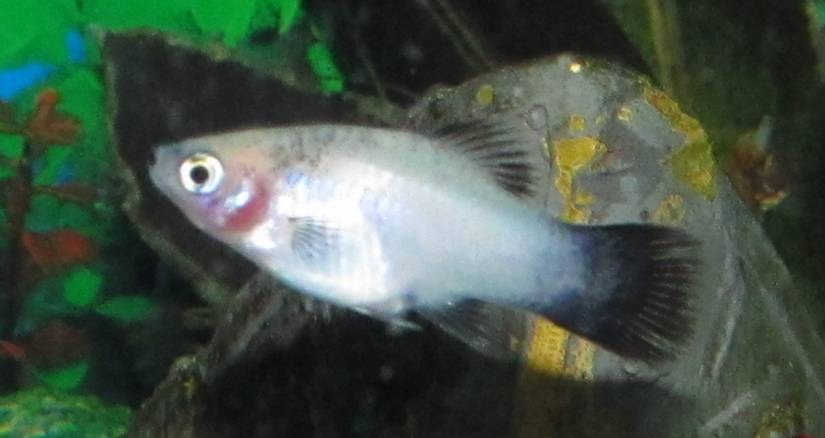
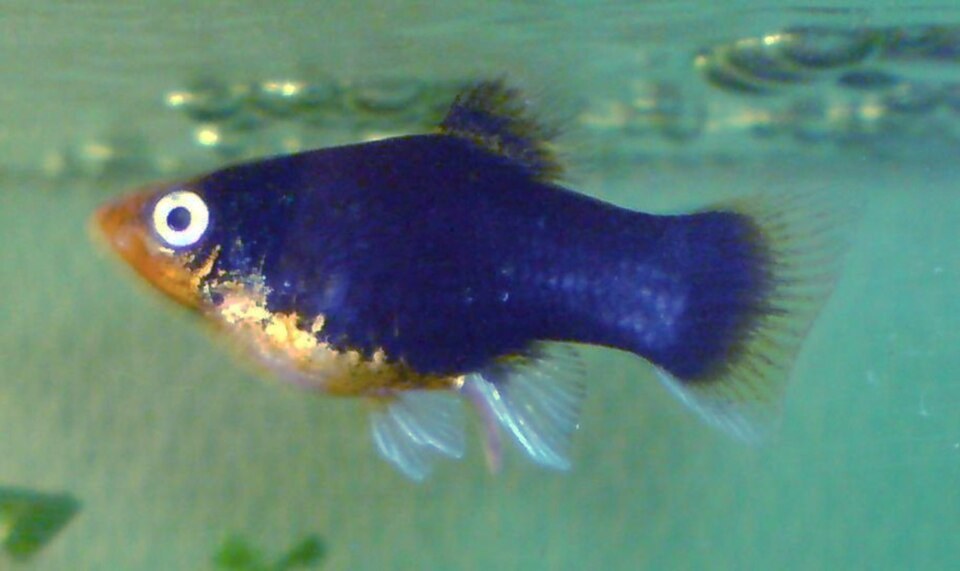
Xiphophorus maculatus
A gentle, ever-colorful livebearer that turns a first aquarium into a lively family community.
Deep Dive
The platy was described by the German-born zoologist Albert Günther in 1866 and given the name Xiphophorus maculatus. The genus name means sword bearer, a nod to the sword-like lower tail fin of some relatives, while maculatus means spotted. Wild populations live along the Atlantic slope of Central America, from southern Mexico through Guatemala and Belize, in warm springs, drainage ditches and slow-moving streams. Populations in different valleys developed their own subtle variations in pattern and color.
Platies reached European aquariums in the early twentieth century and quickly became hobby staples, valued for their small size, calm nature and willingness to breed. Breeders soon discovered a remarkable palette. Selective crossing produced red, orange, yellow, blue and black forms, along with patterned varieties such as the wagtail, the salt-and-pepper and the familiar Mickey Mouse platy with its three-spot marking.
The same ease of breeding made platies a favorite laboratory fish for a while, and the wider Xiphophorus family remains important in genetic research today. In shops they are sold alongside the closely related variable platy and the swordtail, and hybrids do occur. For most keepers the appeal has never really changed: a small, hardy, friendly fish that adds color without demanding special equipment. Few freshwater fish have travelled so far from their Central American home and settled in so comfortably.
A well-kept platy is busy from morning to night. It spends most of its time grazing, pecking at algae on the glass and leaves, sifting the substrate and investigating every corner of the tank. Platies are social by nature and settle faster in a group than alone, where a single fish can become shy and inactive.
The group has a loose, informal order rather than a strict hierarchy. Males spend much of the day displaying to females, and the most persistent ones will follow a female around the tank. This is normal, and it is why keepers recommend two or three females for every male: the attention is spread and no single fish is worn down. A planted tank with caves helps as well, giving every female somewhere to rest. Serious aggression is rare, and platies do not hold territories the way cichlids or bettas do.
Platies are also quick learners. Most figure out within days that a person approaching the tank means food, and they will rise to the glass in anticipation. They are gentle with tank mates and rarely bother other species, though they will nibble soft plant leaves if vegetables are scarce. Give them cover, company and a varied diet, and you will see the full range of their curious, good-natured behavior.
Wild platies are modestly colored: olive-brown with dark speckles and a hint of blue along the flanks. Aquarium strains could hardly look more different. Decades of selective breeding have produced solid reds, oranges, yellows and blues, plus red wags, sunset, coral, bumblebee and the much-loved Mickey Mouse pattern with its three black spots. No two color forms share exactly the same pattern, and new varieties still appear in shops every few years.
Body shape follows the livebearer blueprint: a compact, deep-bodied fish with a rounded back and a fan-shaped tail. Females grow larger and rounder, reaching about 2.5 inches (6 cm), while males usually stop near 1.5 to 2 inches (4-5 cm). Look between the anal and tail fins on a male and you will find the gonopodium, a slim rod-like fin used to transfer sperm, while females have an ordinary, broad anal fin instead.
Color often reflects mood and health. Bright, well-fed platies show strong pigment and clear fins, while stress, poor water or illness can leave a fish pale, with clamped fins and a dull eye. A healthy female also develops a dark gravid spot near the vent as she carries fry, which is another useful clue for the attentive keeper. The spot deepens as the fry grow and lightens again after she gives birth.
Photo credits: Gourami Watcher via Wikimedia Commons (CC0 1.0), Montoya at da.wikipedia via Wikimedia Commons (CC BY-SA 2.5). Images resized and compressed for web display.
Living with platies is one of the gentler projects in fishkeeping. They ask for a modest tank, a stable filter and a little food, and in return they fill the front of the glass with movement and color. A group of five or six makes a small aquarium feel busy without turning it into a crowd, and they are just as content in a quiet room as in the middle of a busy household.
The main differences from other beginner fish are social and reproductive. A mixed group will breed, so if you keep males and females together you will be managing fry. Some will be eaten and some will survive among the plants, and the population can climb surprisingly fast. Keep two or three females for every male, and decide in advance how you will rehome extra fish. Never release them into the wild.
Platies are also among the few fish that seem to enjoy an audience. They hold position at the front of the tank, follow a finger along the glass and gather whenever the lid opens. For families, that mild curiosity is a large part of their charm, and with steady water, plants and sensible feeding most platies stay active and colorful for three to five years. Keep the water clean, keep the group company, and the years tend to look after themselves.
At a Glance
Ownership Guide
A group of five or six platies is comfortable in a 10 to 20 gallon tank, with a 20 gallon long giving the best footprint for swimming and planting. Add a gentle filter and a close-fitting lid, because platies can jump when startled. Keep more females than males so attention is spread evenly.
Offer a quality tropical flake or micro-pellet as the staple, plus regular plant matter such as blanched zucchini, spinach or shelled peas. Frozen brine shrimp and bloodworms make good occasional treats. Two small meals a day, with leftovers removed, keeps both the fish and the water in good shape.
Platies need hard, alkaline water between pH 7.0 and 8.3 and 68-79F (20-26C). Ammonia and nitrite must read 0 ppm, so test weekly and change 20 to 25 percent of the water. Always dechlorinate new water and never use soap on anything that touches the tank.
Live plants, driftwood and open swimming space keep platies busy and confident. They quickly learn where food appears and will gather at the glass when they see you. Vary where you feed them and add the occasional new plant or cave to encourage natural grazing and exploration.
Peaceful, similarly sized community fish are ideal, including guppies, zebra danios, cherry barbs and small corydoras. Avoid anything large enough to swallow a platy and known fin-nippers such as tiger barbs. Keep platies away from swordtails if you want to avoid hybrid fry.
Quarantine new arrivals for two to four weeks in a separate tank before they join the group. Watch for white spots, clamped fins, shimmies or loss of appetite, and correct water quality before anything else. A healthy platy is bright, active and first in line at feeding time.
Wellness
Tiny white grains on the fins and body usually follow a temperature dip or an unquarantined new fish. It is treatable, but the whole tank needs attention and the underlying cause must be corrected.
Ragged, receding fins point to poor water quality or a bacterial infection. Test ammonia and nitrite, make a partial water change, and act promptly before damage reaches the body.
A swollen, listless platy is often simply overfed. Offer plant matter and a day without food, then review portion sizes before assuming an infection.
Livebearers kept in soft, acidic water may rock in place, clamp their fins and struggle to swim forward. The fix is water chemistry: raise hardness and pH slowly into the range platies need.
A dusty gold or rust sheen on the skin is a parasite that spreads fastest when water quality slips. Quarantine and treat early, and never move equipment between tanks without disinfecting it.
Platies genuinely thrive in the hard, alkaline water that many community fish dislike, which makes them forgiving once the tank is cycled and stable.
A platy that rushes to the glass at feeding time is usually in good health. A sudden loss of interest in food is one of the earliest warning signs worth acting on.
Further Reading
Platies are peaceful, colorful livebearers that thrive in hard, alkaline community tanks. This guide covers setup, water, feeding and breeding basics.
Read articleWhat do platies eat? From algae and greens to frozen treats, this complete diet guide explains portions, schedules and foods that keep platies healthy.
Read articleWhite spot, fin rot, bloat and shimmies: learn the common platy health problems, what causes them, and how good water and quarantine prevent the worst.
Read articleWhy do platies chase each other, follow you around or hang at the glass? This guide explains everyday platy behavior and the small signals worth noticing.
Read articleKeep a platy tank clean and stable with a simple weekly routine: water changes, filter care, water testing, and the cleaning rules that protect your fish.
Read articleFrom daily feeding rituals to fry management and busy family life, here is what living with a platy is really like, plus how to plan for the years ahead.
Read articleYou May Also Like