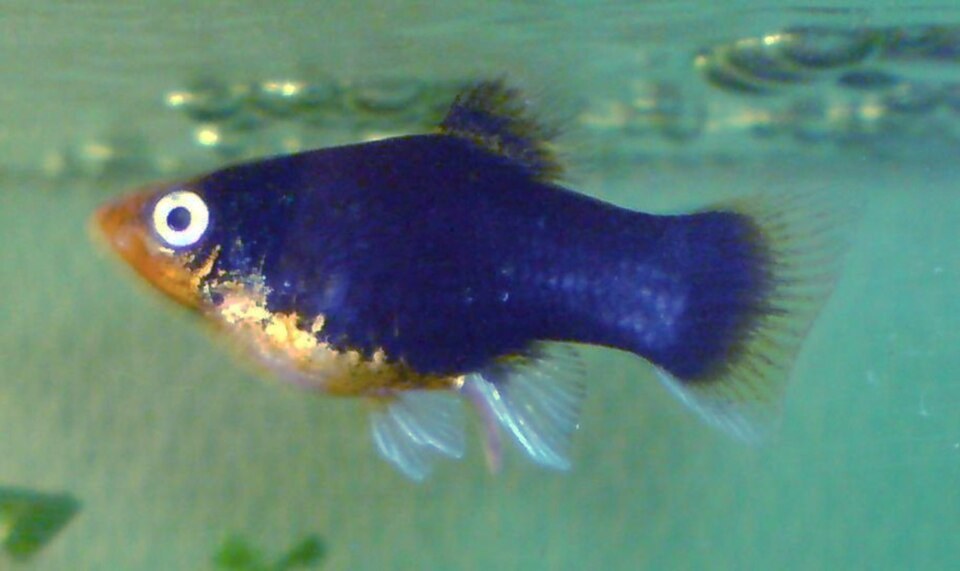
A Small Fish With a Big Personality
Few aquarium fish offer as much character per inch as a platy. It is small enough for a modest tank, tolerant enough for a beginner, and active enough that the front of the glass is rarely empty. Add a livebearing habit that produces a steady trickle of babies, and you have a fish that keeps giving you something to watch.
Living with a platy is really about rhythm. There is a daily rhythm of feeding and watching, a seasonal rhythm of fry and growth, and a long rhythm of gentle maintenance that keeps the whole thing running. Once you are tuned to it, the hobby becomes less about work and more about attention.
The Daily Ritual: Feeding, Watching and Noticing
A platy tank asks for five minutes a day, most of it enjoyable. In the morning, feed a small portion and count heads while the group gathers. In the evening, drop in a second small meal, check the temperature on the thermometer and look for anything unusual: a fish hanging at the surface, a clamped fin, a platy that has gone pale.
That daily glance is your early warning system. Most problems in the aquarium show up in behavior first and symptoms second, and a keeper who knows the group's normal rhythm spots trouble days before it becomes serious. When something looks off, test the water before doing anything else.
Beyond the checks, there is the simple pleasure of watching. Platies graze, chase, court and explore in a way that rewards a few minutes on the sofa. Families often find that the tank becomes the most-watched screen in the house, and it does not need a power cable for that.
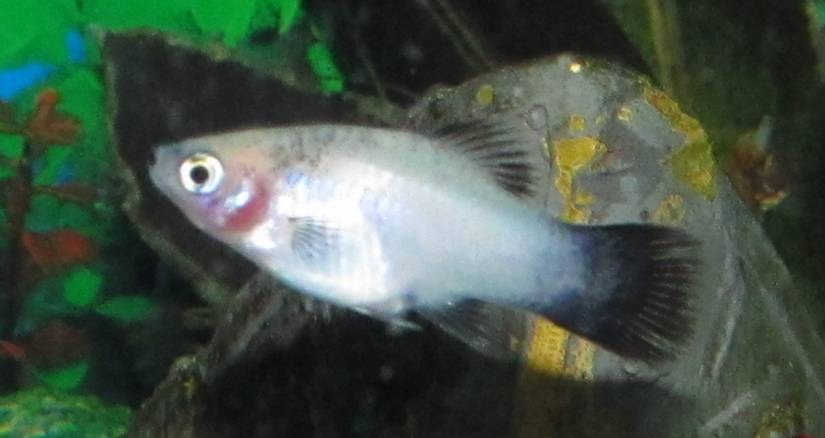
The Fry Question: Life With a Breeding Fish
If you keep males and females together, you will have fry. It is not a question of whether but when, and the only surprise is how quickly a small group can become a large one. A mixed tank is not a problem, but it is a commitment, and it is worth planning for before the first babies appear.
Your options are straightforward. Keep only males if you want no breeding at all. Keep a mixed group and let the population find its own level, since dense plants shelter some fry while the adults snack on others. Or raise a batch deliberately in a separate nursery tank with a sponge filter and daily water changes.
Whichever path you choose, the rules are the same. Never release platies into the wild. Plan rehoming early, because shops can only take so many juveniles, and an overcrowded tank is unhealthy for everyone in it. Fry are a joy, but they are also a job.
Children, Guests and Safe Hands
Platies are excellent family fish. They are active in daylight, colorful, and they respond to people, which makes them far more engaging for children than a shy species that hides whenever the room moves. The trick is to give children the safe jobs and keep the risky ones for adults.
Good tasks for young helpers include counting the fish at feeding time, checking the thermometer and choosing vegetables for the next meal. Adults should handle water changes, filter cleaning and anything involving treatment, along with the portion sizes that keep the tank balanced.
Guests need the same gentle briefing. Hand soap, lotion and hand sanitizer all leave residue that harms fish, so anyone who has just washed their hands should rinse with plain water before touching the tank or feeding the fish.
Holidays, Power Cuts and Emergencies
A mature platy tank copes with a short absence better than most pets. Healthy adults can safely skip two or three days of food, so a weekend trip needs nothing more than a normal water change beforehand and a lid that fits.
For longer trips, pick one approach and stick to it: pre-measured portions for a friend to add, a simple automatic feeder set conservatively, or a trusted keeper who understands the routine. Overfeeding by a well-meaning helper is a far more common holiday disaster than hunger.
Power cuts are worth a thought, especially in winter. A battery-powered air pump keeps surface movement going for hours, and a blanket over the tank slows heat loss. After power returns, check the temperature and test for ammonia before feeding. Fish survive cold water surprisingly well; they cope far less well with a sudden crash of water quality afterwards.
Choosing Companions for the Long Term
The platy's easygoing nature is a gift in a community tank. Guppies, zebra danios, cherry barbs and small corydoras all mix well, and the platy's habit of staying in the open makes shyer fish bolder. Avoid anything large enough to eat a platy, and avoid known nippers. Keep two or three females per male, and the social side of the tank stays calm.
Think in years rather than weeks. A well-kept platy lives three to five years, so the companions you choose now will share most of that time. Stock slowly, quarantine every arrival for two to four weeks, and give the tank a month to settle before adding anything else. A stable community group is far more rewarding than a crowded one.
Is a Platy Right for You?
A platy suits you if you want a small, friendly, colorful fish that thrives in hard water and gives you plenty to watch. It is an excellent choice for families, first tanks and anyone who likes the idea of a living, breeding community rather than a single showpiece fish.
It may not suit you if you want a completely hands-off tank, if your water is very soft and you would rather not adjust it, or if the idea of managing fry feels like a chore. Those are honest reasons to choose a different species.
For everyone else, the platy is close to ideal: hardy, beautiful and endlessly willing to remind you why fishkeeping is such a rewarding hobby. Give it clean, stable, mineral-rich water and good company, and it will spend years repaying the favor.
Continue reading: Platy Care Guide: Everything You Need to Know.
Sources and further reading:
- Seriously Fish species profile: Xiphophorus maculatus
- FishBase: Xiphophorus maculatus, Southern platyfish
- MSD Veterinary Manual: Disorders and Diseases of Fish
- USGS Nonindigenous Aquatic Species: Southern Platyfish
- RSPCA: Keeping freshwater fish as pets
Photo credits: Gourami Watcher via Wikimedia Commons (CC0 1.0), Montoya at da.wikipedia via Wikimedia Commons (CC BY-SA 2.5). Images resized and compressed for web display.

