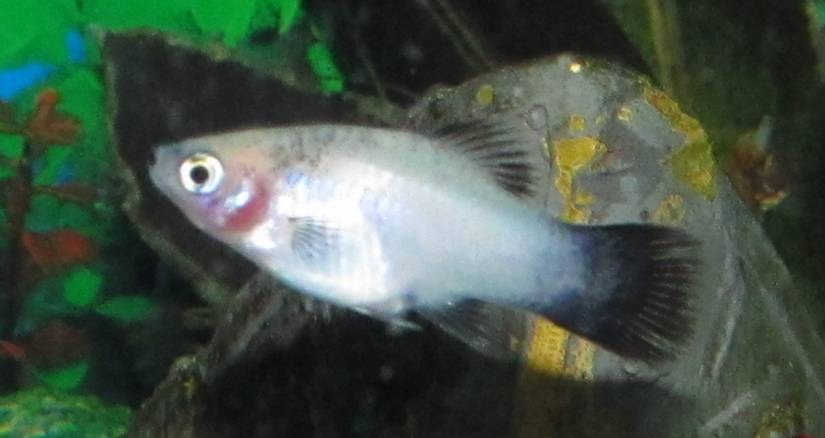
The Weekly Routine That Keeps Platies Well
A platy tank is not high maintenance. Thirty minutes once a week covers almost everything the fish need, and doing that half hour consistently matters more than any piece of equipment you can buy.
A typical weekly session looks like this:
- Test ammonia, nitrite and nitrate before you change anything
- Change 20 to 25 percent of the water, vacuuming gently as it drains
- Wipe the inside of the glass with a dedicated sponge or scraper
- Check the filter flow and the heater setting, and make sure the lid fits properly
- Watch the group for a minute and count heads
Everything else is monthly or occasional. Platies are forgiving fish, and the routine above is the whole reason why.
If a week goes wrong, do not panic. Skip the deep clean rather than the water change, feed lightly for a couple of days, and pick the routine up again the following week. Platies are hardy enough to forgive an occasional missed session.
Water Changes Done Right
Water changes are the single most important job in the aquarium, and the most common way to get them wrong is to do too much too fast. A steady 20 to 25 percent weekly is far better than a dramatic overhaul once a month.
- Unplug the heater before you drain any water, so it does not run dry and overheat
- Siphon from the gravel rather than the bare glass, moving slowly around plants and decor
- Treat the new water with a dechlorinator before it goes anywhere near the tank
- Match the new water to the tank temperature within a degree or two, then refill slowly
Never drain more than half the tank in one go, and never scrub every surface. A little algae and a mature layer of bacteria on the decor are working for you.
Consistency, not volume, is what keeps platy water calm. Fish cope far better with a modest change every week than with a clean slate now and then.
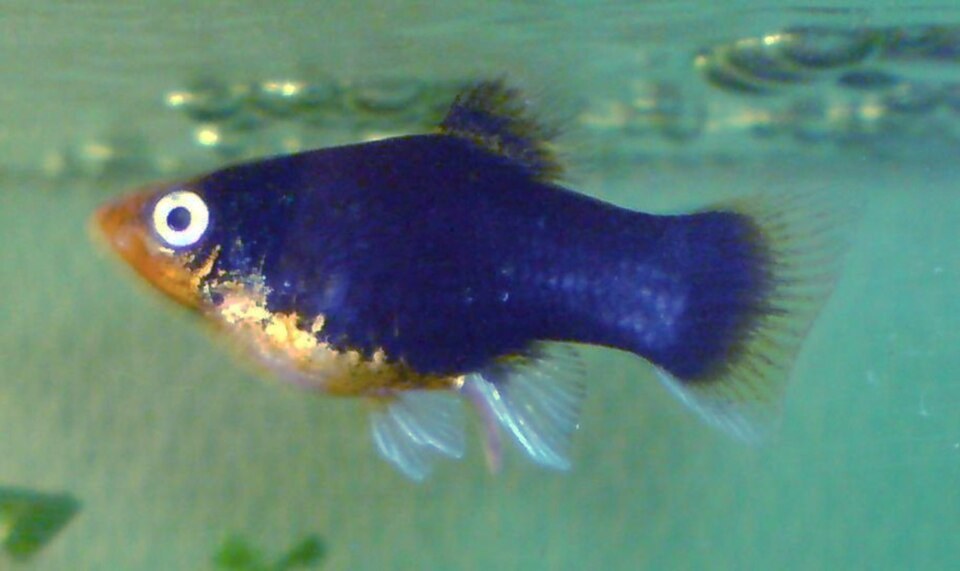
Filtration, Heating and Aeration
Platies are not strong swimmers, so a gentle flow suits them best. A sponge filter is close to ideal: it provides biological filtration, does not buffet small fish and cannot pull newborn fry into an impeller. A small power filter with adjustable flow works well too. Whichever you choose, keep the biological media intact, and clean only a portion of it at any one time.
Whatever filter you choose, remember that the bacteria inside it are the real filter. A sponge can last for years if it is rinsed in tank water and only replaced when it starts to fall apart. Filter floss and carbon are useful extras, but carbon is best kept for removing medication or odors rather than left in the tank as a permanent crutch.
Heating matters more than many beginners expect. Set the heater between 68 and 79F (20-26C), with the middle of that range a sensible target, and keep a simple glass thermometer at the far end of the tank to check the reading independently. A heater rated for your tank volume will hold a steady temperature with less work than a small one running flat out.
Aeration is simple: you want gentle surface movement rather than a raging bubble wall. Movement at the surface promotes gas exchange, and platies appreciate calm water below it. A close-fitting lid keeps warmth in, slows evaporation and stops the jumping that startles fish.
Cleaning Without Breaking the Cycle
Cleaning is where beginners accidentally undo their own good work. The filter is not just a sieve; it is a living colony of bacteria that turns ammonia into nitrite and then into nitrate. Every cleaning decision should protect that colony.
- Never rinse filter media under the tap; use old tank water
- Never replace all the media at once, even if the cartridges look brown
- Wipe glass with a dedicated sponge, pad or scraper, not a household cloth
- Keep a separate bucket, siphon and towel used only for the aquarium
- Unplug the heater and filter before putting your hands in the water
Gravel cleaning can be gentle too. Vacuum a portion of the substrate at each water change rather than deep-cleaning the whole floor in one day, and leave the area around plant roots mostly undisturbed.
Test Kits and the Numbers That Matter
A liquid test kit is one of the best investments in the hobby, and it costs less than most ornaments. Test strips are quicker, but they are less precise and easier to misread, which matters most for the readings that keep fish alive. A newly set up tank needs daily testing for the first few weeks; once readings have been steady for a month, weekly checks are plenty.
The numbers worth checking weekly:
- Ammonia and nitrite: 0 ppm at all times, no exceptions
- Nitrate: low, and rising only slowly between water changes
- pH: stable between 7.0 and 8.3
- General hardness: hard, in the range platies are built for
If ammonia or nitrite shows up, respond immediately with a partial water change and a review of feeding and stocking. If nitrate climbs quickly between changes, feed a little less or change a little more. Readings are conversations, not verdicts.
Monthly Jobs and Time Away
Once a month, give the equipment a few minutes of attention. Clean the filter impeller if flow has dropped, trim and remove dead plant leaves, check the heater and thermometer against each other, and confirm the lid still sits squarely. Restock food before you run out, and keep a spare dechlorinator bottle on the shelf.
Planning time away is easier than most people think; the living with platies guide covers holidays and power cuts in detail. Healthy adult platies can safely skip two or three days of food, which covers a long weekend without any gadget. For a longer trip, use pre-measured portions, a simple automatic feeder or a trusted friend who can follow written instructions.
With a routine in place, a platy tank mostly runs itself. Test, change water, feed lightly and watch your fish. That is the entire maintenance contract, and it is a short one.
Continue reading: Living With a Platy: Daily Life & Companionship.
Sources and further reading:
- Seriously Fish species profile: Xiphophorus maculatus
- FishBase: Xiphophorus maculatus, Southern platyfish
- MSD Veterinary Manual: Disorders and Diseases of Fish
- USGS Nonindigenous Aquatic Species: Southern Platyfish
- RSPCA: Keeping freshwater fish as pets
Photo credits: Gourami Watcher via Wikimedia Commons (CC0 1.0), Montoya at da.wikipedia via Wikimedia Commons (CC BY-SA 2.5). Images resized and compressed for web display.

