Bernese Mountain Dog Care: A Comfortable Start and Daily Routine
Build a practical Bernese Mountain Dog care routine with safe spaces, sensible exercise, cool-weather planning, grooming, and veterinary support at every age.
Read article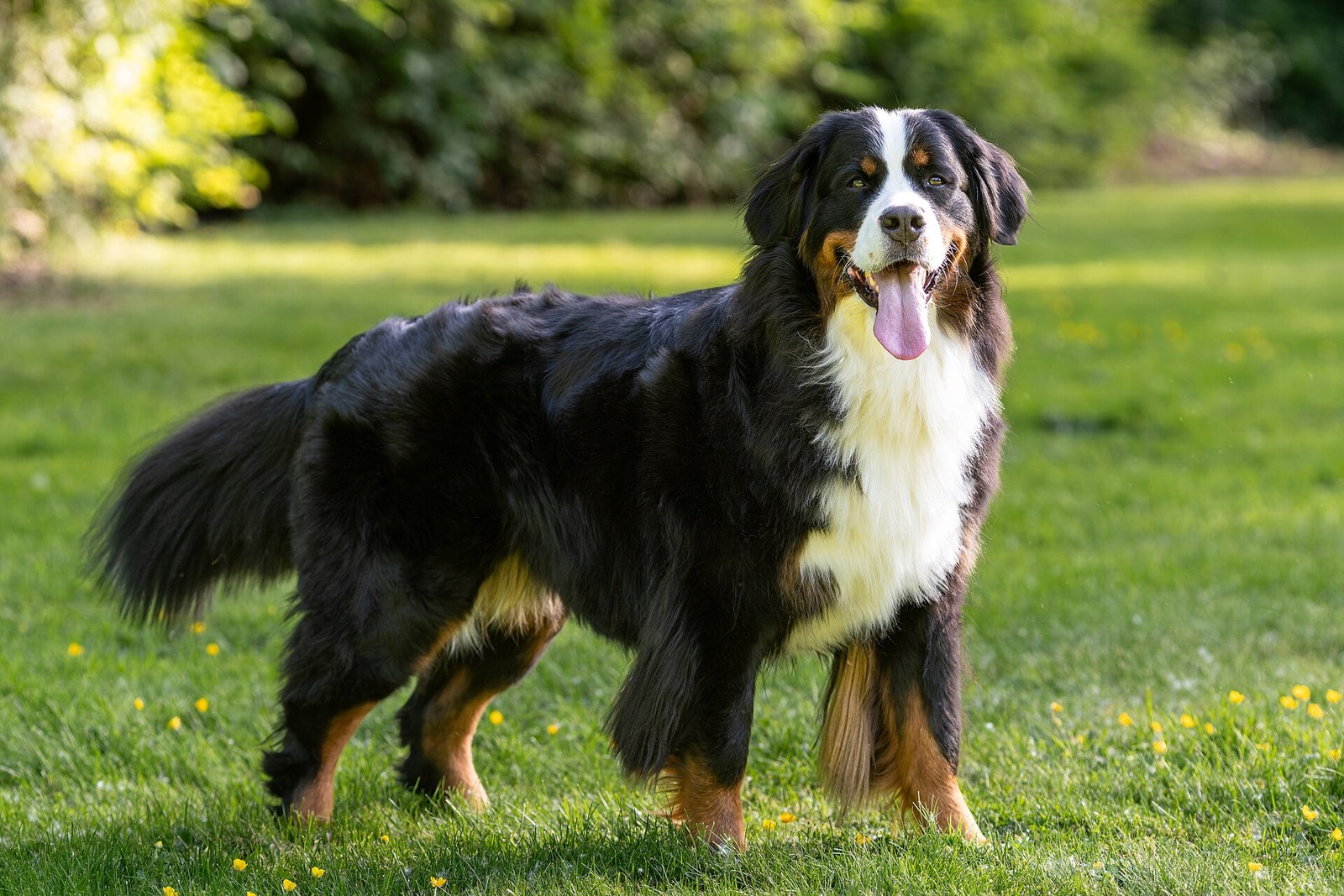
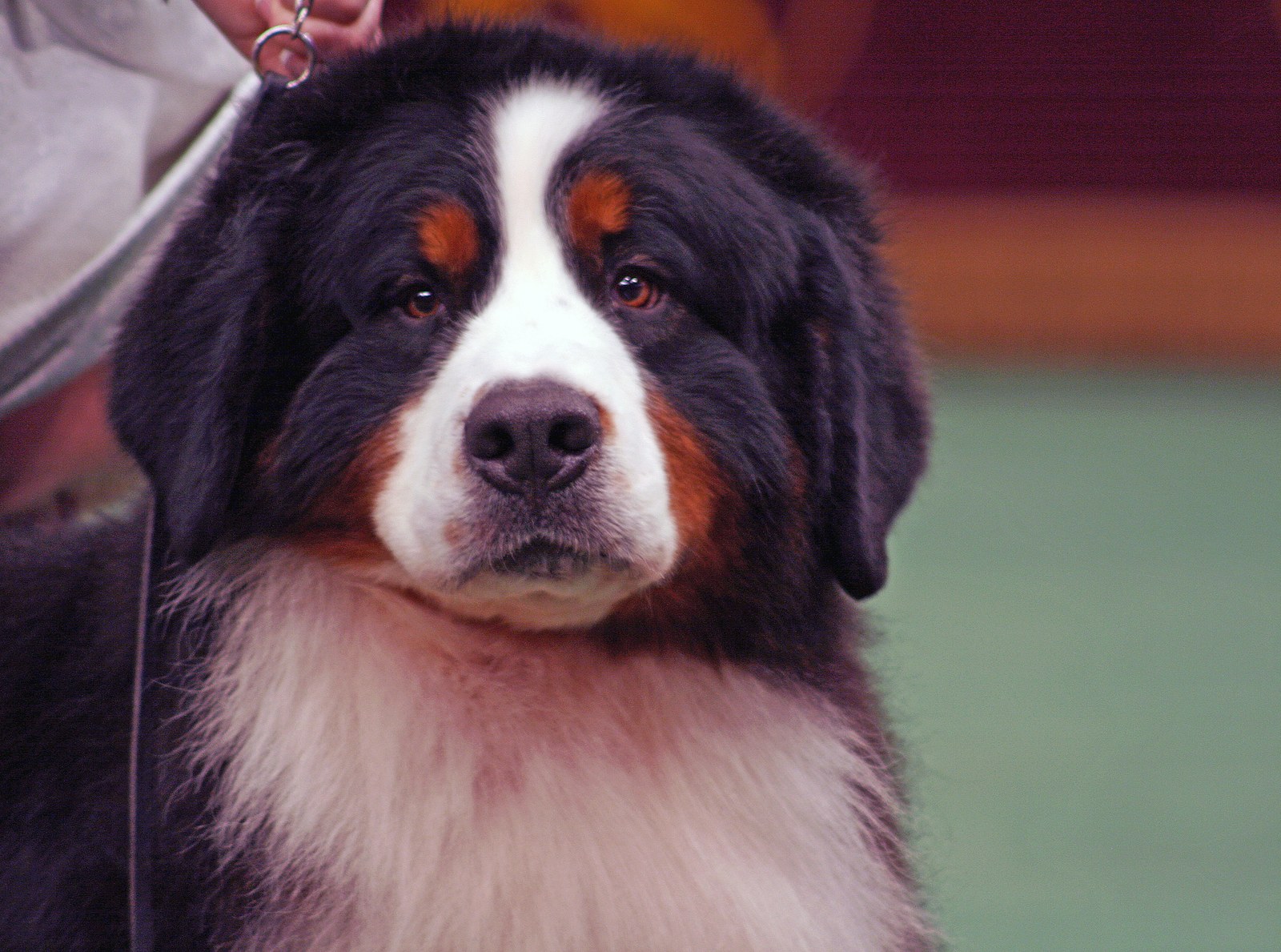
Canis lupus familiaris
A big-hearted Swiss companion who thrives on kind guidance, cool surroundings, and family life.
Deep Dive
The Bernese Mountain Dog comes from Switzerland, where sturdy farm dogs helped with practical jobs rather than a single specialized task. Their background includes moving livestock, pulling carts and watching the farm. The breed club's standard still emphasizes strength and agility for draft and droving work. That history helps explain why a Berner can enjoy participating in household activities while remaining physically powerful enough to make an untrained greeting difficult. A modern family dog does not need a cart to have a worthwhile life: sniffing walks, cooperative training and appropriate games can offer satisfying work without recreating farm labor.
Working heritage is context, not a training prescription. Puppies should not pull loads because their ancestors did, and adult draft activities require suitable equipment, skilled instruction and veterinary clearance. Likewise, an attractive coat is not proof of responsible breeding or a healthy pedigree. Ask breeders for identifiable parental screening results and honest family health histories, or discuss an adult rescue dog's established needs with its carers. The breed has important orthopedic and cancer concerns that deserve realistic planning rather than either romantic reassurance or alarm. A Swiss study of 389 dogs born in 2001 and 2002 estimated a median life expectancy of 8.4 years. That historical population provides useful perspective, but it cannot tell you how long a particular puppy or adopted adult will live. Prepare for both ordinary companionship and possible substantial medical needs.
A comfortable Bernese Mountain Dog often enjoys staying close to familiar people, joining gentle games and observing household activity. The breed standard describes an alert, good-natured dog that may remain aloof toward strangers. That is an ideal used to describe the breed, not a promise that every Berner welcomes every visitor. Some are exuberant greeters; others need more space and time. PDSA also highlights their sensitivity and attachment to family. Rewarding calm choices and allowing a dog to retreat helps build confidence much more reliably than demanding affection from a nervous animal or treating hesitation as disobedience.
Size makes ordinary behavior consequential. A friendly jump can knock someone over, a startled pull can unbalance a handler, and an enthusiastic adolescent can overwhelm a smaller dog without intending harm. Teach loose-lead walking, a comfortable resting place and four paws on the floor before strength outpaces your management. Supervise children actively and give the dog a resting area nobody follows them into. The trait scores here are editorial tendencies, not measured tests or individual guarantees. Age, pain, learning history, breeding and daily circumstances all influence behavior. A sudden loss of sociability or new reluctance to be handled deserves a veterinary check, not firmer corrections. Gradual practice with short absences is sensible, but no breed description establishes how long an individual can be left comfortably. Plan support around the dog you actually have.
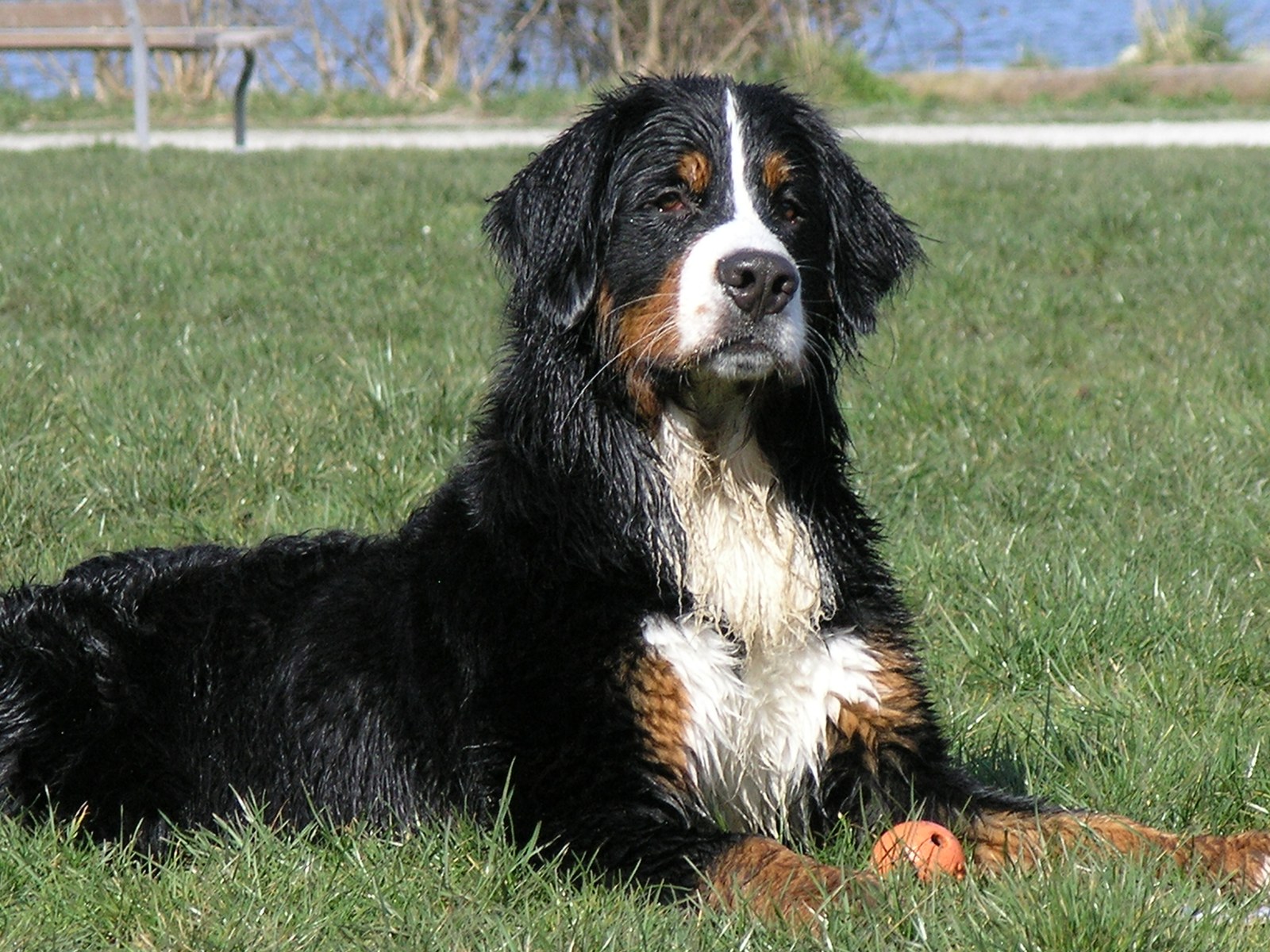
The familiar Berner outline combines a substantial body, bushy tail and moderately long coat that may be straight or slightly wavy. The breed-club standard describes a black ground color with rust and white markings. It specifies male height at the withers as 25-27.5 inches, approximately 64-70 cm, and female height as 23-26 inches, approximately 58-66 cm. Those are conformation reference ranges, not boundaries that separate healthy pets from unhealthy ones. Coat symmetry, eye color or a photograph cannot establish pedigree, temperament or freedom from inherited disease. A pet's comfort and functional movement matter more than resemblance to an ideal illustration.
Published weights are not feeding targets. PDSA lists average adult reference ranges of 48-63 kg for males, approximately 106-139 lb, and 42-53 kg for females, approximately 93-117 lb. Weight summaries differ between sources; these figures are specifically attributed to PDSA and are not weight requirements in the breed-club standard. Do not increase food to reach their lower boundary or assume a dog within them cannot be overweight. A veterinarian should assess the individual frame, muscle and body condition beneath the coat. Regular brushing helps you feel the ribs and notice skin changes that dense fur can conceal. Heavy seasonal shedding is expected, but bald patches, sore skin or persistent odor need investigation. Keep the coat manageable and clean rather than treating elaborate styling as a health requirement.
Photo credits: FriendlyToaster (CC BY 4.0), Shari F from Vancouver, Canada (CC BY 2.0), Lori Branham from Laguna Niguel, CA, US (CC BY 2.0). Images resized and compressed for web display. Each image retains its linked license.
Living well with a Bernese Mountain Dog depends more on practical arrangements than on owning a picturesque garden. You need comfortable indoor space, secure boundaries, reliable companionship and someone able to handle a large dog safely. Provide nonslip routes to beds and doors, and think ahead about getting a painful or weak adult into a vehicle. Outdoor exercise should respond to age, fitness, terrain and weather. Their thick coat and substantial size make heat management important: cool indoor accommodation and changes to the day's plans are more useful than assuming a shaded garden solves every problem.
Plan feeding around lean condition and the correct life stage. A growing Berner needs a complete diet suitable for large-breed puppy growth, not adult maintenance food or extra calcium intended to build bigger bones. Grooming, dental care, reward-based training and rest belong in the routine alongside walks. Family friendliness never replaces supervision with children or other animals, and a quiet resting space should remain genuinely private. Before committing, consider veterinary access, insurance terms or emergency savings, holiday care and any stairs that may become difficult with age. Berners have predispositions to joint disease and certain cancers, but a predisposition is not a diagnosis or a deadline. Ask for appropriate parental screening where relevant and understand that normal results cannot guarantee unaffected offspring. The most supportive home combines realistic preparation with attention to the individual dog's enjoyment and comfort.
At a Glance
Ownership Guide
Offer daily walks, sniffing and appropriate play adjusted to age, health and recovery. Keep growing puppies away from forced endurance work and heavy pulling, and replace hot-weather outings with cool indoor enrichment.
Feed a complete balanced diet for the life stage, explicitly suitable for large-breed growth while your dog is a puppy. Measure portions and monitor body condition; do not add calcium or feed toward a published breed weight without veterinary advice.
Brush thoroughly several times a week, increasing attention during heavy seasonal shedding and checking friction areas for tangles. Build cooperation for nails, teeth and skin checks, and obtain help for painful mats rather than pulling them out.
Reward loose-lead walking, calm greetings, recall and settling from the beginning. Use manageable environments and brief successful practice, never intimidation, leash jerks or punitive equipment.
Introduce people, sounds, surfaces and compatible animals gradually at a distance where your dog remains comfortable. Let them decline contact, supervise children closely, and maintain separate resting and feeding areas for household pets.
Discuss joint health, cancer-related changes, preventive care and age-appropriate monitoring with your veterinarian. Unproductive retching, a swollen abdomen, collapse, breathing difficulty or suspected heatstroke needs immediate veterinary attention, not home medication.
Wellness
Berners are predisposed to developmental joint disease that can cause pain and arthritis. Parental hip and elbow screening informs breeding decisions but cannot guarantee unaffected offspring; limping or reluctance to rise needs assessment.
Cancer is an important breed concern, and histiocytic sarcoma is a recognized predisposition. New lumps, unexplained weight loss, persistent lameness or declining stamina warrant examination; none establishes cancer or a fixed prognosis by itself.
A distended abdomen, repeated attempts to vomit without producing food, distress or collapse can indicate GDV. Seek emergency veterinary care immediately; do not wait for every sign or attempt home treatment.
A thick-coated, large dog can overheat during exercise or in hot surroundings. Stop activity, move to a cool place, begin cooling with cold tap water away from the airway, and contact an emergency veterinarian immediately; do not cover the dog with wet towels.
Cruciate disease and degenerative myelopathy are among reported concerns, but weakness has many possible causes. Sudden inability to stand needs urgent assessment, while persistent stiffness or dragging feet should not be dismissed as normal aging.
Moist sore skin, persistent itching, discharge or altered vision needs veterinary attention; hot spots and progressive retinal atrophy are among reported breed problems. A painful, squinting eye needs prompt care rather than leftover drops or a grooming appointment.
A consistent weight record, hands-on body-condition checks and documented changes help guide care. Appropriate growth nutrition and screening support health decisions, but neither can prevent every orthopedic disorder or cancer.
Further Reading
Build a practical Bernese Mountain Dog care routine with safe spaces, sensible exercise, cool-weather planning, grooming, and veterinary support at every age.
Read articleChoose Bernese Mountain Dog food for healthy growth and lean condition, with clear guidance on large-breed puppy labels, portions, treats, and diet changes.
Read articleUnderstand Bernese Mountain Dog joint and cancer risks, screening limits, lifespan evidence, and urgent warning signs without assuming every dog will be ill.
Read articleTeach a Bernese Mountain Dog calm greetings, loose-lead walking, recall, and comfortable alone time with reward-based steps that respect confidence and size.
Read articleManage Bernese Mountain Dog shedding, tangles, bathing, nails, and dental care with gentle routines, while spotting skin changes that need veterinary advice.
Read articleExplore life with a Bernese Mountain Dog, from family routines and other pets to space, summer cooling, travel, care costs, and support as your dog gets older.
Read articleYou May Also Like