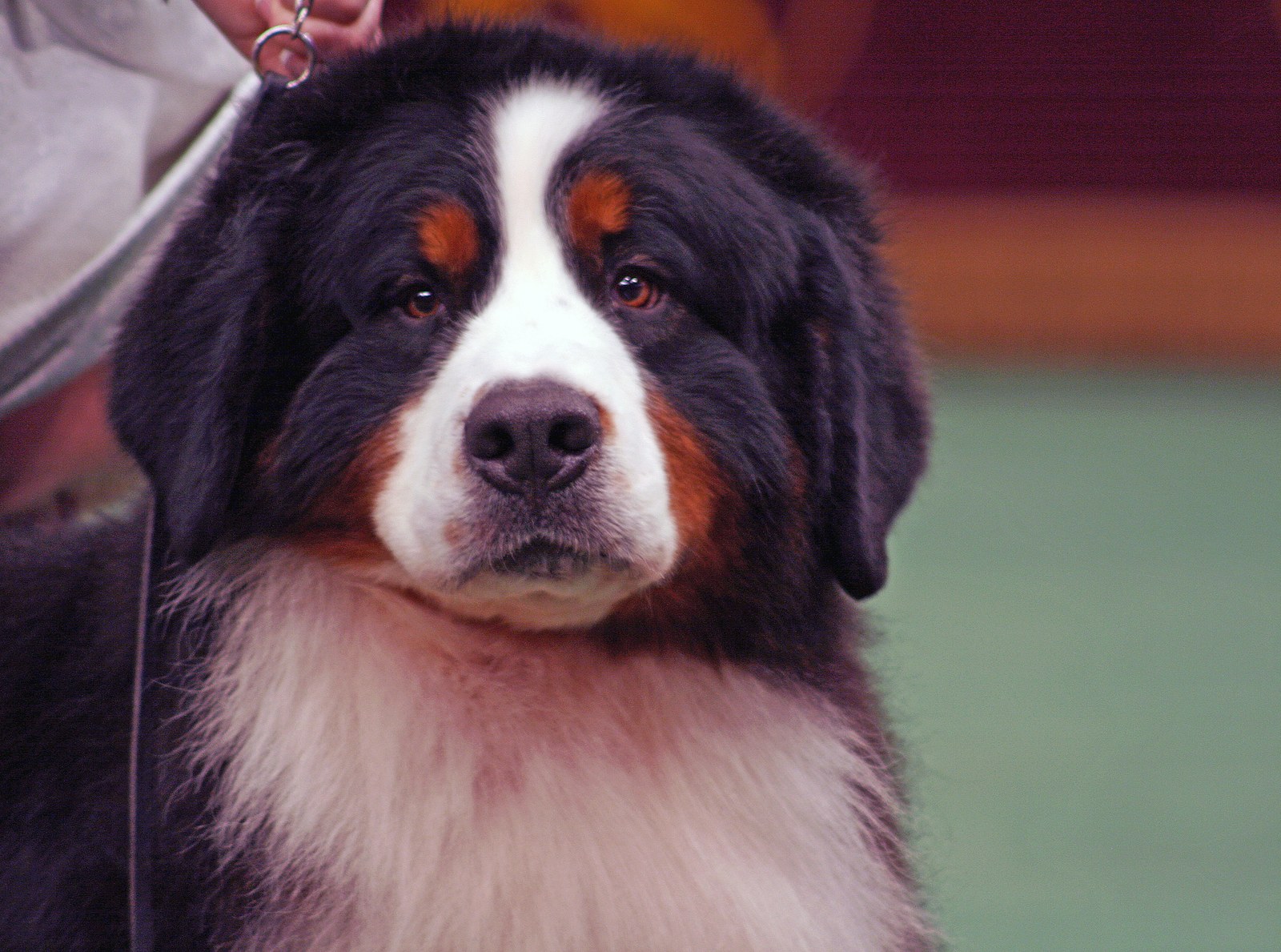
Living with a Bernese Mountain Dog can mean warm companionship, muddy paw prints and a large shadow following you between rooms. It also means planning for strength, shedding, summer weather and veterinary care that may be substantial. Before choosing a Berner, picture an ordinary busy weekday and an unexpected difficult one. A suitable home is not necessarily the grandest; it is one that can meet the individual dog's needs consistently.
Choose the individual, not only the breed image
Berners come from a Swiss farm-working background, and many are affectionate companions who like being involved in family activity. That reputation does not describe every dog equally. A sociable puppy may become a reserved adult, an adolescent may be physically exuberant, and a rescue may have well-established preferences about visitors or other animals. Ask about real daily behavior rather than relying on a photograph or a list of flattering adjectives.
For a puppy, request identifiable parental health-screening results and discuss family health history, social experiences and the breeder's ongoing support. For an adult, ask about separation, handling, children, other pets, transport and current treatment. Screening and good early care matter, but neither proves a dog will never develop joint disease or cancer. An honest account of limitations is more useful than a perfect sales description. Meeting a suitable adult through a reputable rescue can also help a household understand the practical scale of the commitment.
Assess space through access and comfort
A home needs enough usable room for the dog to stretch out, move without continually colliding with furniture and retreat from activity. Think about corridors, turning space, slippery floors and access to the toilet area. A large garden is helpful only if it is secure and someone still provides walks, training and companionship. A dog left alone outdoors does not automatically have an enriched life because there is grass beneath their feet.
Stairs and lifts deserve particular attention. Carrying a small puppy may be possible, but moving a full-grown dog with an injury is another matter. Plan nonslip routes and transport that works when the dog cannot jump into the car. Check tenancy, insurance and local requirements before adoption, rather than assuming size will not matter until someone objects. Choose beds and equipment that can be cleaned and replaced; puppy chewing, wet weather and seasonal shedding are recurring realities rather than one-off setup problems.
Set boundaries for children, guests and other pets
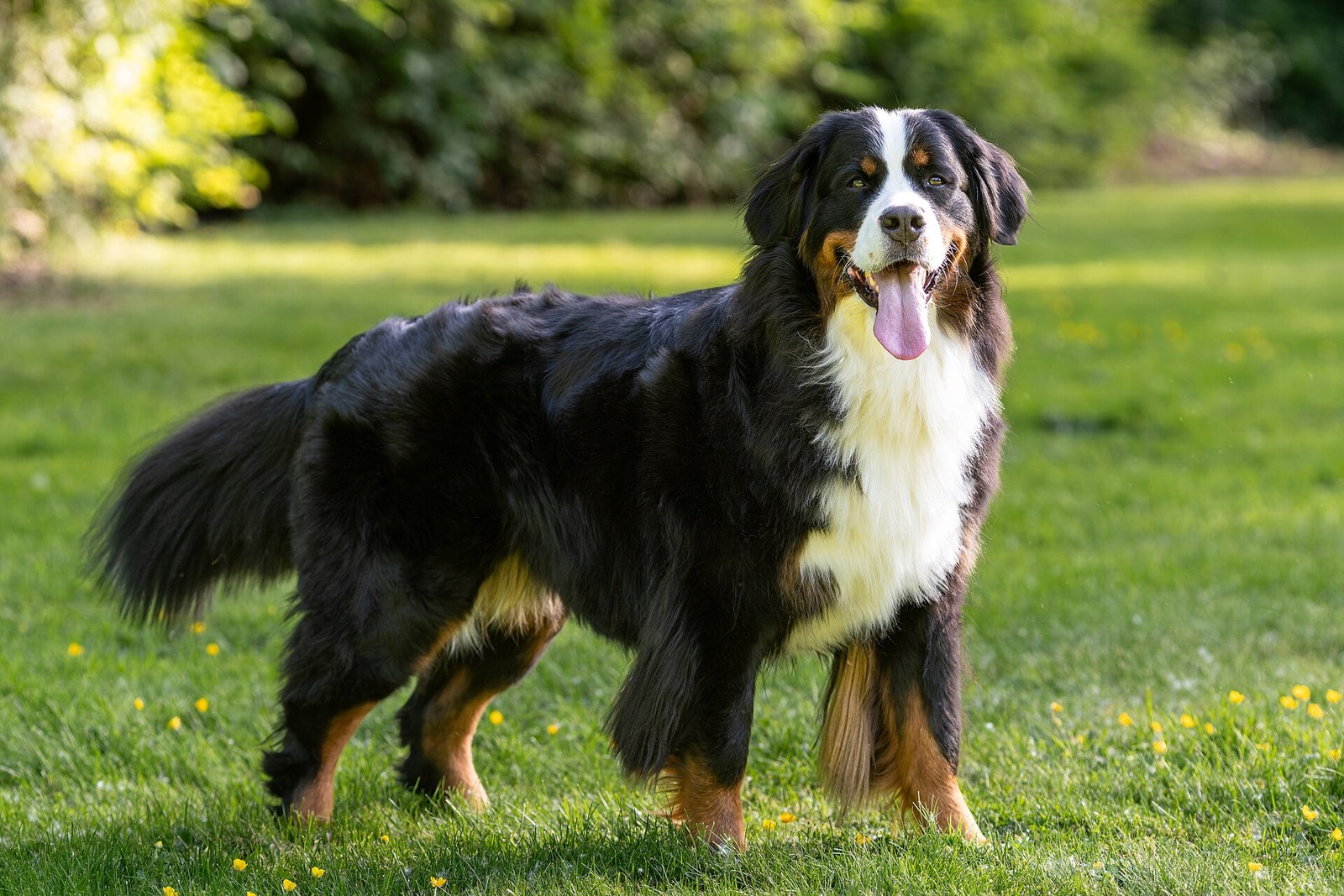
A large friendly dog can accidentally knock over a child or a vulnerable adult. Supervision means an adult is watching closely enough to intervene, not merely being somewhere in the house. Teach children to leave eating and sleeping dogs alone, avoid hugging or climbing, and invite contact rather than pursuing it. The dog needs a quiet area that children and visitors do not enter. Gates make those boundaries easier to maintain during busy moments.
Introduce other pets gradually with room to withdraw. A calm-looking first encounter is not proof that unsupervised contact is safe, especially with much smaller animals. Provide separate feeding spaces and resting options, and do not expect an older resident pet to tolerate repeated adolescent play. Explain greeting rules before visitors arrive. If someone is frightened of large dogs, arrange comfortable separation instead of asking either person or dog to prove that there is nothing to worry about.
Make weekdays and warm weather workable
Berners often value close companionship, so a household away for long stretches needs a realistic care arrangement. Gradual alone-time training is useful, but it cannot replace toilet breaks, activity or support for a distressed dog. Choose a walker or sitter who can safely manage the individual's size and behavior. Introduce the person and routine before relying on them during a long absence, and ask for observations rather than only confirmation that a walk occurred.
In summer, the routine may need to change significantly. Reliable cool indoor accommodation matters more than a shady garden or a cooling accessory. Plan lower-exertion activities during unsuitable weather and avoid outings that leave you far from transport or shelter. Neither enthusiasm nor a thick coat's appearance tells you that the dog is coping safely. Include a backup destination if power or cooling fails, and confirm that everyone caring for the dog knows early heat-illness signs and the emergency plan.
Budget for care and arrange travel before booking
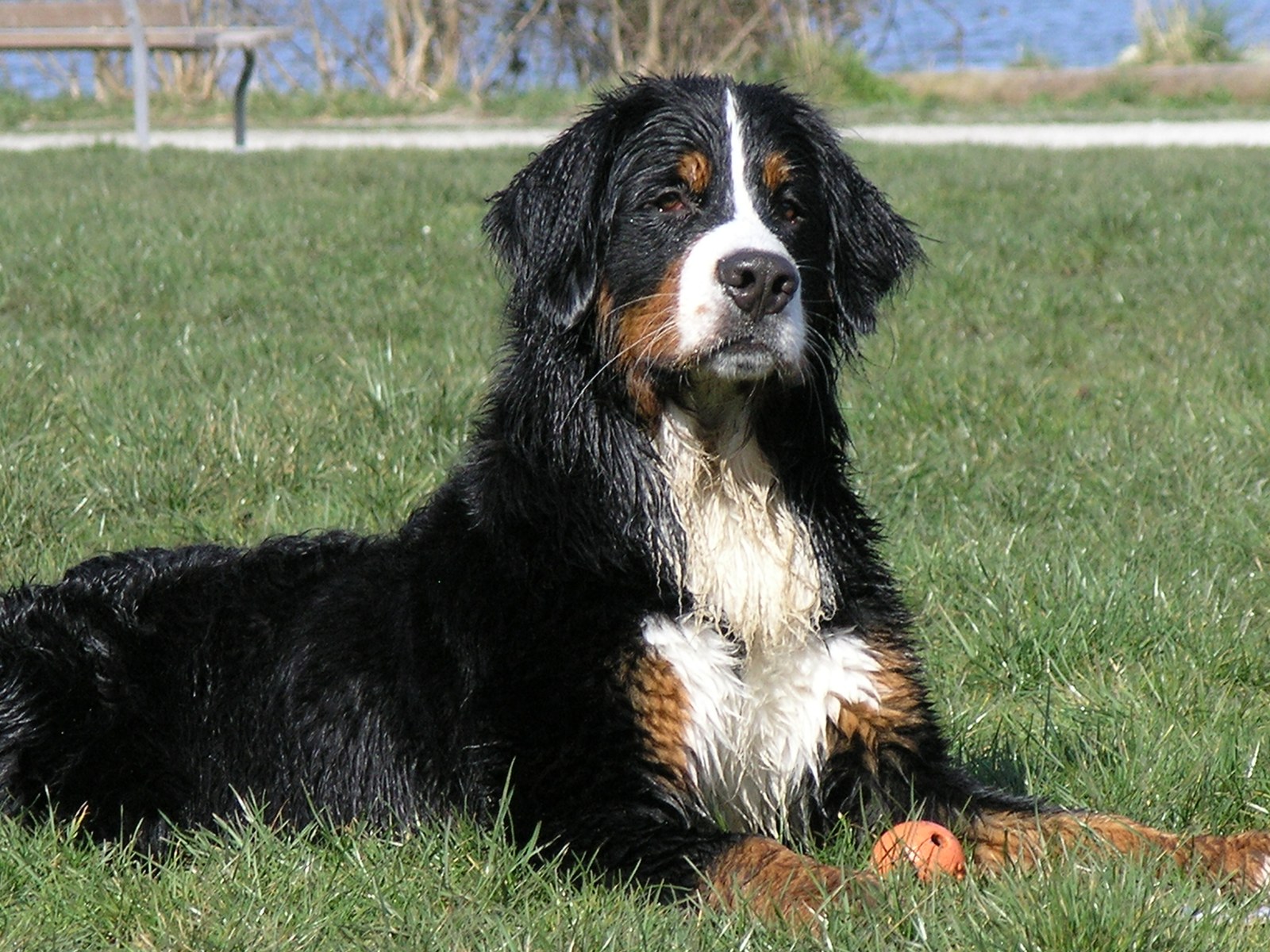
Consider food, replacement bedding, grooming equipment, training, preventive veterinary visits and unexpected investigations. Large size can affect transport, equipment and treatment logistics, but a fixed online price cannot predict your bills. Compare insurance exclusions, waiting periods, excesses and continuing-condition limits, or make a realistic emergency savings plan. Ask questions before a condition is diagnosed, while options are clearer. No financial arrangement guarantees that every future decision will be easy.
A holiday plan should cover more than finding someone who likes dogs:
- Confirm the car and restraint fit the adult dog safely.
- Give the caregiver the exact food and any prescribed instructions.
- Explain heat precautions, walking limits and household boundaries.
- Leave emergency contacts and authorization arrangements.
- Check destination rules and accommodation policies before booking.
Use practice visits for boarding or sitters where possible. Never leave the dog in a parked vehicle while organizing a stop. If travelling internationally, verify current entry and return requirements with the relevant authorities and your veterinarian rather than relying on another owner's old checklist.
Adapt to age without treating illness as inevitable
Lifespan deserves honest discussion. A Swiss study of 389 Berners born in 2001 and 2002 estimated a median of 8.4 years, while PDSA summarizes the breed as living up to ten years. These figures are planning context, not a promise or upper limit. Arrange long-term care with flexibility for both earlier illness and a dog who lives longer than a summary suggests. A cancer predisposition does not mean every happy day is borrowed time.
As mobility changes, adjust footing, toilet access, bedding and activity while preserving choices and enjoyable contact. New weight loss, persistent lameness, appetite changes or withdrawal needs veterinary attention rather than being dismissed as age. Discuss comfort and realistic options if disease develops; treatment decisions should reflect the individual's condition and wellbeing.
The everyday rewards of living with a Berner often come from ordinary shared routines rather than dramatic adventures. Realistic preparation leaves more room to enjoy those moments without overlooking the responsibilities that make them possible.
Continue reading: Bernese Mountain Dog Care: A Comfortable Start and Daily Routine.
Sources and further reading:
- BMDCA: The Bernese Mountain Dog Standard
- PDSA: Bernese Mountain Dog
- Life expectancy and causes of death in Bernese mountain dogs in Switzerland
- MSD Veterinary Manual: Feeding Practices in Small Animals
- PDSA: Heatstroke in dogs
Photo credits: Lori Branham from Laguna Niguel, CA, US (CC BY 2.0), FriendlyToaster (CC BY 4.0), Shari F from Vancouver, Canada (CC BY 2.0). Images resized and compressed for web display. Each image retains its linked license.


