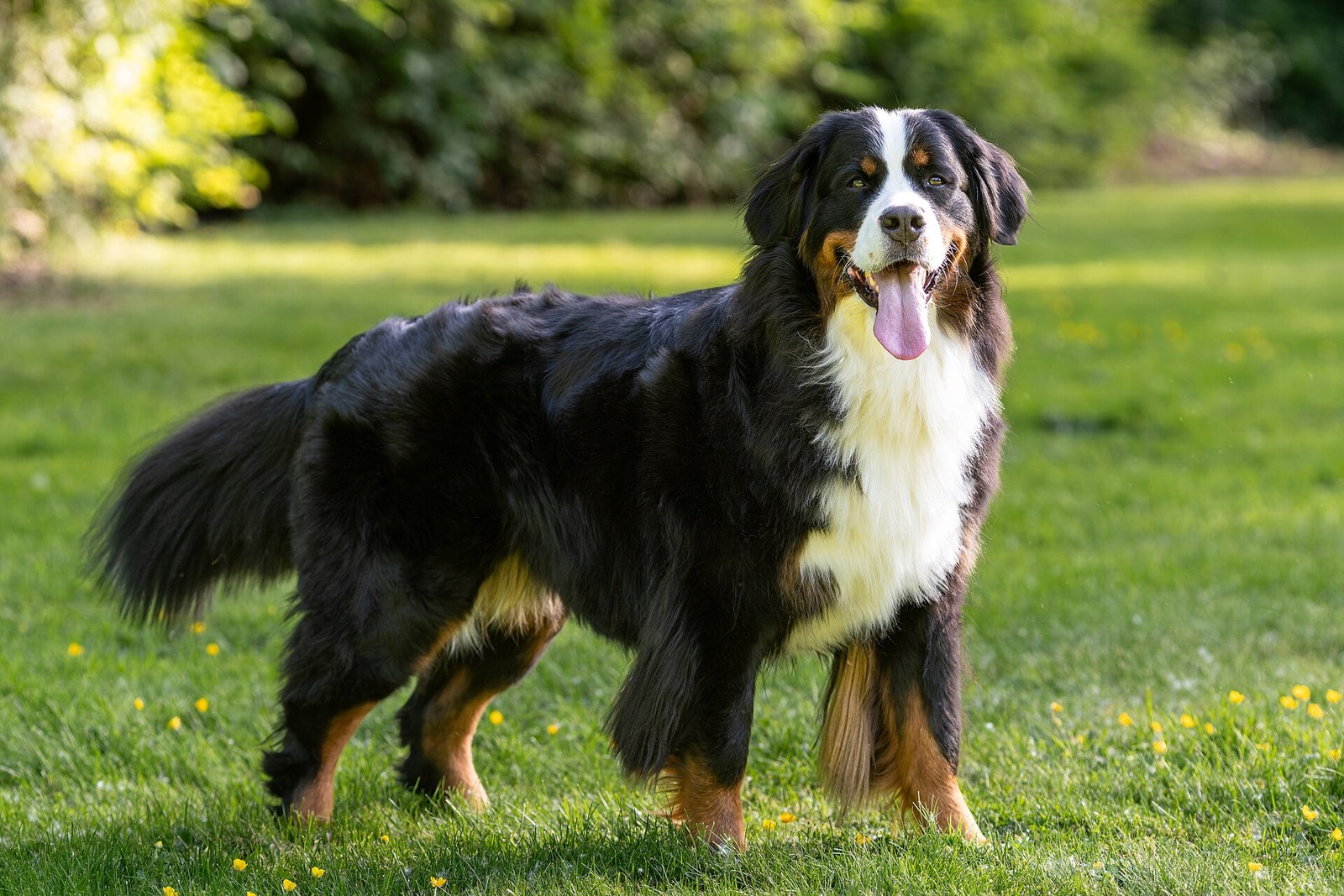
Bernese Mountain Dog care is easier when you plan for the adult dog rather than only the appealing puppy. This Swiss working breed brings strength, a substantial coat and a strong interest in family life. A good routine makes room for activity, rest, companionship and preventive care without expecting every Berner to have the same stamina or temperament. Start with the home, then build habits that remain workable as your dog grows.
Prepare the routes your dog will use every day
Look at the journey between sleeping space, water bowl, garden and front door. Smooth floors can be difficult for a growing puppy or an adult with sore joints, so secure washable runners where traction is poor. Choose a bed large enough for comfortable stretching, away from intense sunlight and busy foot traffic. Gates can protect stairs and create a quiet retreat without isolating the dog from all household contact.
Plan transport before collection. A crate or appropriate restraint must fit the dog and the vehicle, and the route into the car should not require repeated leaps. A stable ramp may be useful if introduced gradually with rewards. Keep household medicines, food waste, cleaning products and chewable objects behind secure barriers. A fenced garden is an extra activity space, not a substitute for walks or companionship. Check gates and boundaries regularly, especially as an adolescent becomes taller and more confident.
Build an arrival routine that stays predictable
Obtain the previous food name, feeding pattern, veterinary records and familiar cues before the move. Keep early days uncomplicated: show the dog where to rest and toilet, allow exploration at their pace, and postpone crowded introductions. Take a puppy to the chosen toilet area after waking, meals and play, rewarding the correct location promptly. Accidents call for cleaning and better timing, not punishment.
Give the dog uninterrupted sleep and a way to withdraw from visitors. A Berner that follows you everywhere still benefits from learning that a nearby resting place is safe. Practice very brief separations within the home while the dog remains relaxed, rather than abruptly leaving for a full working day. Arrange help when your schedule exceeds what the individual can manage. A rescue adult may need the same patient introduction to routines as a puppy, even if they already know basic cues.
Match exercise to the body in front of you
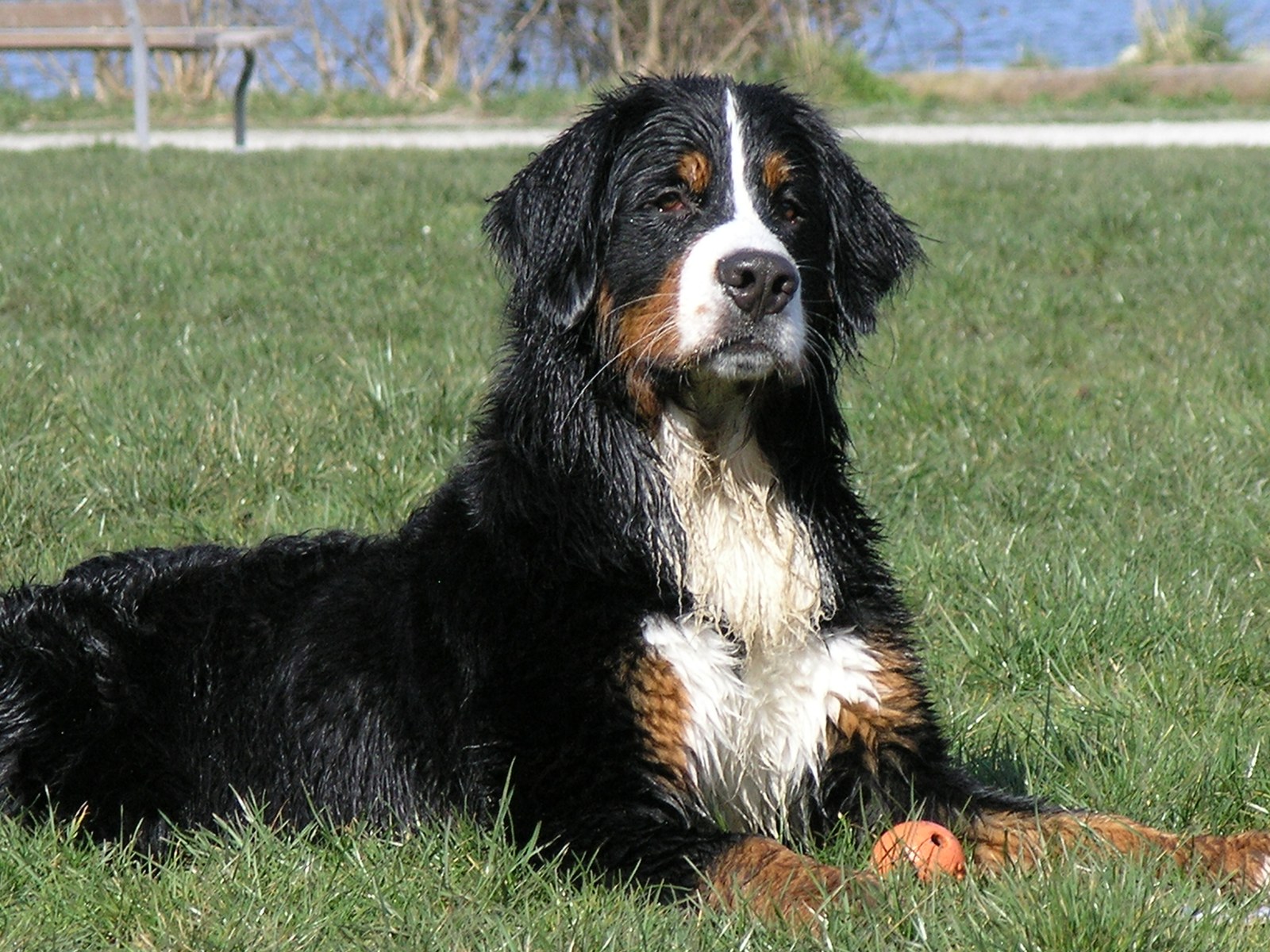
Offer daily movement through walks, sniffing, suitable play and short training opportunities. Avoid treating an online exercise target as a debt that must be repaid regardless of weather, illness or fatigue. A comfortable adult can enjoy an active life, but the appropriate workload depends on conditioning and health. Increase new activities gradually and notice how easily the dog rises and moves afterward, not only how enthusiastically they start.
Growing puppies need opportunities to explore and build coordination, not forced running beside a bicycle, repetitive high-impact jumping or loaded cart work. Farm ancestry does not mean immature joints are ready for adult tasks. Ask your veterinarian about activity if there is lameness, uneven movement or a proposed sport. For an older dog, shorter accessible outings and food-search games may preserve enjoyment better than insisting on the former route. Pain should be assessed rather than trained through.
Make heat management part of the plan
A thick coat and large body make hot conditions a serious consideration. Check the forecast, humidity, route and available cooling before leaving. Choose cooler periods when conditions allow, carry water and stay close enough to return easily. An early start does not make every day safe for a strenuous outing. When conditions are unsuitable, use a cool indoor space for sniffing games, gentle practice and rest instead.
At home, provide dependable cooling and several drinking opportunities. Shade alone may not make a hot conservatory, shed or outdoor kennel safe. Never leave the dog in a parked vehicle. Have a backup location if cooling fails, and discuss transport with anyone providing care. Do not assume brushing or a summer haircut replaces environmental precautions. A dog that keeps trying to follow the family can still be overheating; willingness is not a reliable measure of safety.
Connect feeding, grooming and observation
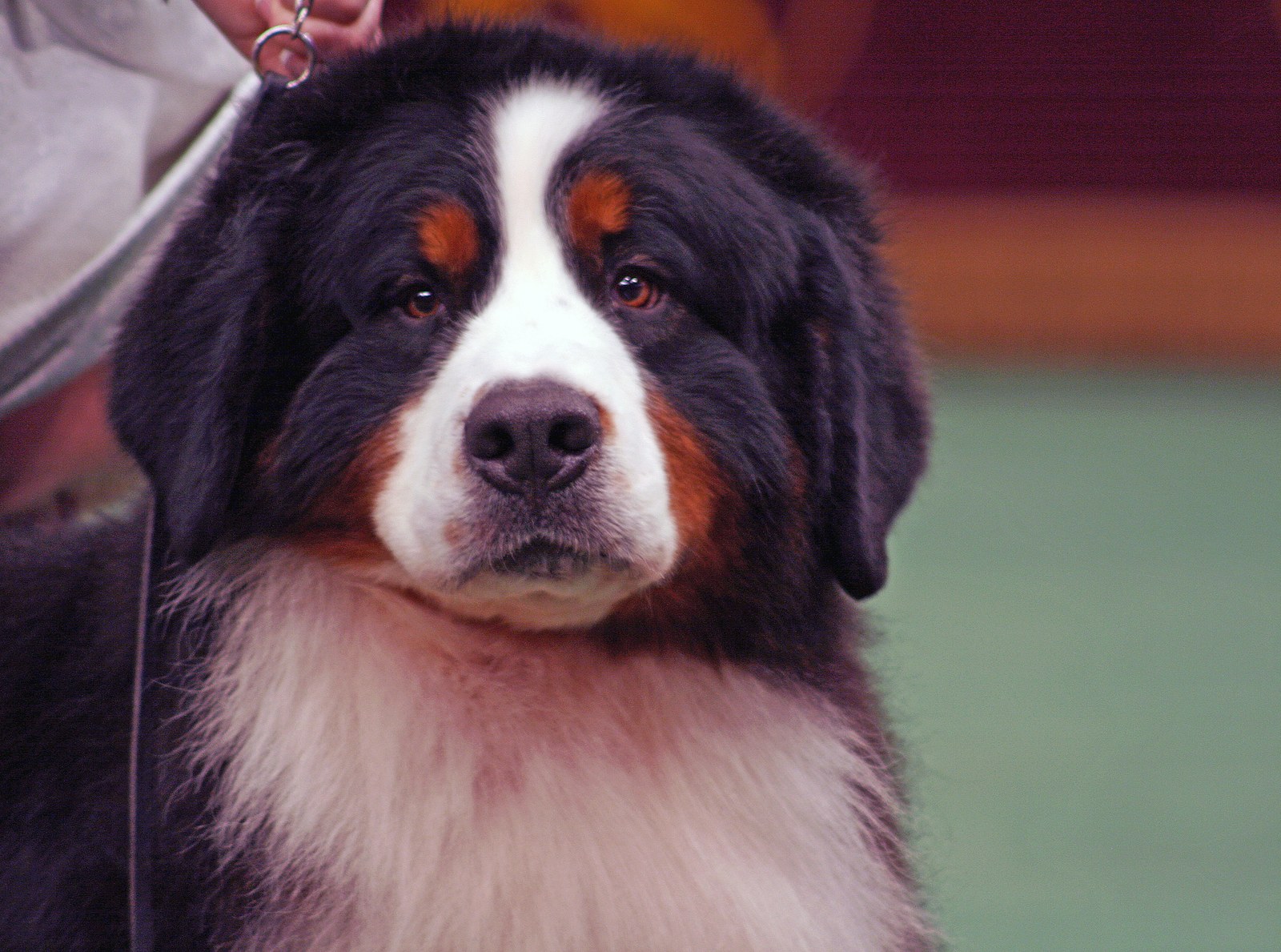
Feed a complete balanced diet appropriate for the life stage, using a large-breed growth formulation for puppies. Measure portions and account for training rewards. Published male and female weight ranges describe populations, not the amount your individual should weigh. Ask the veterinary team to show you how to assess ribs, waist and muscle beneath the coat, and adjust feeding from that assessment rather than the fluffiness of a photograph.
Brush several times a week and more often during heavy shedding, checking behind the ears, around the legs and beneath the collar for tangles. Brief cooperative sessions are better than wrestling through neglected mats. Include feet, teeth and visible skin in comfortable checks. A practical daily observation sequence is:
- Notice appetite, drinking and toilet habits.
- Watch the dog get up and walk comfortably.
- Check for unusual panting, tiredness or withdrawal.
- Inspect any newly sensitive or persistently licked area.
- Record changes that may otherwise be forgotten.
Arrange support before you need it
Book an initial veterinary examination and bring records rather than relying on verbal assurances. Discuss vaccination, parasite protection, dental care, growth, reproductive decisions and any family health history. Screening results from a breeder are valuable information, but they cannot guarantee a dog free of joint disease or cancer. Keep the details available for future consultations without treating every normal variation as a diagnosis.
Know which clinic handles emergencies and whether your transport plan works for a large dog unable to walk. Unproductive retching, abdominal swelling, collapse or breathing difficulty warrants immediate veterinary attention. Consider insurance terms or emergency savings, and identify a capable backup caregiver. The goal is not a perfect timetable; it is a sustainable arrangement that notices changes, adapts to age and weather, and gives your Berner a comfortable place in everyday family life.
Continue reading: Feeding a Bernese Mountain Dog: Lean Growth Without Guesswork.
Sources and further reading:
- BMDCA: The Bernese Mountain Dog Standard
- PDSA: Bernese Mountain Dog
- Life expectancy and causes of death in Bernese mountain dogs in Switzerland
- MSD Veterinary Manual: Feeding Practices in Small Animals
- PDSA: Heatstroke in dogs
Photo credits: FriendlyToaster (CC BY 4.0), Shari F from Vancouver, Canada (CC BY 2.0), Lori Branham from Laguna Niguel, CA, US (CC BY 2.0). Images resized and compressed for web display. Each image retains its linked license.


