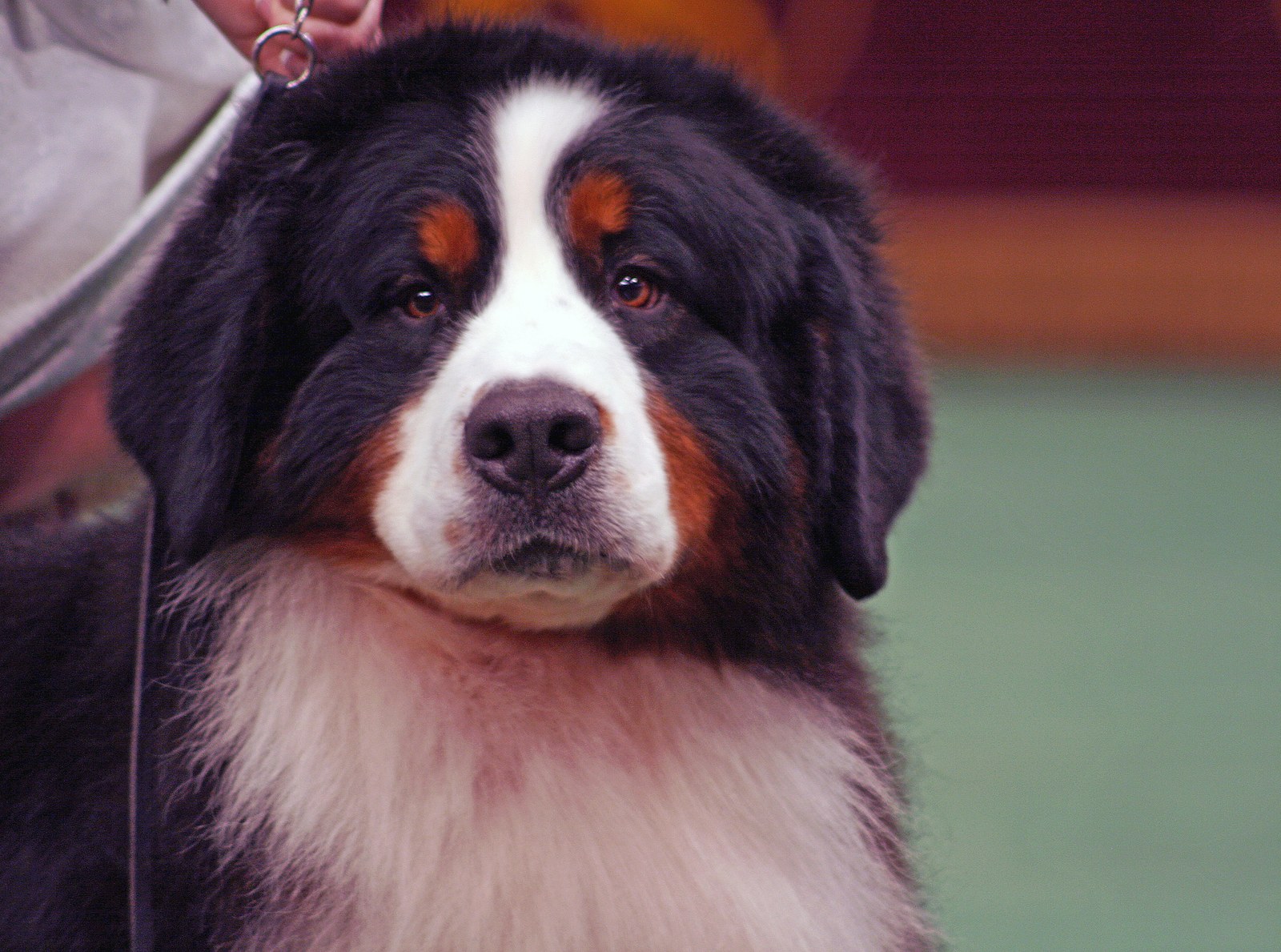
Reading about Bernese Mountain Dog health can feel discouraging if risk lists are presented as a timetable. This breed does have important orthopedic and cancer predispositions, but a predisposition is not a diagnosis. Good decisions depend on recognizing meaningful changes, understanding what screening can tell you, and responding promptly to emergencies. This guide supports those decisions without predicting an individual dog's future or replacing a veterinary examination.
Put lifespan and cancer statistics in context
A Swiss study published in 2016 collected information on 389 Bernese Mountain Dogs born in 2001 and 2002. It estimated median life expectancy at 8.4 years. PDSA's breed summary describes lifespan as up to ten years. These are different kinds of summaries, and neither is a biological deadline. A median describes the middle of a studied population, not the amount of time remaining for a particular dog.
The Swiss study identified neoplasia as an important cause of death, but the authors also described limitations: many owners did not participate, some causes were unknown, and many suspected tumors lacked laboratory confirmation. Those findings support taking cancer seriously, not assigning the study's death proportions as a puppy's personal cancer probability. The cohort is historical and geographically specific. No responsible estimate can promise that careful ownership prevents all serious disease or that every Berner will develop the same problem.
Notice orthopedic discomfort before it becomes the routine
Hip and elbow dysplasia are recognized breed concerns. Abnormal joint development can contribute to pain and arthritis, sometimes first noticed as reluctance to rise, stiffness after rest, uneven movement or reduced enthusiasm for an outing. Cruciate disease can also cause a painful, unstable knee. A thick coat and a cheerful greeting do not rule out discomfort, and a dog need not cry to have a problem.
Arrange assessment for persistent lameness or a change in movement. Sudden severe pain, inability to bear weight or inability to stand needs urgent advice. Do not repeatedly exercise a limp to see whether the dog warms out of it. Support everyday comfort with lean condition, good traction and appropriately adjusted activity while following the clinician's plan. For puppies, use complete large-breed growth nutrition and avoid overfeeding; these measures support development but cannot eliminate every inherited or developmental joint problem.
Investigate suspicious changes without diagnosing from appearance
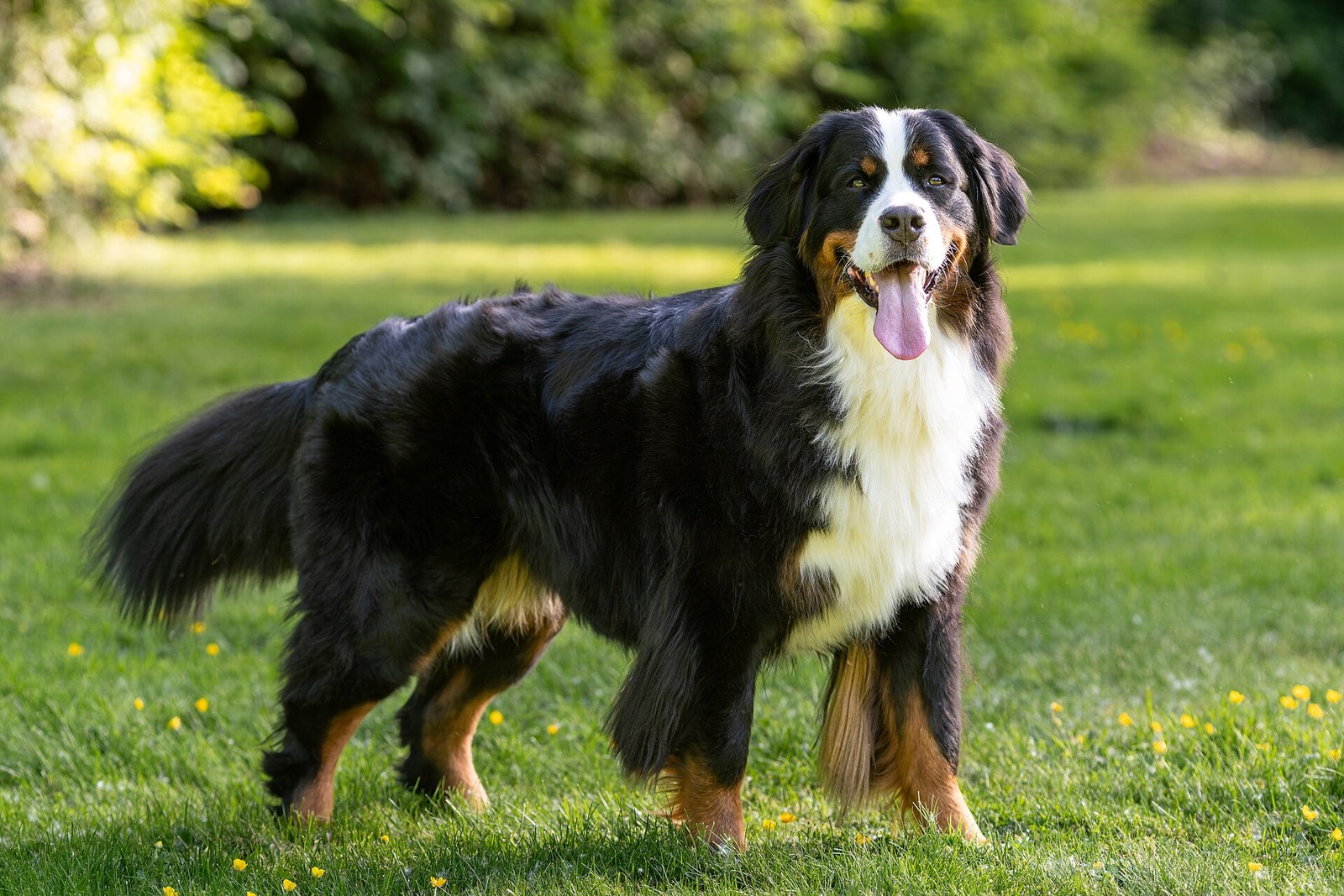
Bernese Mountain Dogs are predisposed to certain cancers, including histiocytic sarcoma, an important and potentially aggressive disease discussed in the Swiss paper. Possible reasons to book an examination include a new or enlarging lump, unexplained weight loss, persistent loss of appetite, unusual fatigue or lameness that does not resolve. These signs also occur with noncancerous conditions. Symptoms guide investigation; they do not identify a tumor type.
A veterinarian may recommend sampling a lump, blood tests, imaging or specialist assessment depending on the examination. Ask what each test can establish and what remains uncertain, rather than assuming that one normal result excludes every cancer. Some problems are internal and cannot be detected through coat checks alone. If a diagnosis is made, discussions should address the specific disease, treatment options, comfort and the dog's overall situation. Internet survival figures cannot substitute for that individualized conversation.
Understand what parental screening can and cannot do
Before buying a puppy, ask for the parents' actual hip and elbow screening results, identifying details and relevant eye or genetic test information recommended for the breed in your region. A statement that the parents were checked by a vet is not the same as a documented screening assessment. Discuss the results with your veterinarian if interpretation is unclear, and ask about health and longevity in close relatives rather than only championship titles.
Normal screening results can inform better breeding decisions, but they do not guarantee unaffected offspring. A DNA result applies to the condition and variant tested, not every possible cause of weakness, blindness or illness. Family records can also be incomplete. For a rescue dog without ancestry information, concentrate on the available history and current examination; lack of paperwork does not establish disease. Avoid sellers who claim that appearance, a pedigree certificate or a single clear test proves lifelong health.
Recognize emergencies that should bypass routine appointments
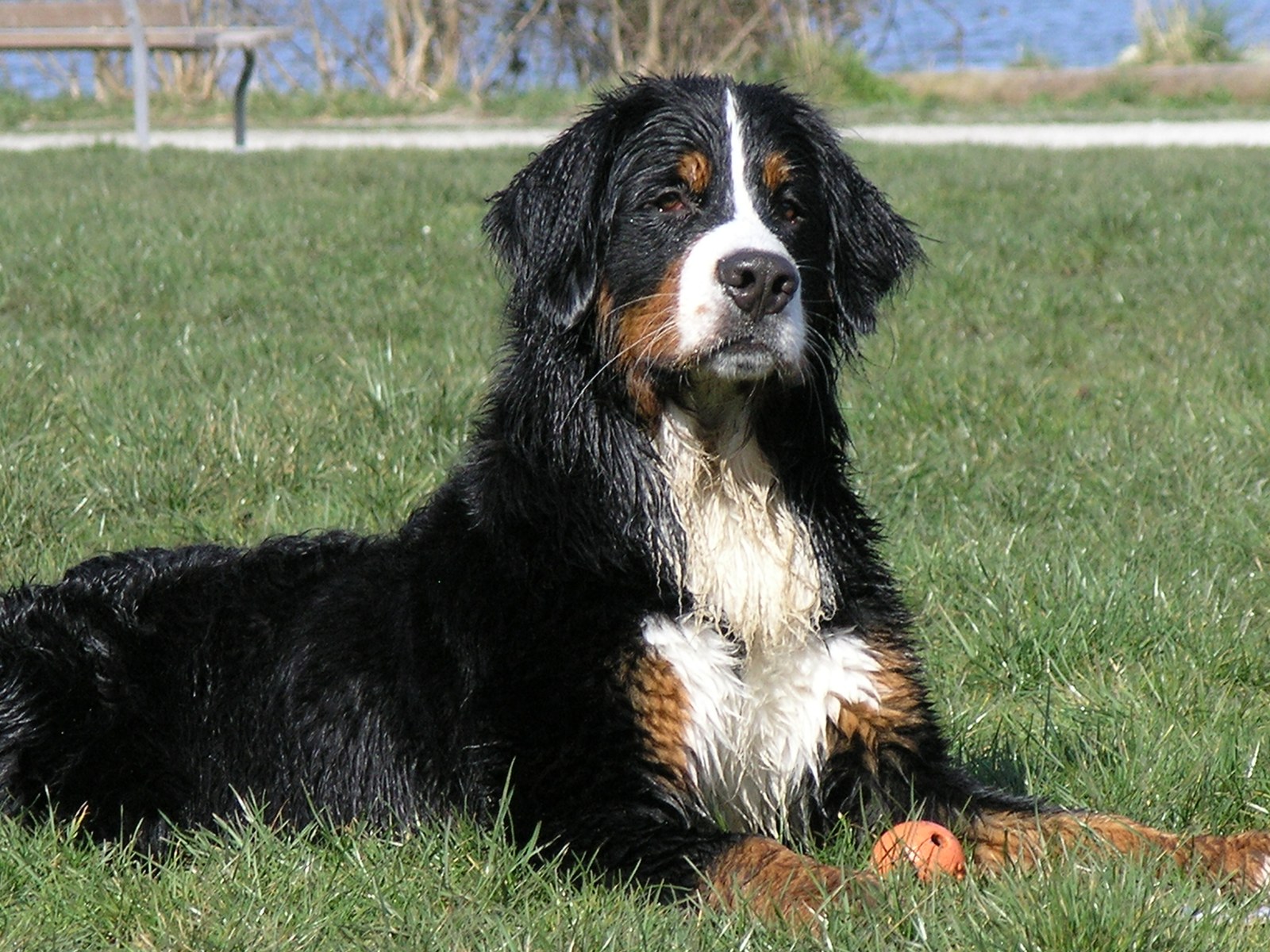
Gastric dilatation-volvulus, often called bloat, is a life-threatening emergency. Repeated attempts to vomit without producing food, a swollen abdomen, restlessness, distress or collapse are warning signs. Do not wait for the entire list to appear. Contact the nearest emergency veterinary service and arrange immediate transport. Home remedies and waiting for a bowel movement can waste critical time.
Heatstroke is another urgent concern for a substantial, thick-coated dog. Excessive panting with weakness, drooling, vomiting, confusion or collapse after heat exposure needs action. Move the dog to a cooler place, begin cooling with cold tap water over the body while avoiding the airway, improve airflow, and contact an emergency veterinarian immediately. Do not cover them with wet towels or force drinking. Continue toward veterinary care even if they seem better, because heat illness can damage internal organs.
Build monitoring around comfort, not constant alarm
Other reported concerns include degenerative myelopathy, progressive retinal atrophy and sore infected skin known as hot spots. Dragging feet, worsening weakness, vision changes or persistent skin irritation deserves investigation; appearance alone cannot distinguish these diseases from other causes. A painful squinting eye should be assessed promptly. New reluctance to be brushed or touched may also be a health clue rather than difficult behavior.
Keep prevention and observation manageable:
- Agree on examination frequency for age and medical history.
- Tailor vaccination and parasite protection to local risk and records.
- Track body condition, appetite and ordinary movement.
- Record medicines and bring an up-to-date list to appointments.
- Know the emergency clinic and how to transport a large dog safely.
Planning insurance or emergency savings can make decisions less rushed, but care remains individual and resources vary. Ask about realistic options and comfort whenever illness occurs. Attentive ownership means responding to evidence, not checking every day for an inevitable tragedy or blaming yourself for disease that thoughtful care could not prevent.
Continue reading: Training a Bernese Mountain Dog: Calm Skills for a Powerful Companion.
Sources and further reading:
- BMDCA: The Bernese Mountain Dog Standard
- PDSA: Bernese Mountain Dog
- Life expectancy and causes of death in Bernese mountain dogs in Switzerland
- MSD Veterinary Manual: Feeding Practices in Small Animals
- PDSA: Heatstroke in dogs
Photo credits: Lori Branham from Laguna Niguel, CA, US (CC BY 2.0), FriendlyToaster (CC BY 4.0), Shari F from Vancouver, Canada (CC BY 2.0). Images resized and compressed for web display. Each image retains its linked license.


