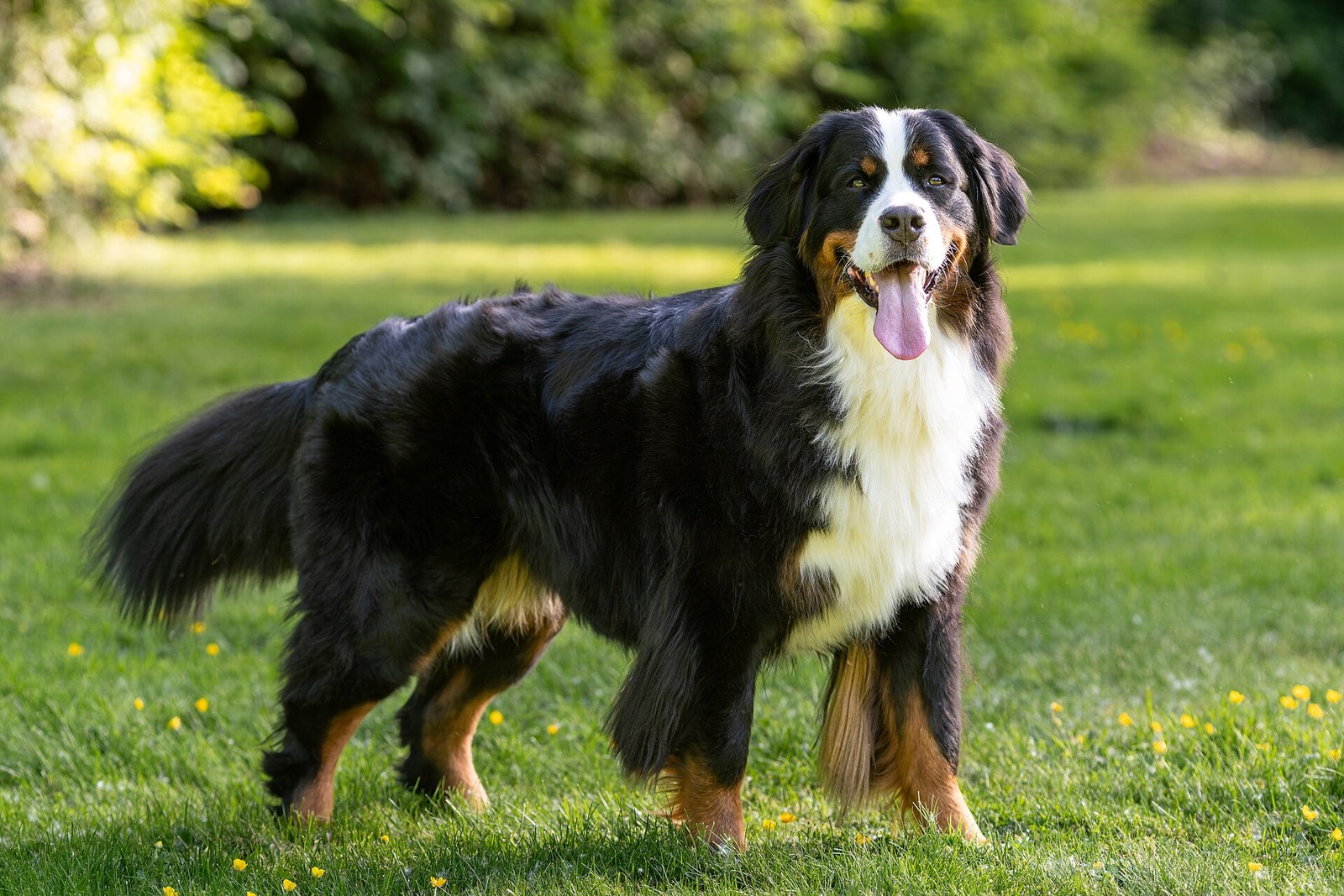
Training a Bernese Mountain Dog is less about proving control than making daily cooperation easy. The breed's strength means that pulling and jumping soon become safety problems, while its often sensitive nature makes harsh handling especially unhelpful. Begin with clear rewards, manageable environments and realistic expectations. An adolescent, a newly adopted adult and a dog with painful joints may all need different routes to the same useful household skill.
Read comfort before asking for performance
The breed standard describes a good-natured, alert dog that may be reserved with strangers. Do not confuse that description with a guarantee of instant sociability. Watch the whole dog: loose movement, an easy approach and voluntary re-engagement differ from freezing, turning away or repeatedly trying to leave. A wagging tail alone does not establish that contact is welcome. Give space when the situation seems difficult.
Choose a quiet setting and a reward the dog values, such as a small part of the food allowance, access to sniffing or a familiar toy. Mark a useful choice with a consistent word, then provide the reward promptly. Practice while the dog is comfortable and stop before frustration builds. Sudden behavior changes deserve a health check. Reluctance to sit, resistance to a harness or snapping during grooming can reflect pain rather than a lack of respect, especially in a breed with orthopedic concerns.
Teach a loose lead before strength becomes the lesson
Start indoors or in a quiet enclosed area with a comfortable, well-fitted harness and ordinary lead. Reward the dog for standing near you and for following one or two steps with slack in the lead. Gradually extend the distance as success becomes easy. Outdoors, allow regular sniffing opportunities so walking beside you is part of an enjoyable outing, not continuous restriction from everything interesting.
If the lead tightens, avoid jerking it or dragging the dog back. Pause when safe, invite a return to a manageable position and reward the next slack step. If you are constantly stopping, reduce distractions or shorten the practice rather than blaming the dog. Teach an easy turn with you before you need it beside traffic. A harness does not replace instruction or suitable adult handling, and children should not be responsible for controlling a large dog on public walks.
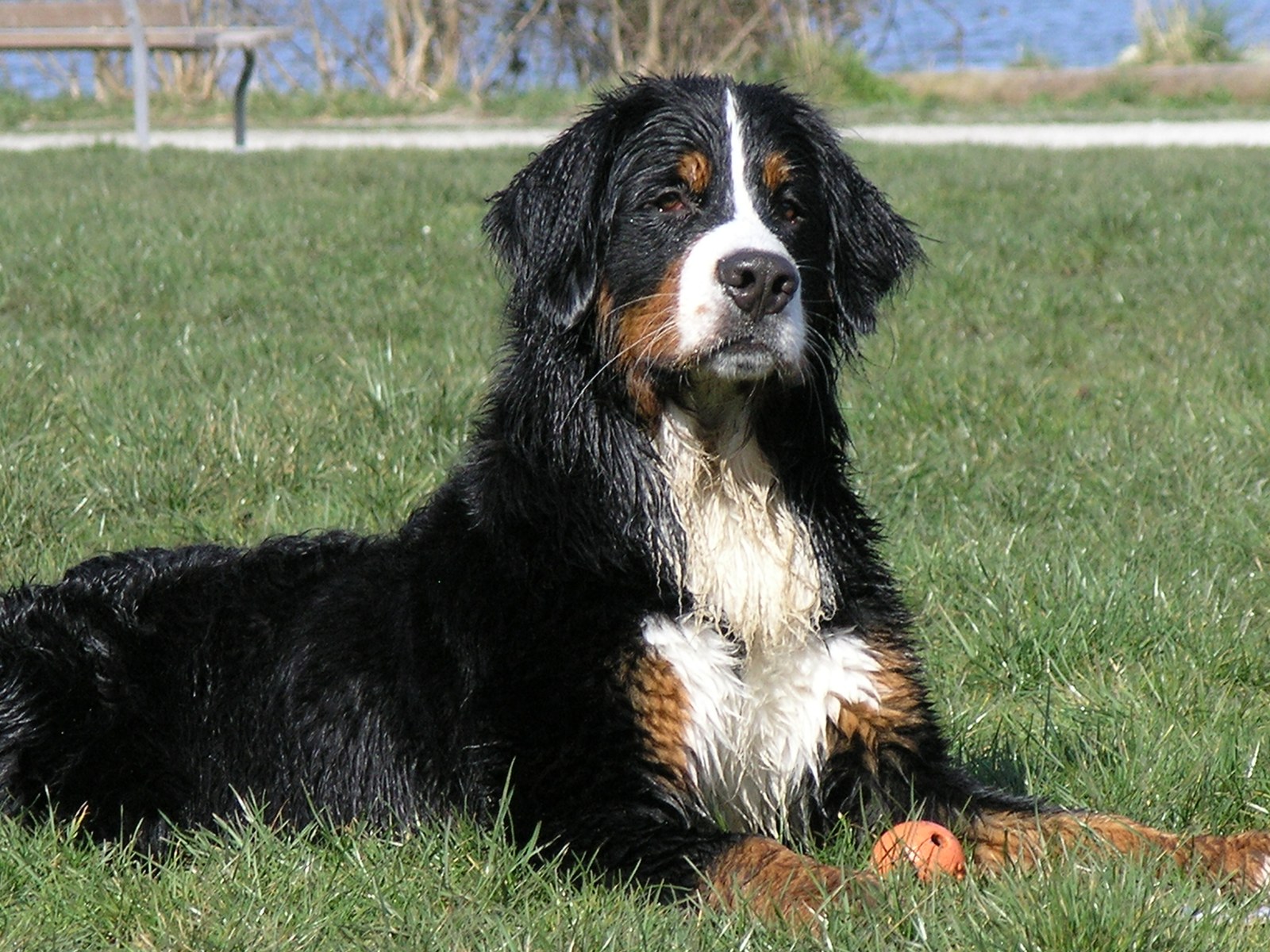
Give visitors a clear greeting routine
Jumping often continues because it sometimes brings attention. Arrange the environment before a visitor arrives: use a gate or enough distance that the dog cannot rehearse launching toward them. Reward four paws on the floor and invite the visitor closer only while the dog remains comfortable. A standing greeting is acceptable; repeated sitting is not essential if it is awkward or painful for that individual.
Ask visitors not to encourage excitement and then punish the resulting jump. They can pause attention and step away while you make the next attempt easier. For a worried dog, greeting may mean watching calmly from a distance and never being touched. Teach a resting station by rewarding voluntary steps onto a mat and brief relaxed stays. The mat is a useful option during deliveries and meals, not a place where the dog must endure frightening people approaching.
Socialize through choice, not overwhelming exposure
Socialization means learning that ordinary sights, sounds, people and animals can be encountered safely. It does not require meeting every dog or being held while strangers touch the face. For puppies, coordinate exposure with veterinary advice about local infectious risks and vaccination status. Quiet observation from a safe location can be valuable, and confidence develops through manageable experiences rather than the number of encounters collected.
A simple progression keeps practice constructive:
- Begin far enough away that your dog can observe comfortably.
- Pair the experience with a suitable reward or enjoyable activity.
- Allow looking away, sniffing and retreating.
- Increase difficulty only after repeated relaxed experiences.
- Leave or add distance when the dog becomes overwhelmed.
Choose calm, compatible play partners and interrupt before large-body enthusiasm overwhelms a smaller animal. Provide separate resources and resting areas at home. Children need adult supervision and should not hug, climb on or disturb a sleeping dog. A tolerant reputation never removes the need to protect both child and animal.
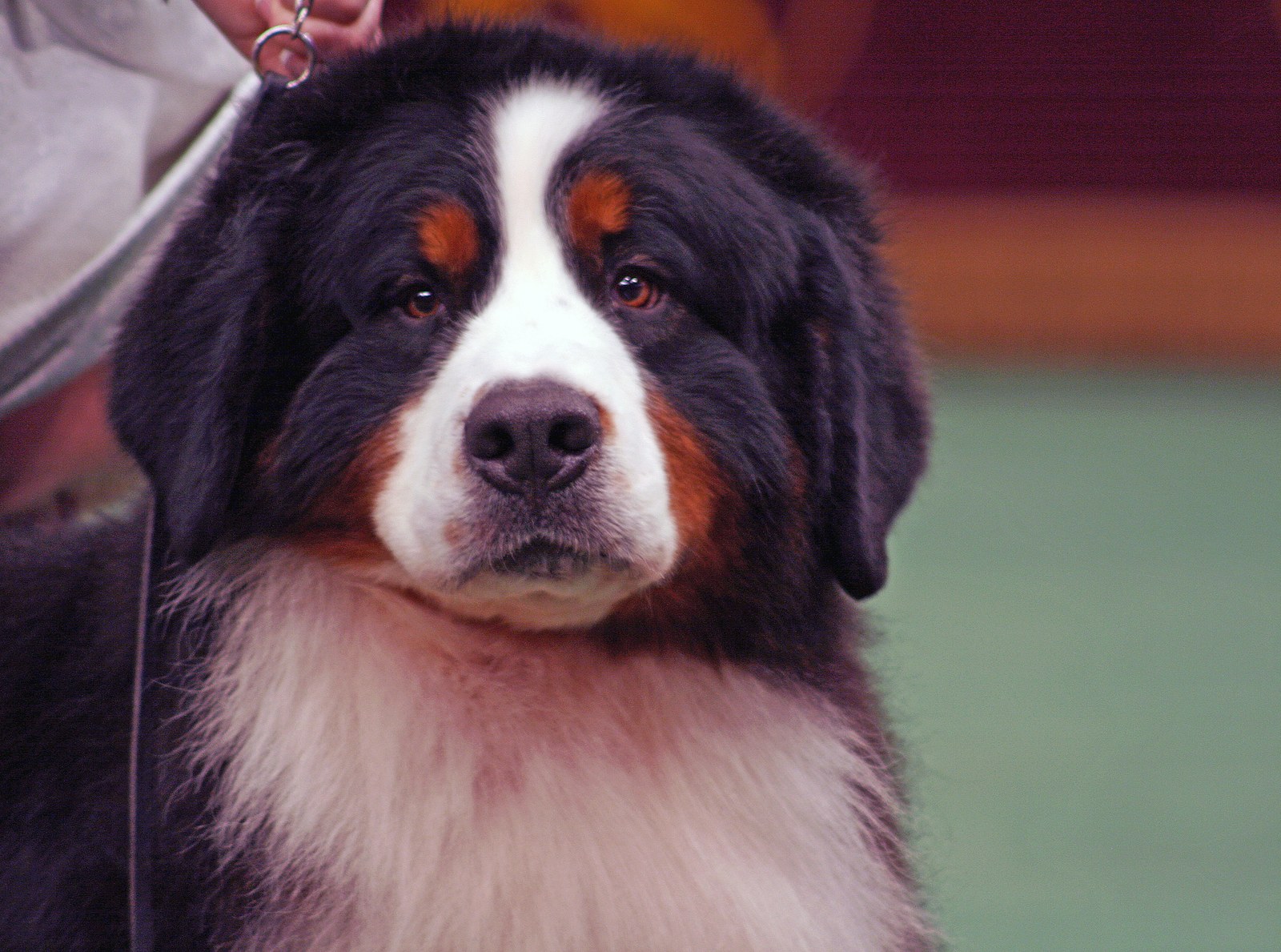
Make recall and quiet independence rewarding
Teach recall in a secure space when the dog is already likely to approach. Say the cue once, reward arrival generously and sometimes release them back to exploring. If recall always ends enjoyment, coming back becomes a less attractive choice. Build distractions gradually and use secure fencing or a suitable long line where appropriate. A learned cue is not a substitute for containment near roads, livestock or wildlife.
For alone-time practice, begin with tiny departures the dog can tolerate, such as stepping briefly beyond a gate while they remain settled. Return before distress builds and increase duration only when the current step is comfortable. Food toys may help some dogs, but refusal to eat, pacing, vocalizing or frantic escape attempts can signal that the task is too hard. Arrange company and seek help rather than allowing prolonged panic in the hope that it teaches independence.
Respond to barking and setbacks without intimidation
A farm watchdog background can appear as alert barking when someone approaches. Identify the trigger, reduce repeated exposure where possible and reward an alternative such as coming away from the window. Covering the lower view or moving the resting spot may help more than repeatedly shouting over the bark. Ensure that the dog has suitable activity, rest and companionship; boredom, fear and separation distress require different responses.
Adolescence can temporarily make familiar skills less reliable, while illness or stressful events can change behavior at any age. Return to easier practice and reward success instead of escalating demands. Keep sessions brief enough that the dog remains engaged and physically comfortable. A successful Berner does not need an elaborate trick repertoire: safe walking, relaxed greetings, dependable management and trust during necessary care provide a much more useful foundation for life together.
Continue reading: Bernese Mountain Dog Grooming: Managing Coat Without a Struggle.
Sources and further reading:
- BMDCA: The Bernese Mountain Dog Standard
- PDSA: Bernese Mountain Dog
- Life expectancy and causes of death in Bernese mountain dogs in Switzerland
- MSD Veterinary Manual: Feeding Practices in Small Animals
- PDSA: Heatstroke in dogs
Photo credits: FriendlyToaster (CC BY 4.0), Shari F from Vancouver, Canada (CC BY 2.0), Lori Branham from Laguna Niguel, CA, US (CC BY 2.0). Images resized and compressed for web display. Each image retains its linked license.


