African Pygmy Hedgehog Care: Warmth, Space, and Routine
Plan African pygmy hedgehog care with warm individual housing, safe wheels, balanced meals, and nightly checks that respect a solitary, nocturnal companion.
Read article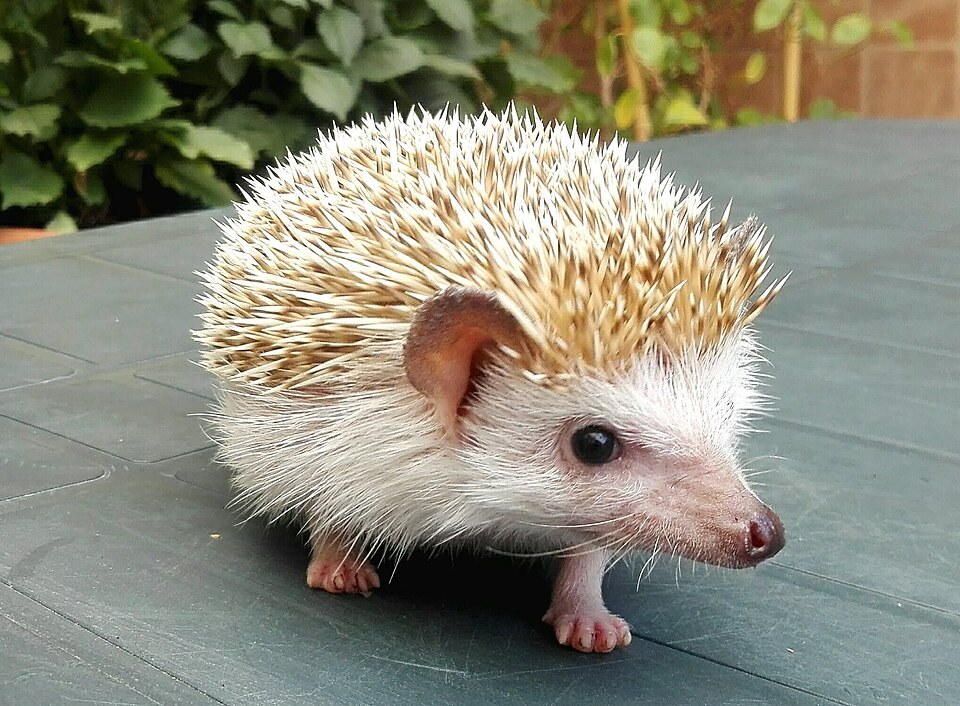
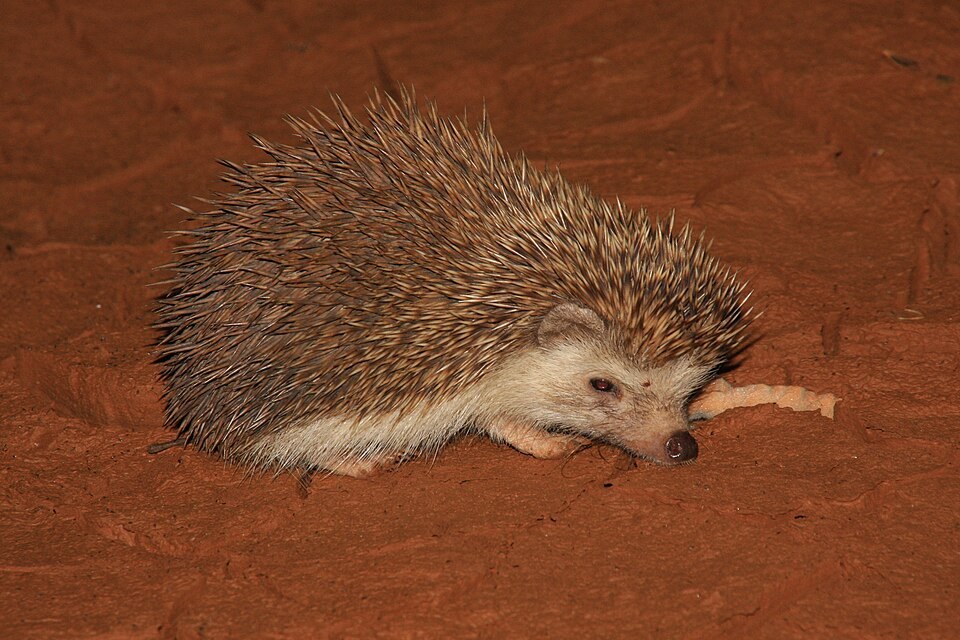
Atelerix albiventris
A solitary nighttime explorer that needs steady warmth and patient care.
Deep Dive
History
This profile identifies the African pygmy hedgehog as Atelerix albiventris, also called the four-toed or white-bellied hedgehog. It is an African insectivorous mammal, not a rodent and not the European hedgehog encountered in British gardens. The pet-trade name is not a pedigree certificate, and an individual animal's ancestry cannot be established from color alone. Captive-bred companions should be obtained through responsible, lawful sources rather than collected from the wild. Their natural history explains a nocturnal schedule, solitary behavior, and protective curling, but does not justify exposing a pet to the hardships or seasonal extremes experienced by wild animals.
The distinction from European wildlife is particularly important for temperature management. Pet African pygmy hedgehogs should not be encouraged to hibernate; becoming cold and unresponsive is a medical concern, not an annual husbandry goal. Lifespan figures also require context. Animal Diversity Web describes around two to three years in the wild and reports much longer captive survivors, whereas Merck gives four to six years as the usual pet-care reference. This profile uses four to six captive years rather than presenting eight to ten as typical. A purchase is therefore a multi-year commitment to heated housing, suitable food, and specialist veterinary access. Check current ownership and movement requirements directly with the relevant local regulator before adoption. A seller's willingness to ship an animal is not proof that keeping or importing it is permitted where you live.
Personality
African pygmy hedgehogs are naturally solitary and generally belong in individual enclosures, not pairs selected to prevent loneliness. At night, a comfortable animal may explore, sniff, dig through suitable bedding, and use a solid exercise wheel. During the day it needs an undisturbed dark retreat. Many learn to tolerate or enjoy gentle contact with familiar people, but a quiet observational relationship is also a valid outcome. Curling into a tight ball is a protective response rather than deliberate disobedience. Allow time and security instead of trying to pry an animal open or repeatedly waking it for social practice.
An unusual behavior called self-anointing can follow investigation of a new scent: the hedgehog produces foamy saliva and twists to spread it over its spines. This can look alarming, but context matters. Persistent drooling, mouth pain, weakness, or breathing difficulty should not be dismissed as anointing. Keep potentially toxic substances out of reach even when the animal seems interested in their smell. Build trust through a consistent evening routine, clean unscented hands, supportive handling near the floor, and short sessions that end before distress. Children should observe or help with simple tasks while an adult remains responsible for handling and welfare. The trait scores on this page describe editorial tendencies, not measured personality tests or promises that every pet will become cuddly. Respecting an individual's limits usually produces better cooperation than increasing the amount of forced contact.
Appearance
A pointed muzzle, small ears, short legs, and a coat of protective spines give the African pygmy hedgehog its distinctive outline. The belly has softer hair, and the common four-toed name refers to the hind feet. Spines are modified hairs, not projectiles. Coat colors vary among captive animals, but color does not reliably predict temperament or prove a particular ancestry. Animal Diversity Web gives a relaxed body length of roughly seven to nine inches, approximately eighteen to twenty-three centimeters, and a descriptive average mass around 600 grams. That average is not an ideal weight for every pet: build, sex, and body condition must be considered by a veterinarian.
A rounded outline can conceal obesity, while defensive curling can make a thin or painful animal difficult to assess. Regular weighing under consistent conditions is more useful than guessing from photographs. Observe walking, food intake, and whether the animal can move comfortably without treating curling ability as a diagnosis by itself. Young hedgehogs can replace quills as they mature, but extensive loss, bald areas, redness, crusts, or persistent scratching needs assessment for mites, fungal disease, or other problems. Examine feet for trapped hairs and bedding threads, especially after exercise. A dirty underside or repeated soiling may reflect an unclean wheel, but it can also accompany illness or impaired movement. Grooming should reveal these clues without turning necessary checks into prolonged restraint, unnecessary bathing, or attempts to remove normal protective spines.
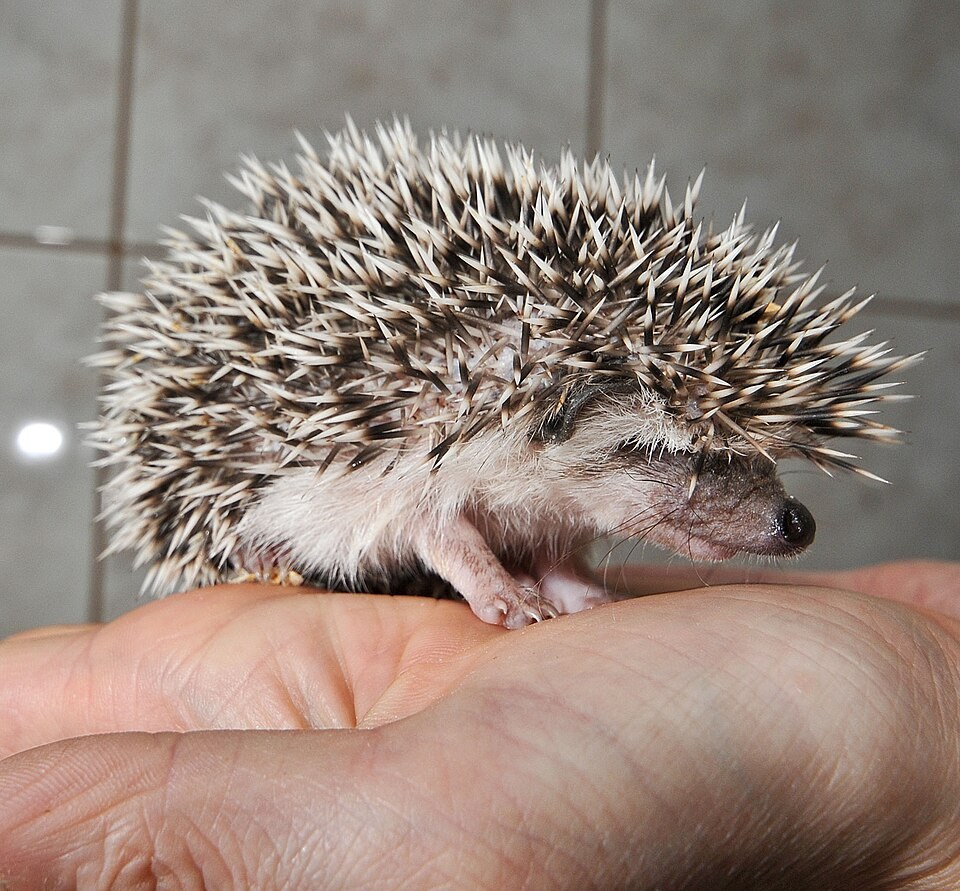
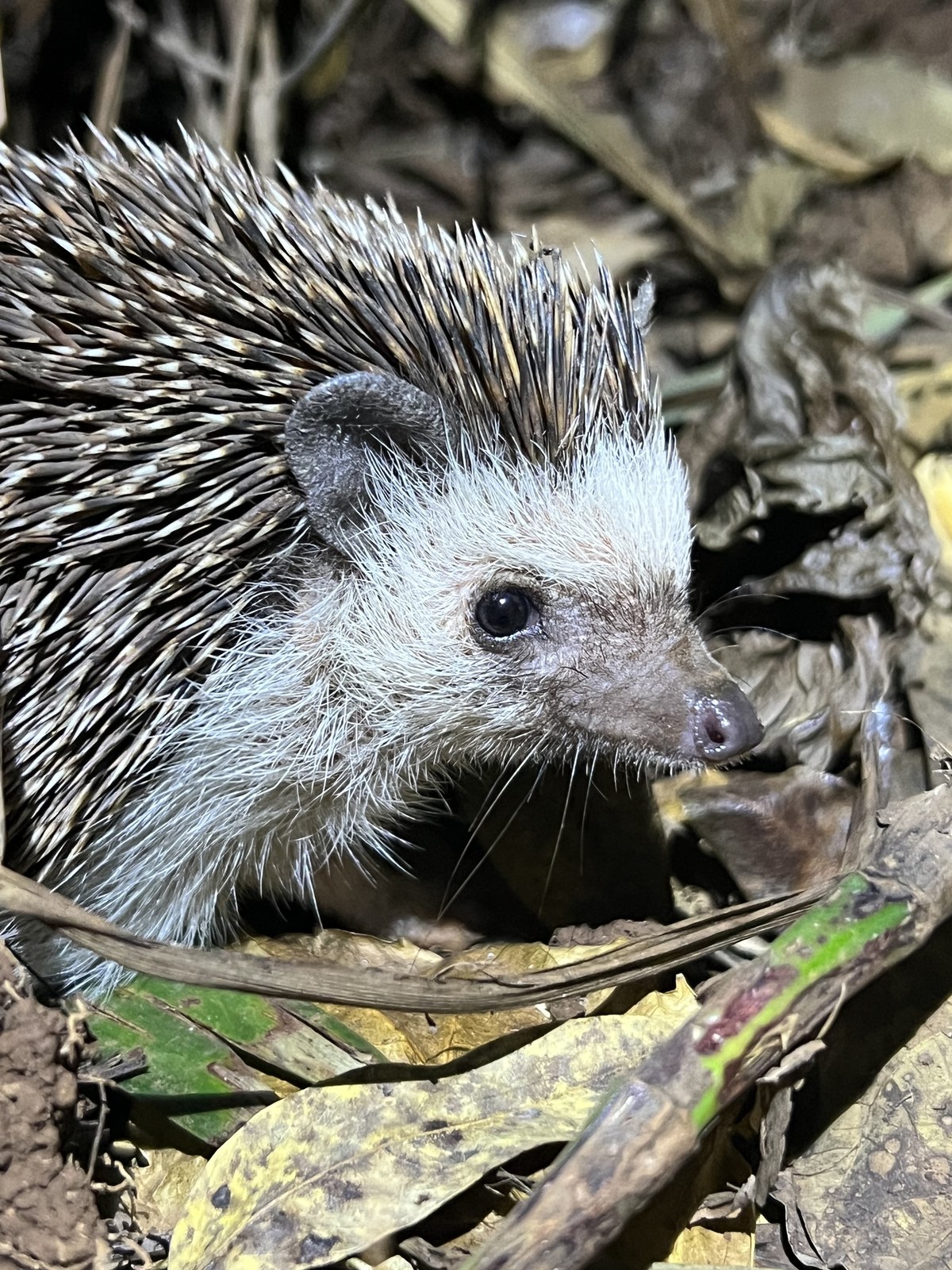
Photo credits: Nacaru (CC BY-SA 4.0), Pueri Michał Klimont (CC BY-SA 3.0), Jason Graham (CC0), B. P. White (CC BY-SA 4.0). Images resized and compressed for web display. Each image retains its linked license. Young animal according to the source; its size on a person's hand is not an adult-size reference. Wild night-time photograph according to source metadata, not a pet-housing example. Wild habitat photograph according to the source, not a pet-housing example.
Living With
Living with an African pygmy hedgehog means maintaining a warm, secure home while accepting a nighttime schedule. Merck recommends a minimum floor footprint of two by three feet, about 0.6 by 0.9 meters, with additional room useful for exercise and separate functional areas. Choose solid flooring, safe bedding, a dark hide, fresh water, and a solid running wheel large enough for a natural posture. Height is not a substitute for floor area, and unprotected climbing surfaces can lead to falls. Use individual housing even when two young animals appear to tolerate each other; companionship needs are not the same as those of social ferrets or guinea pigs.
A practical starting band is 24-26°C, approximately 75-79°F, measured as ambient air inside the enclosure, including around the sleeping area. This sits within Merck's optimal 24-29°C guidance and the narrower clinic guidance cited below, but requires monitoring and adjustment with your veterinarian rather than blind reliance on a thermostat dial. Provide a regular day-night cycle without bright lights at night. Offer a balanced, rationed hedgehog or insectivore diet with appropriate invertebrate additions, not unlimited fatty treats or insects alone. Daily care includes cleaning the wheel, checking food intake and droppings, and observing movement during waking hours. Plan for backup warmth, an experienced sitter, and an exotic-pet emergency service. Related species shown here are encyclopedia comparisons only; none is a recommended enclosure companion.
At a Glance
Ownership Guide
Provide a spacious solid-floor enclosure and a solid running wheel, starting around 12 inches (30 cm) diameter or larger according to fit. Check for a natural running posture, clean the wheel daily, and supervise any exploration outside the enclosure.
Use a balanced hedgehog or insectivore food reviewed with your veterinarian, with appropriate captive-bred, gut-loaded invertebrates. Measure the daily ration and monitor weight; insects alone, unlimited fatty treats, and a rodent seed mix are not suitable diets.
Inspect feet, nails, skin, and the underside during gentle checks, using local cleaning only when needed. Dry thoroughly after necessary washing, and seek veterinary advice for persistent scratching, bald patches, sores, or recurrent soiling.
Build calm evening routines through brief, voluntary approaches to a carrier or weighing container. Support the whole body, never pry open a curled animal, and use tiny rewards within the food allowance rather than forcing cooperation.
House each hedgehog individually; solitary behavior is normal and does not need correction with a cage mate. Develop human trust through predictable, quiet handling and keep other pets away from the enclosure and exercise area.
Establish care with an experienced exotic-pet veterinarian and monitor weight, eating, movement, and enclosure air temperature. Cold unresponsiveness, sudden weakness, breathing trouble, or marked appetite loss requires urgent advice; never encourage hibernation or give unapproved medicines.
Wellness
A cold, unresponsive pet is not safely hibernating; excessive heat can also cause serious illness. Contact an emergency veterinarian and provide gentle, controlled warmth when chilled without direct hot surfaces or delaying assessment.
Captive hedgehogs can gain excess weight when food is unrestricted or fatty treats replace exercise. Use measured feeding and veterinary body-condition assessment rather than crash diets or an arbitrary target based on a species average.
Wobbly hedgehog syndrome is one possible cause of poor coordination, but temperature problems, injury, and other illnesses can look similar. Sudden weakness needs urgent assessment; appearance alone cannot confirm WHS.
Excessive quill loss, crusting, redness, and persistent scratching warrant testing for parasites, ringworm, and other conditions. Avoid over-the-counter flea products or oils, and practice careful hygiene because some skin infections can affect people.
Dropping food, facial swelling, bleeding, lumps, or unexplained weight loss requires examination. Dental disease and neoplasia are important problems in this species, and normal eating does not rule out an early lesion.
Labored breathing, diarrhea, or lethargy needs prompt veterinary advice. Healthy-looking hedgehogs can carry Salmonella, so wash hands and keep animals and their equipment away from food-preparation areas.
Weight trends, measured enclosure temperatures, and brief evening checks help reveal subtle changes. Safe housing and early attention support welfare but cannot prevent every tumor, infection, or neurological disorder.
Further Reading
Plan African pygmy hedgehog care with warm individual housing, safe wheels, balanced meals, and nightly checks that respect a solitary, nocturnal companion.
Read articleChoose balanced African pygmy hedgehog food, ration insects and treats, track body condition, and respond safely when your nocturnal pet starts eating less.
Read articleSpot African pygmy hedgehog health concerns, including chilling, wobbling, quill loss, dental changes, and weight shifts, with clear guidance on urgent care.
Read articleUnderstand African pygmy hedgehog behavior, from curling and anointing to night activity, and build trust through patient handling and useful daily routines.
Read articleKeep African pygmy hedgehog grooming gentle with safe foot cleaning, nail checks, and quill care, while spotting skin problems that need a veterinarian's help.
Read articleExplore life with an African pygmy hedgehog: nighttime routines, solitary housing, heating backup, family boundaries, travel planning, and long-term care costs.
Read articleYou May Also Like