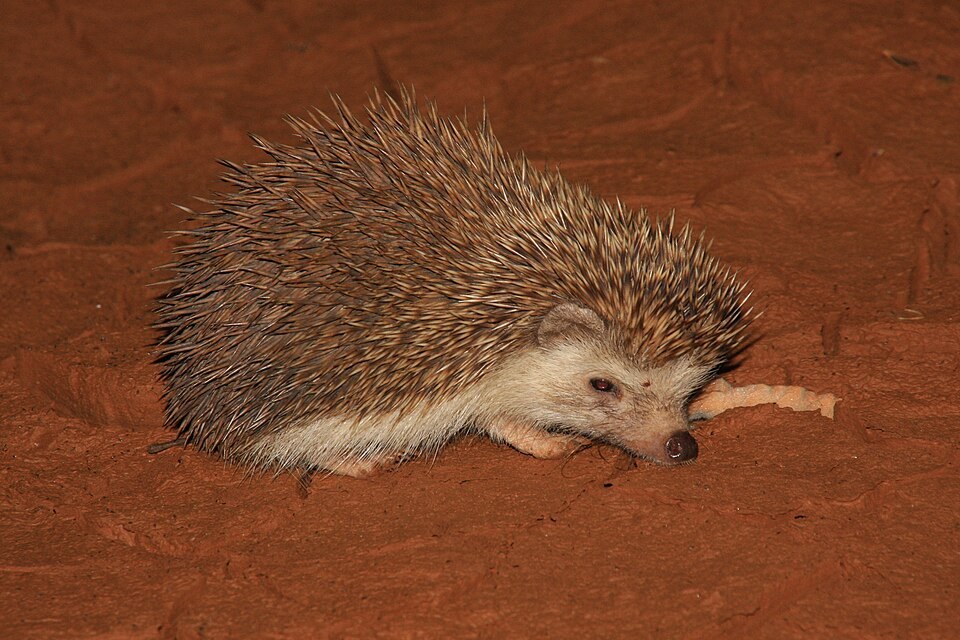
African pygmy hedgehog behavior makes more sense when you stop expecting a miniature dog. This is a solitary, nocturnal animal whose first defense is to curl into a protective ball. Trust can grow, but it should not depend on forced cuddles or constant handling. Useful training focuses on predictable care: approaching a carrier, accepting a brief check, and feeling secure around familiar people.
Interpret curling and huffing in context
A hedgehog that raises its spines, huffs, or curls is communicating discomfort or uncertainty. It is not trying to embarrass you or win a contest. Consider what happened immediately beforehand: a hand descended from above, a door slammed, or the animal was woken abruptly. Reduce the disturbance and allow a pause. The goal is to make the next interaction easier rather than repeatedly testing how much pressure the animal will tolerate.
Watch what happens after you step back. Voluntary uncurling, sniffing, and exploration suggest the environment feels safer. Persistent defensive behavior may reflect the individual temperament, but a sudden change in a previously tolerant animal can also indicate pain or illness. Check appetite, movement, and enclosure air temperature, and seek veterinary advice when the change is unexplained. A defensive response is information, not a training failure requiring punishment. Never tap the nose, blow in the face, or pry the animal open.
Match interaction to a nocturnal routine
Plan contact after the hedgehog begins its normal evening activity. Repeated daytime waking interferes with rest and can make handling predict an unpleasant interruption. Keep a consistent light-dark schedule and provide a dark hide during the day. Do not illuminate the enclosure all night because you would like to watch more easily. Quiet observation as the animal emerges can teach you more than immediately picking it up.
Begin with a short, calm presence near the enclosure. Use a familiar voice and let the hedgehog investigate at its own pace. Remove other pets and sudden household distractions before opening the enclosure. A child waiting excitedly with outstretched hands may need a separate explanation and a slower introduction. Not every evening needs a handling session; on a day with cleaning, transport, or a veterinary visit, quiet recovery may be more useful. Consistency matters more than the length of a single encounter.
Use supportive handling and allow retreat
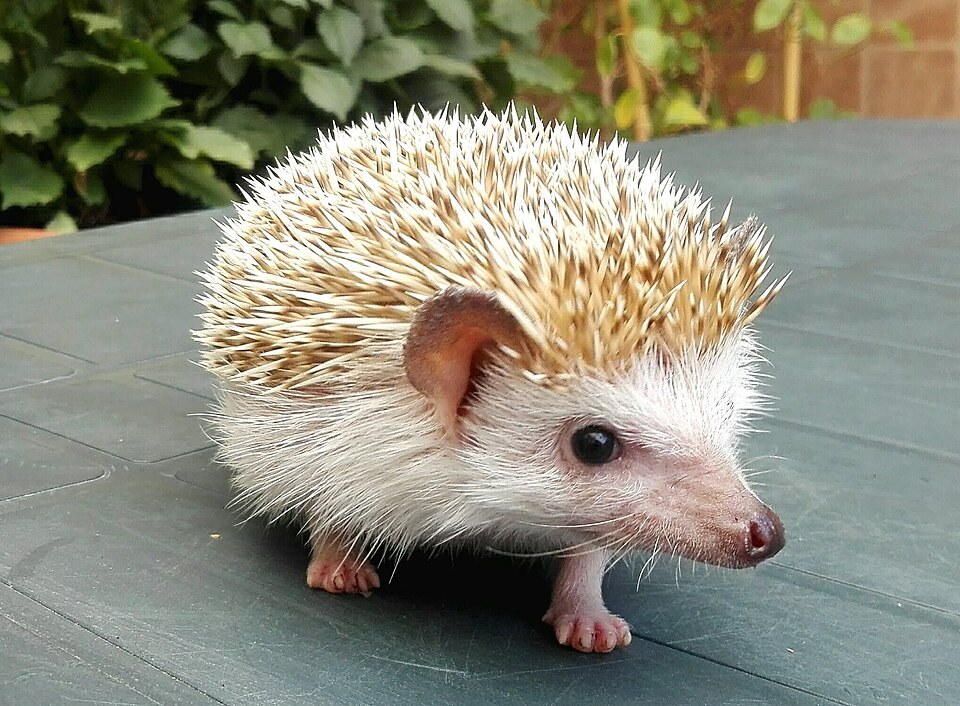
Wash hands and avoid strong fragrances or food residue before handling. Scoop from underneath with both hands, supporting the body rather than grabbing the spines. Keep the animal low over a secure surface because a sudden movement can lead to a fall. If the spines are uncomfortable, a clean towel can provide support, but it should not be used to trap the animal into a prolonged struggle. Check the towel for loose threads.
Practice setting the hedgehog down calmly as well as picking it up. Ending before distress increases helps the animal learn that contact has predictable limits. In a warm, secure floor-level space, allow a familiar hide nearby so approaching you is a choice. Do not interpret every retreat as rejection and immediately pursue. Necessary medical handling may require different techniques, which your veterinary team should demonstrate. Ordinary social practice should not imitate clinical restraint simply because a frightened animal temporarily stops moving.
Distinguish self-anointing from illness
Self-anointing is an unusual but recognized hedgehog behavior. After investigating a new smell or taste, an animal may produce foamy saliva, twist around, and spread it across its spines. The display can look dramatic, especially to a new owner. Observe the trigger and whether the animal otherwise moves and behaves normally. There is no need to provoke anointing for entertainment or deliberately offer novel chemicals to see the response.
Keep cleaning products, cosmetics, medicines, and unfamiliar plants inaccessible. Interest in a scent does not mean the substance is safe to lick. Persistent drooling without the characteristic sequence, pawing at the mouth, difficulty eating, weakness, or abnormal breathing should not be explained away as anointing. Contact a veterinarian and describe any possible exposure. Similarly, a cold animal that stays tightly curled and responds poorly may be ill or entering dangerous torpor, not simply refusing to socialize. Context separates a normal behavior from a warning sign.
Teach carrier and weighing routines in tiny steps
Choose practical goals rather than expecting obedience performances. A stable carrier with familiar bedding can become an ordinary part of the exercise area. Reward looking inside, stepping through the entrance, and remaining briefly before introducing short door closures. Use a small amount of suitable food from the daily ration; avoid relying on repeated fatty insect treats. Stop while the animal remains calm and interested.
For weighing practice, make the process predictable:
- Place a secure container on the scale and record its empty weight.
- Let the hedgehog investigate the container at floor level first.
- Transfer gently for a brief measurement when comfortable.
- Record the weight without extending the session for photographs.
- Return the animal to its familiar safe area.
Litter habits vary, so reward use of a convenient tray without expecting complete reliability. Clean accidents calmly. Food deprivation, punishment, and repeated forced positioning are poor substitutes for an accessible layout and realistic expectations.
Respect solitary living and recognize changing behavior
African pygmy hedgehogs generally need individual housing. Sharing a bed as youngsters or appearing quiet together does not prove that a pair will remain compatible. Do not arrange playdates to teach social skills or place another animal in the enclosure to cure shyness. A secure home, enrichment, and a predictable human relationship address different needs from same-species companionship. Keep dogs, cats, and other small pets away during exploration.
Keep a simple note of what your hedgehog finds comfortable and share it with sitters. An animal that tolerates you may still be cautious with an unfamiliar person. Successful training does not require a pet that enjoys every touch. It means necessary care becomes less stressful while the hedgehog retains the ability to rest, investigate, and withdraw safely.
Continue reading: African Pygmy Hedgehog Grooming: Feet, Quills, and Skin.
Sources and further reading:
- Merck Veterinary Manual: Management of four-toed African pygmy hedgehogs
- Merck Veterinary Manual: Diseases of four-toed African pygmy hedgehogs
- Animal Diversity Web: Atelerix albiventris
- South Pasadena Animal Hospital: Hedgehog health problems
- USDA APHIS: Pet hedgehogs and tenrecs imports into the United States
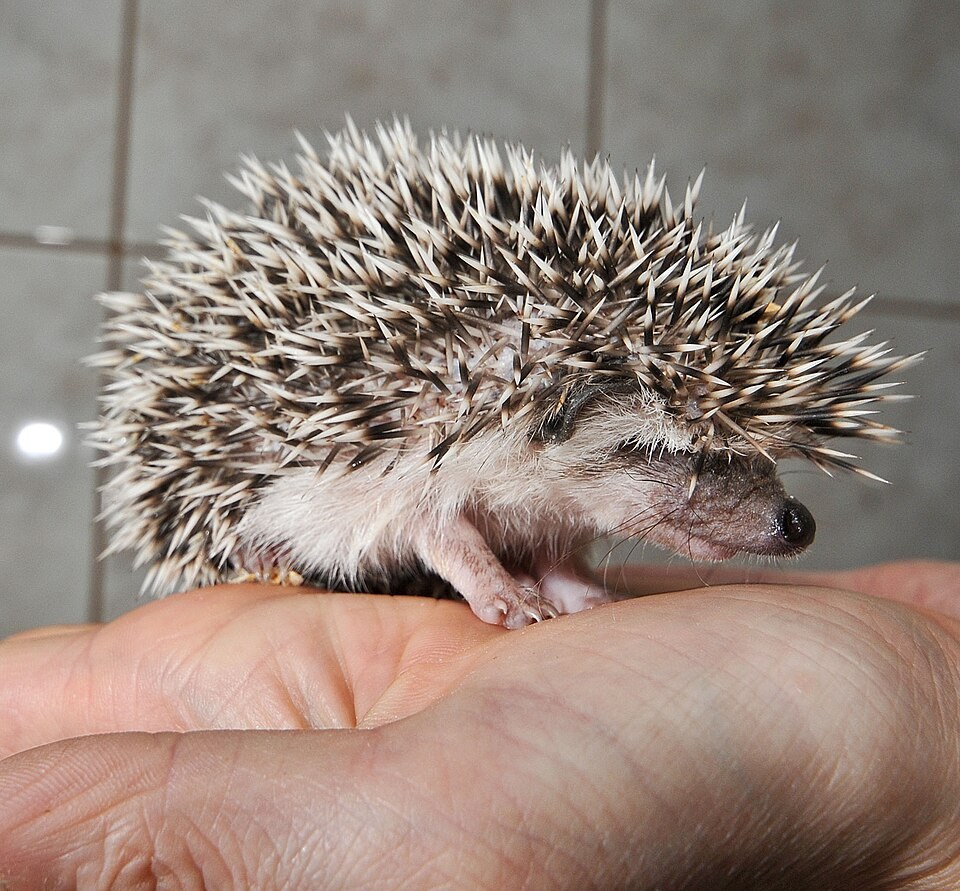
Photo credits: B. P. White (CC BY-SA 4.0), Nacaru (CC BY-SA 4.0), Pueri Michał Klimont (CC BY-SA 3.0). Images resized and compressed for web display. Each image retains its linked license. Wild habitat photograph according to the source, not a pet-housing example. Young animal according to the source; its size on a person's hand is not an adult-size reference.


