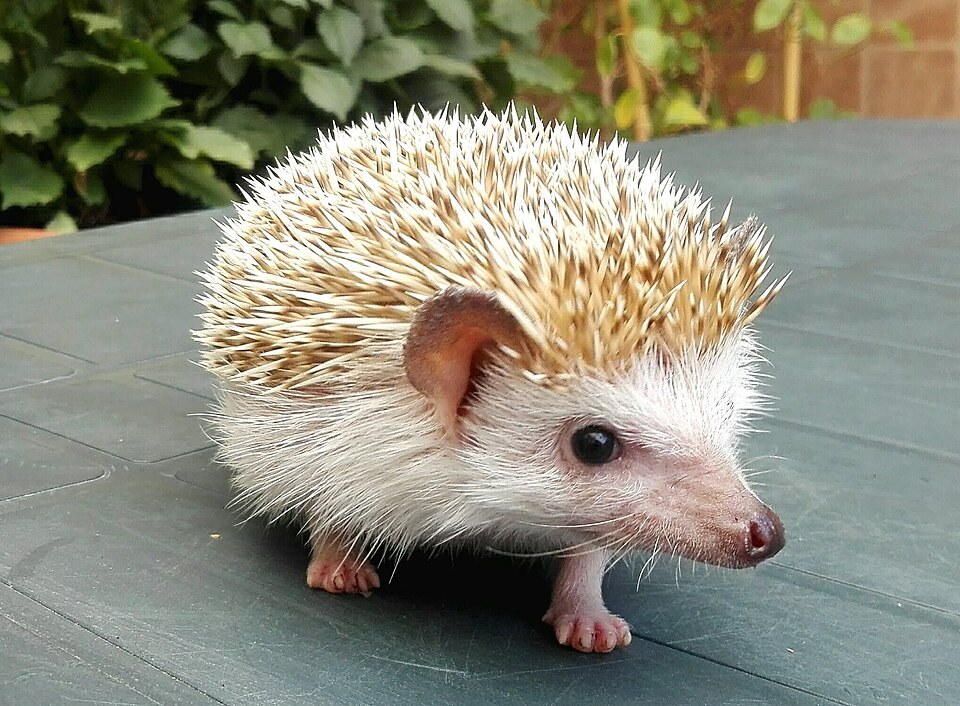
African pygmy hedgehog grooming is mainly about keeping feet, skin, and living surfaces comfortable. Spines do not need styling, and a bath should not become the default answer to every smell or flake. A short evening check can reveal a trapped hair, a sore nail, or abnormal quill loss before the problem worsens. Prepare for gentle handling and stop when a task becomes unsafe to complete at home.
Clean the wheel before blaming the animal
Hedgehogs often pass droppings while running, so a wheel can become dirty overnight even in a well-kept enclosure. Clean its solid running surface daily and check the axle, stand, and edges for damage. Remove wet bedding and inspect the sleeping area for food scraps or urine. A clean environment reduces repeated foot soiling without requiring a full bath every time the animal exercises.
Use suitable cleaning products according to their instructions, rinse surfaces that require rinsing, and dry equipment before replacing it. Strong fragrances can irritate and do not improve hygiene. Check bedding for loose threads and remove shed human hair from the enclosure and exercise area. Hair can wrap around tiny toes, while frayed fabric can catch claws. If the hedgehog remains dirty despite clean equipment, consider loose droppings, mobility problems, or pain rather than simply increasing the frequency of cleaning the animal.
Check feet and use local cleaning when necessary
During a calm waking period, look at each foot and the underside without forcing a tightly curled animal open. A short walk across a clean, safe surface may let you see gait and nails more easily than prolonged restraint. Watch for limping, redness, swelling, or a toe held differently. If a hair or thread is tightly wrapped or embedded, seek veterinary help rather than pulling at tissue you cannot clearly see.
For ordinary dried dirt, a damp soft cloth may be sufficient. If brief foot washing is needed, use shallow lukewarm water and secure footing while supporting the animal. Keep the head above water and maintain a firm but gentle hold. Never leave a hedgehog unattended in a basin. Finish promptly and dry the feet and underside with a soft towel in a comfortably warm room. Do not use a hot hair dryer or return a damp animal to a cool enclosure.
Make nail care a cooperative process
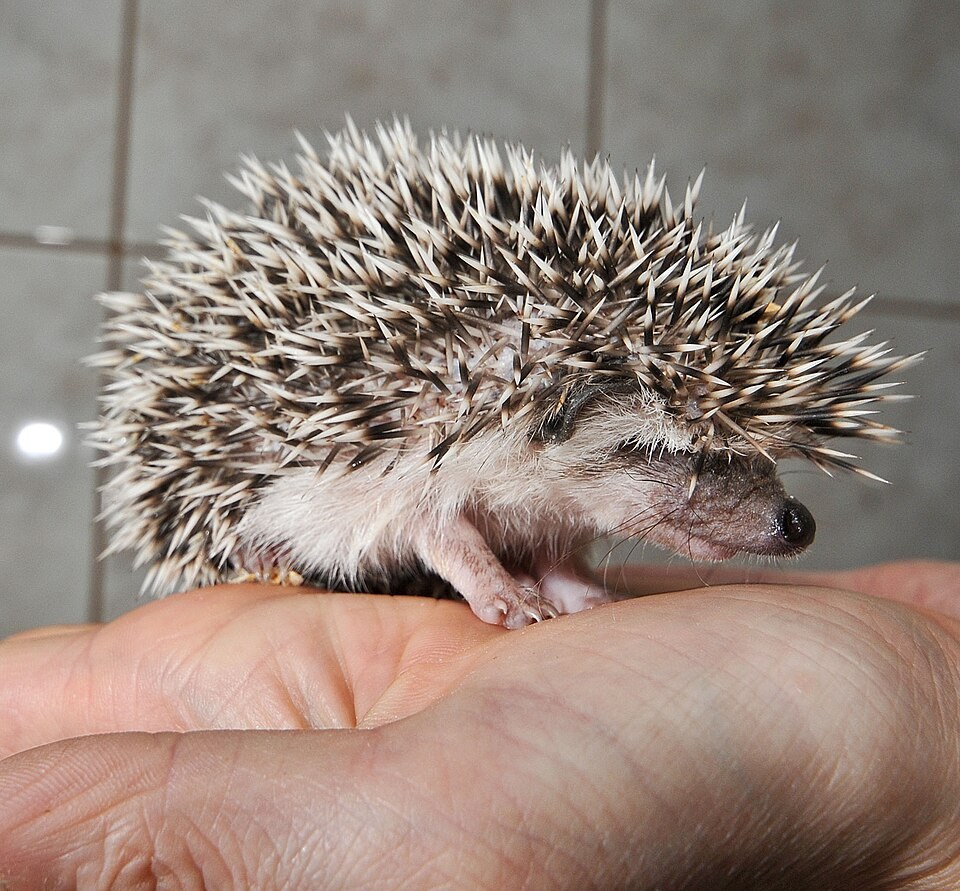
Nails can become overlong and snag, but trimming a struggling hedgehog risks cutting the quick, the living tissue inside the nail. Ask your veterinary team to demonstrate with your own animal before attempting the task. Work in good light with a suitable small clipper and take only a conservative tip when you can see safely. One or two nails in a calm session is better than forcing all of them at once.
Prepare a simple sequence:
- Check the foot for swelling, sores, or trapped fibers first.
- Support the body close to a secure surface.
- Expose only the nail you can clearly see.
- Stop if the animal pulls away or curls tightly.
- Reward calm cooperation within the normal food allowance.
A bleeding, broken, or ingrown nail may need medical treatment, especially if pain or bleeding persists. Do not trim into a swelling or cut away damaged tissue. A professional appointment is a sensible grooming choice, not evidence that you have failed to bond.
Understand quill replacement without overlooking disease
Growing hedgehogs may replace quills, and an occasional loose spine does not automatically mean disease. The pattern matters. Bald areas, crusting, inflammation, or persistent scratching need assessment, particularly when loss is extensive or the animal seems uncomfortable. Mites and fungal infections are important possibilities, and a veterinarian may need skin samples to distinguish them. Normal development should not become a convenient explanation for every change.
Photograph affected areas in consistent light and note bedding changes, new products, and possible contact with other animals. Avoid aggressive brushing, pulling loose-looking spines, or scrubbing flaky skin before the cause is known. Spines are protective modified hairs; they do not need to be removed or trimmed. Some skin infections can affect people, so wash hands and keep towels and tools clean. If a person develops a suspicious skin lesion, seek medical advice and mention contact with the hedgehog.
Reserve full baths and products for genuine need
If substantial soiling makes a full wash necessary, prepare everything before starting: towels, secure footing, lukewarm water, and any product specifically approved by your veterinarian. Keep the session brief, avoid eyes and ears, and rinse thoroughly when using a cleanser. Support the animal rather than expecting it to swim. Dry carefully and confirm that the enclosure's ambient air is appropriately warm before returning it to a clean hide.
Repeated bathing can aggravate irritated skin and does not replace treatment for parasites or infection. Do not add oils, essential oils, scented human products, or flea shampoo because an online tip claims they are gentle. An ingredient tolerated by another pet may be inappropriate for a hedgehog. If repeated washing seems necessary, ask why: persistent diarrhea, urine staining, reduced mobility, or a poorly positioned wheel needs a different solution. Grooming should solve the immediate hygiene problem without hiding a medical pattern.
Include the mouth, body, and behavior in your checks
While handling is comfortable, notice new lumps, changes in weight, mouth odor, facial swelling, or difficulty eating. Do not pry open the mouth or scrape teeth at home. Dental disease and oral tumors can cause subtle changes such as dropping kibble or preferring softer food, and a veterinarian may need sedation or anesthesia for a thorough examination. A hedgehog that suddenly resists touch may be painful rather than merely grumpy.
Clean equipment away from human food-preparation areas and wash hands afterward because healthy-looking hedgehogs can carry Salmonella. Share the animal's handling preferences with anyone providing holiday care. Successful grooming leaves your hedgehog dry, secure, and comfortable, with concerns noticed early. It does not require a spotless animal every moment or a prolonged session that both of you dread.
Continue reading: Living With an African Pygmy Hedgehog: An Honest Planning Guide.
Sources and further reading:
- Merck Veterinary Manual: Management of four-toed African pygmy hedgehogs
- Merck Veterinary Manual: Diseases of four-toed African pygmy hedgehogs
- Animal Diversity Web: Atelerix albiventris
- South Pasadena Animal Hospital: Hedgehog health problems
- USDA APHIS: Pet hedgehogs and tenrecs imports into the United States
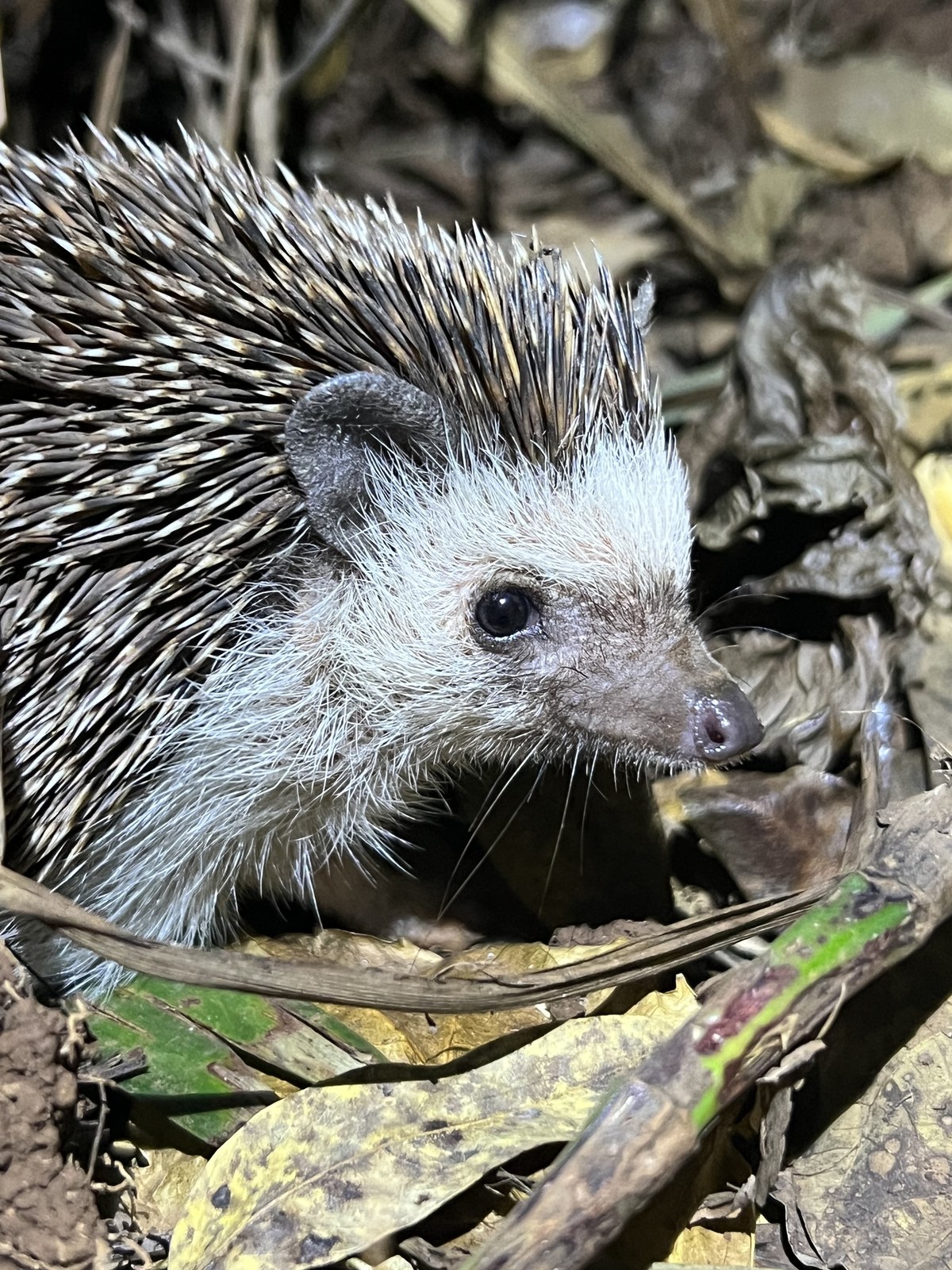
Photo credits: Nacaru (CC BY-SA 4.0), Pueri Michał Klimont (CC BY-SA 3.0), Jason Graham (CC0). Images resized and compressed for web display. Each image retains its linked license. Young animal according to the source; its size on a person's hand is not an adult-size reference. Wild night-time photograph according to source metadata, not a pet-housing example.


