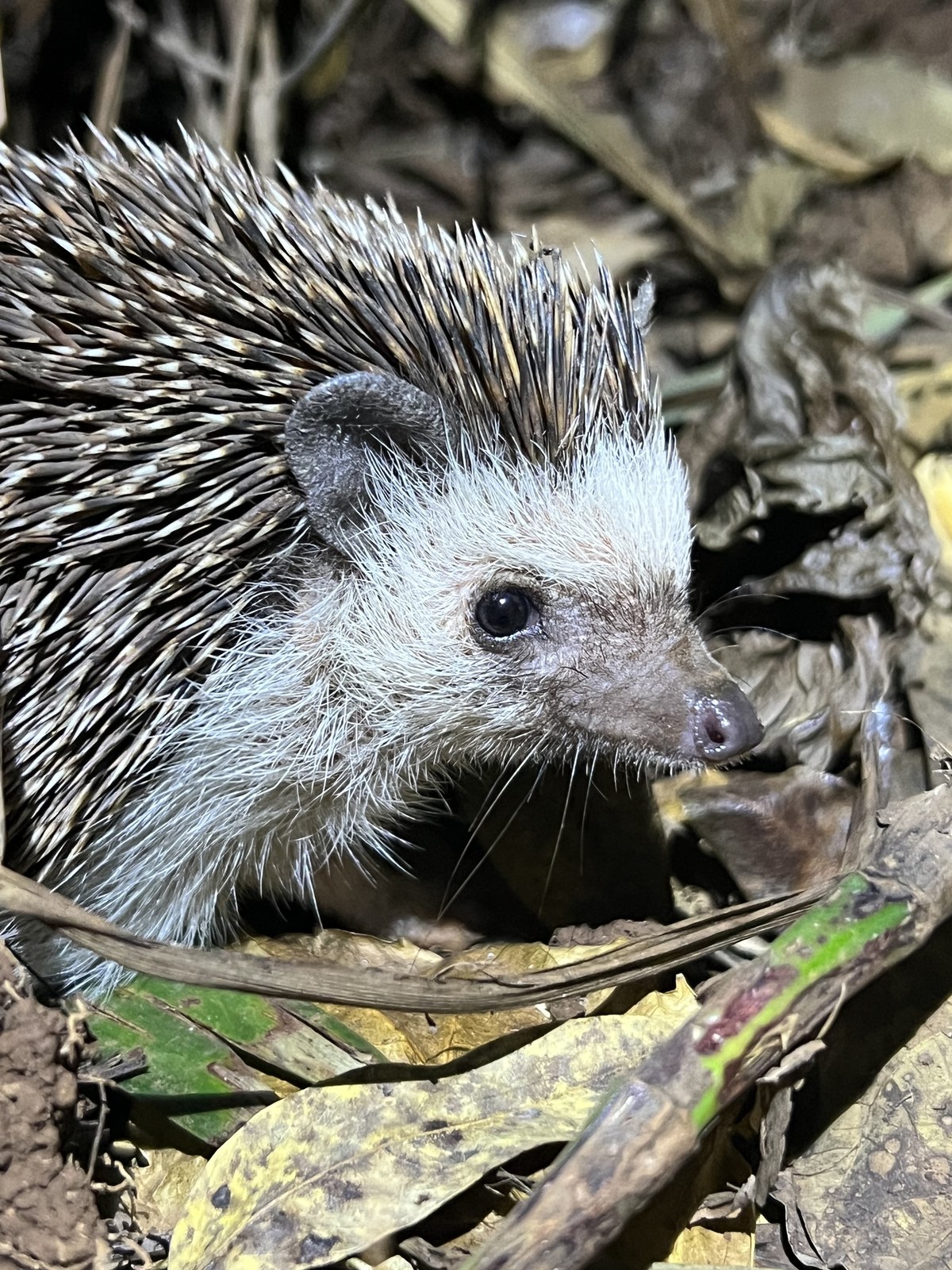
African pygmy hedgehog health checks are easiest when you know the animal's ordinary evening routine. A change in walking, an untouched meal, or a newly dirty underside can reveal trouble before a dramatic symptom appears. Because hedgehogs curl defensively and are active while people sleep, illness can be missed. These patterns explain when to seek care, not how to diagnose or medicate a pet at home.
Cold unresponsiveness is not a normal winter routine
Pet African pygmy hedgehogs should not be encouraged to hibernate. A chilled, weak, or unresponsive animal needs urgent veterinary attention rather than being left alone to sleep through winter. Excessive heat can also cause dangerous illness. Read the enclosure thermometers, note any equipment failure, and call an emergency clinic. If the animal is chilled, provide gentle controlled warmth while following professional instructions; avoid hot water, direct heaters, and unregulated heating pads.
For prevention, a practical starting band is 24-26°C, about 75-79°F, measured as ambient air inside the enclosure. This is within the cited veterinary recommendations, not a guarantee that any unwell animal is safe at that temperature. Check around the sleeping area and verify the thermostat with independent measurement. If responsiveness improves after warmth is restored, veterinary contact is still important because a temperature episode or underlying illness may have lasting consequences. Do not use recovery as permission to repeat the same setup.
Wobbling requires diagnosis, not a label from a video
Wobbly hedgehog syndrome, often shortened to WHS, is a neurological disease associated with progressive loss of coordination. Hindlimb weakness, falling, and weight loss can occur, but these signs are not unique to WHS. Temperature problems, injuries, and other diseases can produce a similar appearance. Sudden wobbling is especially important to assess urgently rather than assuming a slow, untreatable condition and giving up on investigation.
Definitive confirmation of WHS requires microscopic examination of nervous tissue, commonly after death; a home walking test cannot provide that certainty. During life, the veterinarian evaluates other possible causes and develops an appropriate plan. Keep floors level, remove fall hazards, and make food and water accessible while following advice. Do not give unproven supplements or another animal's medication. If a chronic neurological problem is diagnosed, discuss comfort, mobility support, nutrition, and quality of life rather than pursuing exercises that exhaust or frighten the animal.
Quill loss and itchy skin need careful examination
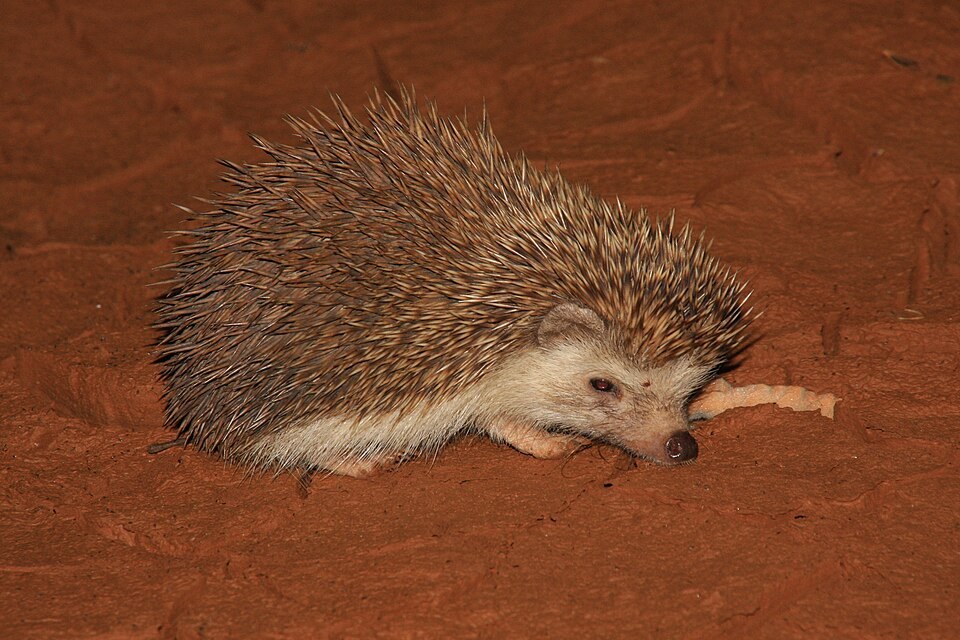
Some quill replacement can occur during development, but extensive loss, bald patches, persistent scratching, crusts, or inflamed skin is not something to dismiss as ordinary quilling. Mites are an important possibility, and fungal disease such as ringworm can also affect the skin. A veterinarian may need samples to distinguish the causes. Washing the animal repeatedly before an appointment can irritate skin and obscure useful clues without addressing the underlying disease.
Bring information about bedding changes, new animals, and products used on the skin. Clean shared equipment appropriately and wash hands after contact because some infections can affect people. Avoid applying oil, insecticidal powders, or flea products intended for dogs or cats. Treatment choice and concentration must be appropriate for this individual. If household members develop suspicious skin lesions, seek human medical advice and mention animal contact rather than assuming the problem is a harmless allergy.
Mouth changes, lumps, and weight loss deserve attention
Dental disease and tumors are significant problems in this species. Dropping food, chewing slowly, drooling, bleeding, facial swelling, or a new preference for soft items can indicate mouth pain. A lump elsewhere, a distended abdomen, or unexplained weight loss also warrants examination. Do not wait for a hedgehog to stop eating completely; some continue to eat despite substantial disease, and defensive curling may conceal the area you need to inspect.
Check body weight regularly and share a trend rather than a single number. Merck uses four to six years as a typical captive lifespan, but age alone cannot explain a decline or determine whether treatment is worthwhile. The veterinarian may recommend a more complete examination or diagnostic procedures under appropriate sedation or anesthesia. Discuss benefits, limitations, comfort, and recovery needs. Do not squeeze a lump, scrape teeth, or force the mouth open in an attempt to avoid professional assessment.
Prevent obesity and reduce infection exposure
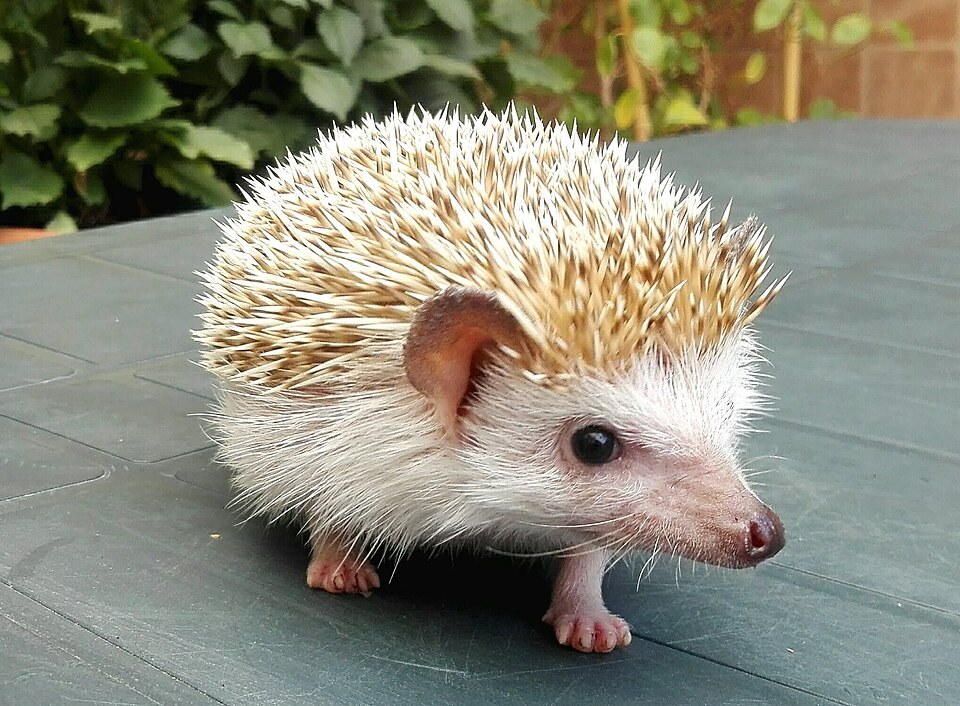
Obesity is common in pet hedgehogs and can compromise comfortable movement. Measure a balanced ration, account for insects and treats, and provide a safe solid wheel with enough floor space. Weight control should be gradual and guided by body condition, not a crash diet aimed at a published species average. Reduced activity may reflect pain or illness rather than laziness, so investigate a change before simply reducing food.
Healthy-looking hedgehogs can carry Salmonella. Wash hands after handling and cleaning, keep equipment away from food-preparation areas, and avoid kissing or face contact. People at increased risk from infection should discuss precautions with a healthcare professional. Respiratory difficulty, diarrhea, marked lethargy, or reduced appetite needs veterinary advice; no household hygiene routine eliminates every possibility of infection. Explain recent animal contact and any illness in the household so the clinician has relevant context.
Prepare useful records and recognize emergencies
A basic record makes subtle problems easier to communicate:
- Weekly weights taken with the same container and scale.
- Food intake and unusual droppings or urine.
- Enclosure air readings and heating interruptions.
- New skin changes, swelling, or altered walking.
- Current medicines, products, and previous veterinary findings.
Confirm an after-hours clinic that accepts hedgehogs before an emergency and keep a secure carrier ready. Follow instructions for maintaining safe warmth during transport without direct hot contact. Good observation cannot prevent every disease, but it can reduce delays and give your veterinarian a clearer picture of what changed and when.
Continue reading: African Pygmy Hedgehog Behavior: Trust Without Forced Cuddles.
Sources and further reading:
- Merck Veterinary Manual: Management of four-toed African pygmy hedgehogs
- Merck Veterinary Manual: Diseases of four-toed African pygmy hedgehogs
- Animal Diversity Web: Atelerix albiventris
- South Pasadena Animal Hospital: Hedgehog health problems
- USDA APHIS: Pet hedgehogs and tenrecs imports into the United States
Photo credits: Jason Graham (CC0), B. P. White (CC BY-SA 4.0), Nacaru (CC BY-SA 4.0). Images resized and compressed for web display. Each image retains its linked license. Wild night-time photograph according to source metadata, not a pet-housing example. Wild habitat photograph according to the source, not a pet-housing example.


