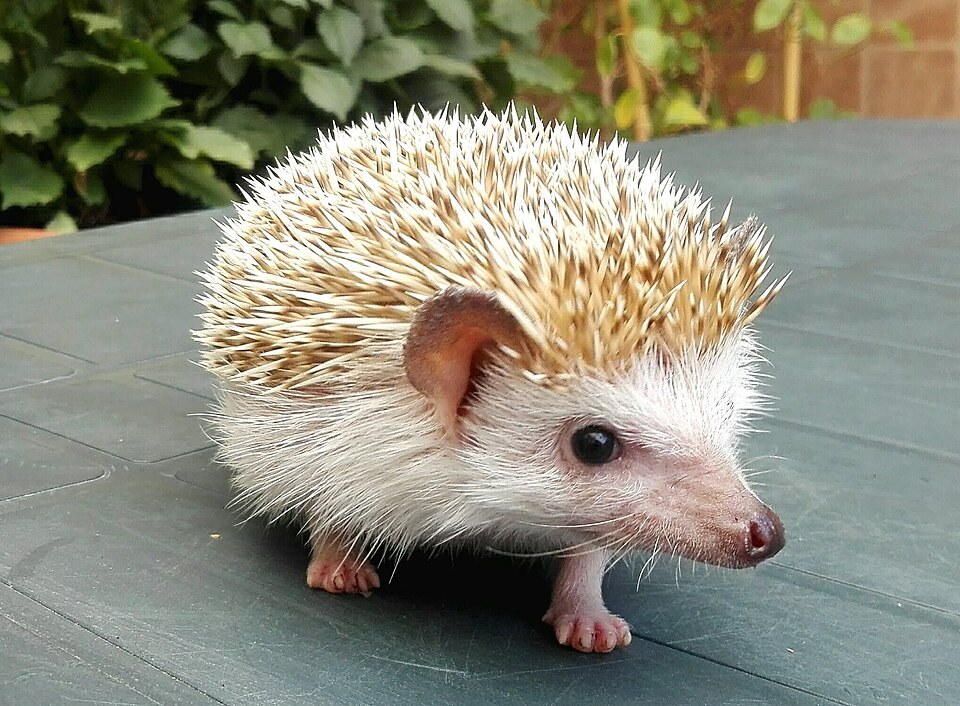
African pygmy hedgehog care should begin with a working enclosure, not a shopping trip after the animal arrives. This guide concerns Atelerix albiventris, the four-toed hedgehog, rather than European garden hedgehogs. Its solitary lifestyle, nighttime activity, and need for reliably warm conditions shape every decision. Prepare the environment, locate an experienced veterinarian, and check current local keeping rules before choosing your companion.
Give one hedgehog a spacious ground-level home
Merck recommends a minimum floor footprint of 2 by 3 feet, approximately 0.6 by 0.9 meters. Treat that as a starting reference, not evidence that a crowded enclosure is adequate. The wheel, hide, water, and food dishes all use space, so a larger continuous floor is useful. Choose solid flooring, secure ventilation, and walls that prevent escape without offering hazardous climbing opportunities. Protect against falls and trapped limbs.
House hedgehogs individually. They are naturally solitary, and buying two to prevent loneliness can create conflict, injury, or unplanned breeding. Provide a dark, accessible hide and suitable low-dust bedding that permits comfortable resting and investigation. Unscented paper bedding is a practical option when kept dry. Avoid loose threads, sharp edges, and small detachable pieces. Set up distinct feeding, sleeping, and activity areas so the animal can move between them without being forced through a narrow obstacle course.
Measure warmth where the animal actually lives
A practical starting band is 24-26°C, approximately 75-79°F, for ambient air inside the enclosure. This lies within Merck's optimal 24-29°C recommendation and the narrower range given by the clinic source. It is not a universal safe limit or a body-temperature target. Check conditions near the sleeping area and across the enclosure; a wall thermostat or a warm surface reading cannot tell you everything about the air the animal experiences.
Use properly installed, guarded heating equipment controlled by a suitable thermostat, with independent thermometers to verify performance. Keep cords and hot surfaces inaccessible. Run the setup through daytime and overnight conditions before arrival, and prepare for power or heating failure. Avoid drafts, direct sun, and locations that overheat behind glass. Do not deliberately lower temperatures for winter dormancy. Pet African pygmy hedgehogs should not hibernate, and both chilling and overheating can cause serious deterioration.
Respect the nighttime schedule and protect sleep
Provide a consistent day-night cycle, with about twelve hours of light as described by Merck, while keeping a dark retreat available. Ordinary room light can establish daytime without shining a bright lamp directly into the hide. Do not keep the enclosure illuminated all night for easier viewing. A hedgehog that emerges after the household quiets down is following its natural rhythm, not being antisocial.
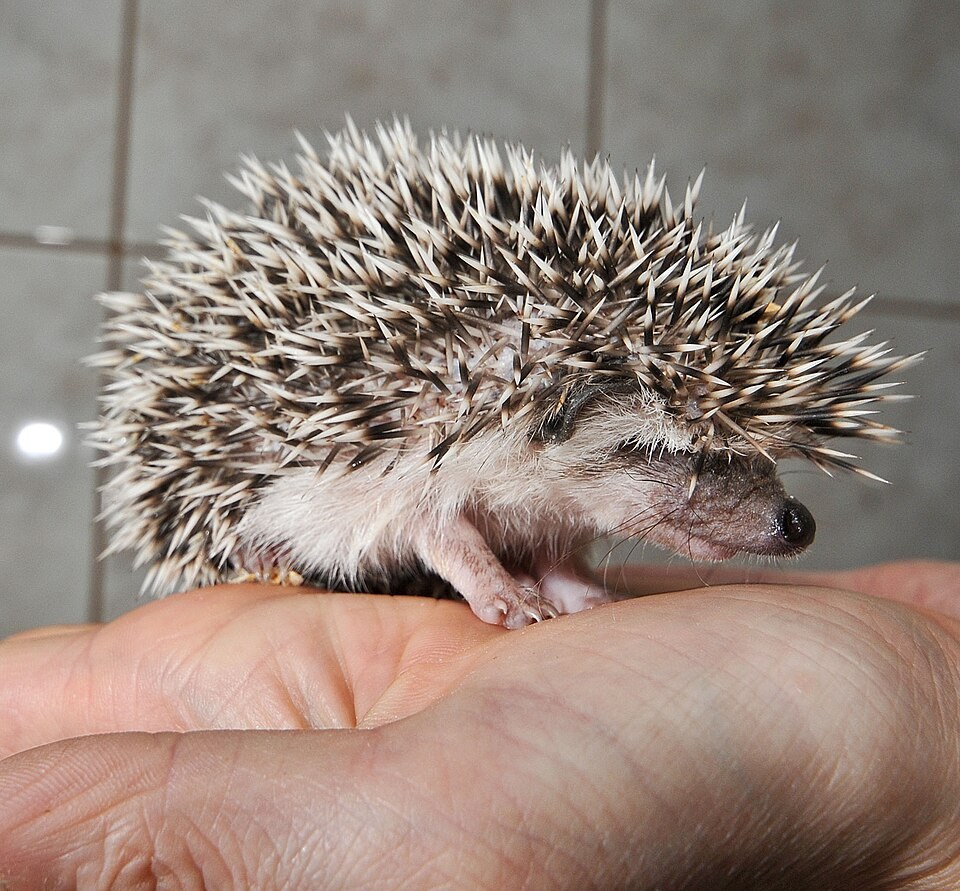
Begin interaction during normal waking hours with a quiet voice and clean hands. Scoop from underneath with both hands, supporting the whole body close to the floor. If the animal curls tightly, give it time rather than pulling it open. Early sessions can simply involve sitting nearby while it explores a secure area. Repeated daytime waking, loud music, and curious dogs at the enclosure make trust harder. Children can help observe and record behavior, but an adult should manage handling and welfare.
Offer exercise that is safe for feet and spine
Choose a solid-surface wheel rather than wire or mesh. A diameter around 12 inches, approximately 30 centimeters, or larger is a conservative starting choice; check that your hedgehog can run without a pronounced back arch. The wheel must turn freely, stand securely, and avoid supports or gaps that can catch feet. A label stating suitable for hedgehogs does not replace checking the actual design and fit.
Clean the running surface daily because hedgehogs often soil wheels during use. Provide additional exploration through roomy tunnels, hides, and simple food-search opportunities using part of the normal ration. Supervised floor time should occur in a warm, escape-proof space without cables, other pets, or access beneath appliances. Remove hair and loose fibers that could wrap around toes. Exercise balls are not a substitute for an environment where the animal can choose its pace, retreat, and access water.
Feed a balanced ration and inspect the evidence
Use a complete hedgehog or insectivore food reviewed with your veterinarian, with appropriate captive-bred, gut-loaded invertebrates as part of the plan. An insect-only menu or unlimited fatty treats can become unbalanced. Measure the ration, refresh water, and watch body condition rather than aiming blindly for a species-average weight. A small kitchen scale and regular records are more useful than comparing your pet's outline with photographs.
Build these checks into the evening routine:
- Confirm the hedgehog wakes and moves as expected.
- Read enclosure thermometers and inspect heating equipment.
- Record food eaten, droppings, and any unusual drinking.
- Clean the wheel and remove wet or soiled bedding.
- Check feet, skin, and the underside without prolonged restraint.
Arrange veterinary care and emergency backup
Find a clinic that treats hedgehogs and establish where emergencies are handled after hours. Bring diet details and any previous records to the first visit. Ask about examination frequency, weight assessment, skin concerns, and how to transport the animal while maintaining appropriate warmth. Routine care should be individualized rather than copied from a rabbit or cat schedule. Plan a sitter who can check temperatures and behavior, not just top up food.
Labored breathing, sudden wobbling, marked appetite loss, bleeding, or a painful swelling also needs prompt attention. Wash hands after contact and keep equipment away from food-preparation areas because apparently healthy hedgehogs can carry Salmonella. A good care routine balances warmth and security with careful observation, allowing this solitary explorer to remain active on its own terms.
Continue reading: African Pygmy Hedgehog Nutrition: Balanced Food and Portions.
Sources and further reading:
- Merck Veterinary Manual: Management of four-toed African pygmy hedgehogs
- Merck Veterinary Manual: Diseases of four-toed African pygmy hedgehogs
- Animal Diversity Web: Atelerix albiventris
- South Pasadena Animal Hospital: Hedgehog health problems
- USDA APHIS: Pet hedgehogs and tenrecs imports into the United States
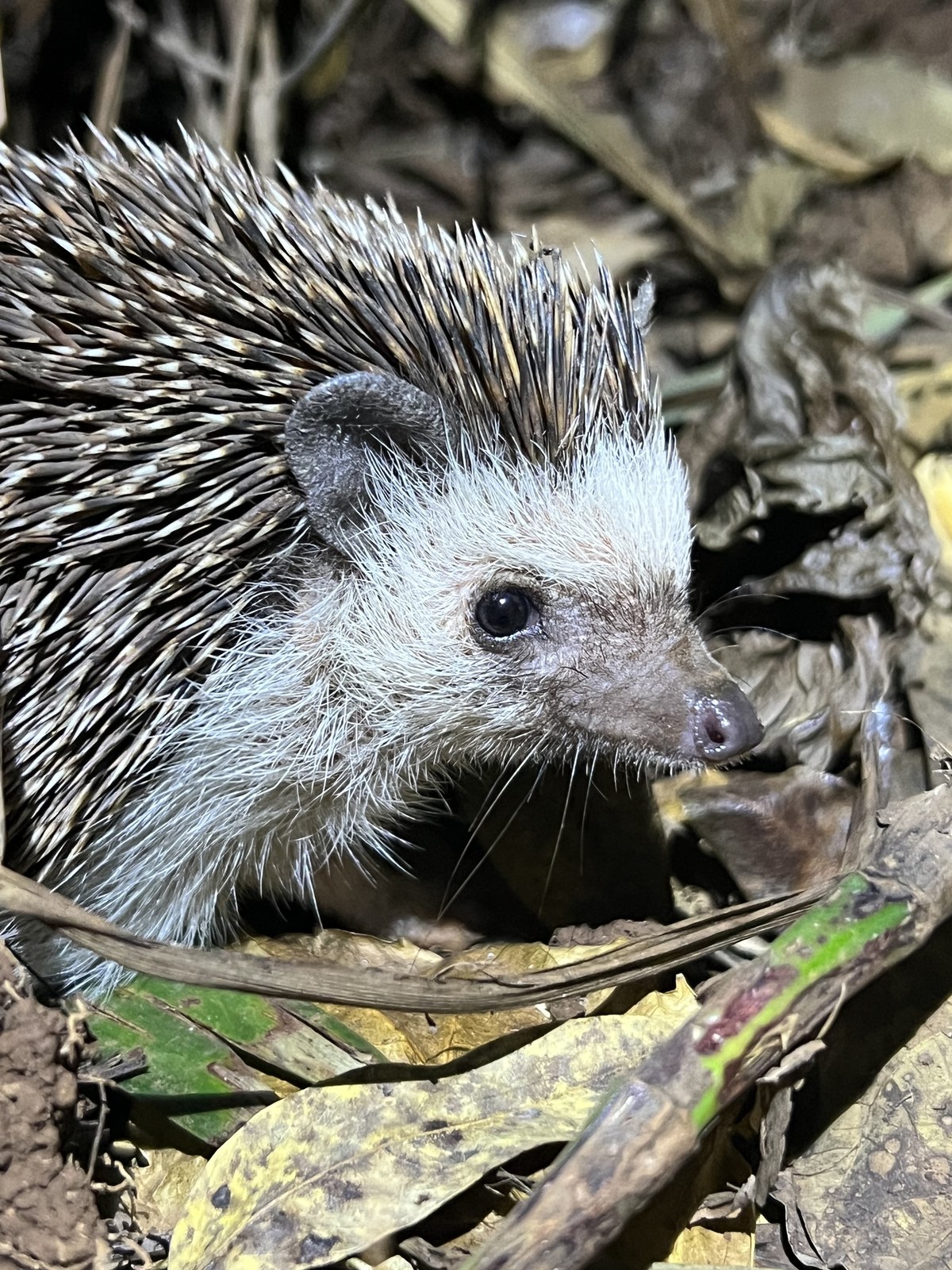
Photo credits: Nacaru (CC BY-SA 4.0), Pueri Michał Klimont (CC BY-SA 3.0), Jason Graham (CC0). Images resized and compressed for web display. Each image retains its linked license. Young animal according to the source; its size on a person's hand is not an adult-size reference. Wild night-time photograph according to source metadata, not a pet-housing example.


