Goldendoodle Care: A Practical Plan for a Variable Cross
Build a Goldendoodle care routine around your dog's size, coat, age, and confidence, with practical home setup, activity, grooming, and veterinary planning.
Read article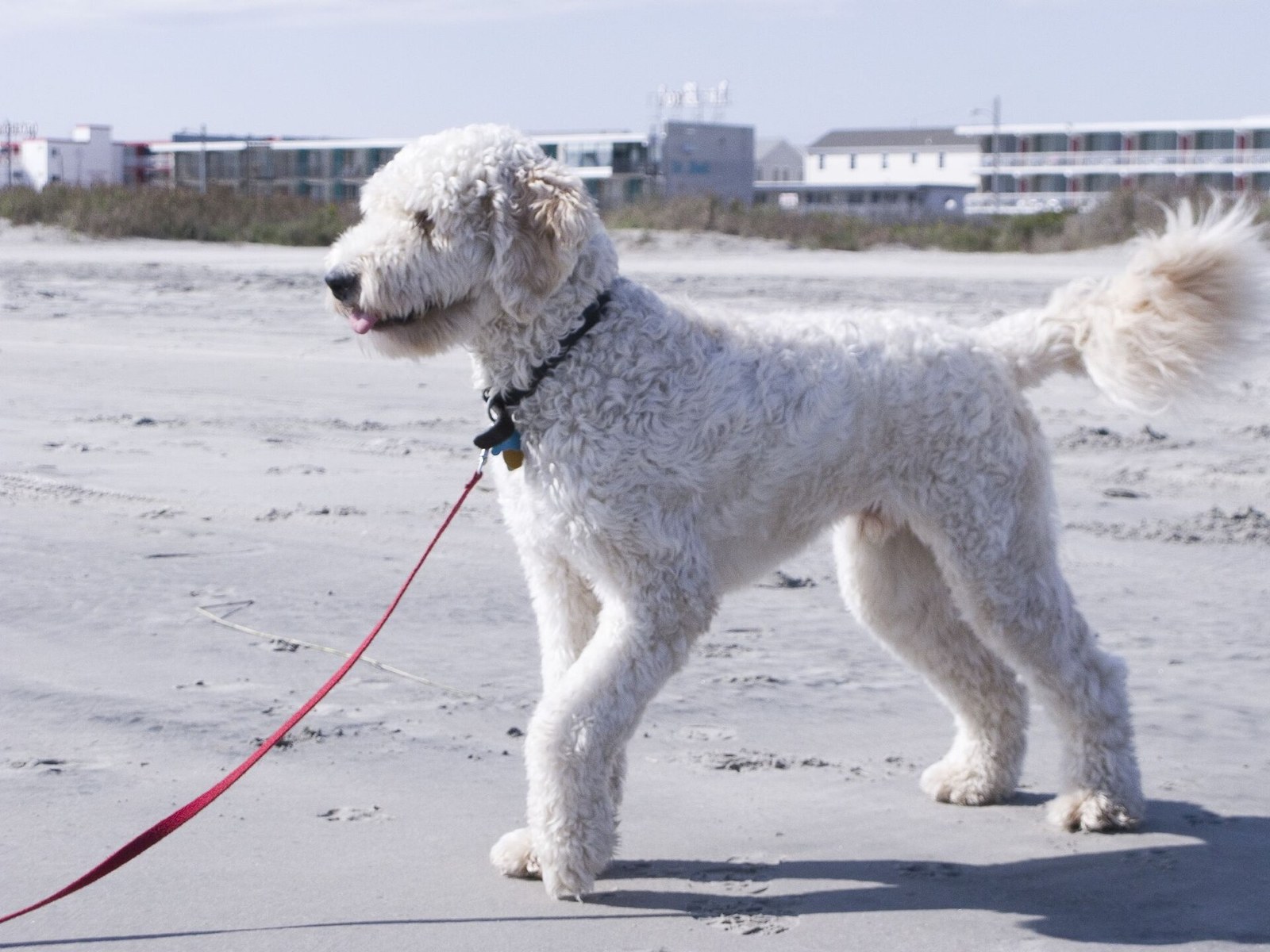
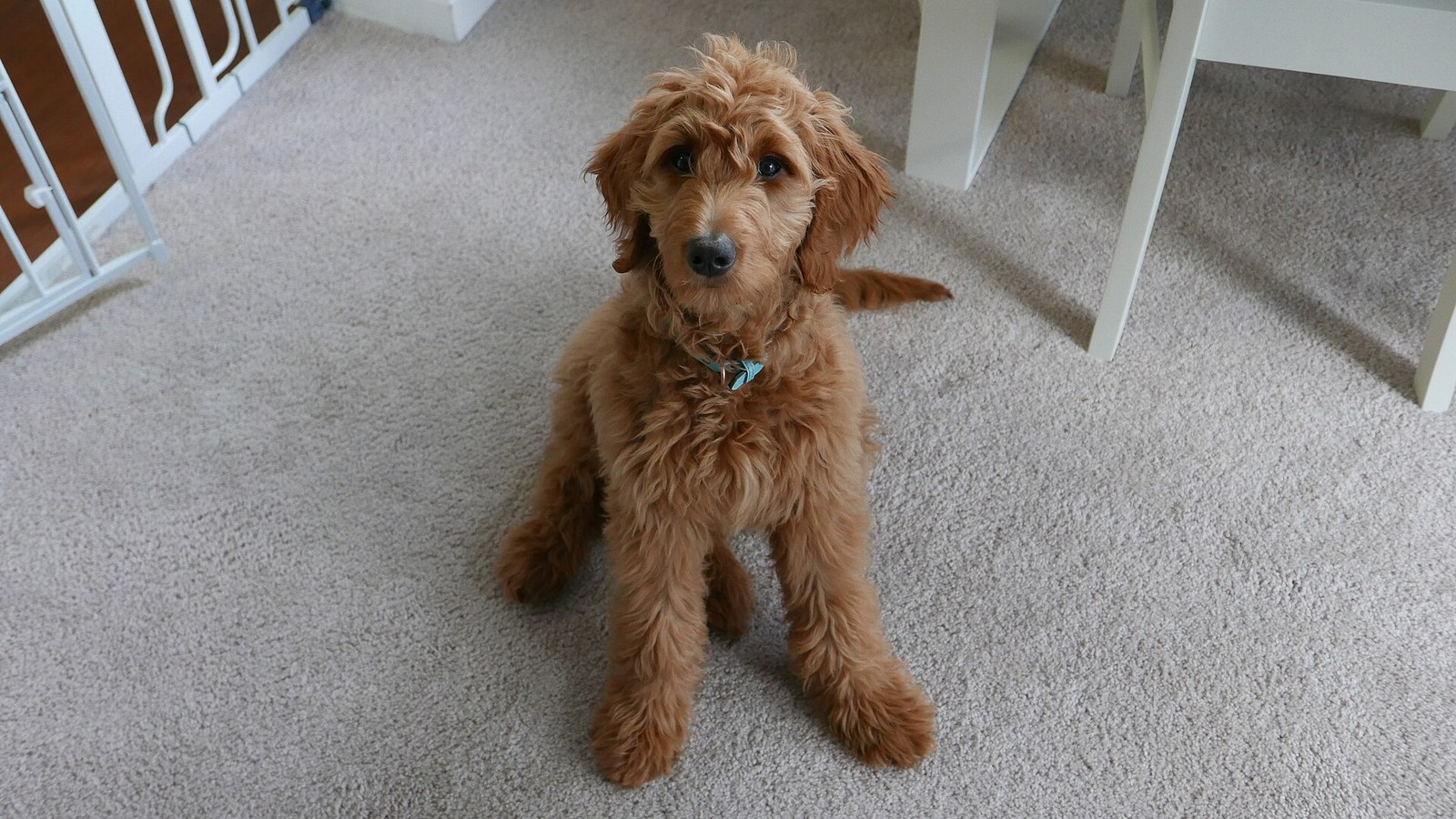
Canis lupus familiaris
Golden Retriever meets Poodle: an individual companion, never a guaranteed coat or personality.
Deep Dive
The Goldendoodle is a Golden Retriever–Poodle cross, including dogs with further generations of that mixed ancestry. It is not a recognized standardized pure breed with one universally applicable size or coat description. PetMD's veterinary-reviewed overview places early development for guide work in the late 1960s and describes increasing household popularity in the United States during the 1990s. That is the source's historical account, not evidence for one documented founder or a definitive country of origin. This profile therefore avoids assigning a precise founding year or turning a popularization story into a pedigree claim. A club may publish its own breeding goals without making all dogs sold under this name consistent.
Golden Retriever and Poodle ancestry offers context, not a predictable recipe. Poodles come in different varieties, and subsequent crossbreeding introduces further variation in adult size, coat maintenance, and behavior. Generation labels such as F1 and F1b describe ancestry conventions; they are not dependable promises about shedding, allergic reactions, or temperament. When choosing a dog, ask for identifiable parent health records, the actual mating history, and honest observations of the individual. An adult rescue may provide clearer evidence of coat and size than a puppy photograph. PetMD estimates a Goldendoodle lifespan of 10–15 years. This is an attributed planning estimate with individual variation, not a figure calculated from parental lifespans or a guarantee of longevity. Mixed ancestry does not automatically cancel inherited disease.
Many Goldendoodles enjoy company, food-based learning, retrieving games, and following household activity. Others are reserved, easily overexcited, sensitive to unfamiliar handling, or less interested in strangers. A friendly reputation is not an individual assessment. The behavior you see reflects genetics, early experiences, health, age, and the current environment rather than a dependable blend of two parent descriptions. A bouncy adolescent may need help settling as much as opportunities to run. Reward relaxed choices, provide predictable rest, and allow sniffing and exploration without requiring every walk to become an athletic workout. A sudden loss of enthusiasm or new resistance to touch deserves consideration of discomfort before a training explanation.
People-oriented dogs still need gradual practice being comfortable apart from their caregivers. Brief, manageable separations are more useful than leaving a distressed puppy to cry until exhausted. Likewise, sociability does not mean wanting every dog or child to approach. Teach children to leave resting dogs alone, supervise shared spaces, and offer a retreat where contact is optional. Build grooming cooperation early because brushing and professional clipping may become a substantial part of life. The scores below are editorial tendencies, not measured behavioral results, and should never determine a placement on their own. A senior dog, a small sensitive youngster, and a confident large adult can need very different support despite sharing the same label. Choose activities and boundaries that fit the dog in front of you.
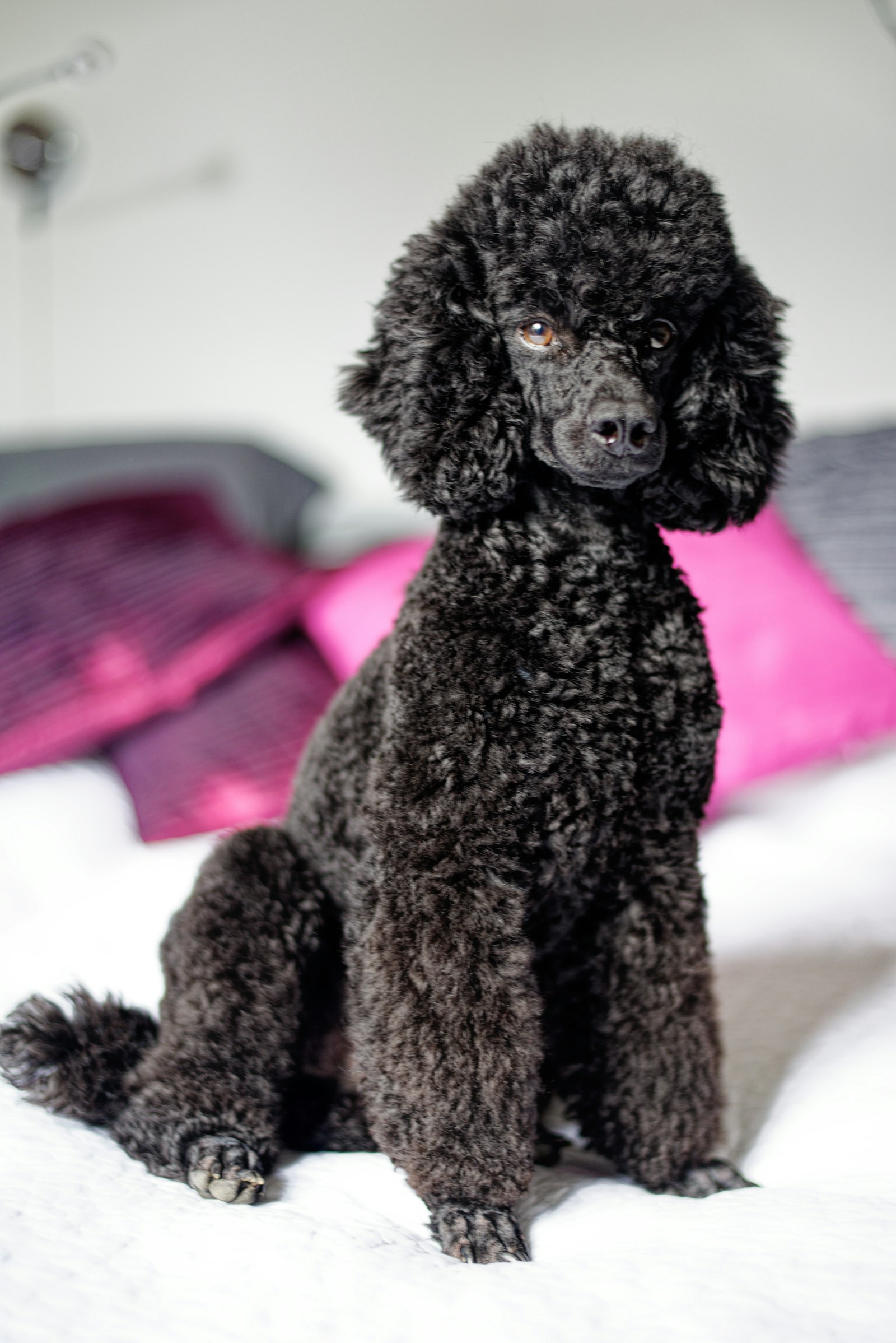
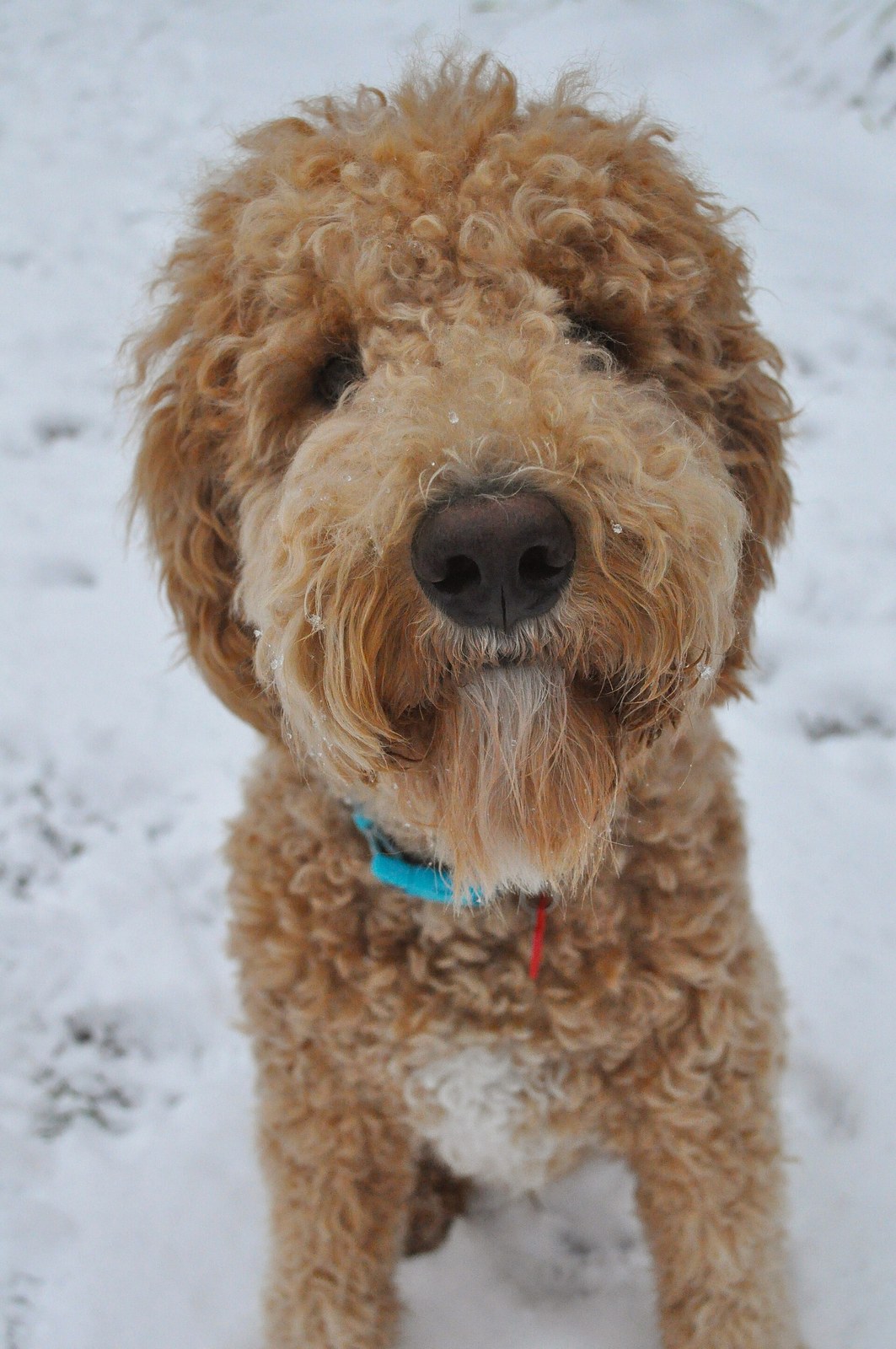
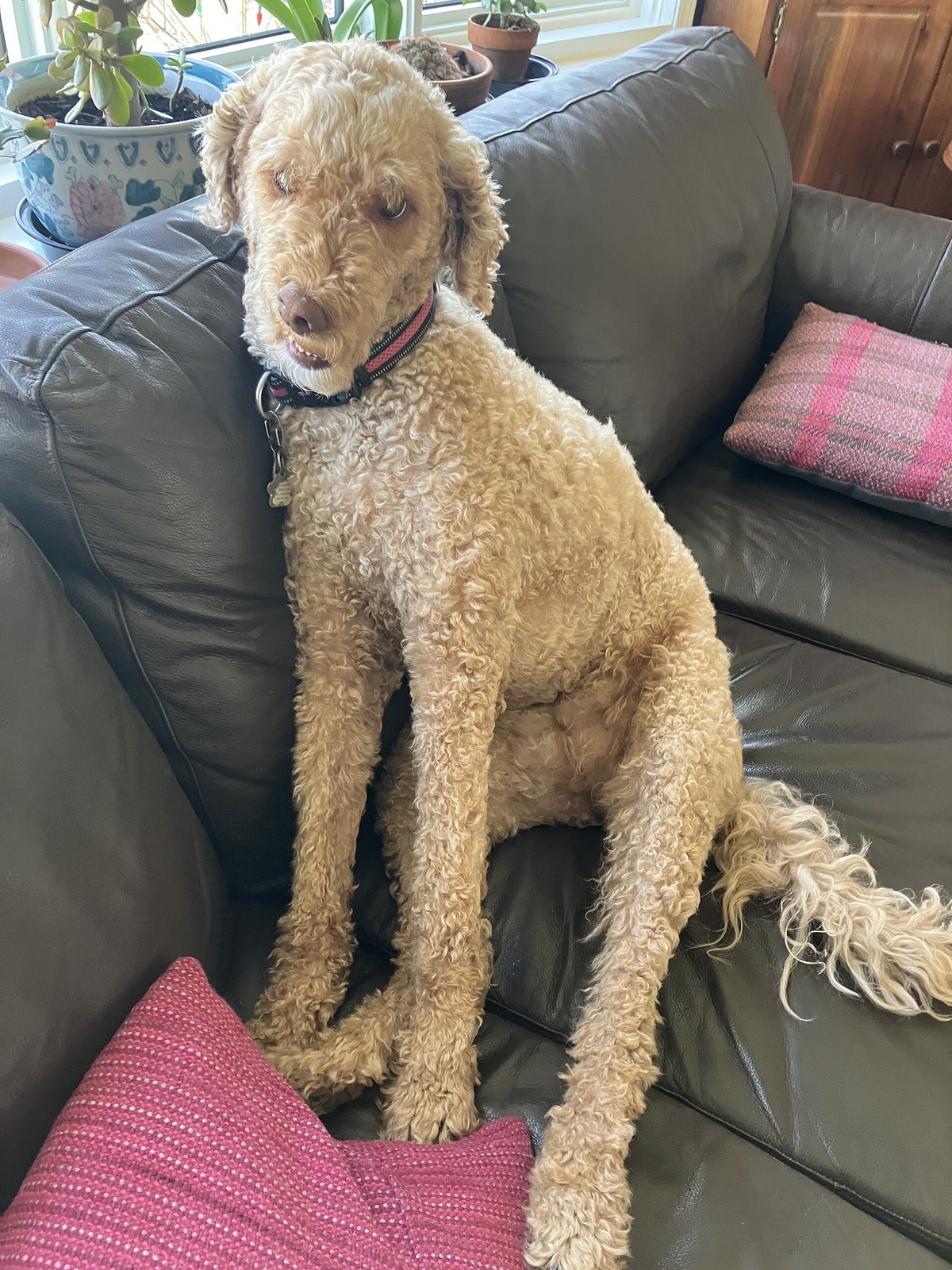
Goldendoodles can have straighter, wavier, or curlier coats, with differences in density, furnishings, color, and how much loose hair appears around the home. Puppy coats may change as adult hair develops. Neither curl nor a generation label reliably predicts shedding or allergen exposure. Dogs produce allergenic proteins associated with dander, saliva, and other secretions; keeping hair off the sofa does not make a dog allergy-free. A person with allergies should seek medical advice rather than treat a seller's coat description as a health assurance. No haircut, parent combination, or DNA coat result establishes that a particular household will tolerate a dog without symptoms.
Adult size also varies substantially with the parental lines. This site's single Large category represents larger examples, not every Goldendoodle. PetMD describes standard-sized dogs around 50–90 pounds and 20–24 inches, but these are broad descriptive figures, not official male and female standards or a target weight for your pet. Smaller crosses should not be fed toward those numbers. A veterinarian should assess body condition beneath the coat, muscle, and growth trajectory. Dense hair can hide both excess weight and weight loss. It can also conceal mats close to the skin even when the surface looks fluffy. Part the coat for gentle base-to-tip brushing and check with a comb; painful or tight matting needs professional attention rather than forceful detangling or scissors.
Photo credits: lyrandian (CC BY 2.0), Chris Rue (CC BY-SA 4.0), Gogerr (CC BY-SA 4.0), Gullpavon (CC BY-SA 4.0). Images resized and compressed for web display. Each image retains its linked license.
Living with a Goldendoodle means budgeting for the individual rather than buying into a low-maintenance image. Arrange daily walks and enrichment appropriate to age, size, health, and fitness, plus quiet sleep and opportunities to choose distance from activity. Puppies need self-paced play and a veterinarian-guided growth plan, not compulsory distance running. A large adolescent may outgrow equipment and overwhelm a small child without intending harm, while a smaller dog needs protection from rough play. Space management matters more than a house label: an apartment can work with suitable access and care, and a garden cannot replace companionship, training, or varied exploration.
Expect regular home coat checks and professional grooming at an interval suited to coat length and matting risk. If you cannot maintain a long coat comfortably down to the skin, a shorter professional clip is a welfare choice, not a failure. Choose complete food for the correct life stage; puppies expected to become large need an appropriate large-breed growth formulation, while smaller puppies may need a different plan. Obtain veterinary advice on preventive care and review actual parent screening records before purchasing. Both families matter, and a DNA panel cannot replace all joint, eye, or cardiac examinations. Organize backup walking, grooming, and veterinary transport before work or travel disrupts your schedule. No dog should be expected to cope with prolonged distress simply because its type is advertised as adaptable.
At a Glance
Ownership Guide
Combine suitable walks, sniffing, play, and rest rather than imposing a fixed daily mileage. Adapt activity to age, adult size, fitness, weather, and health; growing puppies should not be pushed through repetitive impact or forced running.
Choose complete, balanced food for the correct life stage and projected adult size, using a large-breed growth formulation where appropriate. Measure portions and review body condition with your veterinarian rather than feeding toward a seller's size label or adding unprescribed mineral supplements.
Part the coat and gently brush to its base, then check with a comb; surface fluff can conceal skin-level matting. Arrange a humane professional clip for tight mats and seek veterinary help for pain or skin injury, never pulling them out or cutting underneath with scissors.
Reward calm greetings, comfortable handling, recall, and relaxed time on a mat in short sessions. Prevent rehearsals of unwanted behavior with barriers and suitable equipment rather than intimidation, painful collars, or physical corrections.
Offer gradual, positive exposure to people, sounds, surfaces, and carefully chosen dogs while allowing retreat. Discuss local infection risks with your veterinarian so early learning and disease protection are planned together.
Arrange individualized examinations, vaccination, parasite prevention, dental care, and reproductive advice. Review Golden Retriever and size-specific Poodle parent screening, remembering that normal results reduce uncertainty without guaranteeing unaffected offspring.
Wellness
Inherited susceptibility and growth-related factors can contribute to joint problems. Persistent limping, stiffness, or reluctance to rise needs veterinary assessment; parent imaging and appropriate growth nutrition do not eliminate all risk.
Kneecap screening is particularly relevant to Toy and Miniature Poodle ancestry. Skipping steps or holding up a leg warrants examination rather than assuming a harmless small-dog habit; ancestry alone cannot diagnose luxation.
Parent eye examinations and relevant PRA DNA tests answer different questions. Squinting, sudden redness, cloudiness, or apparent sight loss warrants prompt veterinary attention; a painful eye or sudden vision change needs urgent care.
Golden Retriever ancestry makes appropriate parent cardiac assessment important, including attention to subvalvular aortic stenosis. Poor exercise tolerance deserves investigation; collapse or breathing difficulty requires immediate emergency care.
Dense coats and trapped moisture can conceal irritation, while itching or ear odor has several possible causes. Seek assessment for sores, persistent scratching, head shaking, or pain, and avoid assuming that every itchy dog has a food allergy.
Larger, deep-chested individuals may be at risk of this life-threatening emergency. Unproductive retching, a swollen or painful abdomen, marked restlessness, weakness, or collapse requires immediate emergency veterinary care, not home treatment.
Verify parent identities and the joint, eye, heart, and lineage-specific results relevant to both families. Mixed ancestry, a normal examination, or a clear DNA panel is not a health guarantee; records and regular care help identify change sooner.
Further Reading
Build a Goldendoodle care routine around your dog's size, coat, age, and confidence, with practical home setup, activity, grooming, and veterinary planning.
Read articleChoose Goldendoodle food by life stage and expected adult size, then manage portions, treats, body condition, and diet changes without feeding guesswork.
Read articleUnderstand Goldendoodle health screening for both parental lines, common warning signs, and urgent symptoms without mistaking mixed ancestry for protection.
Read articleTeach your Goldendoodle calm greetings, recall, grooming cooperation, and comfortable alone time through reward-based practice matched to the individual.
Read articleLearn Goldendoodle coat care beyond surface brushing, including skin-level checks, humane mat removal, bathing, ear care, and a practical grooming routine.
Read articleConsider daily life with a Goldendoodle, from size and allergy uncertainty to children, other pets, work schedules, grooming costs, travel, and senior care.
Read articleYou May Also Like