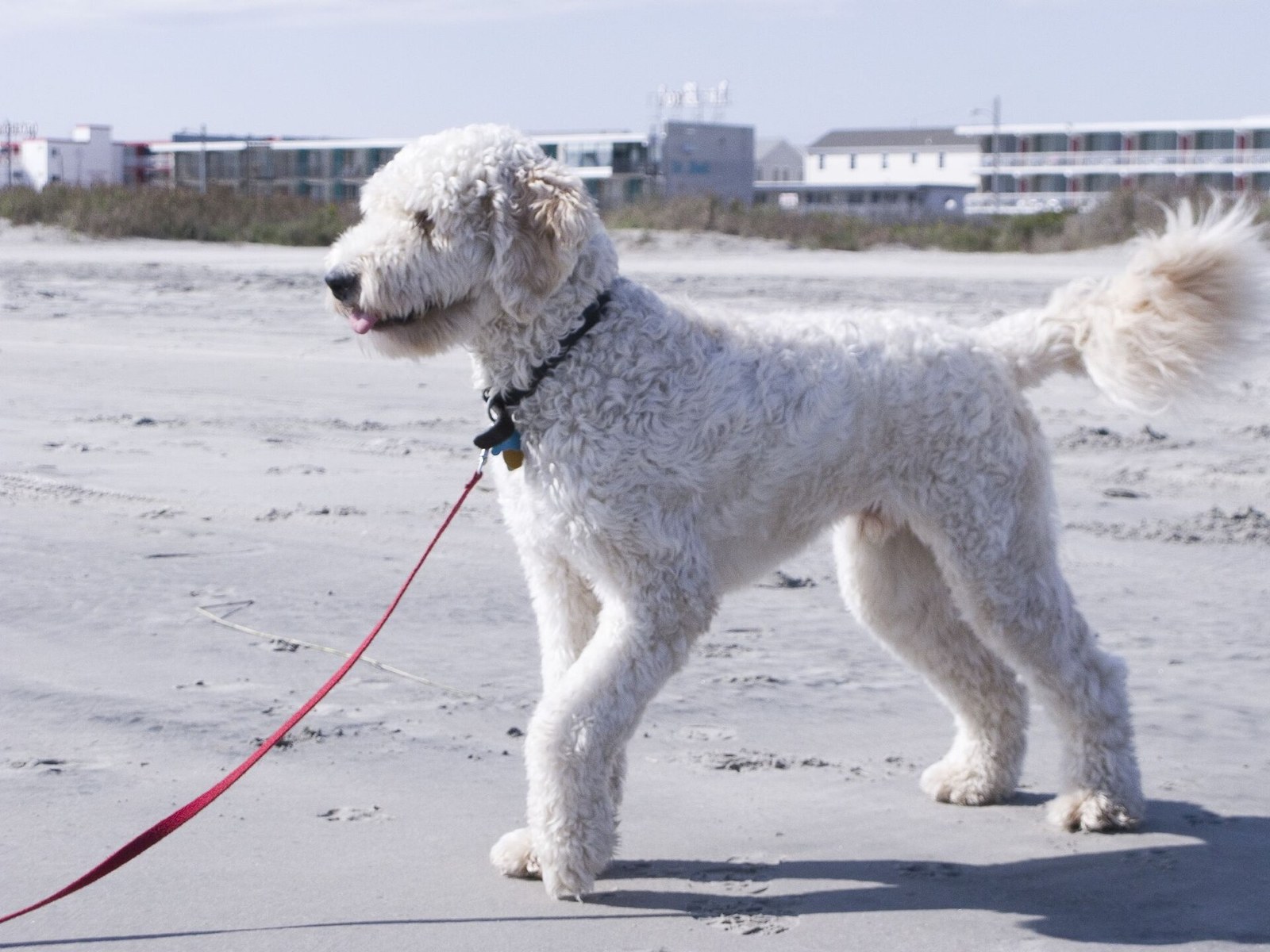
A Goldendoodle care plan should start with a dog, not a marketing description. Golden Retriever–Poodle crosses vary in adult size, coat, confidence, and energy, including within the same litter. They are not a standardized pure breed, and being mixed does not guarantee better health. The most useful preparation is a workable household routine with room to change as you learn what this individual needs.
Start with records and a realistic home setup
Before arrival, obtain the current food details, veterinary history, identification records, and observations about handling and time alone. For a purchased puppy, ask for actual health results from both parental lines, not simply a statement that the parents were vet checked. A rescue may have limited ancestry information; in that situation, prioritize the dog's examination, observed behavior, and known history without inventing missing details. Book an initial veterinary appointment and identify an after-hours service.
Prepare a quiet sleeping area, washable bedding, water, and barriers that prevent access to hazards. Choose a harness and transport restraint for the dog's present fit, checking frequently during growth. Keep medicines, food waste, socks, and chewable household objects inaccessible. A crate can become an optional safe resting place through gradual positive introduction, but it should not be used to contain prolonged panic. Ensure the dog can rest away from visitors and active children.
Make the first days predictable rather than busy
A newly arrived dog does not need a tour of every local cafe and a queue of visitors. Keep introductions calm and give time to explore a manageable area. Offer regular toilet opportunities after waking, eating, and play, rewarding outdoor success immediately. Supervise indoors and clean accidents without punishment. A puppy still developing control needs access and patience; an adult with sudden accidents may need a medical assessment.
Use the previous diet initially unless your veterinarian advises otherwise, and watch actual eating and drinking. Note sleep, stools, movement, and the situations in which the dog relaxes. Introduce brief grooming touches and small moments of separation without pushing through distress. Predictability helps you distinguish adjustment from illness. A quiet dog that becomes progressively weaker or stops eating should not simply be given more settling-in time. Share your observations with the clinic so changes can be assessed in context.
Balance movement, enrichment, and recovery
Many Goldendoodles enjoy active companionship, but one exercise prescription cannot serve every size and life stage. Combine walks at a suitable pace with sniffing, gentle play, and opportunities to rest. Increase demands gradually in a healthy adult rather than jumping from short outings to a long weekend hike. Watch how the dog moves afterward and the following morning. Stiffness or reluctance to rise is information, not evidence that more exercise is required.
Growing puppies benefit from self-paced movement on safe surfaces and should not be pushed through repetitive jumping or forced distance running. Ask your veterinarian about developing joints and suitable activities. On hot days, change timing, route, and intensity; never rely on enthusiasm as proof of heat tolerance. Food searches, easy training, and supervised problem-solving can provide engagement when outdoor activity is limited. A garden is useful space, but it does not replace interaction or varied exploration.
Treat coat care as a daily observation habit
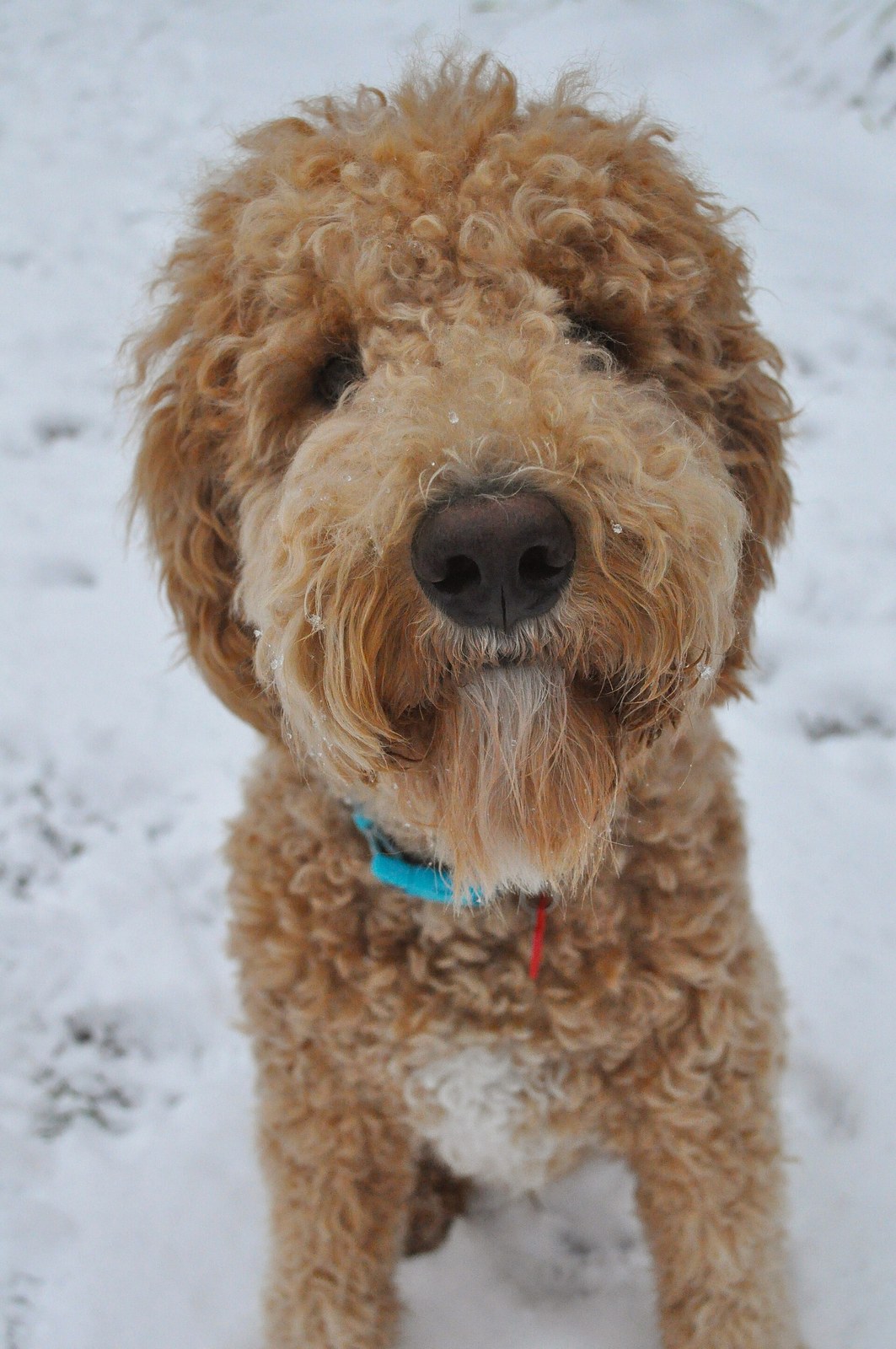
Goldendoodle coats can be straighter, wavy, or curly, and maintenance changes with length and density. Check the coat regularly rather than waiting until a grooming appointment. Part the hair and brush gently from its base outward in small sections, then use a comb to check that it is clear. Brushing only the fluffy surface can leave tight mats against the skin, especially around friction areas such as harness straps and behind the ears.
If the comb stops at a firm knot, do not pull harder. A painful or skin-tight mat needs a qualified groomer and sometimes a veterinarian. A shorter professional clip is often kinder than preserving a long coat through distressing dematting. Avoid scissors beneath mats, where skin may be pulled into the knot. Check nails, visible ears, and the mouth gradually with rewards. Redness, sores, odor, or new resistance to touch deserves investigation, not perfume or leftover medication.
Build a feeding and preventive-care plan
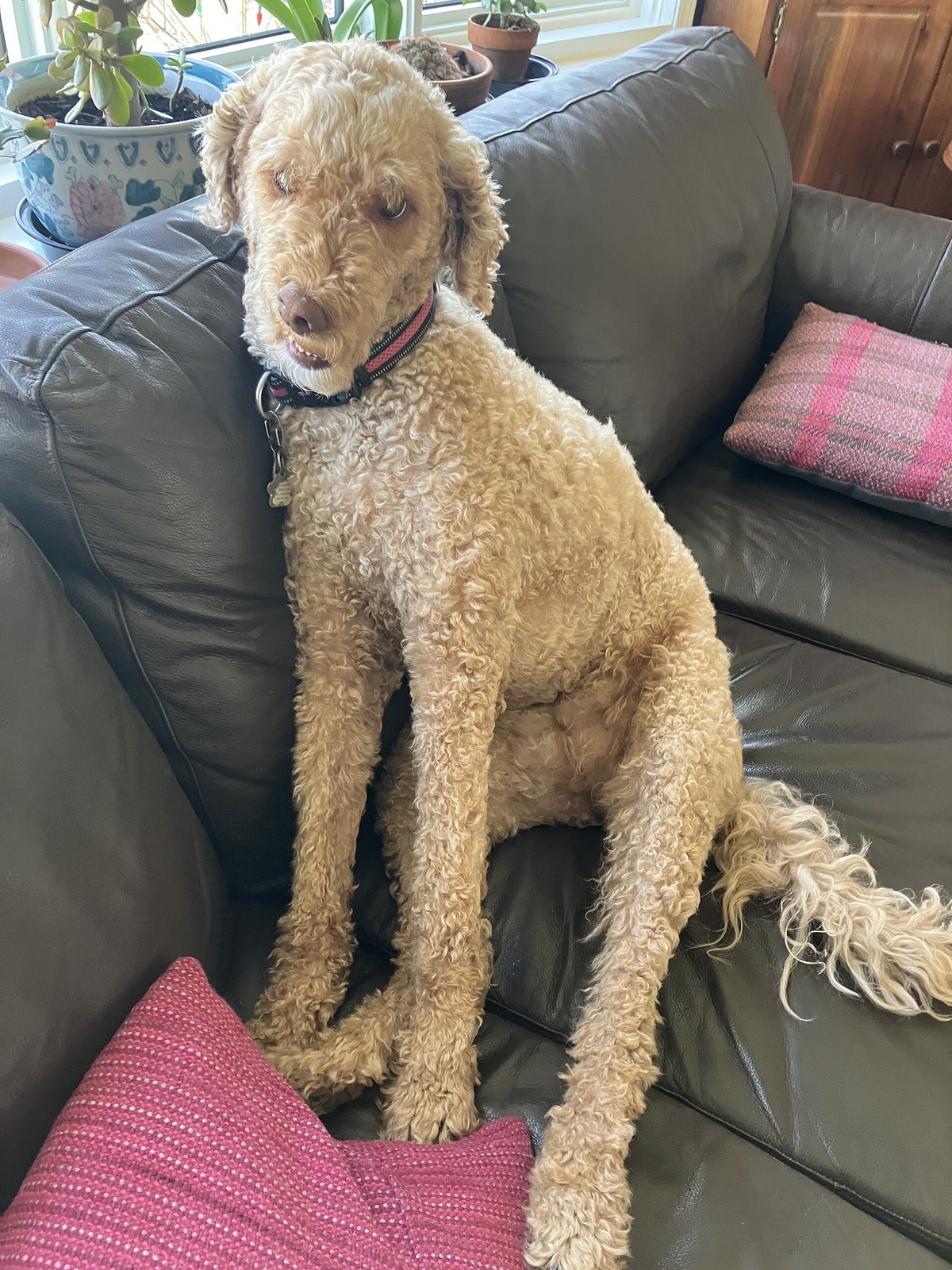
Select complete, balanced food suited to life stage and expected adult size. A puppy likely to become large needs appropriate large-breed growth nutrition; a smaller cross should not automatically receive the same plan. Measure portions and track body condition beneath the coat with veterinary help. A commercial size name is not a target weight, and thick hair can hide either excess body fat or weight loss. Keep fresh water available and include training rewards in the day's intake.
Discuss vaccinations, parasite protection, reproductive decisions, and dental care in light of local risks and the dog's records. Avoid copying a rigid schedule from another country. Parent screening reduces some uncertainty but does not eliminate disease, and DNA testing cannot substitute for every physical assessment. Ask the clinic which changes warrant routine review and which require urgent contact. Keep medication instructions and emergency details where every caregiver can find them.
Make the routine survive ordinary interruptions
Care works best when responsibilities are explicit. One person may walk the dog while another feeds, but both need to know what has actually happened. A simple handover avoids duplicate meals, missed medication, or everyone assuming that someone else checked a sore ear. Before a busy week, confirm backup care rather than hoping the dog will tolerate an abrupt change.
- Record food amounts and any prescribed treatment instructions.
- Arrange someone who can provide suitable toilet breaks and company.
- Keep grooming appointments and home brushing responsibilities visible.
- Check barriers and identification before visitors or deliveries arrive.
- Leave the veterinarian's contact and transport plan with caregivers.
Review the plan as the dog grows, ages, or changes health. Good care is not achieving a fixed checklist perfectly; it is noticing when the current arrangement no longer fits and making a practical adjustment.
Continue reading: Feeding a Goldendoodle: Growth, Portions, and Food Choices.
Sources and further reading:
- PetMD: Goldendoodle
- Golden Retriever Club of America: Health Screenings for the Parents of a Litter
- Poodle Club of America: Poodle Information Online
- PetMD: Pet Grooming—How to Handle Matting in Dogs and Cats
- PetMD: What Are the Benefits of Large Breed Dog Food?
Photo credits: lyrandian (CC BY 2.0), Chris Rue (CC BY-SA 4.0), Gogerr (CC BY-SA 4.0). Images resized and compressed for web display. Each image retains its linked license.


