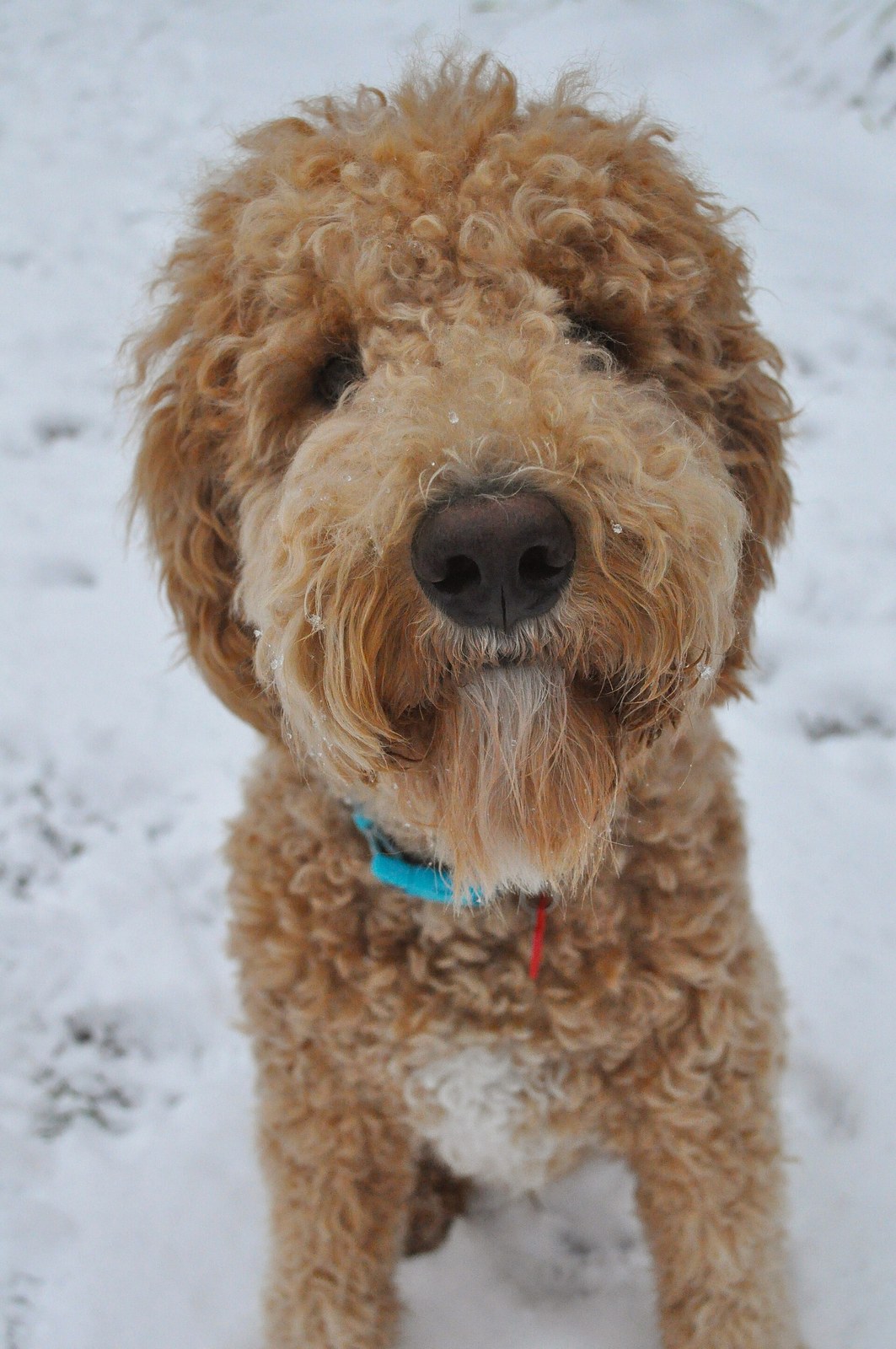
Feeding a Goldendoodle is a size-and-life-stage decision, not a search for one perfect doodle recipe. A small adult and a large growing puppy may share the same crossbreed label while needing very different energy intake and growth nutrition. Start with a complete diet, a realistic estimate of adult size, and regular assessment of the dog beneath the coat. Then adjust using evidence from your own pet rather than another owner's bowl.
Choose for life stage and projected adult size
Check that the food is complete and balanced for the appropriate life stage rather than intended only for occasional or supplemental feeding. In the United States, the nutritional adequacy statement provides information that the front-of-bag marketing may not. Puppy growth needs are different from adult maintenance. A product's attractive ingredient list or photograph of a similar-looking dog does not establish suitability. Ask the manufacturer or your veterinarian when the label is unclear.
For a puppy likely to grow large, select a formulation specifically suitable for large-breed growth. These diets control energy and mineral balance to support development rather than maximize growth speed. Smaller Goldendoodles may need a different puppy formulation and a meal pattern suited to their size. Parent measurements can inform the estimate, but advertised mini or standard labels are not a universal sizing system. Review the plan against the puppy's actual growth instead of treating an early prediction as certain.
Support steady growth without chasing a weight chart
Healthy growth is not the fastest possible growth. Overfeeding does not improve a puppy's eventual build and can add avoidable stress to developing joints. Ask the veterinary team to show you how to assess ribs, waist, and abdominal outline through the coat. Puppies also need adequate nutrients and energy, so do not impose a harsh restriction because a generic chart predicts a smaller adult. Use serial weights and professional body-condition assessment together.
Do not add calcium, bone meal, or general vitamin-mineral supplements to a complete growth diet without veterinary direction. More is not automatically better, and unbalanced additions can undermine the formulation. Keep activity appropriate to development as well; food cannot compensate for repeated forced impact or an untreated joint problem. The timing of transition to adult food depends on size and maturation, so avoid switching every Goldendoodle on the same birthday. Discuss the change at a growth review rather than guessing from how adult the coat looks.
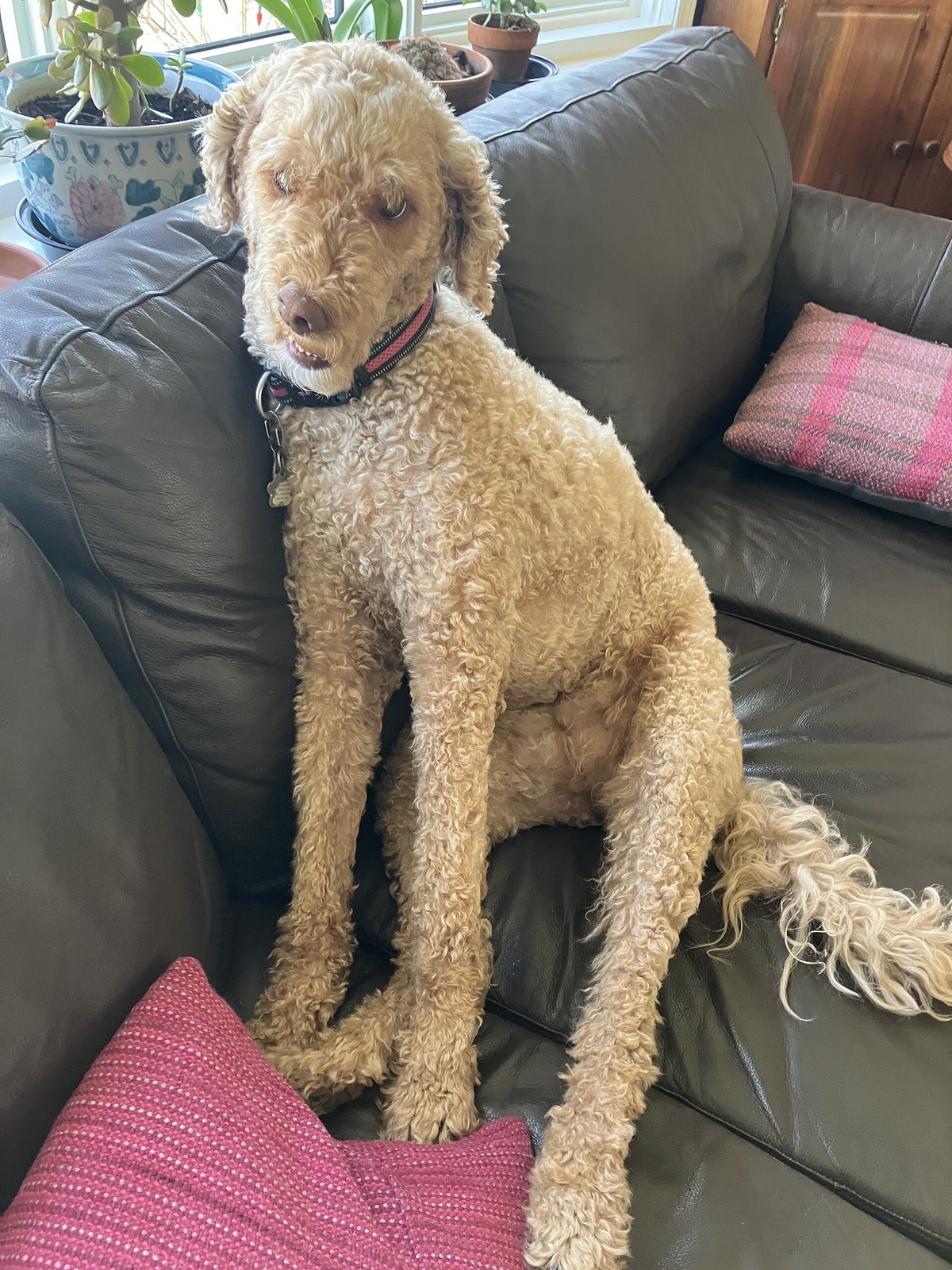
Turn portion estimates into a monitored routine
The feeding guide on the package is a starting estimate, not an individualized prescription. Energy density varies between products, and the same volume can provide very different calories. Measure the daily allowance consistently, using weight where practical, and divide it into meals appropriate to the dog's age and health. Young puppies commonly need more frequent opportunities than adults; your veterinarian can help establish a safe schedule, particularly for a very small youngster.
Review portions when exercise, neuter status, illness, or body condition changes. Do not wait for the dog to become obviously round through a dense coat. Keep feeding stations separate if another animal steals food, and observe who actually finishes each meal. A shared empty bowl cannot prove that both dogs ate. If using a puzzle feeder, choose one the dog can use comfortably, supervise initially, and clean it well. Enrichment should not turn an adequate meal into an exhausting obstacle course.
Keep treats and diet changes from obscuring the picture
Treats should remain a small part of intake rather than replacing balanced meals. Tiny rewards often work just as well as large pieces, especially during repeated training. Tell every caregiver what is permitted and account for chews, table scraps, and foods used to give medication. If weight is increasing unexpectedly, record all extras before assuming the main food is unsuitable. Maintain free access to fresh drinking water unless a clinician gives a specific medical instruction.
Change suitable foods gradually while observing appetite and stool quality, unless a veterinarian directs a different transition. Repeatedly replacing the entire diet in response to one soft stool makes the cause harder to identify. Keep the product name, batch details, and a record of when changes began. A dog that approaches food but struggles to chew may have oral pain rather than a preference problem. Significant appetite changes need assessment rather than endless new toppers.

Evaluate special diets by evidence, not coat claims
There is no universal Goldendoodle food that prevents allergies, guarantees a particular coat, or cancels inherited disease. Human pet allergies and a dog's food allergy are separate problems: changing the dog's protein does not establish that an allergic person can safely live with it. Likewise, itchy skin can reflect parasites, environmental triggers, infection, or other causes. When food allergy is suspected, a veterinarian-led elimination trial needs strict control of all foods and treats to be interpretable.
Home-prepared diets require formulation by a qualified veterinary nutrition professional; a mixture of meat, rice, vegetables, and supplements is not automatically complete. Raw feeding introduces foodborne infection risks for the dog and household and is not necessary to honor mixed ancestry. Before choosing an unfamiliar diet, ask practical questions:
- Is it complete for this life stage and expected adult size?
- Who formulates it, and what nutrition qualifications do they hold?
- What quality-control and feeding information can the manufacturer provide?
- Can the plan be maintained safely by every caregiver?
Recognize when feeding trouble is medical
Persistent vomiting, diarrhea, weight loss, increased thirst, or repeated meal refusal deserves veterinary contact. The urgency rises with weakness, blood, abdominal pain, or a very young puppy that is not eating normally. Tell the clinic about possible access to rubbish, socks, toys, or toxic foods. Do not assume that a dog passing some stool cannot have swallowed a dangerous object.
For non-emergency reviews, bring the actual food label and a realistic intake log, not only the brand name. Mention all supplements and rewards. A useful feeding plan stays responsive as the dog grows and ages: consistent measurement, appropriate formulation, and early attention to change are more dependable than a fashionable ingredient promise.
Continue reading: Goldendoodle Health: Parent Screening and Warning Signs.
Sources and further reading:
- PetMD: Goldendoodle
- Golden Retriever Club of America: Health Screenings for the Parents of a Litter
- Poodle Club of America: Poodle Information Online
- PetMD: Pet Grooming—How to Handle Matting in Dogs and Cats
- PetMD: What Are the Benefits of Large Breed Dog Food?
Photo credits: Chris Rue (CC BY-SA 4.0), Gogerr (CC BY-SA 4.0), Gullpavon (CC BY-SA 4.0). Images resized and compressed for web display. Each image retains its linked license.


