Living With a Poodle: Daily Life & Companionship
What it's really like to share your life with a Poodle. Daily routines, family dynamics, and the joy of living with this remarkable breed.
Read article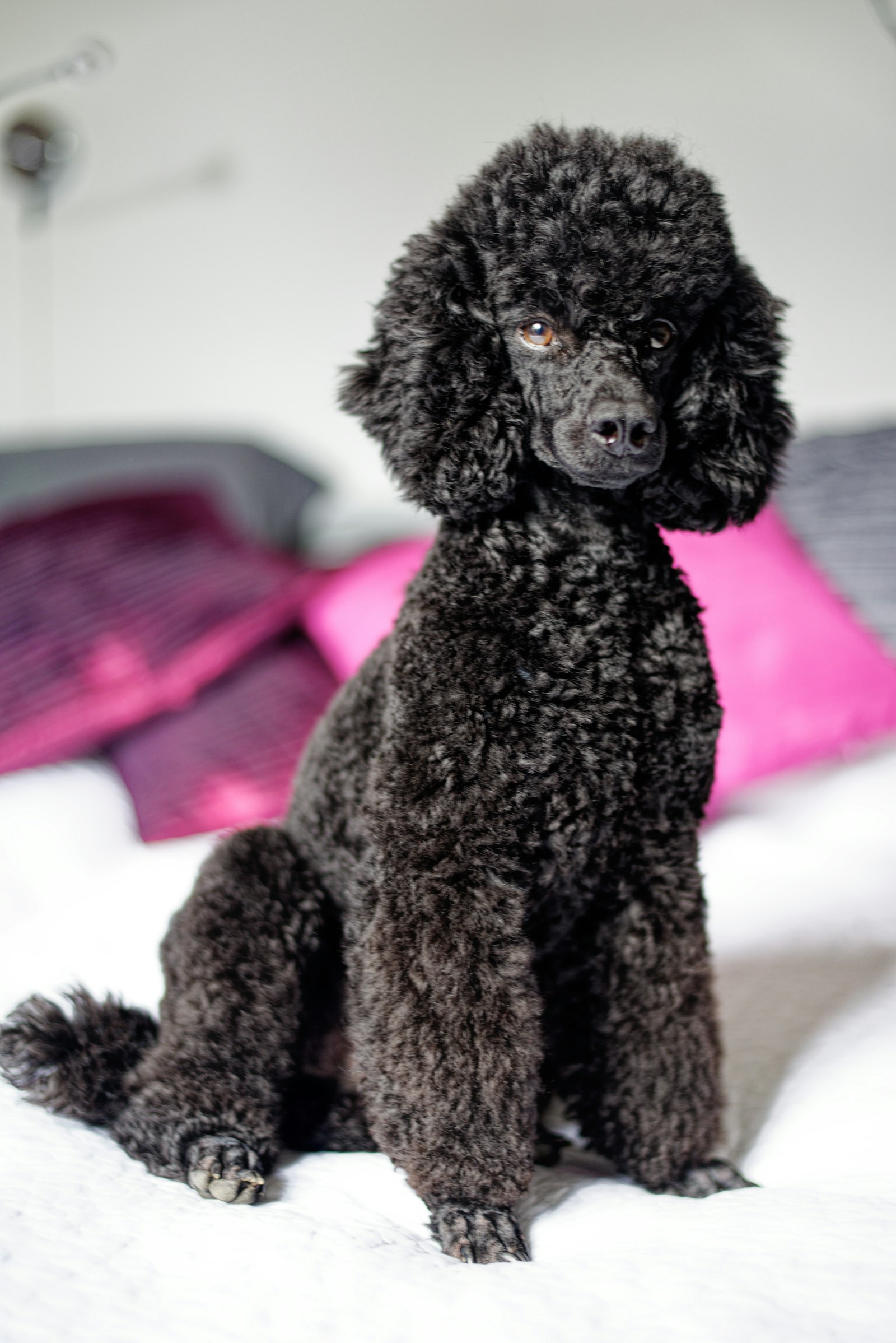


Canis lupus familiaris
Brilliance meets beauty — the world's most versatile and hypoallergenic companion
Deep Dive
Despite their association with France, Poodles actually originated in Germany as water retrievers. The breed name comes from the German word "Pudel," meaning "to splash in water." They were bred to retrieve waterfowl from lakes and rivers.
French nobility adopted the Poodle as a companion dog, and it became the national dog of France. The elaborate haircuts we associate with Poodles today were originally functional — designed to protect joints and vital organs from cold water while reducing drag.
The American Kennel Club recognized the Poodle in 1887. Today, Poodles excel in obedience, agility, hunting, and as service dogs. Their intelligence and versatility make them one of the most capable breeds in the world.
Poodles are exceptionally intelligent — consistently ranked as the second smartest breed after Border Collies. They learn quickly, retain commands well, and thrive on mental challenges. A bored Poodle will find its own entertainment, often to the dismay of furniture owners.
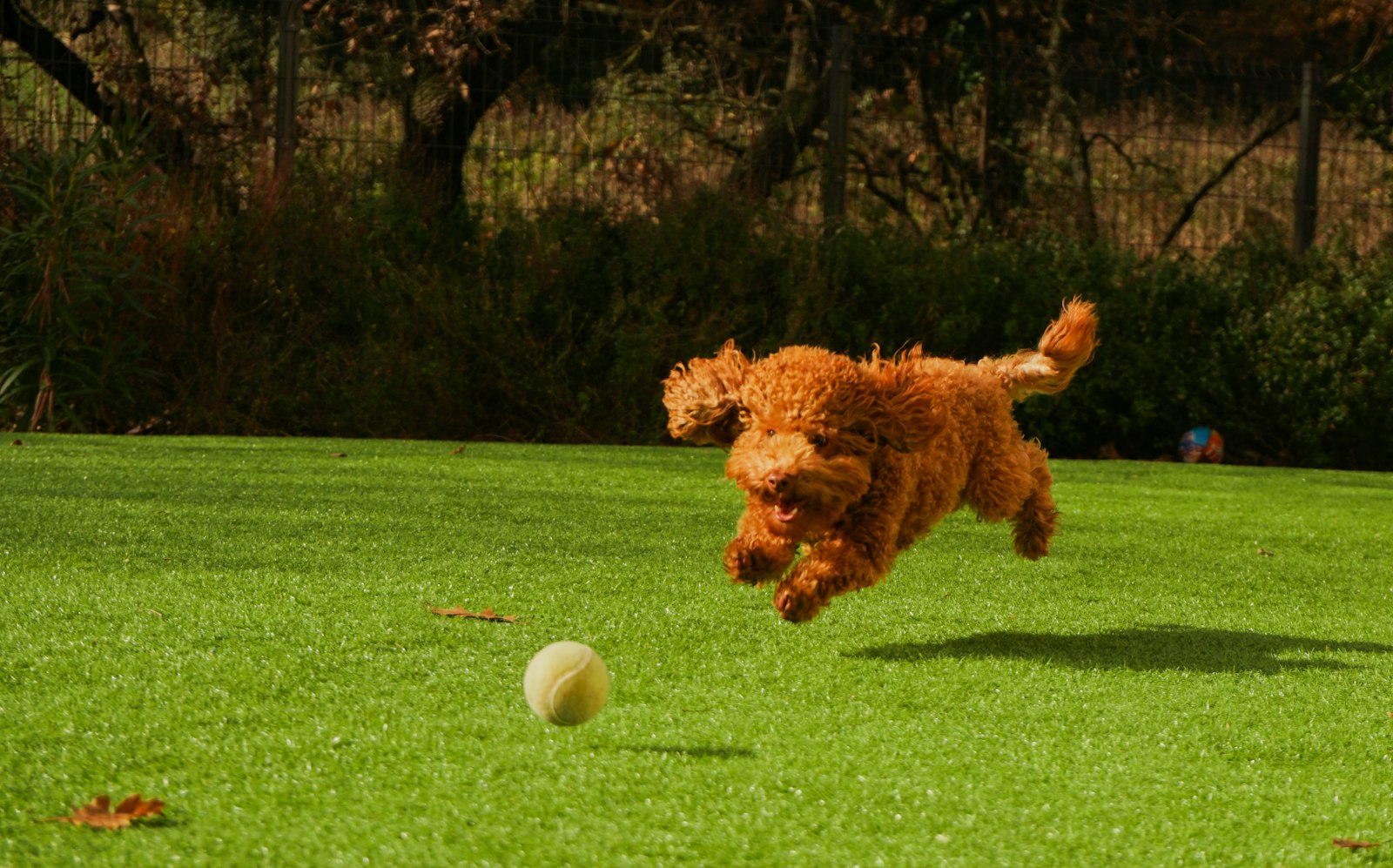
Despite their elegant appearance, Poodles are athletic and playful. They have a wonderful sense of humor and love to make their families laugh. Standard Poodles tend to be more dignified, while Miniature and Toy varieties can be more spirited.
Poodles are generally good with children and other pets when properly socialized. They form strong bonds with their families and can be sensitive to household tension. They prefer to be with their people and don't do well when left alone for long periods.
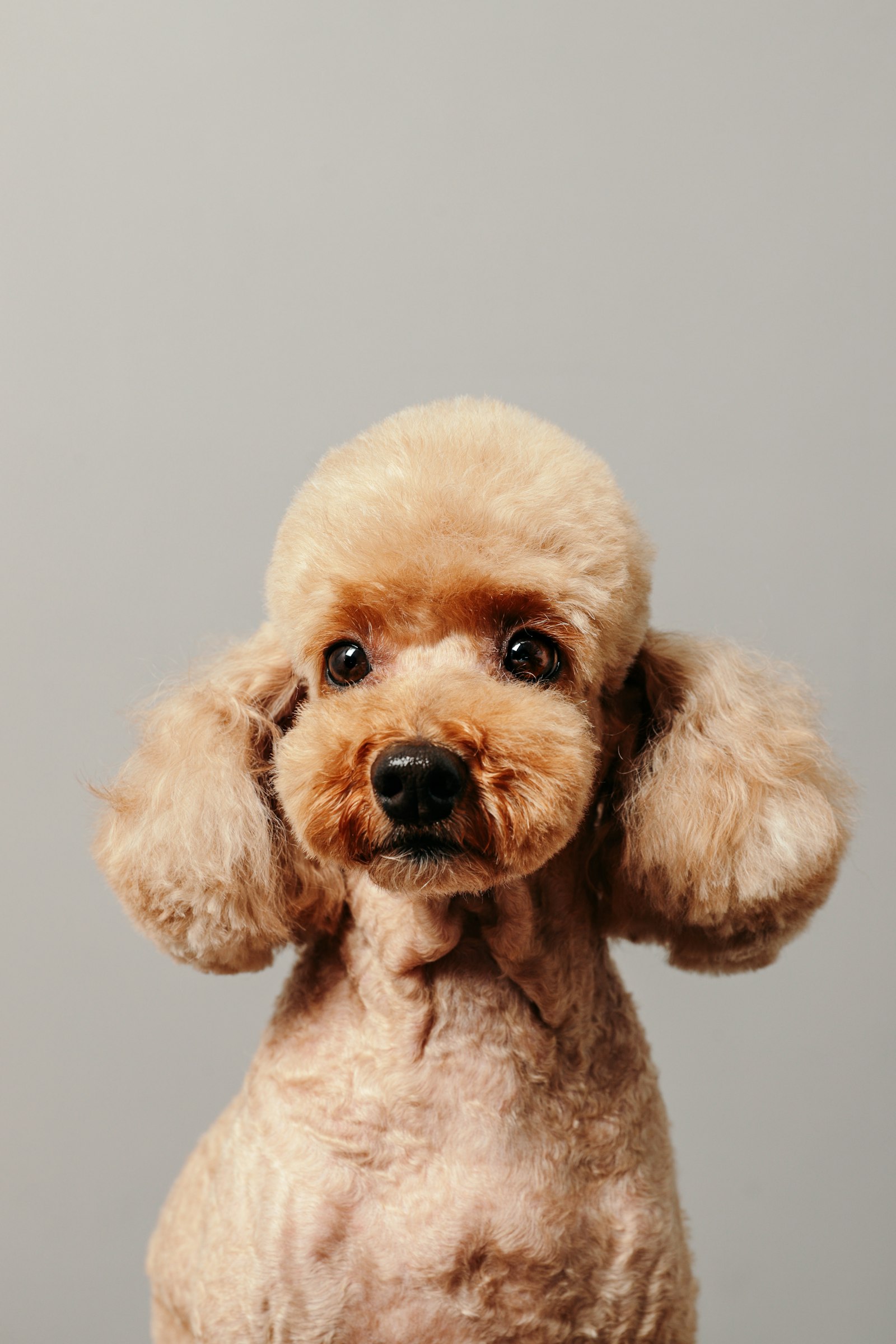
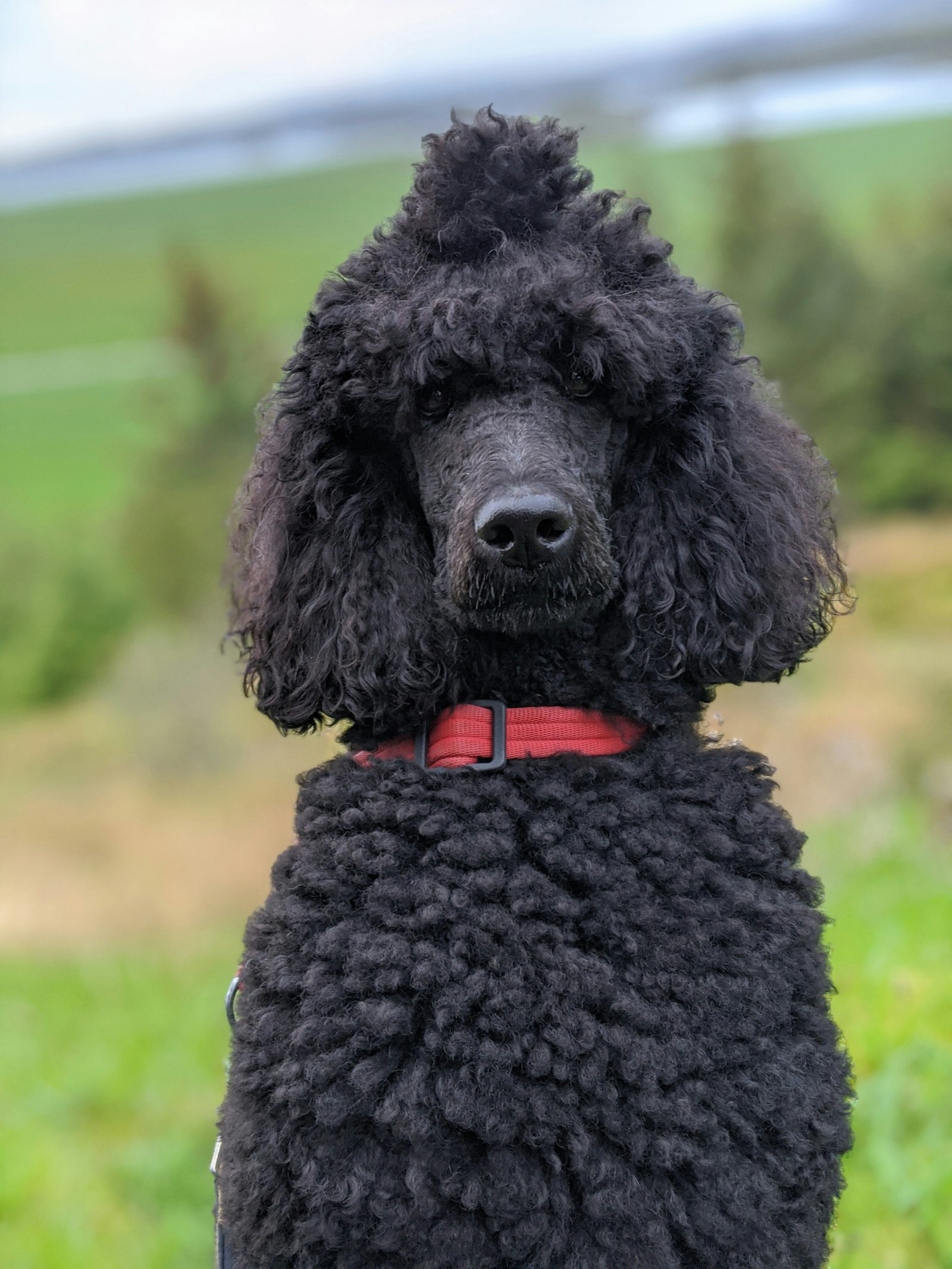
Poodles come in three sizes: Standard (over 15 inches), Miniature (10-15 inches), and Toy (under 10 inches). All three share the same elegant proportions and athletic build. They have a long, straight muzzle, dark oval eyes, and long, floppy ears.
Their most distinctive feature is their curly, hypoallergenic coat. Poodle hair grows continuously and sheds minimally, making them an excellent choice for allergy sufferers. The coat can be any solid color — black, white, apricot, red, silver, and more.
Poodles move with a distinctive springy gait that reflects their athletic heritage. They carry themselves with an air of dignity and pride that has made them favorites in the show ring for generations.
Photo credits: @lavicella (Unsplash License), @insungpandora (Unsplash License), @stevenvanelk (Unsplash License), @hansob (Unsplash License), @afrarpics (Unsplash License), @stibi (Unsplash License)
Poodles are adaptable dogs that can thrive in various living situations, from apartments (Toy/Miniature) to homes with yards (Standard). All sizes need daily mental and physical exercise.
Their coat requires professional grooming every 4-6 weeks and daily brushing at home to prevent matting. While grooming costs are significant, the low-shedding coat is worth it for allergy sufferers.
Poodles need at least 60 minutes of daily activity — walks, swimming, agility, or puzzle games. They excel at dog sports and enjoy having a job to do. A Poodle without stimulation becomes destructive and vocal.
At a Glance
Ownership Guide
Poodles need 60+ minutes of daily activity. They excel at swimming, agility, and retrieving games. Mental exercise through puzzle toys is equally important.
Feed high-quality food appropriate for size variety. Standard Poodles need 2-3 cups daily. Monitor weight and adjust portions to maintain ideal body condition.
Professional grooming every 4-6 weeks is essential. Daily brushing prevents matting. Regular ear cleaning, nail trimming, and dental care are also critical.
Poodles learn remarkably quickly — both good and bad habits. Use positive reinforcement and keep training sessions challenging. They excel at obedience, tricks, and dog sports.
Early socialization is important. Expose puppies to various people, environments, and experiences. Well-socialized Poodles are confident and well-mannered adults.
Annual wellness exams recommended. Discuss breed-specific concerns including hip dysplasia, eye conditions, and bloat prevention with your veterinarian.
Wellness
Poodles are among the longer-lived breeds, especially Miniature and Toy varieties that can reach 15-18 years.
Their low-shedding coat produces less dander, making Poodles suitable for many allergy sufferers.
Standard Poodles can develop hip dysplasia. Maintain healthy weight and discuss screening with your vet.
Progressive retinal atrophy and cataracts can occur. Regular eye exams help detect issues early.
Deep-chested Standard Poodles are at risk for bloat. Feed multiple small meals and avoid exercise after eating.
Poodles can be prone to sebaceous adenitis and other skin conditions. Regular grooming helps spot issues early.
Further Reading
What it's really like to share your life with a Poodle. Daily routines, family dynamics, and the joy of living with this remarkable breed.
Read articleComplete Poodle grooming guide covering brushing techniques, clip styles, bathing, ear care, and professional grooming tips.
Read articleExpert training guide for Poodle owners. Leverage their exceptional intelligence for obedience, tricks, agility, and advanced commands.
Read articleComprehensive guide to Poodle health problems including hip dysplasia, eye conditions, bloat, and skin issues with prevention strategies.
Read articleLearn what to feed your Poodle for optimal health, coat quality, and longevity. Complete nutrition guide for all three Poodle sizes.
Read articleComplete care guide for Poodle owners covering grooming, exercise, nutrition, training, and health tips for all three size varieties.
Read articleYou May Also Like