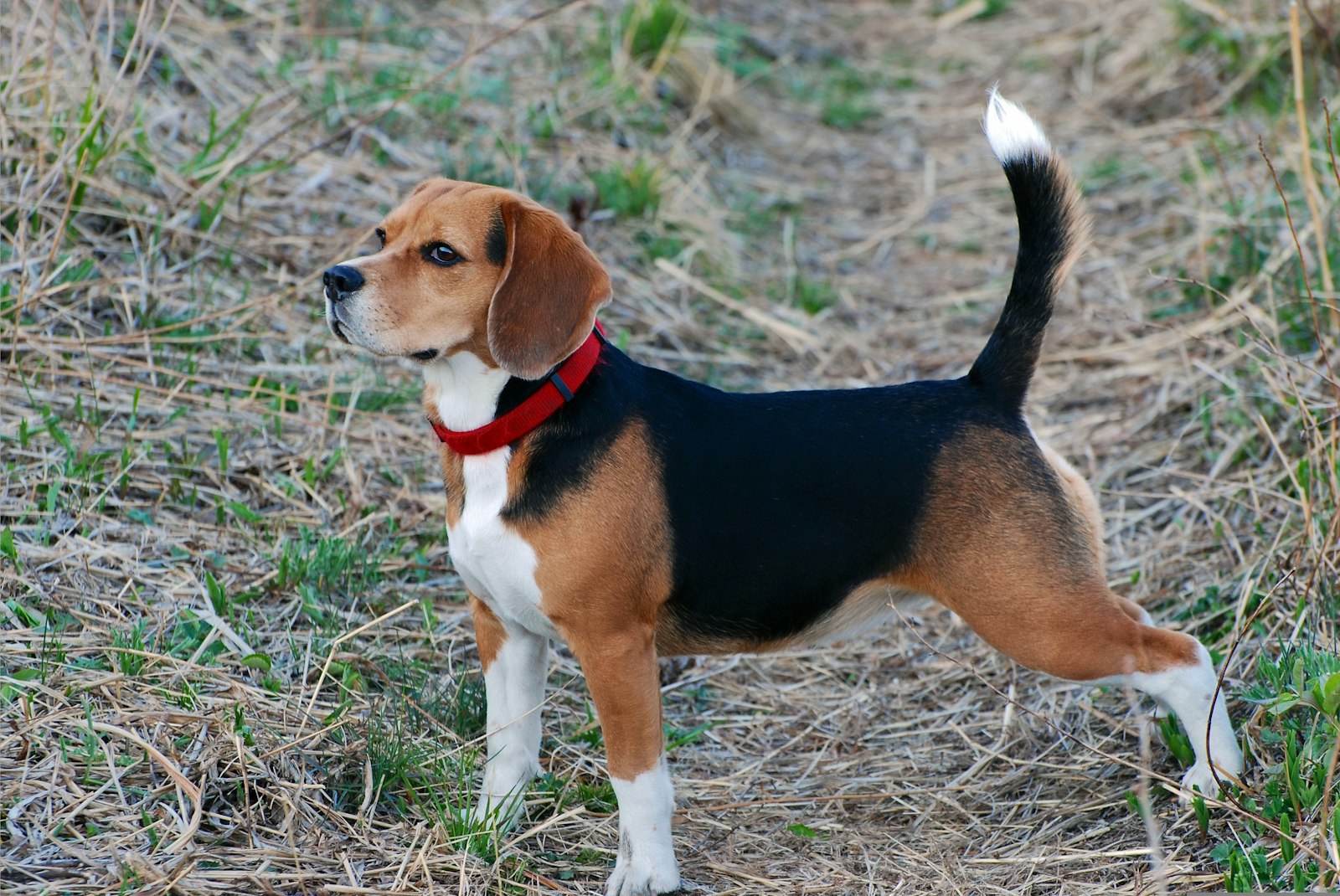
Cavalier King Charles Spaniel Care: A Kind, Practical Daily Routine
Cavalier King Charles Spaniel care means more than cuddles. Build a kind daily routine around sniffing walks, coat care, company and thoughtful health checks.
Read article


Canis lupus familiaris
A devoted little companion with a spaniel nose and a need for thoughtful, lifelong care.
Deep Dive
Small companion spaniels appear in European art and records centuries before today's breed names were established. They became closely associated with English royal households, including those of Charles I and Charles II, and their appeal was companionship rather than a job requiring great size. The Cavalier King Charles Spaniel carries that social heritage into modern homes, but it also retains spaniel curiosity. Enjoying a warm lap and following an interesting scent are not contradictory parts of its character.
Over time, fashions in toy spaniels favored shorter muzzles and more domed skulls. Enthusiasts later sought to preserve and develop a longer-muzzled, flatter-skulled type resembling older depictions. The name Cavalier helped distinguish that type, and separate Kennel Club recognition followed in 1945. The King Charles Spaniel remains a different breed, known as the English Toy Spaniel in the United States. It is typically smaller and shorter-faced than the Cavalier, so those names should not be treated as interchangeable nicknames.
Royal associations can make the Cavalier sound like an effortless decorative pet, but history is not a care plan. Today's prospective owners should look beyond ancestry, coat color and an appealing expression to consider companionship needs and inherited disease. Ask for identifiable, dated health results and an honest discussion of older relatives. Appropriate screening informs breeding choices and ongoing care, but no pedigree, registry or reassuring certificate can promise a dog will never develop mitral valve disease or another health problem.
Many Cavaliers are affectionate, sociable dogs who want to participate in whatever their people are doing. One may curl beside you during a quiet evening, then brighten immediately when a lead or training pouch appears. Their gentle reputation describes a tendency, not a promise about every individual. Early experiences, health, environment and personal preferences all shape behavior. The trait scores on this page are editorial comparisons rather than clinical measurements or guarantees of compatibility with children or other animals.
A Cavalier's spaniel nose deserves an outlet. Slow exploration, finding a toy and searching for a few pieces of the daily food allowance can be more satisfying than marching through the same route without stopping. Some will chase birds or wildlife, even if their recall seems excellent indoors. Reward voluntary check-ins and use a secure area or suitable long line where necessary. Friendly dogs also need permission to decline greetings, and they should not be passed between strangers simply because they look approachable.
Close attachment can make separation difficult for some Cavaliers. Build comfort with small, manageable absences rather than expecting a sociable dog to tolerate a full working day immediately. Pacing, panting, repeated vocalizing or inability to settle warrant a slower approach and professional support when persistent. Use reward-based teaching, protect uninterrupted rest and supervise children carefully. A sudden dislike of touch, walks or company can reflect pain or illness rather than stubbornness, so behavioral changes deserve attention as well as empathy.
The Cavalier King Charles Spaniel is a small dog with a soft expression, long pendant ears and a silky coat. Typical adults stand around 12-13 inches at the shoulder and weigh about 13-18 pounds, or 5.9-8.2 kilograms. Those figures describe a breed range, not a target every individual must meet. Frame size and body condition matter more than fitting an arbitrary number, and extra coat can hide weight gain unless you also feel gently for the ribs.
Four familiar coat patterns are Blenheim, tricolor, ruby, and black and tan. Blenheim combines chestnut markings with white, while tricolor adds tan points to a black-and-white pattern. Ruby is rich red, and black and tan has a dark base with tan markings. Feathering develops on the ears, legs, chest and tail, creating much of the breed's flowing outline. It also collects grass seeds, small twigs and tangles. Check these areas after walks instead of assuming a glossy top layer means the coat is comfortable underneath.
Compared with the King Charles Spaniel, called the English Toy Spaniel in the United States, the Cavalier generally has a longer muzzle and a less domed skull. Neither an attractive face nor a particular coat color demonstrates good health. Large expressive eyes need observation for redness, squinting or discharge, while long ears need regular checks for odor and irritation. The coat sheds and requires routine brushing. Choosing this breed means accepting loose hair and hands-on maintenance, not expecting a grooming-free companion.
A Cavalier can fit a small home when the daily routine includes companionship, outdoor exploration and comfortable rest. Floor area matters less than whether someone can meet those needs consistently. Many healthy adults enjoy roughly an hour of activity spread through the day, but puppies, older dogs and dogs with medical conditions need individual plans. Include sniffing and unhurried toilet opportunities rather than relying entirely on vigorous play. A garden is useful, but it does not replace walks or shared attention.
Prepare a quiet bed, nonslip routes across smooth floors and a safe retreat where children cannot follow. Supervise all child-dog interactions and let the dog choose whether to approach. Introduce other pets gradually, with separate feeding and resting spaces. Spaniel curiosity may include chasing, so small animals need secure separation. If you work away from home, arrange suitable company before bringing a dog home, then teach alone-time skills in tiny steps. A second dog is not a dependable solution for separation distress.
Daily coat checks, measured meals, tooth brushing and observation of eyes and ears become easier when taught gently. Keep a record of weight, appetite, activity and any new signs, and discuss regular cardiac assessment with your veterinarian. Cavaliers have important inherited health risks, including mitral valve disease and conditions involving the skull and spinal cord. Routine care can improve comfort and help problems receive attention sooner, but it cannot guarantee prevention. Plan financially and practically for possible specialist visits as well as ordinary everyday care.
At a Glance
Ownership Guide
Many healthy adult Cavaliers enjoy around an hour of daily activity split into shorter outings, with ample time to sniff. Adjust for age, weather and veterinary advice, and use secure areas because wildlife can outweigh a practiced recall.
Choose a complete, balanced food appropriate to life stage, measure portions and review body condition regularly. Keep treats within 10% of daily calories, counting training rewards and dental chews, and ask your veterinarian to individualize the allowance.
Check feathering daily and brush gently through the coat, paying attention behind the ears and where the harness rubs. Inspect eyes and ears regularly, brush teeth with dog toothpaste and stop handling if the dog shows pain or distress.
Use short reward-based sessions to teach recall, relaxed greetings and comfortable handling. Introduce alone time below the dog's distress threshold rather than leaving a worried Cavalier to cry until exhausted.
Offer calm, positive exposure to people, surfaces, sounds and suitable dogs while allowing your Cavalier to move away. Supervise children and protect rest areas, remembering that sociability varies and small pets may trigger chasing.
Discuss cardiac examinations, breed-related screening, dental care and individualized preventive healthcare with your veterinarian. Screening can detect concerns and guide decisions but does not prevent inherited mitral valve disease or promise lifelong health.
Wellness
Cavaliers are predisposed to degeneration of the heart's mitral valve, which may first be detected as a murmur before obvious illness. Regular assessment and appropriate imaging help guide monitoring, but screening is not prevention and cannot guarantee a disease-free future.
These related conditions can be associated with pain, touch sensitivity, unexplained yelping or scratching toward the neck without skin contact. Such signs have other possible causes and need veterinary assessment rather than a diagnosis made from appearance or an online video.
Dry eye, cataracts and other eye disorders can affect Cavaliers. Squinting, a closed eye, cloudiness or new discharge warrants prompt veterinary advice rather than cosmetic tear-stain treatment alone.
Long earflaps can conceal redness, debris or painful inflammation. Check regularly and seek advice for odor, head shaking, swelling or tenderness instead of using leftover drops or cleaning deep inside the canal.
A kneecap that slips out of position may cause skipping, intermittent limping or reluctance to move. Have recurrent changes in gait examined, even if your Cavalier resumes walking normally a few steps later.
Small extras can add substantially to a Cavalier's calorie intake, and feathering may conceal gradual weight gain. Measured meals, a shared treat budget and veterinary body-condition checks support comfortable movement without preventing inherited disease.
Appropriate vaccination, parasite control and daily dental care reduce specific avoidable health burdens. Regular appointments also provide opportunities to reassess comfort and detect changes, although even excellent care cannot guarantee freedom from illness.
Further Reading

Cavalier King Charles Spaniel care means more than cuddles. Build a kind daily routine around sniffing walks, coat care, company and thoughtful health checks.
Read article
Feed your Cavalier King Charles Spaniel with confidence using measured portions, balanced meals and a realistic treat budget that suits this food-loving dog.
Read article
Understand Cavalier King Charles Spaniel risks, what screening can tell you and which changes in breathing, comfort, eyes or movement need veterinary help.
Read article
Train your Cavalier King Charles Spaniel with rewards, useful recall games and gentle alone-time practice that respects both a sensitive nature and a busy nose.
Read article
Keep your Cavalier King Charles Spaniel comfortable with gentle coat care, careful ear checks and low-stress routines for feathering, paws, teeth and eyes.
Read article
Living with a Cavalier King Charles Spaniel brings close companionship and responsibilities. Plan for workdays, children, other pets and changing care needs.
Read articleYou May Also Like