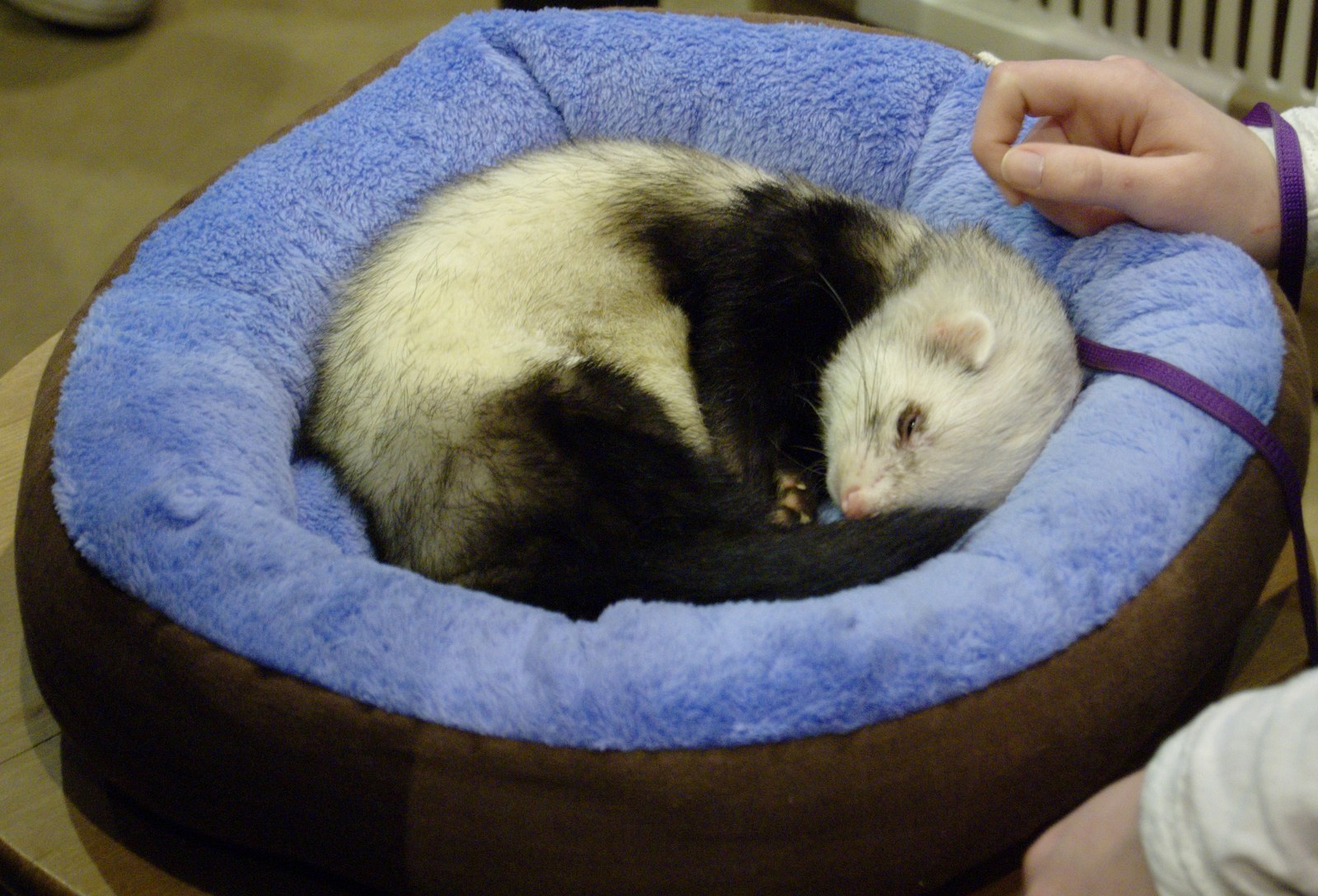
Ferret grooming is mostly a matter of small, regular checks rather than elaborate baths. A few minutes looking at the coat, feet, ears, and mouth can reveal problems that a quick cuddle misses. The goal is a comfortable animal and clean surroundings, not the removal of every trace of natural scent. Start with gentle handling and build cooperation before a nail snag or dirty coat makes care urgent.
Start with bedding and normal ferret scent
Ferrets have a characteristic musky odor. That does not automatically mean the animal is dirty or needs shampoo. Sleeping fabrics collect skin oils, litter corners collect waste, and hidden food can spoil inside a tunnel. Check these sources before deciding that the coat is the problem. Remove soiled material daily and wash bedding regularly with an appropriate unscented detergent, rinsing and drying it thoroughly before reuse.
Inspect hammocks, seams, and fleece for holes or loose loops that can trap nails. Replace damaged items rather than repeatedly trimming dangling threads from a failing fabric. Keep cleaning products away from animals and ventilate the room after use. Perfumes, deodorizing sprays, and essential oils do not solve the underlying issue and add unnecessary exposure. A sudden strong smell from an ear, mouth, wound, or rear end is different from normal musk and deserves an examination, particularly if the ferret also seems uncomfortable.
Brush loose coat and document unusual loss
Seasonal shedding can leave fur on clothing and bedding. Use a soft brush gently during calm waking periods, stopping if the skin becomes irritated or the ferret tries persistently to escape. Support the body rather than pinning it down to finish the whole coat. Several brief sessions may be easier than one long appointment. Inspect the skin as you go instead of concentrating only on how much hair the brush collects.
Progressive baldness is not automatically seasonal shedding. Note whether loss starts around the tail, spreads symmetrically, or accompanies itching, sores, or reproductive changes. Adrenal disease is one possible cause, but parasites and other skin problems also occur. Photographs taken in consistent light can help show progression to your veterinarian. Do not apply hair-growth products, oils, or supplements before the cause is known. A shiny replacement coat is not the only goal; the underlying condition may matter far more than appearance.
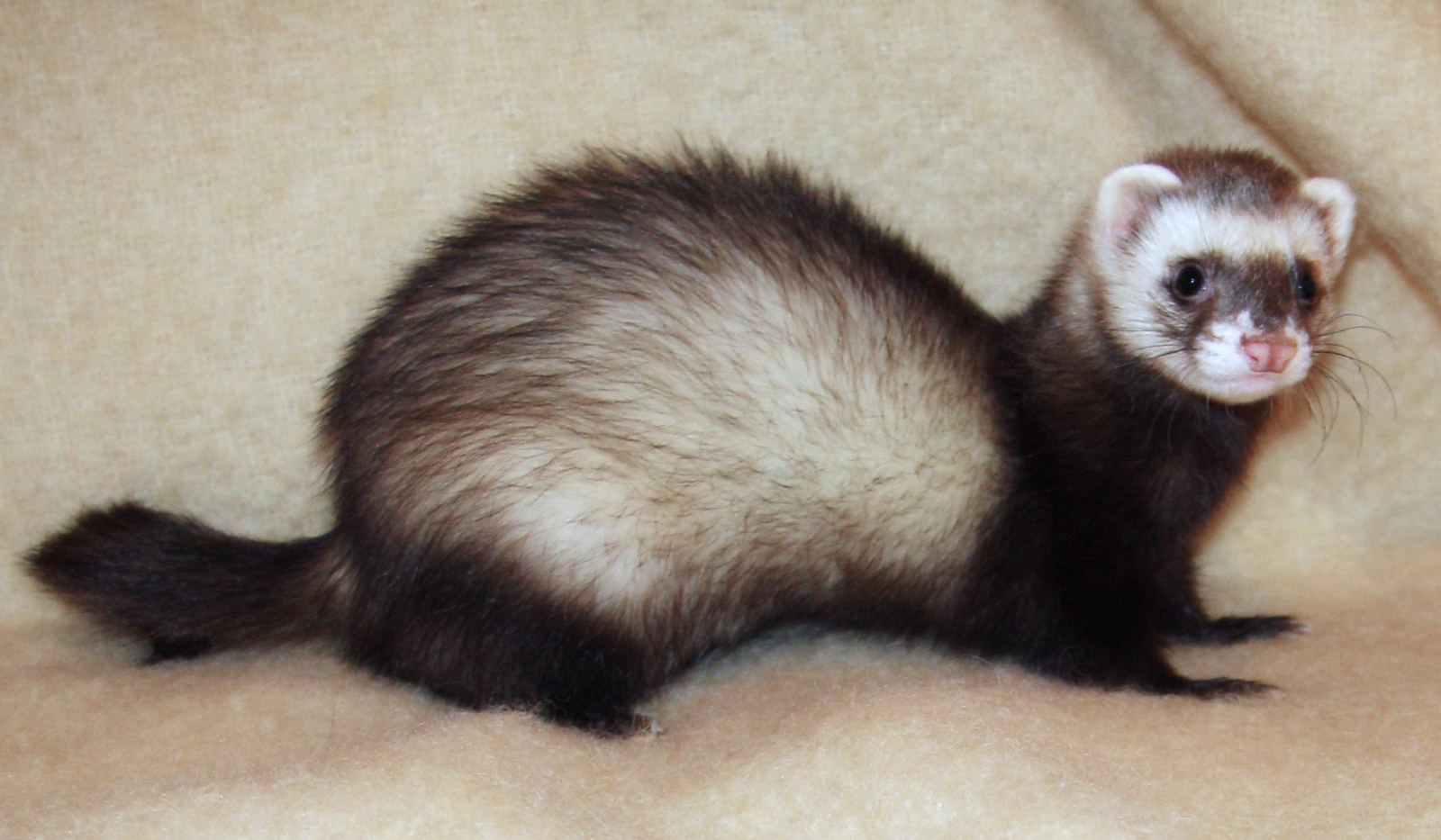
Bathe only when there is a real reason
If the ferret is genuinely soiled, first consider whether a gentle local wipe is enough. For a necessary bath, prepare a warm room, towels, and a suitable ferret product before bringing the animal to the sink. Use shallow lukewarm water with secure footing and support the body. Keep water and shampoo away from eyes and ears, rinse thoroughly, and towel dry without overheating or frightening the animal with hot air.
Do not leave a ferret unattended in water or treat swimming as a grooming requirement. Repeated bathing can irritate skin and will not permanently erase natural musk. If soiling keeps recurring, investigate the reason: diarrhea, difficulty moving, or a poorly arranged litter area cannot be solved by adding more shampoo. Ask your veterinarian about skin-specific products where disease is present rather than substituting a scented human product. Maintain a comfortable ambient environment afterward, with clean dry bedding available immediately.
Trim claws gradually and protect the quick
Overlong nails can snag in bedding and make movement uncomfortable. Ask a veterinary nurse or veterinarian to demonstrate trimming on your own ferret, particularly if you cannot clearly identify the quick, the living tissue inside the nail. Use a suitable small clipper and take only a small tip when confident. If the ferret struggles, stop and return to handling practice rather than tightening your grip and rushing.
A short checklist keeps the task controlled:
- Work in good light at a low, secure surface.
- Have a helper support the body if necessary.
- Check each toe for swelling, trapped threads, or broken nails.
- Trim conservatively, leaving the quick well clear.
- Reward calm cooperation and finish before frustration builds.
A broken, bleeding, or painful nail may need professional treatment, especially if bleeding continues. Do not cut away swollen tissue or pull on an embedded thread. A foot problem is a medical concern, not simply unfinished grooming.
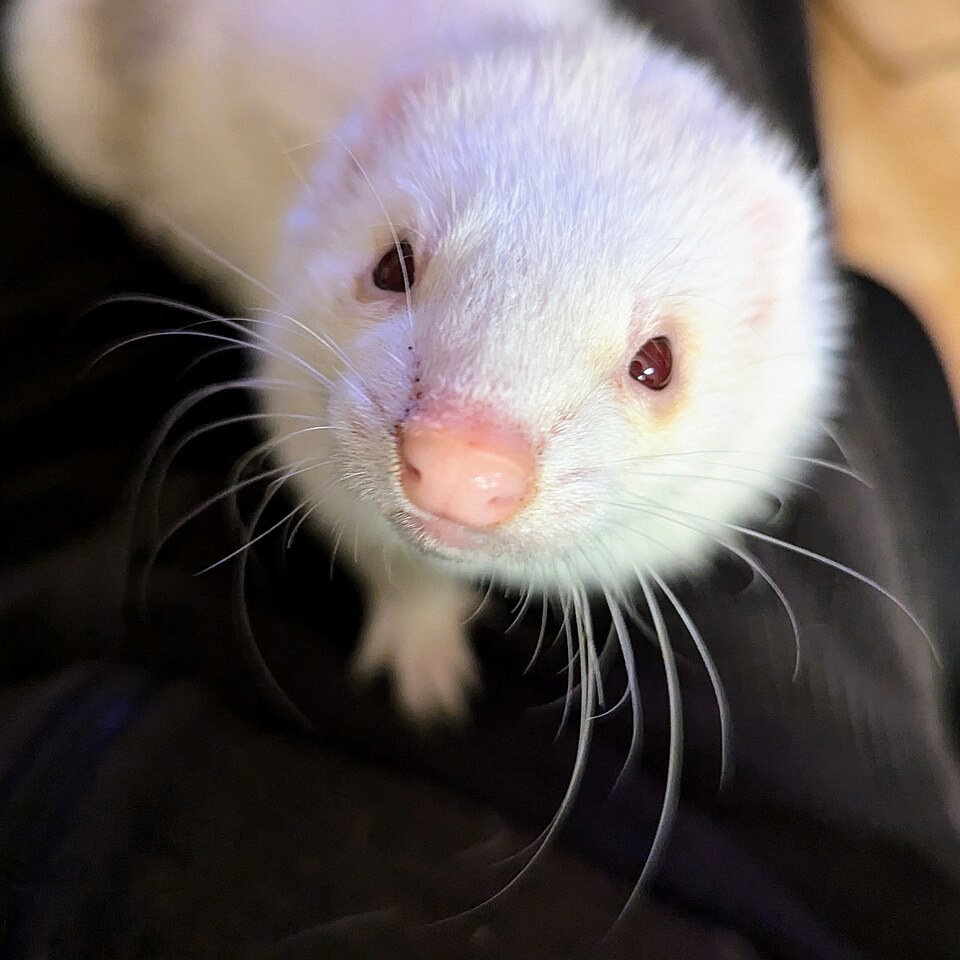
Treat ears and teeth as health checks
Look at the visible outer ear during relaxed handling. A change in discharge, redness, smell, head shaking, or persistent scratching needs veterinary assessment because mites and inflammation cannot be distinguished reliably from a casual glance. Do not insert cotton swabs into the canal or fill the ear with a homemade cleaner. If cleaning is prescribed, ask the clinic to show you the correct product and method.
Mouth care also begins with observation. Dropping food, chewing differently, drooling, pawing at the face, or bad breath can suggest dental disease or another illness. Ask about gradual tooth-brushing training with a suitable pet product, never human toothpaste. Hard objects advertised as cleaning chews can fracture teeth or be swallowed, so they are not a replacement for examination. Do not attempt to scrape tartar with household tools. A ferret that suddenly resists face handling may be painful rather than stubborn.
Separate home maintenance from medical treatment
Grooming provides a chance to notice weight changes, lumps, wounds, and reduced tolerance of touch. Record findings and arrange an appointment rather than treating every problem as a cosmetic issue. New extensive hair loss, sores, repeated scratching, or persistent dirty fur deserves investigation. If a ferret becomes weak, stops eating, or develops abnormal breathing during a session, stop immediately and seek veterinary advice.
Keep tools clean between animals and tell your veterinarian if several companions develop similar signs. Gentle routines are especially valuable for older ferrets that may tire more easily or have medical conditions. A successful session can be as small as checking two feet and ending calmly. Consistent observation, clean bedding, and appropriate professional help do more for welfare than a perfectly styled coat.
Continue reading: Living With Ferrets: A Realistic Household Guide.
Sources and further reading:
- RSPCA: A suitable environment for ferrets
- RSPCA: A healthy diet for ferrets
- RSPCA Australia: How should I care for my ferrets?
- Ferret care and husbandry: veterinary review
- MSD Veterinary Manual: Overview of ferrets
Photo credits: KoS (CC BY-SA 3.0), Alfredo Gutiérrez (CC BY-SA 4.0), Electo84 (CC0). Images resized and compressed for web display. Each image retains its linked license. Agricultural-show photograph cropped by the source uploader from KoS's original. A handler's hand remains visible at the edge.


