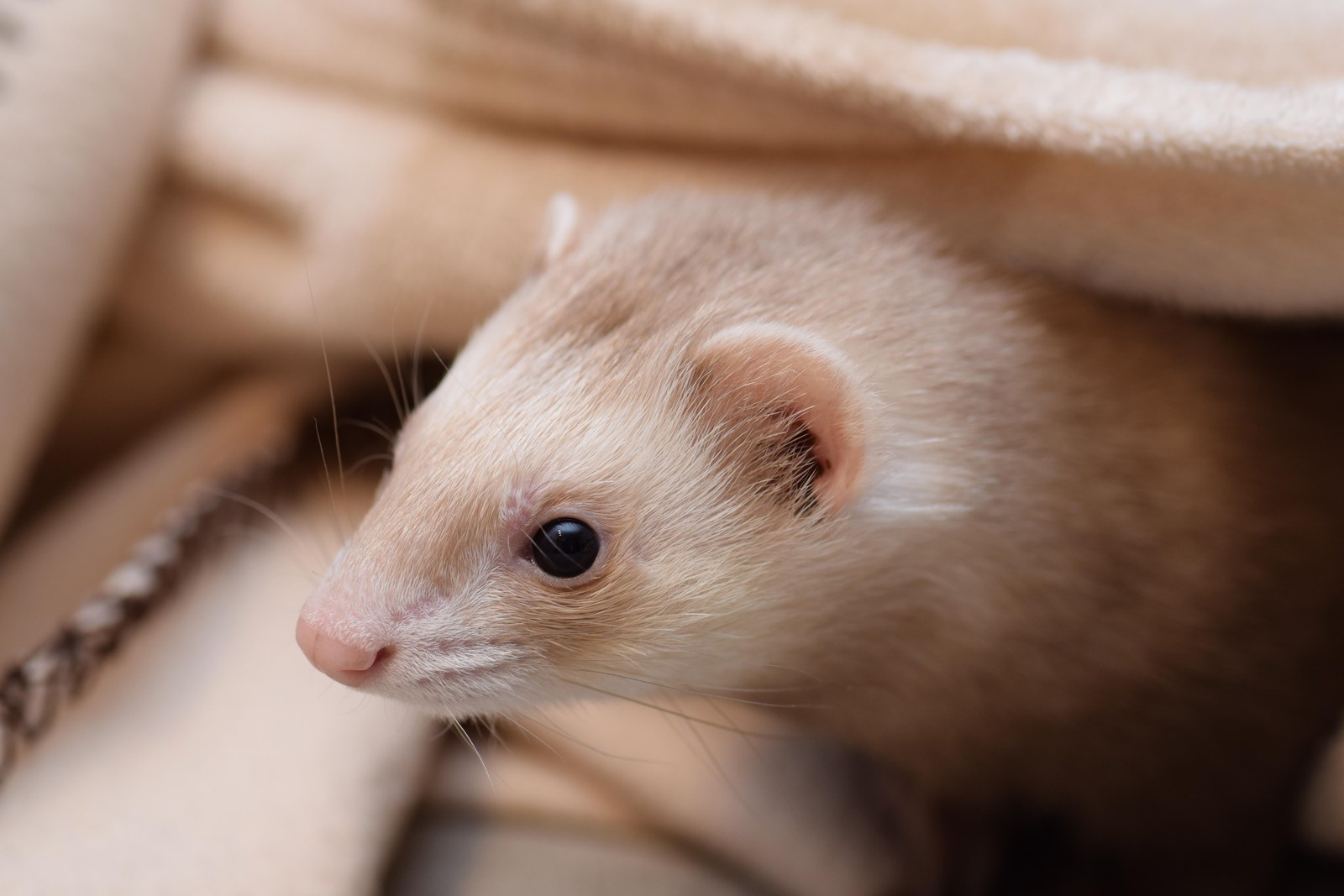
Ferret health problems can first appear as a missed meal, an unusually quiet play session, or a change in the litter tray. Because these animals sleep deeply and have bursts of activity, owners sometimes mistake illness for a normal rest. Compare each ferret with its own baseline. This guide explains important patterns and urgency, but symptoms overlap and cannot establish a diagnosis without veterinary assessment.
Swallowed objects can cause dangerous blockages
Ferrets often explore with their mouths, making rubber, foam, earplugs, and broken toy parts serious hazards. A digestive obstruction may produce vomiting, reduced appetite, abdominal discomfort, fewer droppings, or lethargy. Not every affected ferret vomits, and some signs fluctuate. Finding a damaged object matters even if your pet initially looks comfortable. Contact a veterinarian promptly and explain what is missing and when the animal could have swallowed it.
Do not induce vomiting, give oil or laxatives, or force-feed in an attempt to push the object through. Those choices can worsen the situation or delay imaging and treatment. Bring the damaged item or a photograph if available. Prevention means inspecting toys after use and blocking access to soft household materials, not simply buying products labeled for pets. A toy suitable for one ferret may be chewed apart by another, so its condition matters more than the label.
Low blood sugar needs immediate assessment
Hypoglycemia means abnormally low blood sugar. Insulinoma, a tumor involving insulin-producing pancreatic cells, is one important cause in ferrets. Possible signs include drooling, pawing at the mouth, staring, weakness in the hindquarters, stumbling, seizures, or collapse. Episodes may seem to resolve, which can tempt owners to postpone care. Improvement does not rule out a serious underlying problem and should be reported along with the original signs.
Other illnesses can cause similar behavior, so your veterinarian needs to evaluate the animal rather than assume every weak ferret has insulinoma. Call immediately for handling and transport instructions. Keep the animal protected from falls and avoid stressing it with repeated attempts to make it walk. Ongoing treatment, monitoring, and feeding adjustments require an individualized veterinary plan. Never borrow another ferret's medicine or alter a prescribed dose because a symptom seems familiar.
Hair loss and reproductive changes need context
Adrenal disease can cause progressive coat loss, itching, and changes associated with reproductive hormones. Hair loss often draws attention first, but a coat photograph cannot confirm the cause. Seasonal shedding, parasites, and skin disease are alternative explanations. Record where the change began, whether it is spreading, and whether urination or behavior has changed. Difficulty passing urine, especially in a male, needs emergency attention rather than a routine grooming appointment.
An intact female that remains in estrus faces a different major risk: prolonged estrogen exposure can suppress bone marrow and produce life-threatening anemia. Ongoing vulval swelling, weakness, pale gums, or unusual bleeding must be reported promptly. Plan reproductive management before a crisis, discussing surgery and any appropriate medical options with an experienced clinician. Do not treat mating as a convenient household remedy; breeding introduces additional welfare and medical responsibilities and does not replace a preventive veterinary plan.
Breathing trouble and heat illness are emergencies
RSPCA recommends housing ambient air around 15-21°C, approximately 59-70°F. A room can overheat well before a keeper notices, particularly behind glass or during transport. Abnormal breathing, marked weakness, or collapse in warm conditions requires immediate action: move the ferret to cooler surroundings and call an emergency clinic. Avoid ice immersion or forcing fluids. Ask for specific first-aid advice while arranging safe transport.
Breathing difficulty can also reflect infection, heart disease, or other serious problems. Do not assume that a noisy breath is just excitement or that sneezing explains labored breathing. Some respiratory infections can pass between people and ferrets, so tell the veterinarian about illness in the household and practice careful hygiene. Keep sick people from unnecessary close contact. Human cold medicines and leftover antibiotics are not appropriate substitutes for examination, and suppressing a symptom may conceal deterioration.
Preventive care is more than a vaccine date
Discuss protection against canine distemper and any locally relevant rabies requirements with a ferret-experienced veterinarian. Available products, licensing, age, previous doses, and individual medical history affect the plan. A schedule copied from another country may be inappropriate. Bring original records instead of assuming that a seller's statement means a full course has been completed. Tell the clinic about previous vaccine reactions or medicines before treatment.
Include mouth and skin checks in routine examinations. Drooling, difficulty chewing, new odor, scratching, or a sore foot can reduce welfare long before dramatic collapse. Ask about parasite prevention based on exposure rather than routinely applying dog or cat products. Weight monitoring and an examination frequency adjusted for age or existing disease help detect changes. Good housing reduces avoidable hazards, but it does not guarantee protection from endocrine disorders or tumors; attentive owners should not blame themselves for every diagnosis.
Make your observations useful at the clinic
An organized history can help a veterinarian distinguish a sudden event from a gradual decline. During an emergency, do not delay travel to collect perfect records, but bring information that is already available:
- The time signs started and whether they have recurred.
- Recent eating, drinking, droppings, and urination changes.
- Weight records and current food packaging or product names.
- Medicines, supplements, vaccine records, and reproductive history.
- Possible access to toxins, chewed objects, or unusual heat.
Confirm the nearest after-hours service before you need it, including whether it accepts ferrets. Transport in a secure, ventilated carrier with familiar bedding, maintaining an appropriate temperature. Early contact is especially valuable when several vague changes appear together: a quieter ferret that eats less and loses weight should not wait for a more dramatic sign.
Continue reading: Ferret Training and Behavior: Trust, Play, and Useful Skills.
Sources and further reading:
- RSPCA: A suitable environment for ferrets
- RSPCA: A healthy diet for ferrets
- RSPCA Australia: How should I care for my ferrets?
- Ferret care and husbandry: veterinary review
- MSD Veterinary Manual: Overview of ferrets
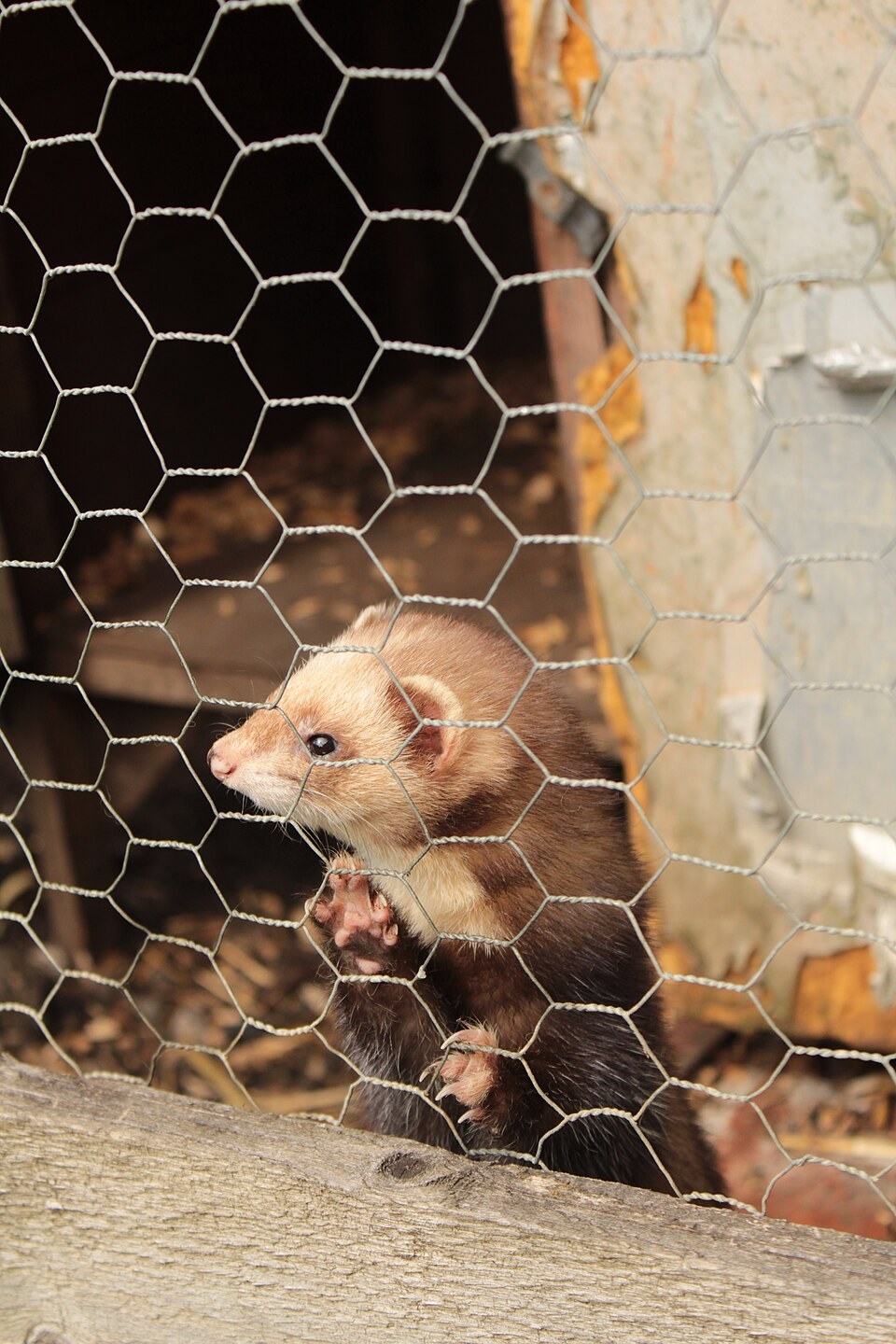
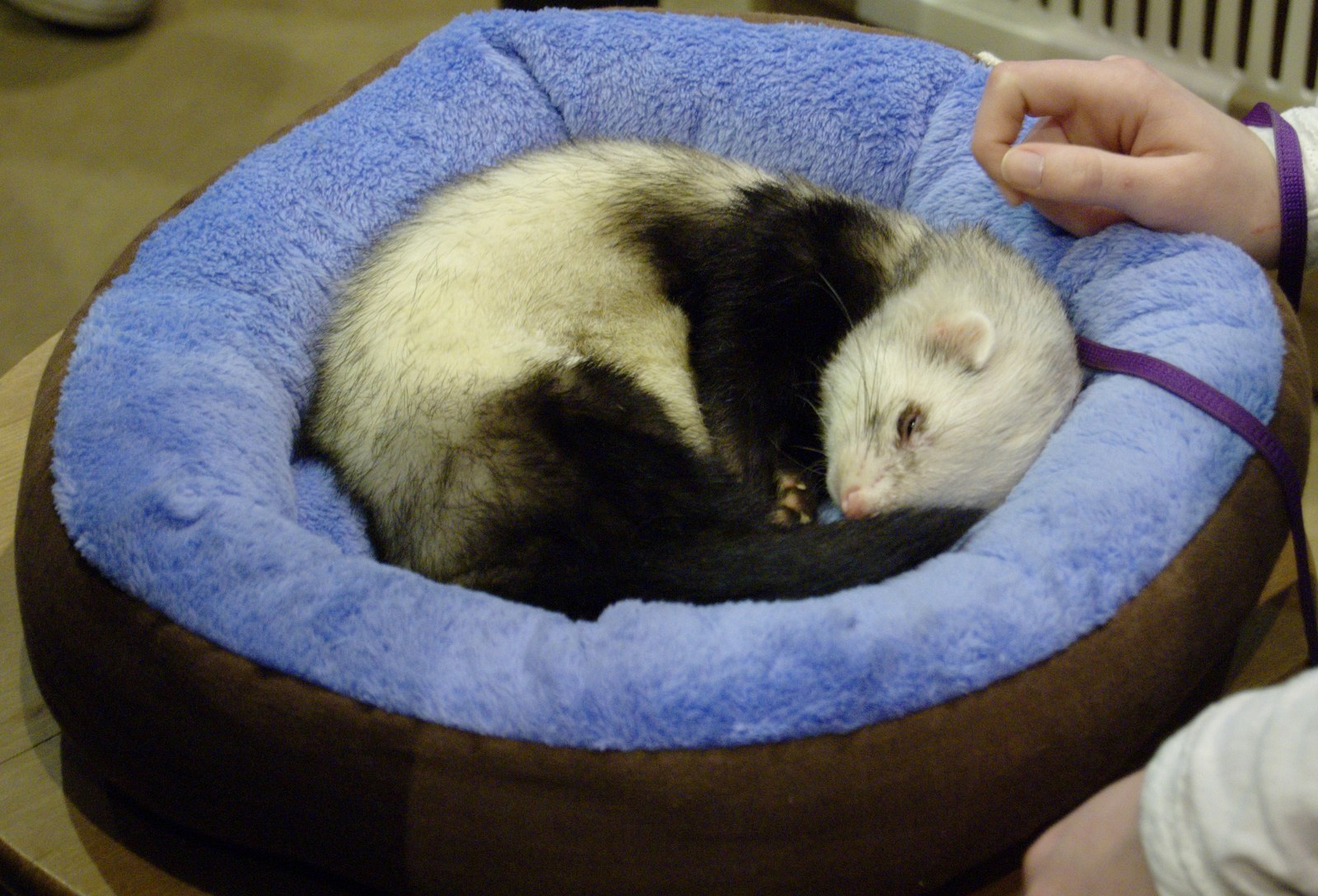
Photo credits: Aurélien Mora (CC BY-SA 4.0), Joybot (CC BY-SA 2.0), KoS (CC BY-SA 3.0). Images resized and compressed for web display. Each image retains its linked license. This photograph illustrates the animal, not a recommended wire design or enclosure specification. Agricultural-show photograph cropped by the source uploader from KoS's original. A handler's hand remains visible at the edge.


