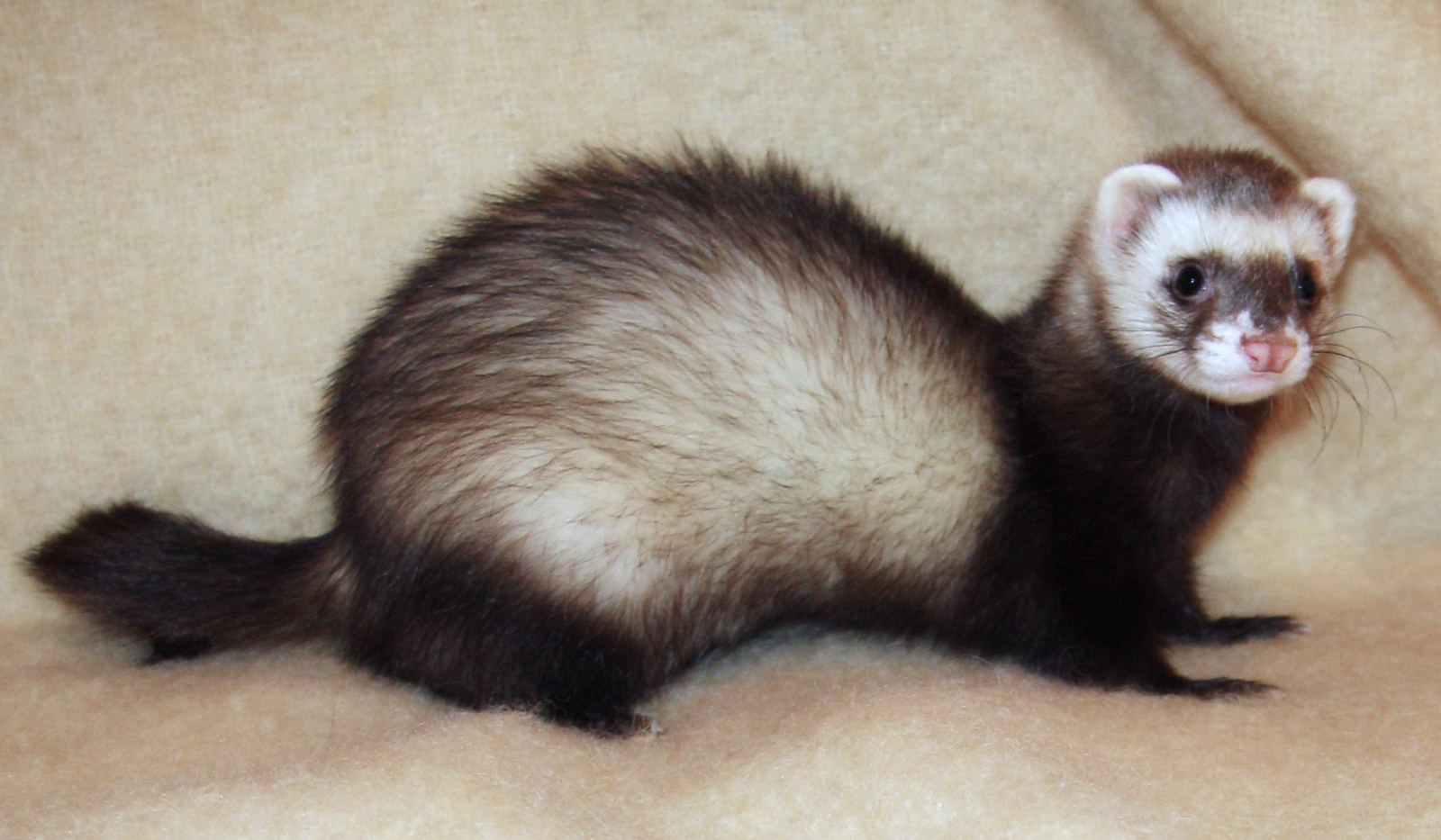
Living with ferrets means sharing a home with inventive animals that can turn an ordinary laundry basket into an exploration project. Their playfulness is appealing, but the practical work is easy to underestimate. Before adopting, imagine the less photogenic moments: cleaning a litter corner, checking a missing toy fragment, or arranging urgent transport after work. A good match depends on whether your household can manage those moments consistently.
Decide whether the commitment fits your household
Ferrets need secure accommodation, compatible company, and daily supervised activity. Their small size does not make them low-maintenance pets that can be left in a cage between weekends. RSPCA Australia describes an average captive lifespan of five to seven years; other veterinary references give a broader six-to-ten-year estimate. Neither is a promise. Think through housing changes, work schedules, and who will continue care if a child's interest shifts.
Before paying a deposit, check current local ownership rules, tenancy conditions, and access to an experienced veterinary clinic. Ask a rescue about a bonded pair, established diet, vaccination records, reproductive status, and any ongoing treatment. An adoption conversation should include difficult behavior and medical costs, not just personality highlights. Budget for spacious housing, cooling, replacement bedding, quality food, routine examinations, and emergency investigations. Avoid assuming that a cheap acquisition price predicts the cost of responsible lifetime care.
Build escape checks into ordinary movements
Ferret-proofing works only when the humans follow it. An excellent enclosure latch is irrelevant if someone opens a door during play without checking where the animals are. Agree on a household signal for supervised roaming and make every person responsible for confirming that barriers remain closed. Keep a consistent count before and after play, especially where a ferret can disappear into bedding or a dark hide.
A room audit should include hazards that adults often overlook:
- Recliner mechanisms, sofa linings, and folding furniture.
- Laundry piles, washing machines, dryers, and open cupboards.
- Gaps behind appliances and around pipes or damaged screens.
- Rubber, foam, earplugs, cables, and medication packaging.
- Open toilets, buckets, and doors leading outside.
Do not operate machinery or move furniture until every ferret is accounted for. Safety routines must survive interruptions such as visitors, deliveries, and phone calls. A temporary secure enclosure is kinder than an avoidable accident during a distracted activity session.
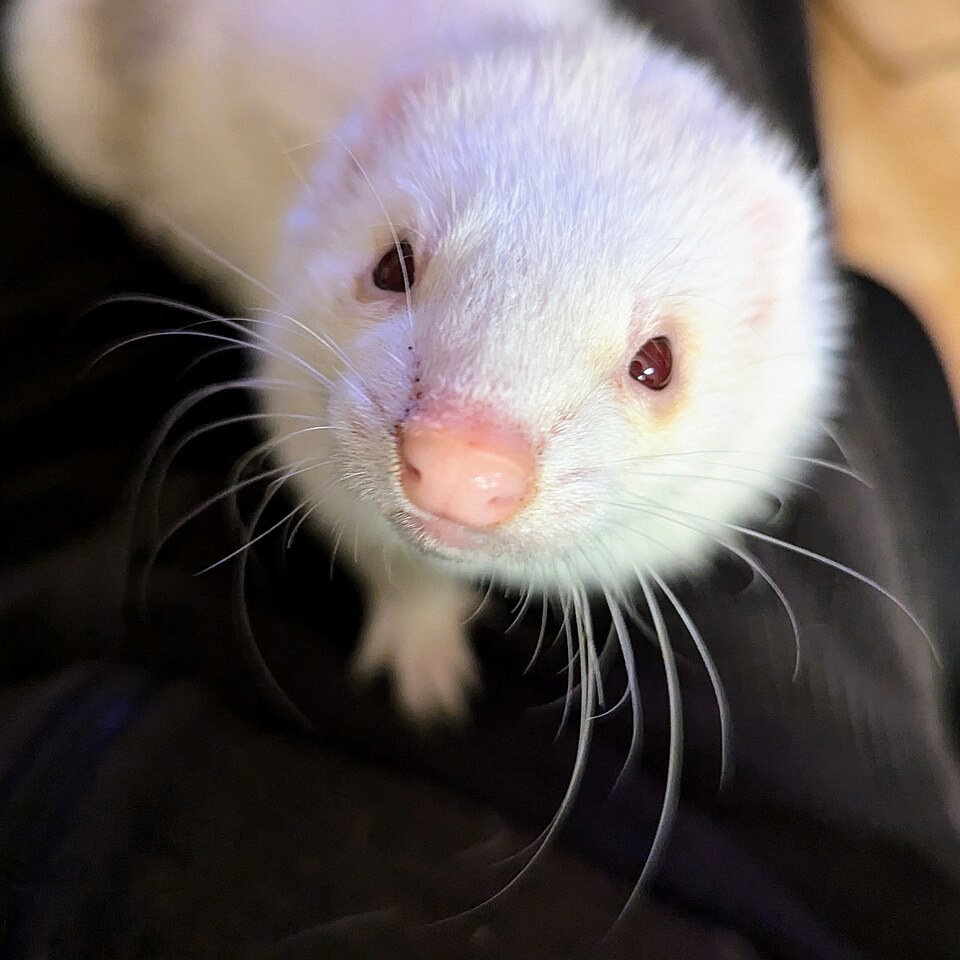
Make a routine that respects sleep and play
Ferrets alternate deep rest with lively waking periods. Arrange household interaction around those waking opportunities rather than repeatedly waking them for entertainment. Start by checking each animal, refreshing water, and inspecting food and litter. Provide safe exploration with robust tunnels or a changing arrangement of hides, then allow quiet rest. The sleeping enclosure still needs to be spacious and enriching; exercise is not compensation for cramped permanent housing.
Check ambient air where the animals live. RSPCA recommends around 15-21°C, approximately 59-70°F, and a room that feels tolerable to a person may still become unsuitable near a sunny window. Monitor actual conditions and plan cooling for hot weather. When family schedules change, protect the essential care periods first. A late meeting should trigger a backup caregiver, not an automatic missed play session. Written responsibilities prevent everyone from assuming that someone else already checked the animals.
Set boundaries with children and other animals
Children can help prepare bedding, record weights, or arrange safe tunnels under adult guidance. Direct handling should happen seated at floor level with close supervision. Teach children not to wake a sleeping ferret abruptly, pull a tail, or put fingers into a guarded hide. If either participant becomes tense, pause rather than insisting that the interaction continue. Responsibility for welfare stays with an adult regardless of who originally wanted the pet.
Compatible ferret company is valuable, but it does not make a ferret suitable for a mixed-species playgroup. Rabbits, rodents, and birds are prey animals and need physical separation. Dogs and cats also introduce injury risks and should not have unsupervised access; a history of quiet coexistence is not a guarantee. Use real barriers rather than commands alone. When visitors bring animals, move the ferrets to secure accommodation before opening doors and explain the rules clearly.
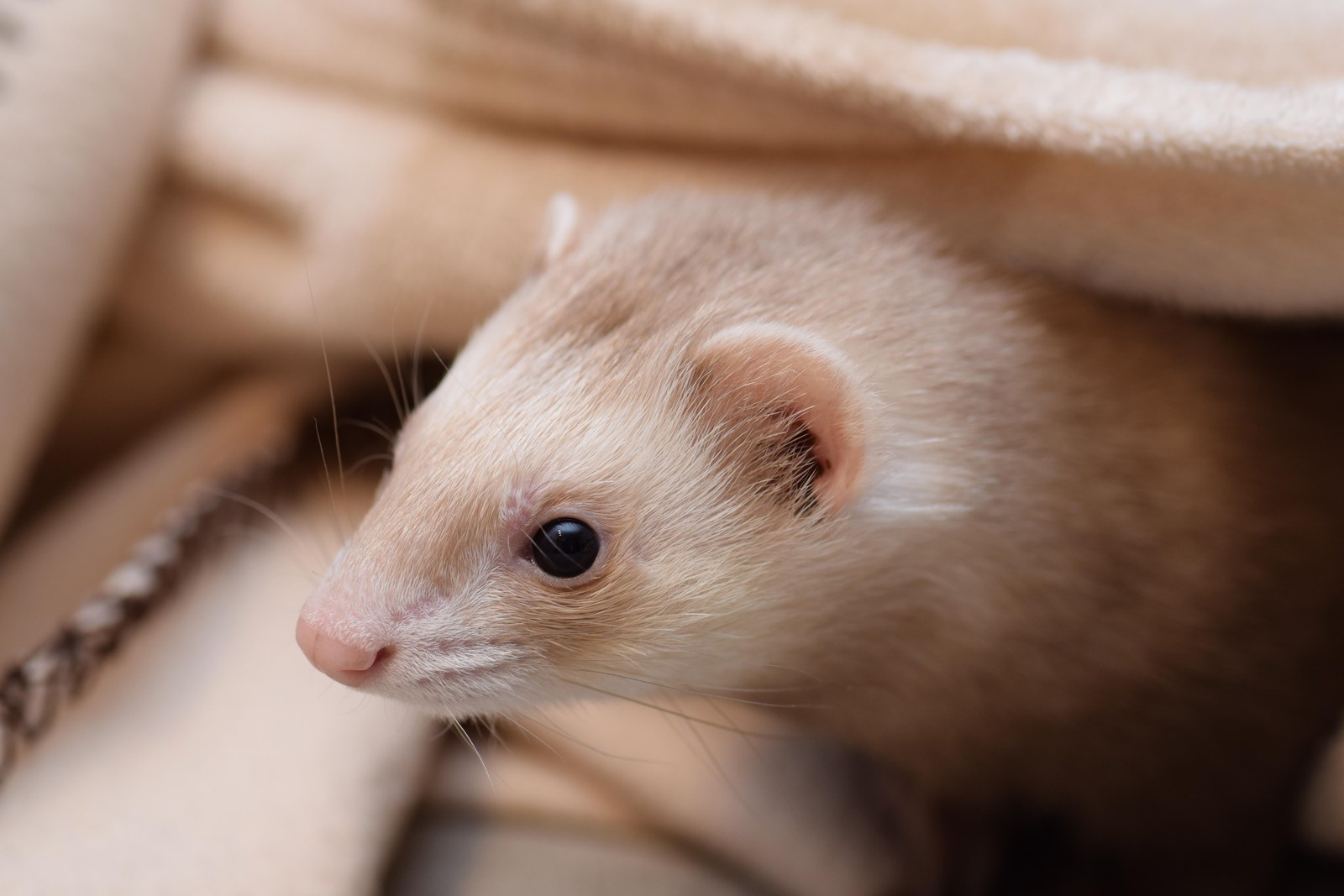
Prepare for holidays, travel, and disruptions
A suitable sitter needs practical experience or careful instruction, not merely a key and a bag of food. Demonstrate latches, room checks, feeding access, cleaning, and the signs that require a call to the veterinarian. Leave the clinic's contact details, after-hours arrangements, authorization for treatment, and transport equipment. Ask the sitter to confirm seeing and checking every animal instead of reporting only that the bowl was refilled.
Travel adds temperature, escape, and regulatory considerations. Use a secure ventilated carrier with familiar bedding and never leave ferrets in a parked vehicle. Before international movement or relocation, verify current import, ownership, transit, and return rules with the relevant authorities. Do not assume a document accepted elsewhere will be sufficient. Have a contingency for power failures or sudden loss of cooling, including a safe destination that can accommodate ferrets. Emergency planning is most useful when written before anyone is tired or frightened.
Adapt the home as ferrets age
An older ferret may prefer gentler games, easier access to trays, and lower resting areas. Adjust the layout while preserving opportunities to investigate and make choices. Do not dismiss new weakness, reduced appetite, weight loss, or progressive coat changes as inevitable aging. Ferrets can develop endocrine disorders, dental disease, and other conditions that deserve investigation. Existing medical plans should travel with the animal whenever someone else provides care.
Long-term companionship often becomes quieter but no less rewarding. A ferret that chooses a familiar hide near you may be as engaged as the youngster that once bounced through every tunnel. Judge success by safety, comfort, and individual wellbeing rather than constant activity. Realistic expectations let the whole household enjoy the relationship without overlooking the work that makes it possible.
Continue reading: Ferret Care Guide: Building a Safe, Enriching Home.
Sources and further reading:
- RSPCA: A suitable environment for ferrets
- RSPCA: A healthy diet for ferrets
- RSPCA Australia: How should I care for my ferrets?
- Ferret care and husbandry: veterinary review
- MSD Veterinary Manual: Overview of ferrets
Photo credits: Alfredo Gutiérrez (CC BY-SA 4.0), Electo84 (CC0), Aurélien Mora (CC BY-SA 4.0). Images resized and compressed for web display. Each image retains its linked license.


