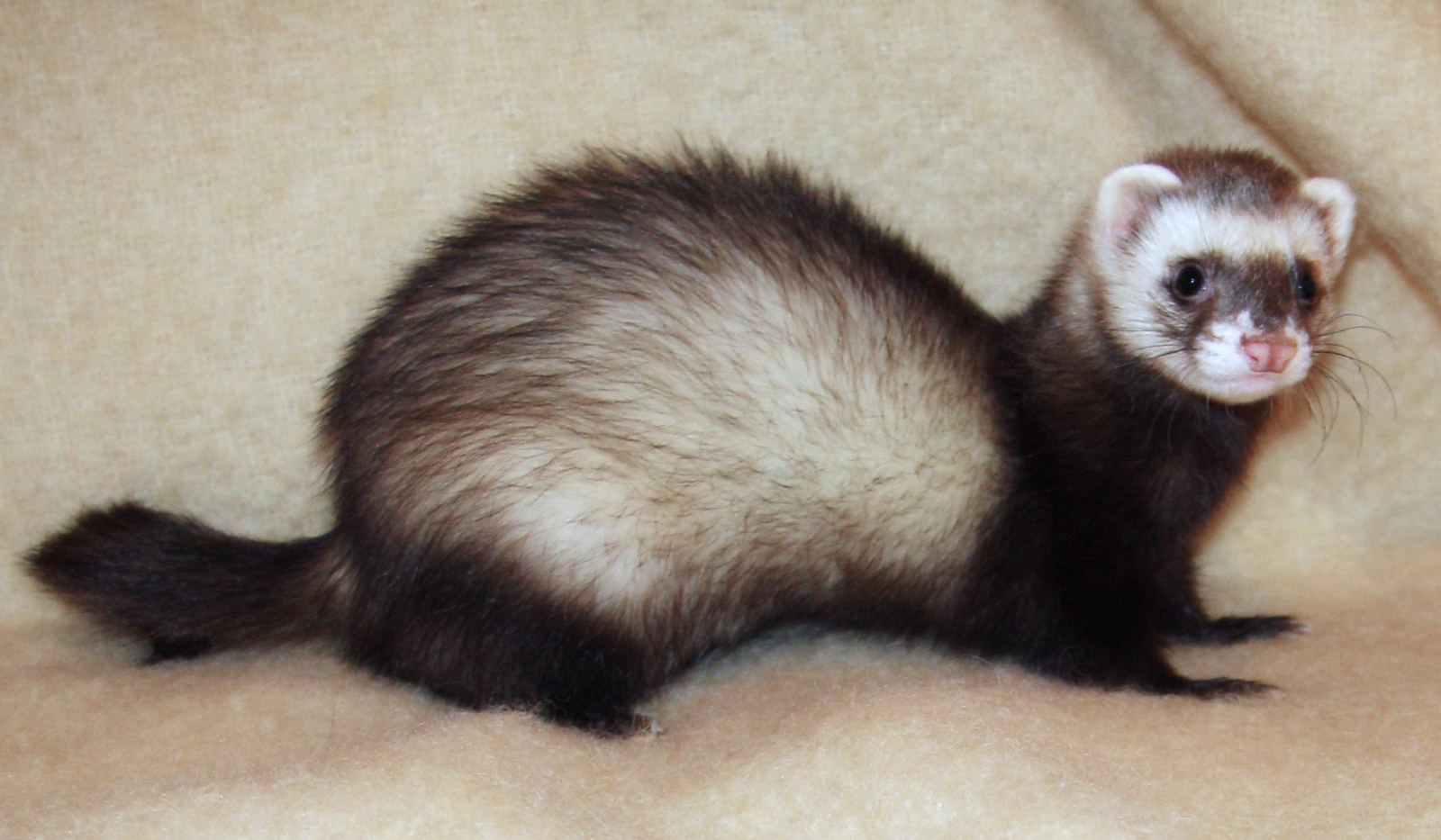
Ferret care begins with a practical question: can your home safely accommodate an animal that wants to investigate every gap? A domestic ferret, Mustela furo, is a social carnivore with very different needs from a rabbit or hamster. A comfortable bed is only one part of the arrangement. Plan the play space, climate, companions, feeding routine, and veterinary support before bringing your new pets home.
Design housing around what ferrets actually do
Choose the largest practical secure sleeping enclosure rather than relying on a tiny starter cage. It needs ventilation, dry bedding, comfortable solid resting areas, and distinct places for food, sleep, and toileting. Arrange platforms and ramps so that a tumble cannot become a long fall. Hammocks should be secure, easy to wash, and free of loose threads that can catch claws. Check catches from an inquisitive animal's perspective.
Your exercise room needs a separate inspection. Ferrets can enter upholstery and machinery, so block the underside of reclining furniture and access behind appliances. Close toilet lids, protect cables, and remove rubber, foam, earplugs, and small objects. Before operating a washing machine or moving furniture, account for every ferret. Ferret-proofing is an ongoing process, because a newly moved bookcase or damaged screen can create an escape route that did not exist yesterday.
Keep the environment cool and predictable
RSPCA recommends housing ambient air around 15-21°C, approximately 59-70°F. This describes the air where the animals live, not their body temperature or the surface of a cooling tile. Place a thermometer at the enclosure and watch how sunlight changes the room through the day. A comfortable reading at breakfast does not guarantee a safe afternoon beside a window.
Maintain airflow without putting beds in a persistent draft. Use effective room cooling when needed; a fan alone cannot make an excessively hot space safe. Prepare a cooler destination and suitable transport before a heatwave or power failure. Avoid placing housing in a conservatory, parked vehicle, or poorly ventilated shed. If a ferret becomes weak or breathes abnormally in warm conditions, move it to cooler surroundings and contact an emergency veterinarian rather than waiting to see whether sleep resolves the problem.
Plan companionship without mixed-species risks
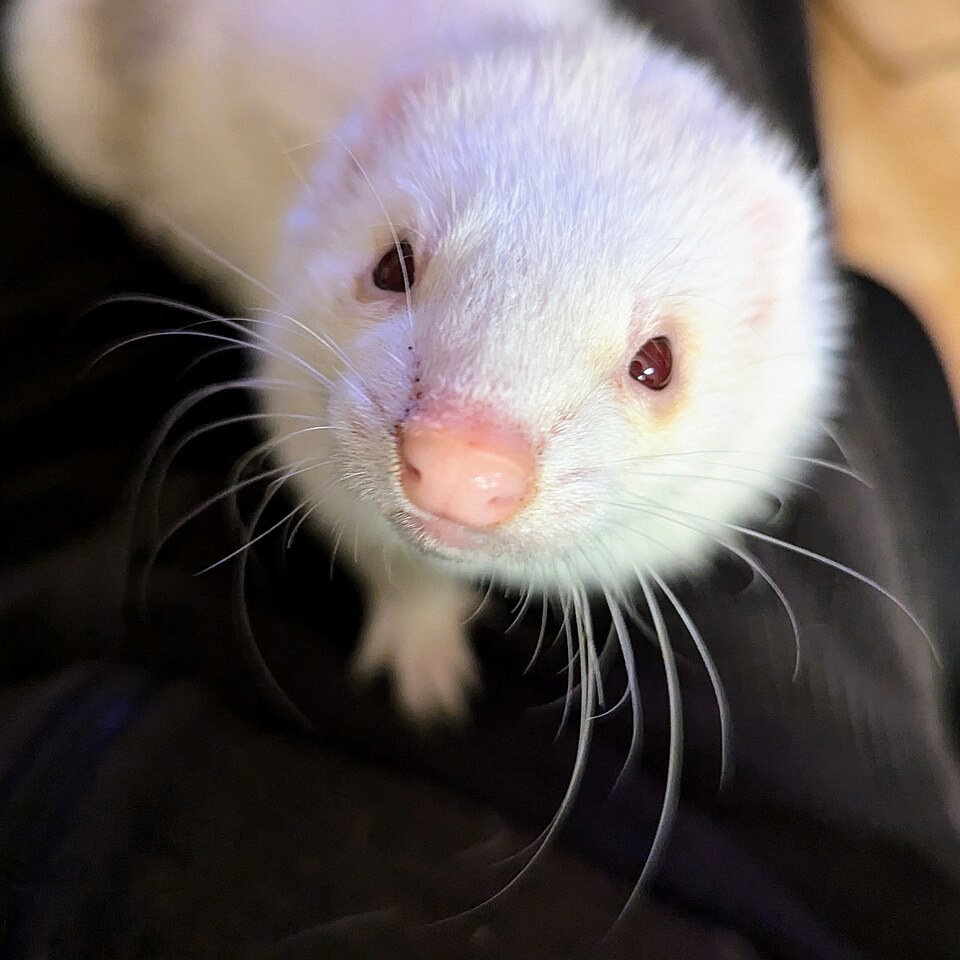
Ferrets generally need compatible ferret company. An established pair from an experienced rescue offers a useful starting point because their relationship can be assessed before adoption. Two unfamiliar animals are not automatically a pair, however. Discuss health checks, any temporary separation, and gradual introductions with your veterinarian or rescue. Have separate secure accommodation available if an introduction becomes unsafe.
Provide more than one sleeping option and enough feeding access that a confident ferret cannot control everything. Observe individuals rather than assuming that animals sharing a hammock always have equal access to meals. Persistent chasing, injury, or one animal repeatedly hiding needs intervention. Rabbits, guinea pigs, hamsters, and birds are not suitable playmates: predatory behavior can appear despite apparently calm earlier meetings. Keep them physically separate, including during exercise sessions, and do not use a child's supervision as the safety barrier.
Build a daily care sequence
Ferrets are obligate carnivores and require a complete, appropriate meat-based diet. They eat little and often, so maintain access to suitable food unless your veterinarian specifies a medical plan. Keep fresh water available and check that bottles actually dispense water or that bowls have not been overturned. Clean feeding equipment and remove perishable leftovers promptly; food hidden in bedding can otherwise go unnoticed.
A simple sequence helps you notice changes before the room becomes busy:
- Count and observe each ferret before opening the enclosure.
- Check eating, water availability, droppings, and general movement.
- Remove soiled litter and inspect bedding for damage.
- Check the room and toys before supervised play.
- Confirm every animal is safely settled before leaving.
Make exploration safe and satisfying
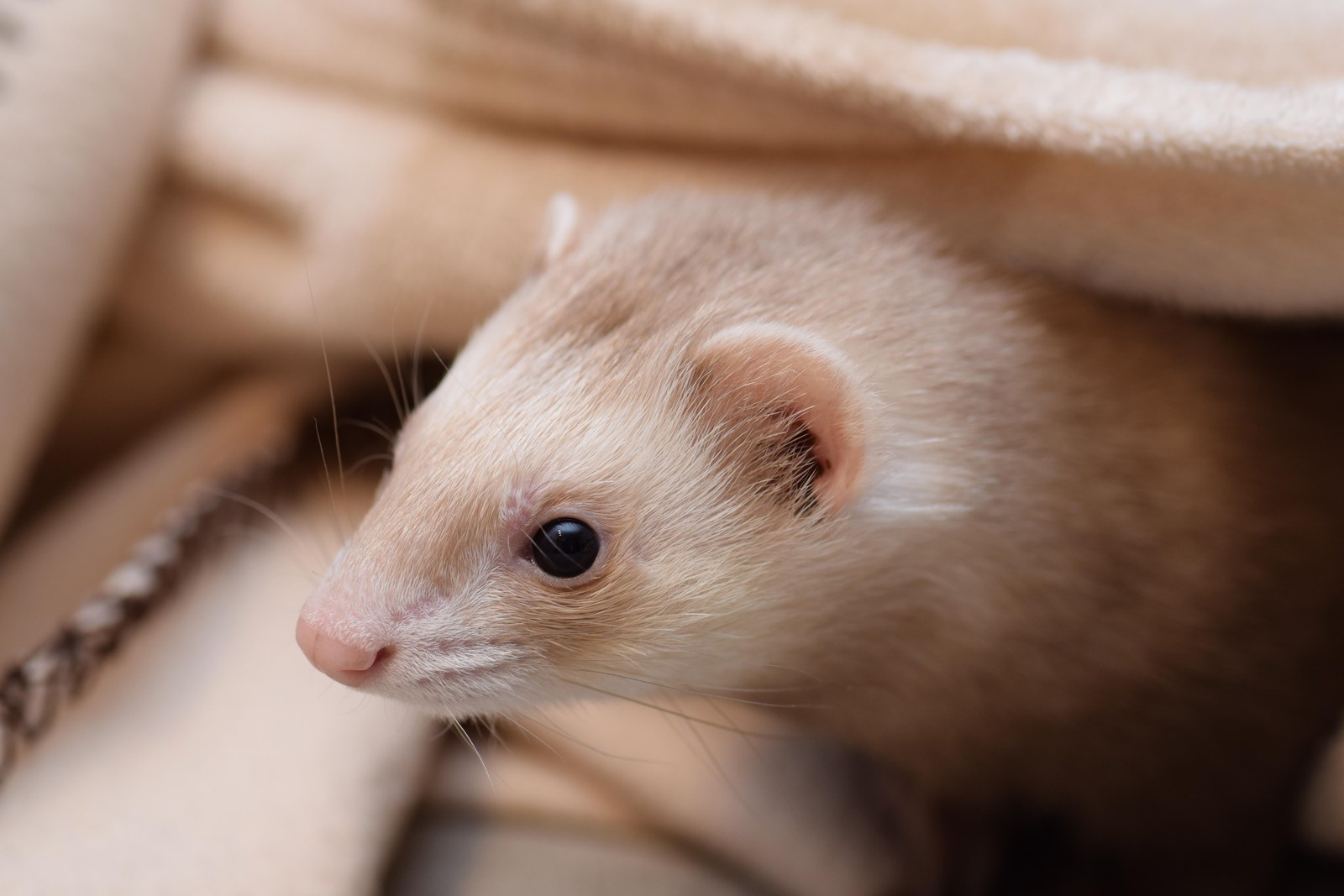
Give daily opportunities to move, sniff, investigate, and interact during waking periods. Use robust tunnels with smooth edges, roomy exits, and enough space to turn comfortably. A simple hide-and-seek arrangement can be more useful than a large collection of fragile toys. Inspect any new object for detachable pieces and remove it if chewing damages the material. Do not leave string toys or bags with handles available unsupervised.
Rotate a few activities while keeping familiar retreats available. You might change a tunnel route or place part of the normal food allowance in an easy, washable search area. Let the ferret choose whether to participate and stop before fatigue or overstimulation. Play should not require forced swimming, falls from furniture, or chasing by other pets. If a normally enthusiastic explorer suddenly loses interest, consider pain or illness before trying a more exciting toy.
Arrange veterinary support before a crisis
Find a veterinarian who regularly treats ferrets and confirm where emergencies are seen after hours. Bring previous records to the first examination and discuss vaccinations appropriate to your location, reproductive management, nutrition, and parasite risks. An intact female needs a plan before prolonged estrus becomes a danger; persistent reproductive hormone exposure can cause life-threatening anemia. Decisions about surgery or medical alternatives belong with the clinician.
Budget for examinations and unexpected investigations as well as food and bedding. Check current ownership and movement rules with your local regulator before adoption or travel. With secure space, compatible company, and attentive daily checks, ferret care becomes a manageable routine rather than a series of preventable surprises.
Continue reading: Ferret Nutrition: Meat-Based Meals Without Guesswork.
Sources and further reading:
- RSPCA: A suitable environment for ferrets
- RSPCA: A healthy diet for ferrets
- RSPCA Australia: How should I care for my ferrets?
- Ferret care and husbandry: veterinary review
- MSD Veterinary Manual: Overview of ferrets
Photo credits: Alfredo Gutiérrez (CC BY-SA 4.0), Electo84 (CC0), Aurélien Mora (CC BY-SA 4.0). Images resized and compressed for web display. Each image retains its linked license.


