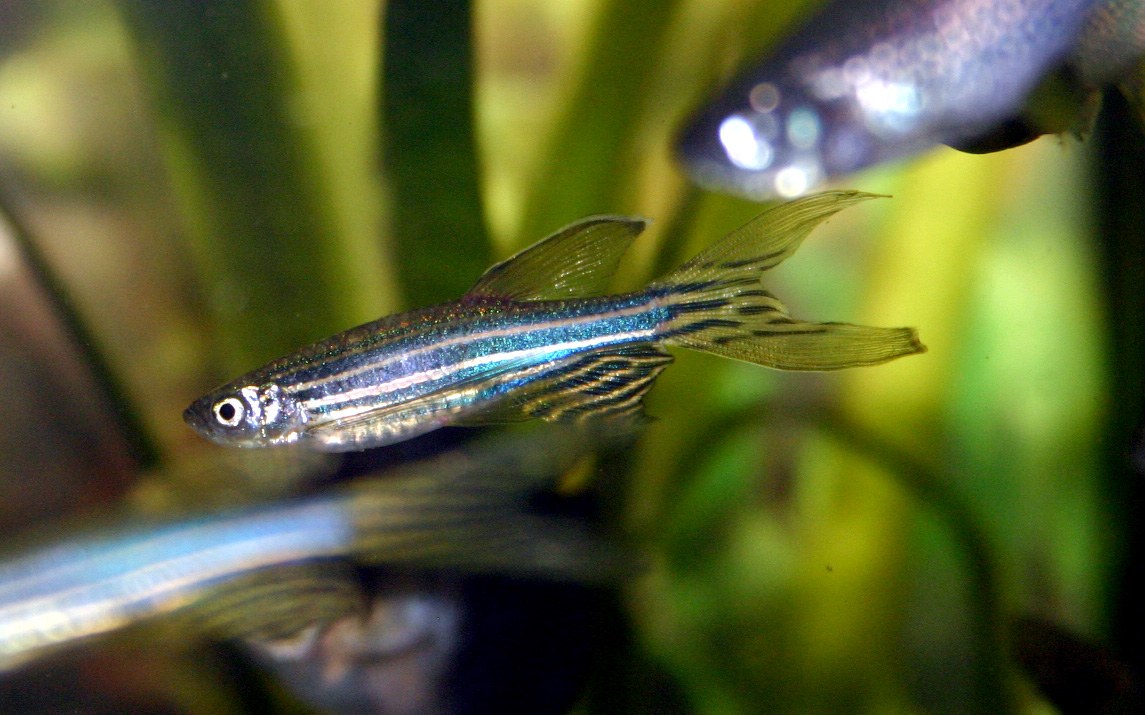
Maintenance is not glamorous, but it is the reason a zebra danio shoal looks effortless. A short, regular routine keeps ammonia and nitrite at zero, protects the bacteria in the filter and gives the fish the stable, cool water they evolved for.
The Maintenance Mindset
Most fish health problems are really water problems, and most water problems come from slow drift rather than sudden shock. Nitrate creeps upwards, filter sponges clog, food accumulates in the substrate, and a tank that looked perfect in week one quietly turns against its occupants.
The fix is rhythm. A little work every week is far better than a dramatic overhaul every few months, because small changes preserve the biological filter rather than attacking it. Partial water changes, gentle gravel cleaning and a quick rinse of the media all work with the filter instead of against it.
Timing helps too. Do maintenance on the same day each week, ideally before feeding, and keep a short checklist. Fish cope best when changes are small and predictable, and so do keepers.
Water Changes Done Right
Aim for about 20 to 25 per cent of the tank volume each week. If nitrate is rising or the tank is heavily stocked, do two smaller changes a week rather than one enormous one. Large swings in temperature and chemistry are what stress fish, not the water change itself.
Always dechlorinate the new water and match its temperature to the tank before it goes in. A cheap digital thermometer and a conditioner that also handles chloramine remove the guesswork, and both are worth keeping next to the tank so you never skip them.
Pour or siphon the new water in gently to avoid disturbing the substrate. Zebra danios are confident enough to swim around during a water change, so work slowly, avoid trapping fish in a corner and never leave a siphon running unattended.
While the water level is low, siphon over the substrate, cleaning around plants and decor rather than ploughing through it. Deep cleaning across the whole tank at once can release trapped waste and disturb the bacteria that live in the top layer of gravel.
Afterwards, top up the tank, check that the filter and thermometer are working, and give the shoal a few minutes before feeding. The whole job should take around twenty minutes in a 20-gallon tank.
Filter Care Without Losing Your Cycle
The filter holds the bacteria that turn ammonia into nitrite and then into nitrate, which is why it is the most important piece of equipment you own. Those bacteria live in the media, not in the water, so how you clean them matters enormously.
Rinse sponges and ceramic rings in a bucket of old tank water, never under the tap. The chlorine in tap water is designed to kill bacteria, and it will do exactly that to your filter if you rinse the media under the mains.
Check the flow every month. A filter that is pumping at half its rated output is usually holding trapped debris, and reduced circulation means less oxygen and less filtration. A quick squeeze of the sponge often restores full flow, and it is a good moment to look for worn seals or noisy impellers.
Gravel, Glass and Decor
Algae on the glass is normal in any lit aquarium. A dedicated sponge or plastic scraper used before the water change removes it without scratching, and dealing with it before you drain the tank means the loosened material is siphoned away rather than left to settle.
Gravel cleaning is the task most beginners skip. A siphon with a wide gravel tube lifts debris from between the stones while keeping the water level workable, and it lets you clean under decor and around plant bases where waste collects unseen. If you keep sand, hover the tube just above the surface and stir gently instead of plunging in.
Decor, plastic plants and filter housings can be wiped with a soft brush in warm water. Anything stronger should be reserved for aquarium use, labelled clearly and rinsed thoroughly. Household sprays can leave airborne residue that settles in the water, so keep aerosols and cleaning products away from the tank.
Live plants need their own attention. Trim yellowed leaves, remove dead material and check that new growth is not being shaded out by older foliage. A tidy planted tank has fewer places for decay to hide, and the plants themselves help keep nitrate low between water changes.
Reading Your Test Kit
Four tests cover almost everything a danio keeper needs: ammonia, nitrite, nitrate and pH. A liquid dropper kit gives more reliable numbers than dip strips, and a notebook or phone note keeps a history that makes patterns obvious.
The target values are refreshingly simple. Ammonia and nitrite must both read 0 ppm at all times. Nitrate should stay low, ideally under about 20 ppm, and a rising reading tells you to make the water changes more frequent or more generous. pH anywhere between 6.0 and 8.0 suits the species; what matters is that the number stays steady rather than perfect.
Test more often than you think you need to. Weekly for the first few months, then weekly if you can, and always within a day of adding fish, changing the filter or losing an occupant. A test result is information you would otherwise only get by watching a fish suffer.
Equipment Checks and Long-Term Planning
Spend five minutes each month on the hardware. Inspect the impeller, tubing and sponge for wear, confirm the thermometer is accurate, look for condensation around the lid, and make sure cables are out of the reach of children and pets.
Plan for power cuts in advance. Zebra danios cope with cooler water better than tropical fish, so a short outage is less dangerous for them than for most tanks, but a battery-powered air pump is still a sensible purchase. It keeps water moving and oxygen levels up during longer interruptions.
Keep a few spares on the shelf: a filter sponge, a spare thermometer, water conditioner and a small quarantine tub. Replacements bought before a crisis cost less and arrive in time to matter.
Finally, write the maintenance day in a calendar and restock the water conditioner before it runs out. A routine that is written down is a routine that actually happens, and a predictable routine is the best thing you can give a shoal of zebra danios.
Continue reading: Living With a Zebra Danio: Daily Life & Companionship.
Sources and further reading:
- Seriously Fish: Danio rerio (Zebra Danio) species profile
- FishBase: Danio rerio summary
- MSD Veterinary Manual: Routine Health Care of Fish
- USGS Nonindigenous Aquatic Species: zebra danio
- Zebrafish Models of Human Disease: Gaining Insight into Human Disease at ZFIN
Photo credits: Marrabbio2 via Wikimedia Commons (Public domain (author dedication)). Images resized and compressed for web display.

