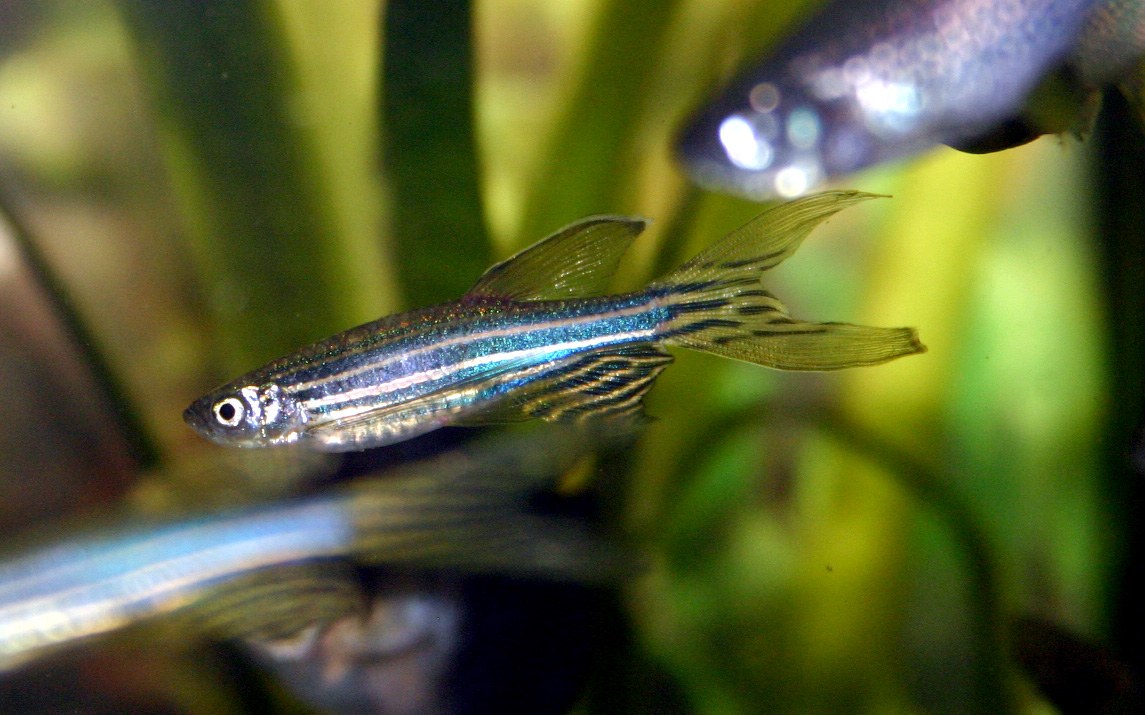
A zebra danio that is well housed and well fed is one of the hardiest fish in the hobby. When problems do appear, they usually trace back to four things: water quality, temperature swings, a new arrival that was not quarantined, or an injury from jumping. This article walks through the common issues and, more importantly, how to prevent them.
Why Zebra Danios Rarely Get Sick
Farm-bred zebrafish have been kept indoors for generations, and that history has produced a genuinely tough little fish. Provided you avoid extremes such as overcrowding, neglected maintenance and erratic temperatures, they will spend most of their lives without needing any treatment at all.
Stress is the real enemy. A fish that is chased, crowded, chilled or exposed to rising ammonia becomes vulnerable to organisms that healthy fish shrug off. When you see illness in a danio tank, look at the environment first: the water, the shoal size, the tank mates. Fixing the cause matters far more than treating the symptom.
Daily observation is the best diagnostic tool you have. A healthy danio is horizontal, brightly striped, quick to feed and active in all parts of the tank. Any fish that hangs apart, stops eating or changes its swimming posture is telling you something is wrong, usually long before a disease becomes obvious.
White Spot and Other External Problems
White spot, or ich, is the classic newcomer's disease. It shows up as fine salt grains across fins, flanks and gills, often about a week after a new fish arrives or after a sudden temperature drop. The parasite spends only part of its life cycle on the fish itself, which is why treatment has to continue for several days to catch the free-swimming stage.
Treat the whole tank with a product recommended by your aquatic vet or retailer and follow the instructions carefully. Raising the temperature, a standard trick in tropical tanks, is less suitable for zebra danios, so rely on the treatment rather than heat. Velvet looks like a fine gold dusting and behaves in a similar way.
Fin damage does not always mean disease. It can follow a nipping session or a scrape against sharp decor, so inspect the tank and the fish's recent history before assuming an infection. Bruising and grazes usually heal on their own in clean water.
The one habit that prevents most external problems is a proper quarantine. Two to four weeks in a separate, cycled tank gives you time to spot trouble before it reaches your shoal, and it costs nothing beyond a little patience.
Fin Rot and Bacterial Infections
Fin rot starts at the edges of the tail or dorsal fin, where the tissue begins to look ragged, pale or shortened. It is a bacterial problem, but the underlying cause is usually environmental: ammonia or nitrite in the water, a nicked fin from a scrape, or a tank that has been allowed to slip.
Clean water is the oldest and most effective treatment. Increase the frequency of partial water changes, confirm that ammonia and nitrite are at zero, and check that the filter is genuinely moving enough water. Many mild cases respond to good husbandry alone, without any medication at all.
If the erosion continues despite clean water, move the affected fish to a separate hospital tank and seek advice from an aquatic vet or a knowledgeable retailer. Never treat a whole display tank unless you know the diagnosis, because unnecessary medication stresses every fish and can harm the bacteria in the filter.
Wasting Disease and Internal Problems
A danio that gradually loses weight, swims with a hollow belly or trails long pale droppings may be carrying an internal infection, often mycobacteriosis, sometimes called wasting disease. The condition is chronic and generally considered incurable, and it is one of the reasons both laboratory and aquarium stocks are monitored so closely.
Because it spreads through contaminated food and water, prevention is everything. Remove any fish that looks seriously wasted and never return it to a community tank. Do not share nets or siphons between tanks without disinfecting them first, and never feed raw or spoiled food.
Internal parasites are another possibility, and they can be identified properly only by a veterinarian, who can also advise whether treatment is worth pursuing. Guessing with off-the-shelf remedies usually costs money and delays the real answer.
There is a human angle too. Bacteria from fish tanks can infect cuts and grazes, so wash your hands after maintenance and cover broken skin before reaching into the water. Fish keeping is safe when basic hygiene becomes a habit.
Quarantine and Daily Prevention
A quarantine tank need not be large. A simple ten-gallon tub with a small filter, a hiding place or two and a heater set to the middle of the range does the job. Keep it running, or at least keep a spare sponge in your main filter so it can be seeded instantly when needed.
Watch new arrivals for two to four weeks before they join the shoal. This single habit prevents more heartbreak than any medication, and it gives you time to notice the subtle signs that a shop tank can hide.
Everyday prevention comes down to three numbers and one routine: ammonia at 0 ppm, nitrite at 0 ppm, nitrate kept low, and a weekly partial water change. The tank maintenance guide covers the mechanics in detail. Danios that live in that environment rarely need anything else. Keep a small notebook or a phone note of test results, because patterns show up quickly when you write them down.
Signs of a Healthy Danio
Bright unbroken stripes, a full body that tapers evenly towards the tail, clear eyes and fins that are held up rather than clamped. A healthy shoal swims in the open, meets food immediately and jostles for position at the surface, and the whole group moves with a busy, uniform rhythm.
Warning signs worth acting on early include white spots, a fish that hides in the plants, a fish that stops eating, sudden weight loss, red streaks in the fins, or a sudden change in the way the shoal moves together. One fish behaving differently is often the first clue that the whole tank needs attention.
Keep a note of anything you observe, including the date. Patterns emerge quickly: an illness that follows a water change, a filter clean or a new addition tells you where to look next time. And when in doubt, test the water before you buy any treatment.
Continue reading: Zebra Danio Behavior: Everyday Habits Explained.
Sources and further reading:
- Seriously Fish: Danio rerio (Zebra Danio) species profile
- FishBase: Danio rerio summary
- MSD Veterinary Manual: Routine Health Care of Fish
- USGS Nonindigenous Aquatic Species: zebra danio
- Zebrafish Models of Human Disease: Gaining Insight into Human Disease at ZFIN
Photo credits: Marrabbio2 via Wikimedia Commons (Public domain (author dedication)). Images resized and compressed for web display.

